Institute for Social Medicine and Epidemiology, University of Lübeck, Lübeck.
Institute for Social Medicine and Epidemiology, University of Lübeck, Lübeck.
Arch Phys Med Rehabil. 2022 Jan;103(1):14-19.e2. doi: 10.1016/j.apmr.2021.07.791. Epub 2021 Aug 6.
To examine the extent to which medical rehabilitation requests decreased because of the pandemic in Germany.
Data were retrieved from the German Pension Insurance, which is the main provider for rehabilitation of working-age people in Germany. Our data represented all medical rehabilitation requests in 2019 and 2020. These requests have to be approved to use a rehabilitation program. We used a difference-in-differences model to determine the reduction in rehabilitation requests attributable to the pandemic.
General community.
We included 1,621,840 rehabilitation requests from working-age people across Germany in 2019 and 1,391,642 rehabilitation requests in 2020 (N=3,013,482).
Medical rehabilitation in inpatient or outpatient facilities.
Number of medical rehabilitation requests.
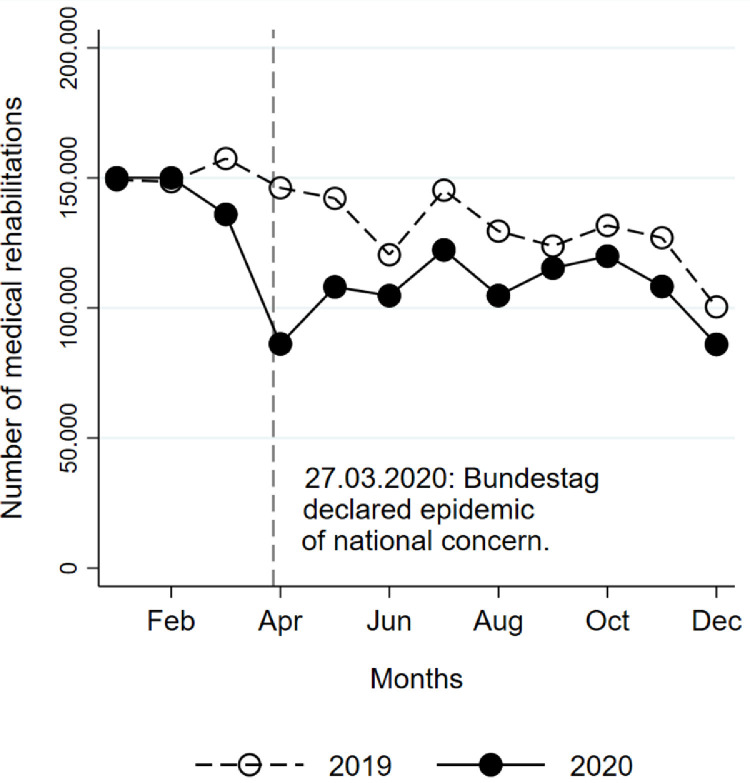
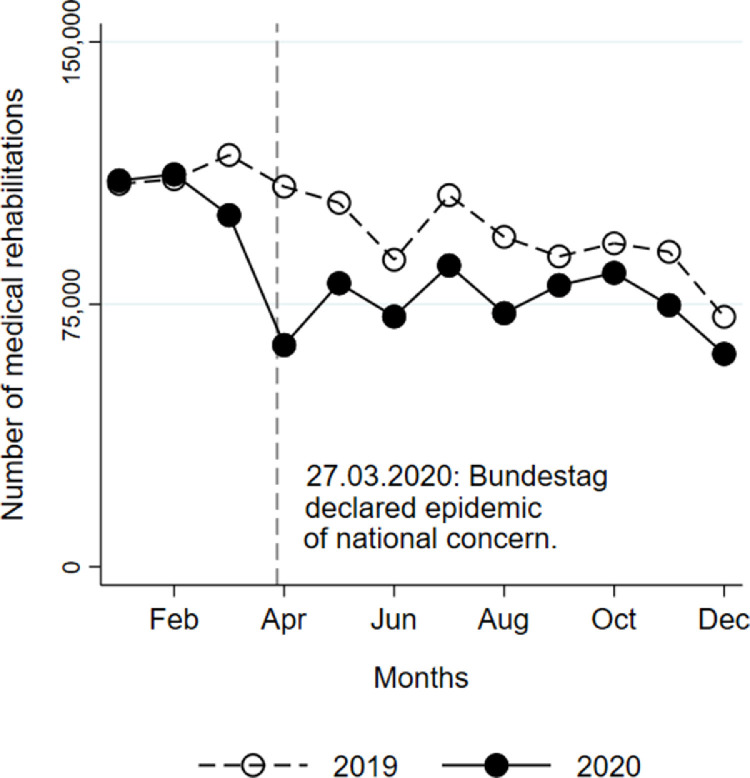
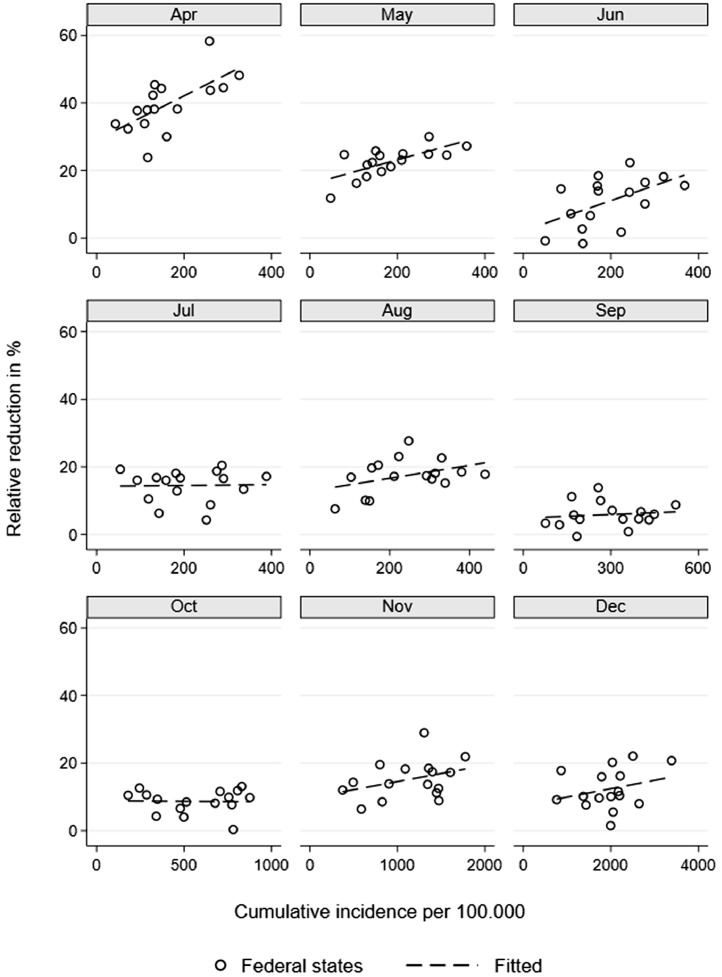
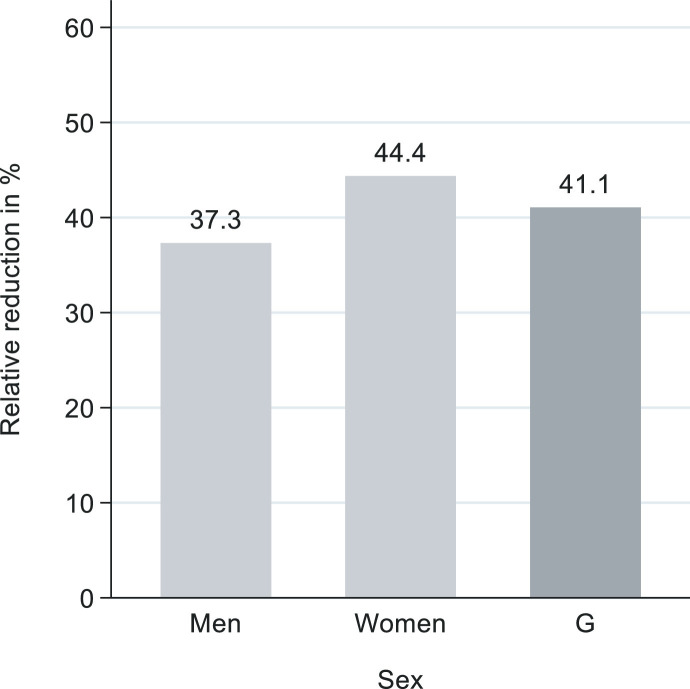
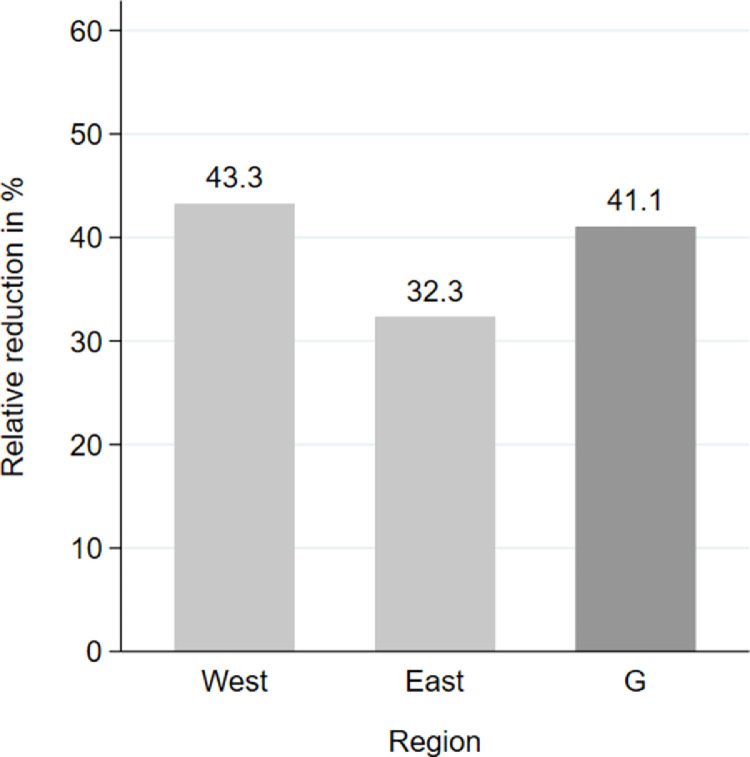
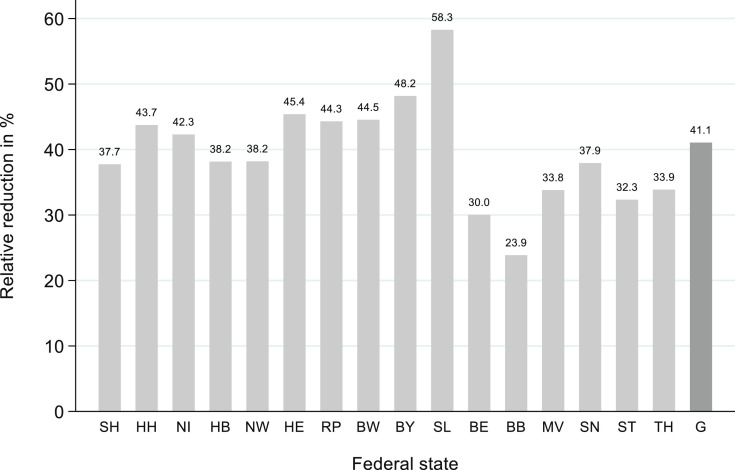
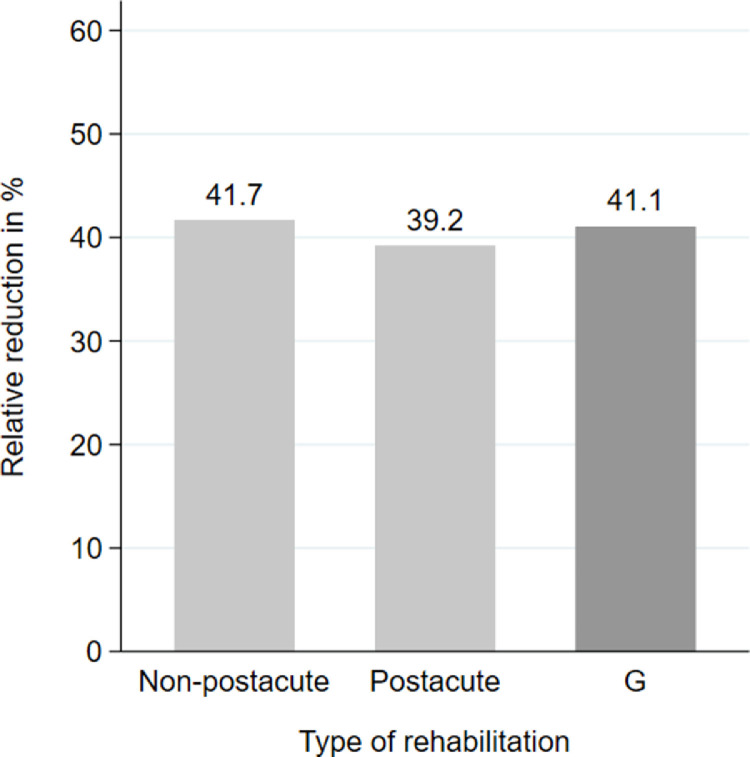
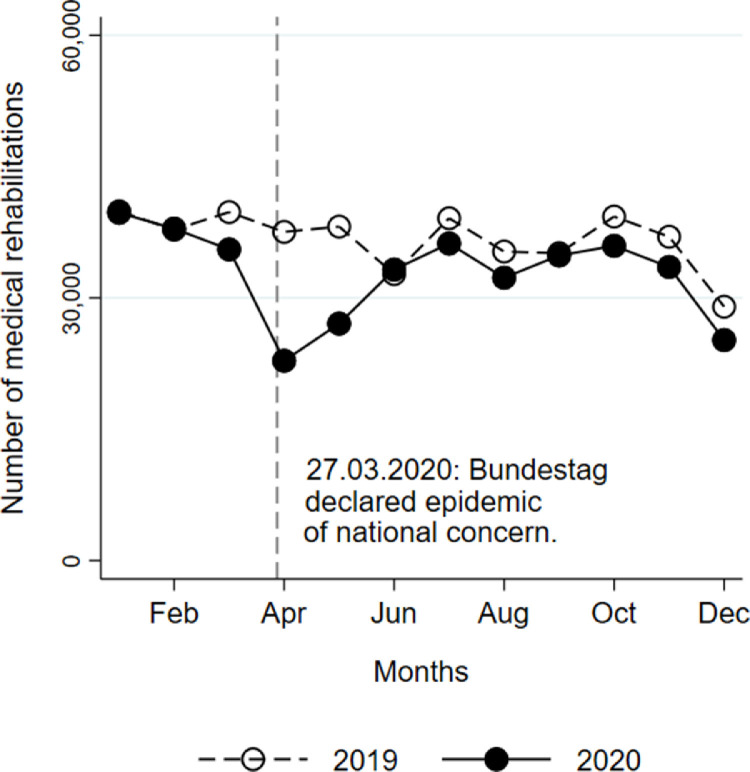
The number of medical rehabilitation requests decreased by 14.5% because of the pandemic (incidence rate ratio, 0.855; 95% confidence interval, 0.851-0.859). The decline in requests was more pronounced among women and in Western Germany than among men and in Eastern Germany. The reduction in requests affected non-postacute rehabilitations more clearly than postacute rehabilitation services. After the pandemic declaration by the German Bundestag in March 2020, the reduction in requests was initially strongly associated with the regional incidence of infection. This association weakened in the following months.
The reduction in requests will have a significant effect on the number of completed rehabilitation services. For many people with chronic diseases, failure to provide medical rehabilitation increases the risk of disease progression.
考察德国因疫情而减少医疗康复需求的程度。
数据取自德国养老保险,这是德国为劳动年龄段人群提供康复服务的主要机构。我们的数据代表了 2019 年和 2020 年所有的医疗康复申请。这些申请必须得到批准才能使用康复项目。我们使用差分模型来确定疫情导致康复申请减少的程度。
一般社区。
我们纳入了德国各地劳动年龄段人群在 2019 年的 1621840 份康复申请和 2020 年的 1391642 份康复申请(N=3013482)。
医疗康复在住院或门诊机构进行。
医疗康复申请数量。
因疫情康复申请减少了 14.5%(发病率比,0.855;95%置信区间,0.851-0.859)。女性和西德的申请降幅大于男性和东德。与急性后康复服务相比,非急性后康复的申请减少更为明显。在德国联邦议院于 2020 年 3 月宣布疫情后,申请的减少最初与感染的地区发病率密切相关。这种关联在接下来的几个月里有所减弱。
申请减少将对已完成康复服务的数量产生重大影响。对于许多患有慢性病的人来说,未能提供医疗康复会增加疾病进展的风险。