Division of Respiratory Diseases Department of Internal Medicine The Jikei University School of Medicine Tokyo Japan.
Department of Translational Research for Exosomes The Jikei University School of Medicine Tokyo Japan.
J Extracell Vesicles. 2021 Aug;10(10):e12124. doi: 10.1002/jev2.12124. Epub 2021 Aug 2.
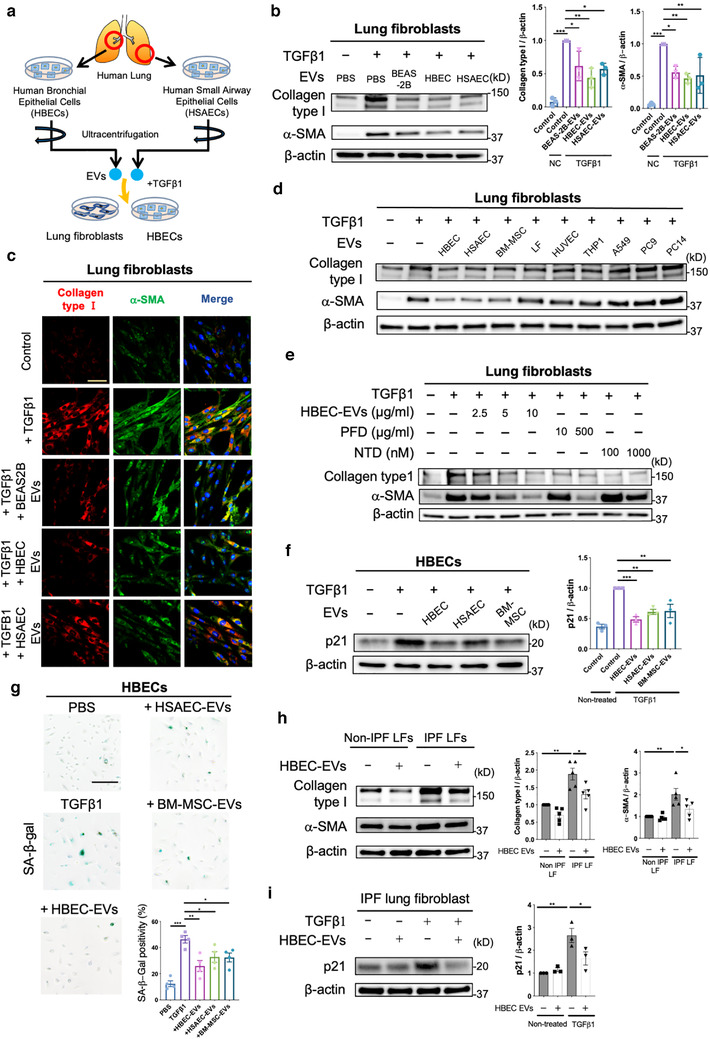
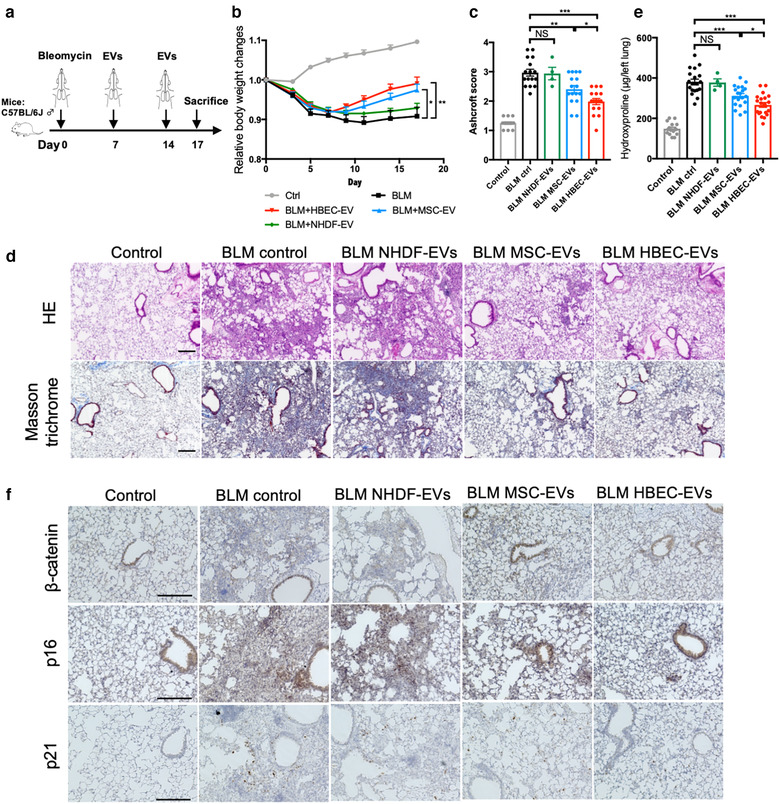
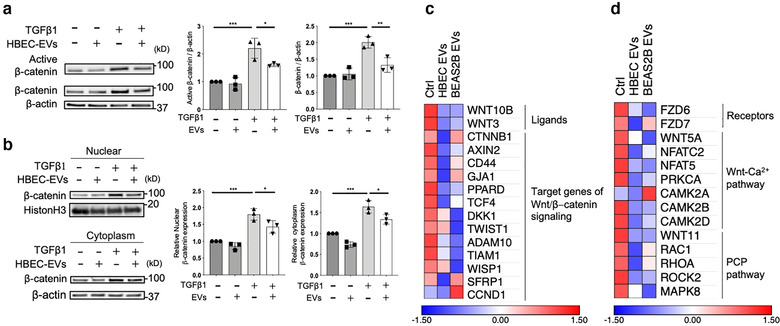
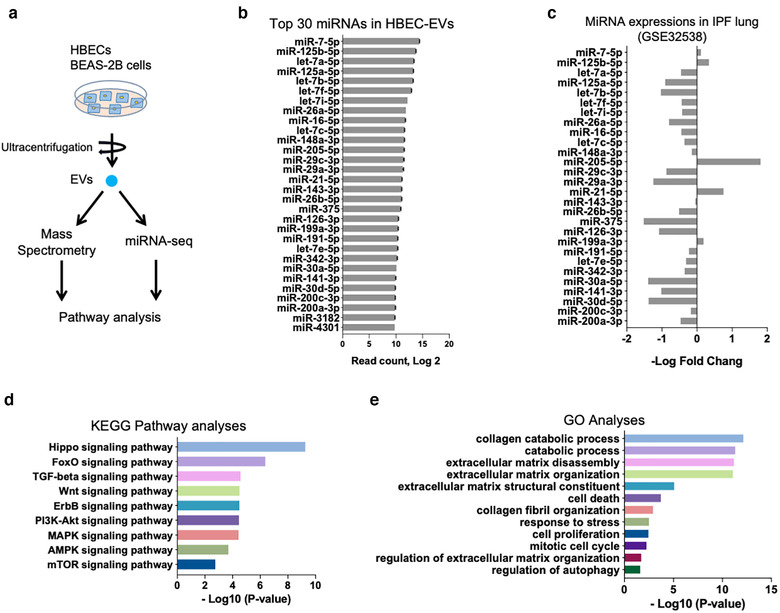
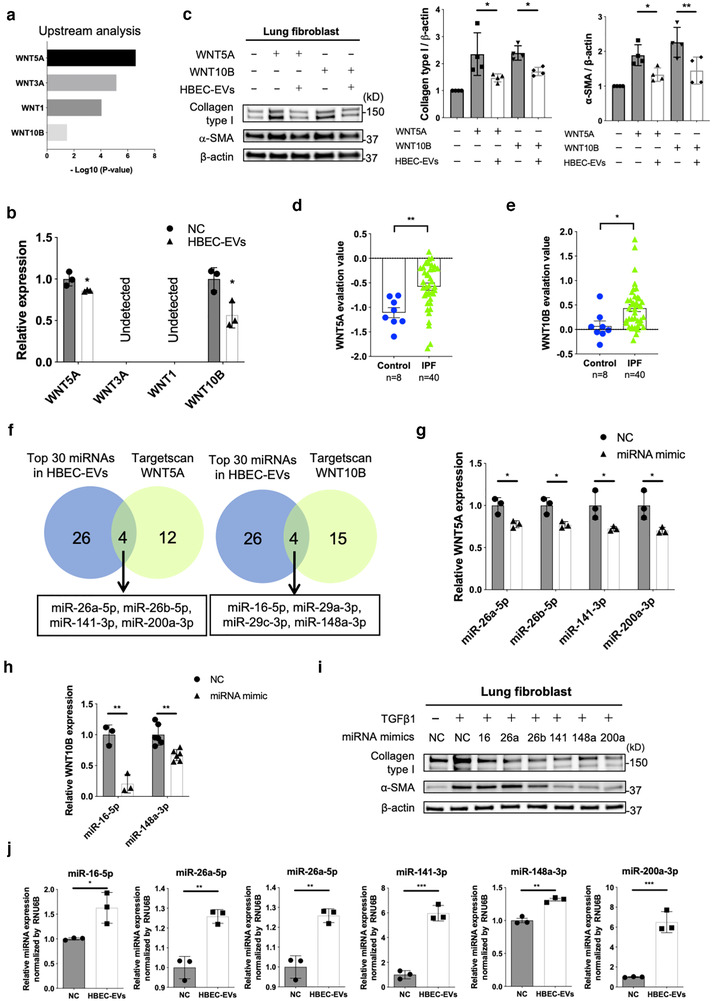
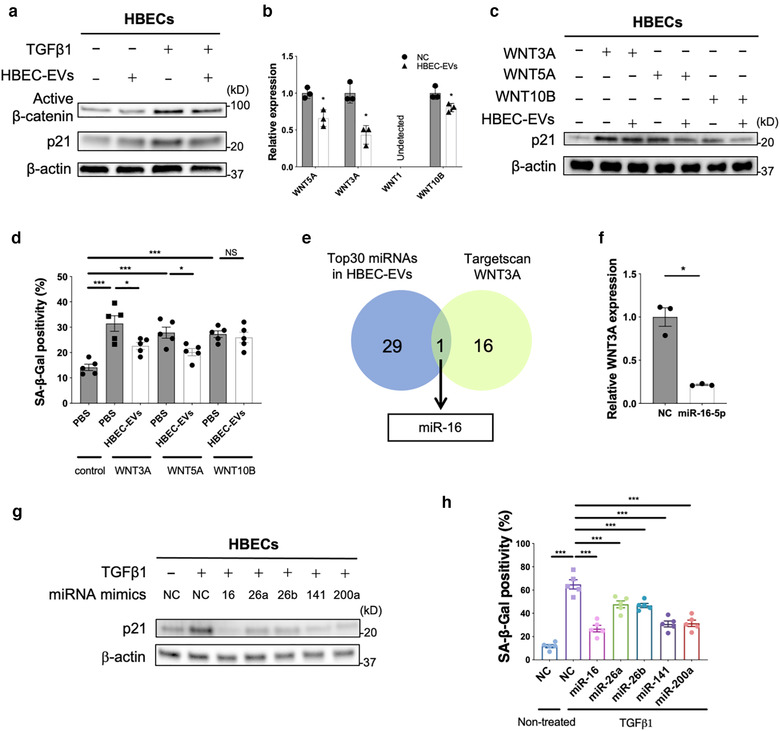
Idiopathic pulmonary fibrosis (IPF) is characterized by devastating and progressive lung parenchymal fibrosis, resulting in poor patient prognosis. An aberrant recapitulation of developmental lung gene expression, including genes for transforming growth factor (TGF)-β and WNT, has been widely implicated in the pathogenic IPF wound healing process that results from repetitive alveolar epithelial injury. Extracellular vesicles (EVs) have been shown to carry bioactive molecules and to be involved in various physiological and pathological processes. Here, we demonstrate that, by attenuating WNT signalling, human bronchial epithelial cell-derived EVs (HBEC EVs) inhibit TGF-β mediated induction of both myofibroblast differentiation and lung epithelial cellular senescence. This effect of HBEC EVs is more pronounced than that observed with mesenchymal stem cell-derived EVs. Mechanistically, the HBEC EV microRNA (miRNA) cargo is primarily responsible for attenuating both myofibroblast differentiation and cellular senescence. This attenuation occurs via inhibition of canonical and non-canonical WNT signalling pathways. Among enriched miRNA species present in HBEC EVs, miR-16, miR-26a, miR-26b, miR-141, miR-148a, and miR-200a are mechanistically involved in reducing WNT5A and WNT10B expression in LFs, and in reducing WNT3A, WNT5A, and WNT10B expression in HBECs. Mouse models utilizing intratracheal administration of EVs demonstrate efficient attenuation of bleomycin-induced lung fibrosis development accompanied by reduced expression of both β-catenin and markers of cellular senescence. These findings indicate that EVs derived from normal resident lung HBECs may possess anti-fibrotic properties. They further suggest that, via miRNA-mediated inhibition of TGF-β-WNT crosstalk, HBEC EVs administration can be a promising anti-fibrotic modality of treatment for IPF.
特发性肺纤维化(IPF)的特征是破坏性和进行性的肺实质纤维化,导致患者预后不良。异常重现发育性肺基因表达,包括转化生长因子(TGF)-β和 WNT 基因,已广泛涉及导致反复肺泡上皮损伤的致病性 IPF 愈合过程。已经表明细胞外囊泡(EVs)携带生物活性分子,并参与各种生理和病理过程。在这里,我们证明通过减弱 WNT 信号,人支气管上皮细胞衍生的 EV(HBEC EV)抑制 TGF-β介导的肌成纤维细胞分化和肺上皮细胞衰老的诱导。HBEC EV 的这种作用比间充质干细胞衍生的 EV 观察到的作用更为明显。从机制上讲,HBEC EV 的 microRNA(miRNA)货物主要负责减弱肌成纤维细胞分化和细胞衰老。这种衰减是通过抑制经典和非经典 WNT 信号通路来实现的。在 HBEC EV 中存在的丰富 miRNA 物种中,miR-16、miR-26a、miR-26b、miR-141、miR-148a 和 miR-200a 通过减少 LF 中的 WNT5A 和 WNT10B 表达以及减少 HBEC 中的 WNT3A、WNT5A 和 WNT10B 表达,在机制上参与其中。利用 EV 气管内给药的小鼠模型表明,其能有效抑制博来霉素诱导的肺纤维化发展,同时减少β-连环蛋白和细胞衰老标志物的表达。这些发现表明,源自正常驻留肺 HBEC 的 EV 可能具有抗纤维化特性。它们进一步表明,通过 miRNA 介导的 TGF-β-WNT 串扰抑制,HBEC EV 的给药可能是治疗 IPF 的一种有前途的抗纤维化治疗方式。