Vanella Patrizio, Basellini Ugofilippo, Lange Berit
Department of Epidemiology, Helmholtz Centre for Infection Research (HZI), Inhoffenstr. 7, DE-38124 Brunswick, Germany.
Chair of Empirical Methods in Social Science and Demography, University of Rostock, Ulmenstr. 69, DE-18057 Rostock, Germany.
Genus. 2021;77(1):16. doi: 10.1186/s41118-021-00123-9. Epub 2021 Aug 9.
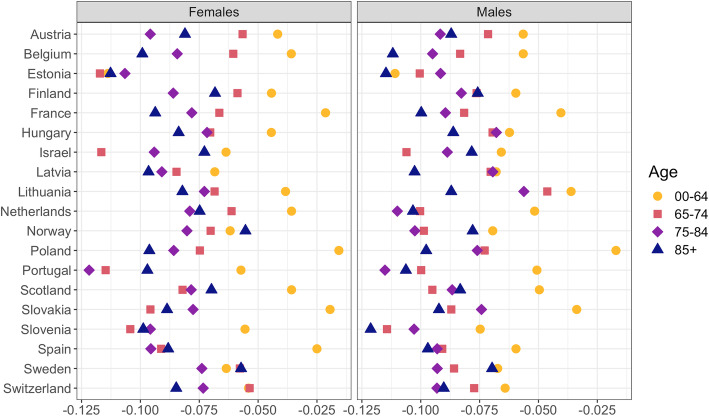
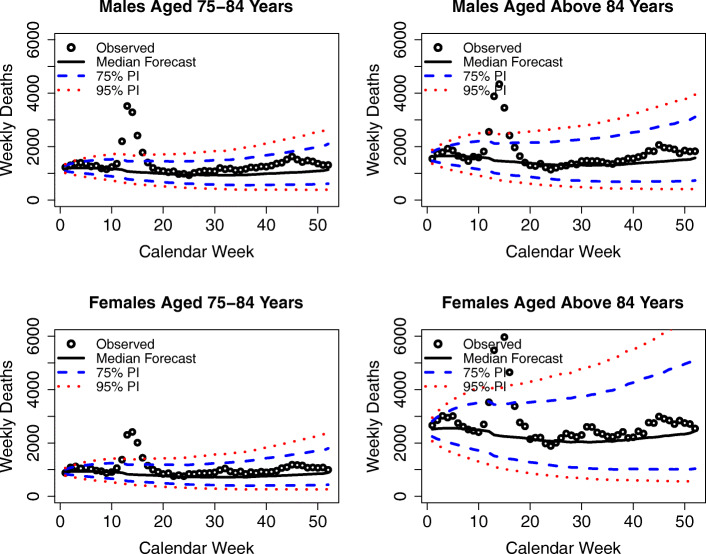
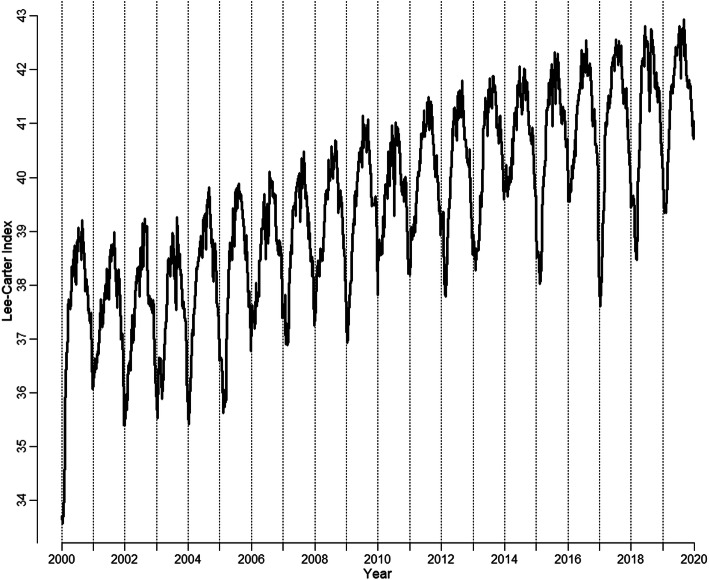
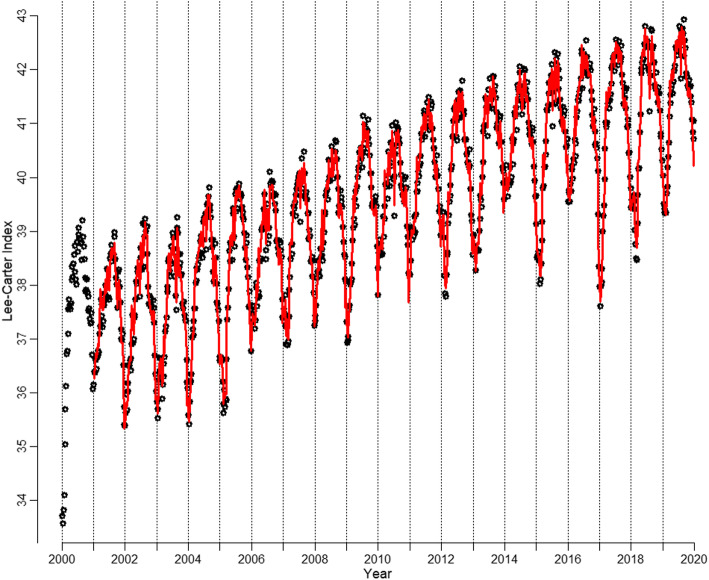
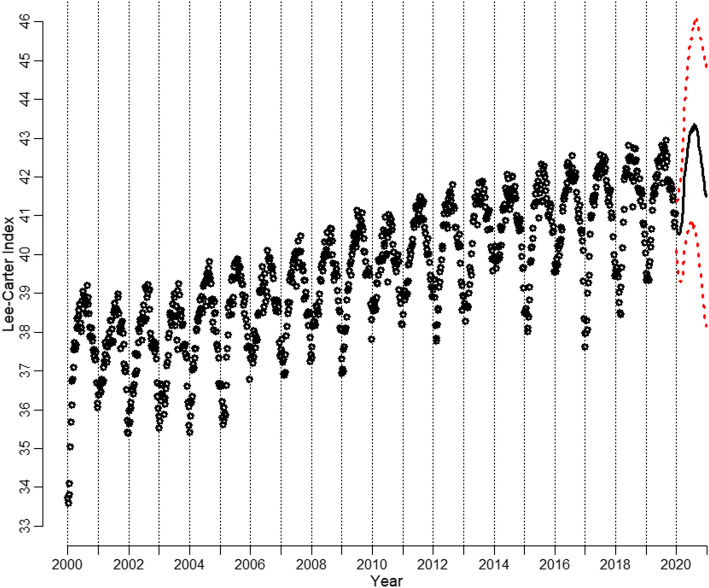
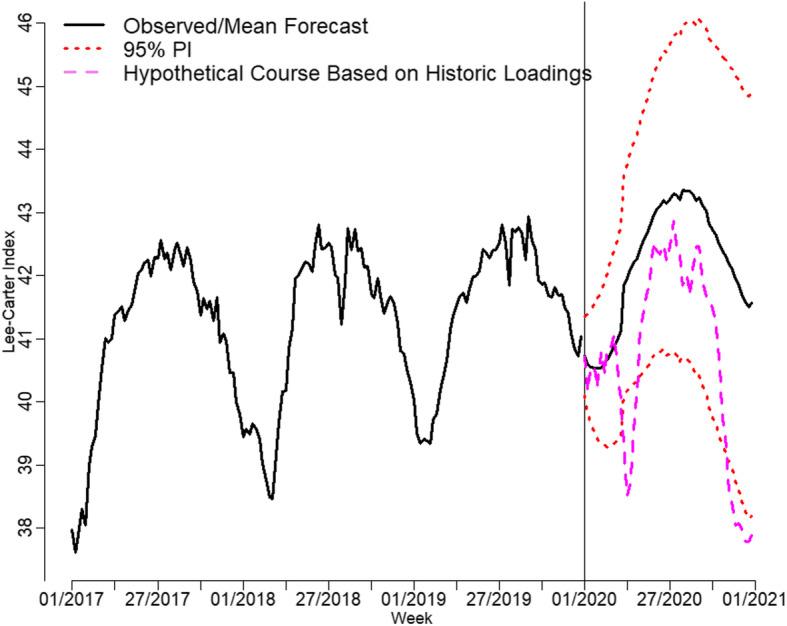
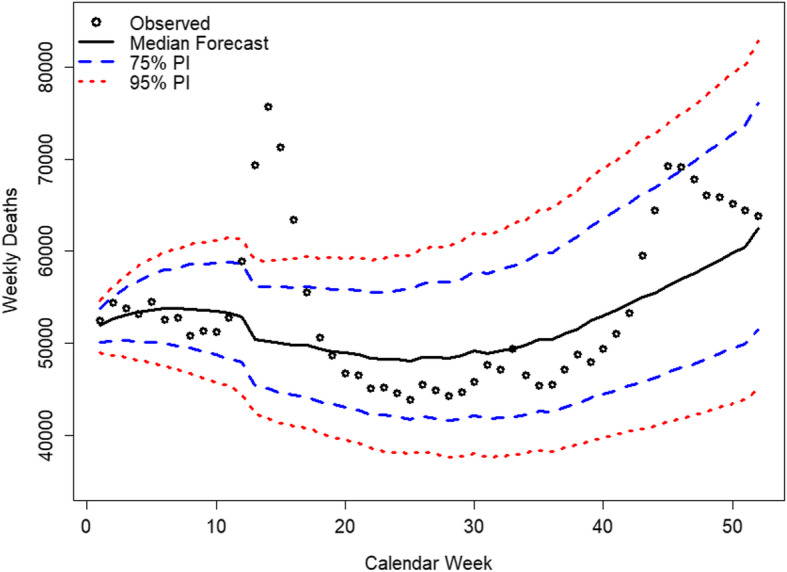
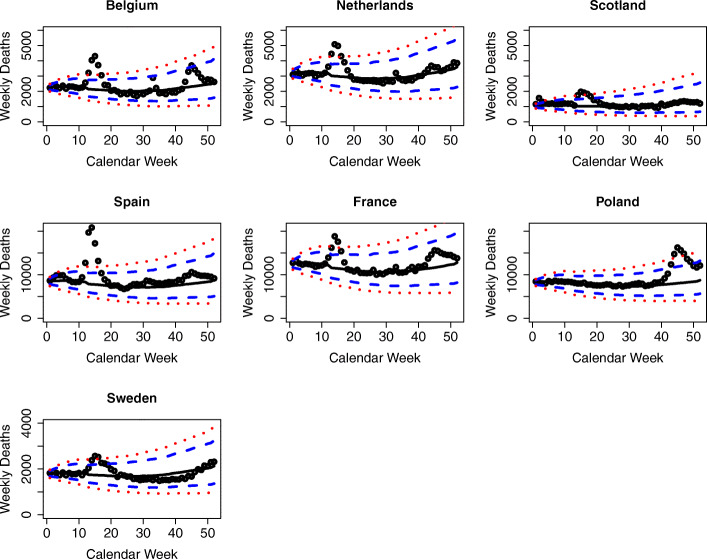
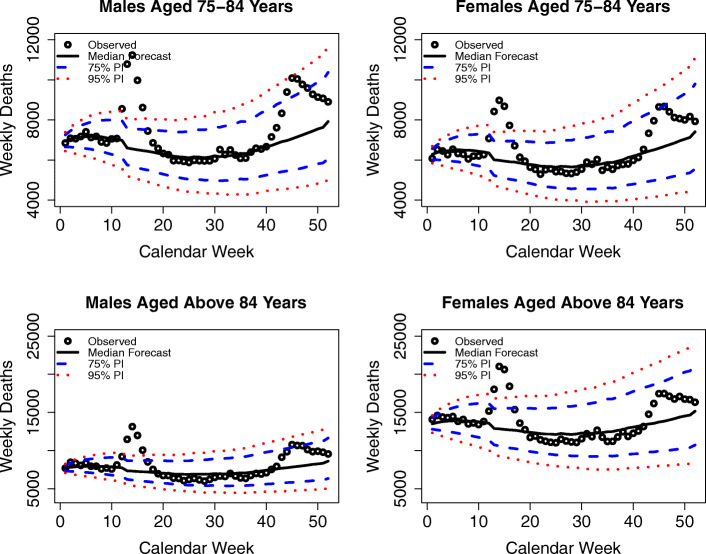
The COVID-19 outbreak has called for renewed attention to the need for sound statistical analyses to monitor mortality patterns and trends over time. Excess mortality has been suggested as the most appropriate indicator to measure the overall burden of the pandemic in terms of mortality. As such, excess mortality has received considerable interest since the outbreak of COVID-19 began. Previous approaches to estimate excess mortality are somewhat limited, as they do not include sufficiently long-term trends, correlations among different demographic and geographic groups, or autocorrelations in the mortality time series. This might lead to biased estimates of excess mortality, as random mortality fluctuations may be misinterpreted as excess mortality. We propose a novel approach that overcomes the named limitations and draws a more realistic picture of excess mortality. Our approach is based on an established forecasting model that is used in demography, namely, the Lee-Carter model. We illustrate our approach by using the weekly age- and sex-specific mortality data for 19 countries and the current COVID-19 pandemic as a case study. Our findings show evidence of considerable excess mortality during 2020 in Europe, which affects different countries, age, and sex groups heterogeneously. Our proposed model can be applied to future pandemics as well as to monitor excess mortality from specific causes of death.
新冠疫情促使人们重新关注对死亡率模式和长期趋势进行可靠统计分析的必要性。超额死亡率被认为是衡量该疫情在死亡率方面总体负担的最合适指标。因此,自新冠疫情爆发以来,超额死亡率受到了广泛关注。以往估计超额死亡率的方法存在一定局限性,因为它们没有纳入足够长的长期趋势、不同人口和地理群体之间的相关性,或死亡率时间序列中的自相关性。这可能导致对超额死亡率的估计产生偏差,因为随机的死亡率波动可能被误判为超额死亡率。我们提出了一种新颖的方法,克服了上述局限性,更真实地描绘了超额死亡率情况。我们的方法基于人口统计学中一种既定的预测模型,即李-卡特模型。我们以19个国家按年龄和性别的每周死亡率数据以及当前的新冠疫情为例,阐述我们的方法。我们的研究结果表明,2020年欧洲存在相当程度的超额死亡率,不同国家、年龄和性别群体受到的影响存在差异。我们提出的模型可应用于未来的疫情,也可用于监测特定死因导致的超额死亡率。