He Quan, Wang Fangfei, Ryan Thomas D, Chalasani Meghana, Redington Andrew N
The Heart Institute, Cincinnati Children's Hospital Medical Center, Cincinnati, Ohio, USA.
JACC CardioOncol. 2020 Mar 17;2(1):41-52. doi: 10.1016/j.jaccao.2020.01.005. eCollection 2020 Mar.
This study investigated the cardioprotective effect of repeated remote ischemic preconditioning (rRIC) on doxorubicin-induced cardiotoxicity in mice.
Doxorubicin is an effective chemotherapeutic agent for a wide range of tumor types but its use and dosing are limited by acute and chronic cardiotoxicity. Remote ischemic conditioning (RIC) is cardioprotective in multiple cardiovascular injury models, but the effectiveness of rRIC in doxorubicin-induced cardiotoxicity has not been fully elucidated.
rRIC was performed on mice before and after doxorubicin administration. Cardiac function was assessed by echocardiography and myocardial biology was tested by molecular approaches.
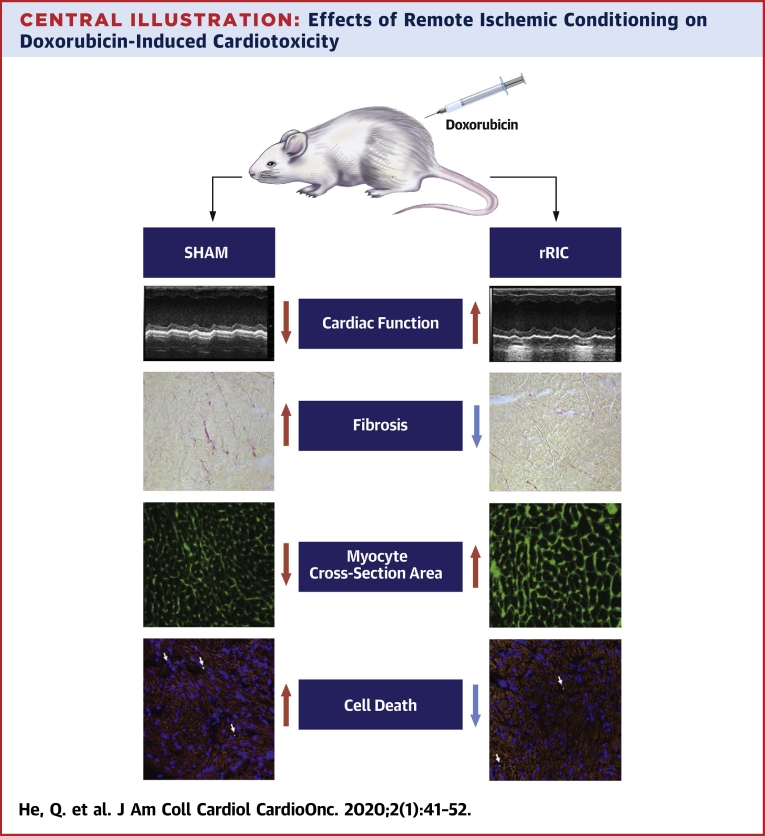
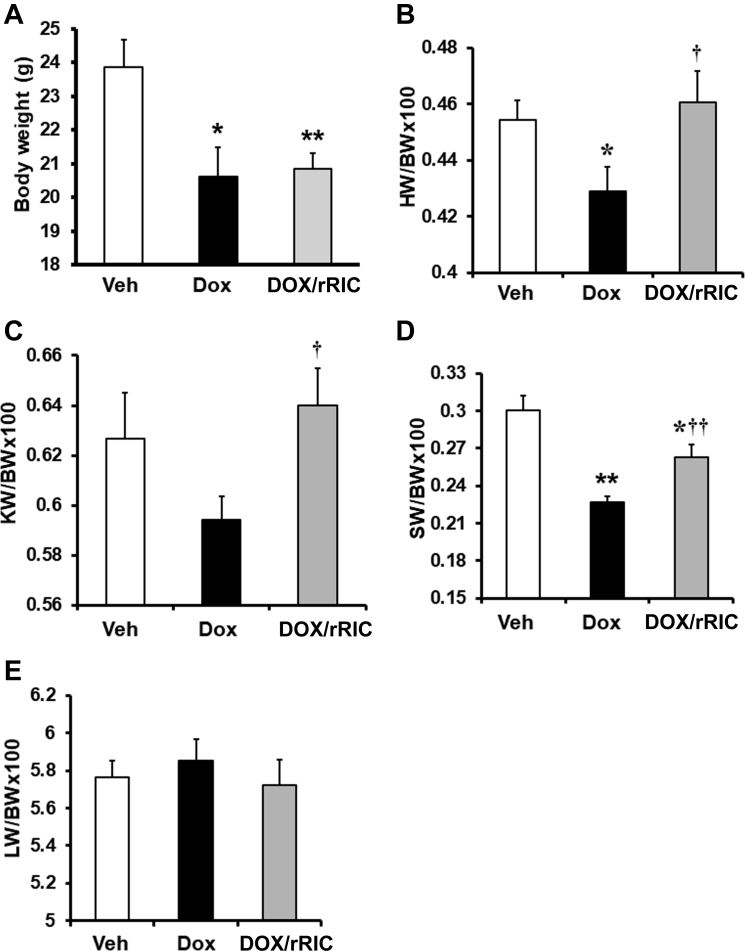
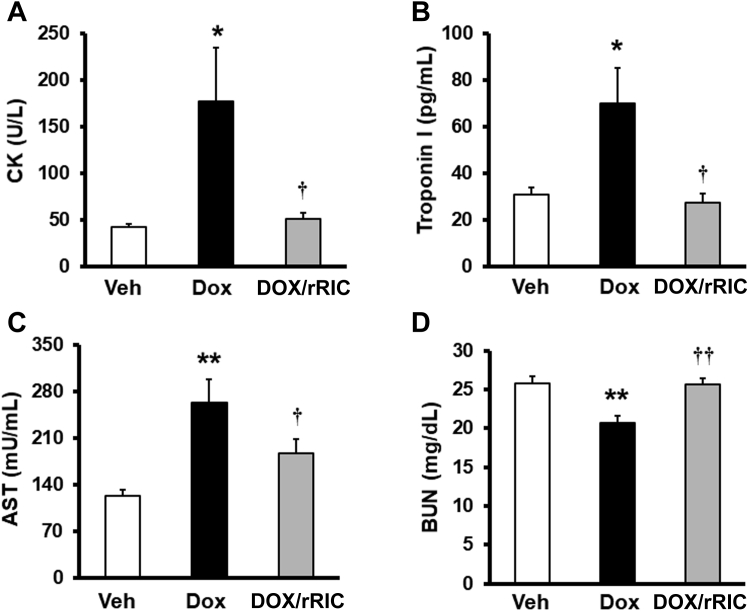
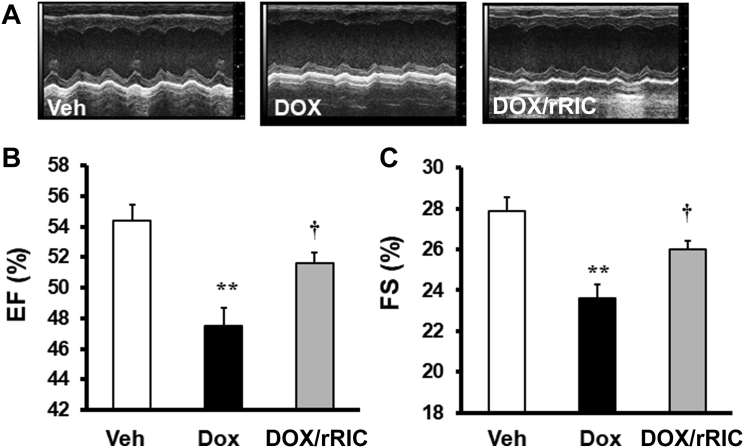
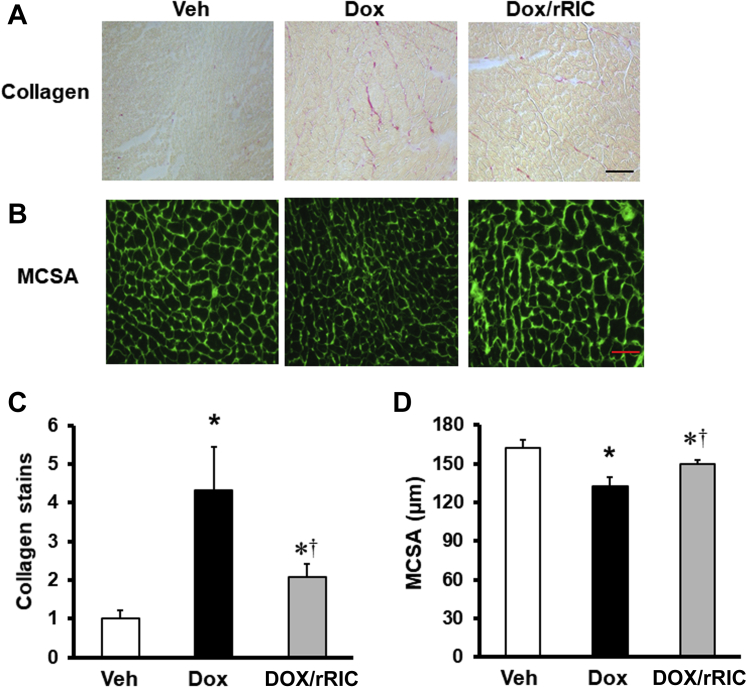
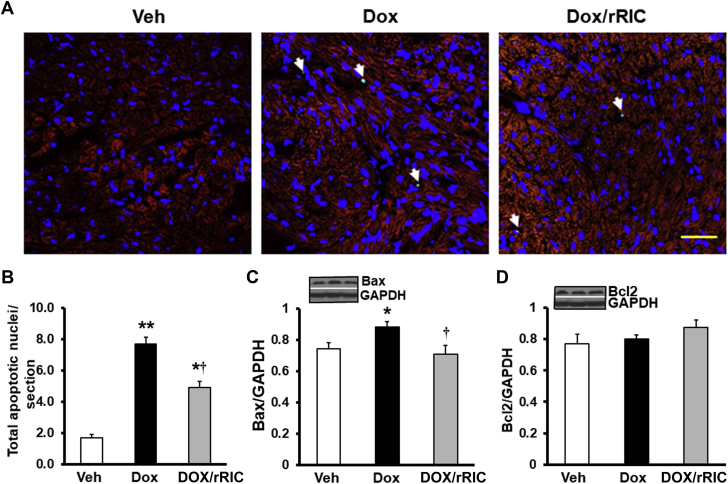
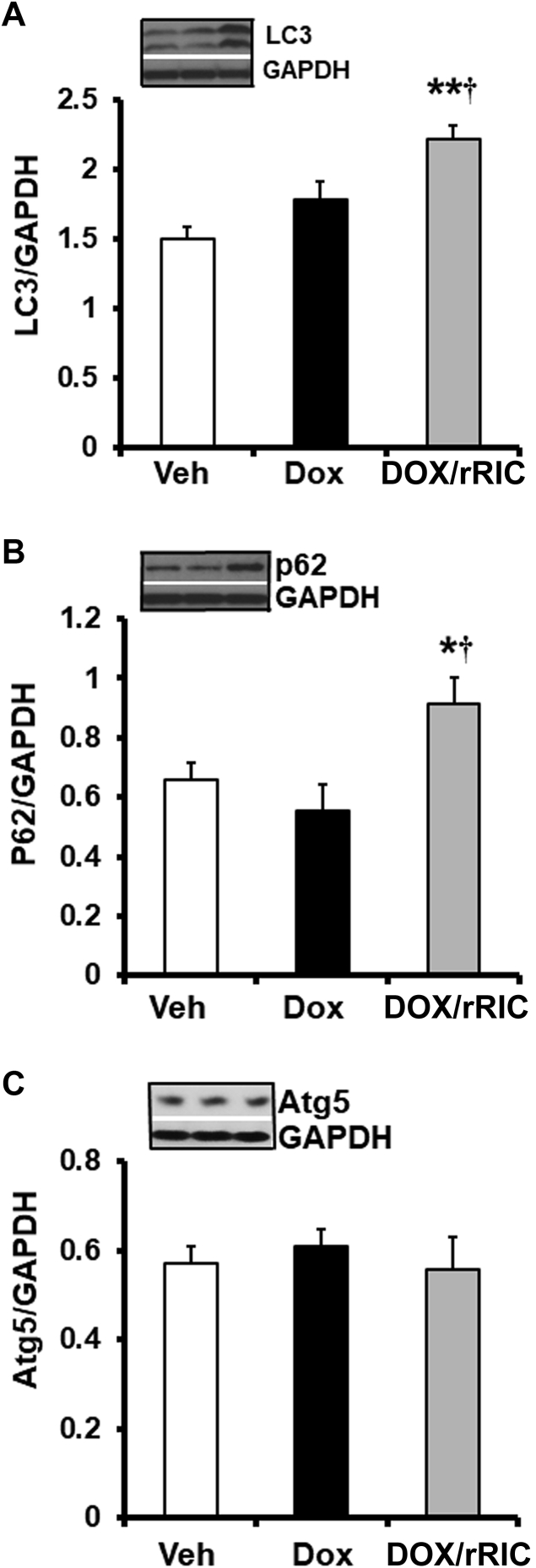
Doxorubicin administration induced acute cardiotoxicity, as indicated by reduced cardiac function, reduced myocyte cross-section area and increased extracellular collagen deposition, increased circulating cardiac muscle damage markers, and decreased heart weight. Doxorubicin also adversely affected other organs, including the kidney, liver, and spleen, as evaluated by circulating markers or organ weight loss. rRIC not only abrogated doxorubicin-induced cardiotoxicity (left ventricular ejection fraction, doxorubicin 47.5 ± 1.1%, doxorubicin + rRIC 51.6 ± 0.7%, p = 0.017), but also was associated with multiorgan protection. Within the myocardium, rRIC attenuated doxorubicin-induced cardiomyocyte apoptosis, reduced inflammation, and increased autophagy signaling.
rRIC may be a promising approach to reduce doxorubicin-induced cardiotoxicity.
本研究调查了重复远程缺血预处理(rRIC)对阿霉素诱导的小鼠心脏毒性的心脏保护作用。
阿霉素是一种对多种肿瘤类型有效的化疗药物,但其使用和剂量受到急性和慢性心脏毒性的限制。远程缺血预处理(RIC)在多种心血管损伤模型中具有心脏保护作用,但rRIC在阿霉素诱导的心脏毒性中的有效性尚未完全阐明。
在阿霉素给药前后对小鼠进行rRIC。通过超声心动图评估心脏功能,并通过分子方法检测心肌生物学指标。
阿霉素给药诱导了急性心脏毒性,表现为心脏功能降低、心肌细胞横截面积减小、细胞外胶原沉积增加、循环心肌损伤标志物增加以及心脏重量减轻。通过循环标志物或器官重量减轻评估,阿霉素还对其他器官产生不利影响,包括肾脏、肝脏和脾脏。rRIC不仅消除了阿霉素诱导的心脏毒性(左心室射血分数,阿霉素组47.5±1.1%,阿霉素+rRIC组51.6±0.7%,p=0.017),还与多器官保护相关。在心肌内,rRIC减轻了阿霉素诱导的心肌细胞凋亡,减少了炎症,并增加了自噬信号。
rRIC可能是一种有前景的降低阿霉素诱导的心脏毒性的方法。