Institute of Clinical Chemistry, University of Zurich and University Hospital of Zurich, Switzerland (S.V., L.R., D.P., D.W., G.P., A.P., M.Y., A.J.H., A.v.E.).
Unit of Neurosciences, Department of Medicine and Surgery, University of Parma, Italy (F.P.).
Arterioscler Thromb Vasc Biol. 2021 Oct;41(10):e468-e479. doi: 10.1161/ATVBAHA.121.316725. Epub 2021 Aug 19.
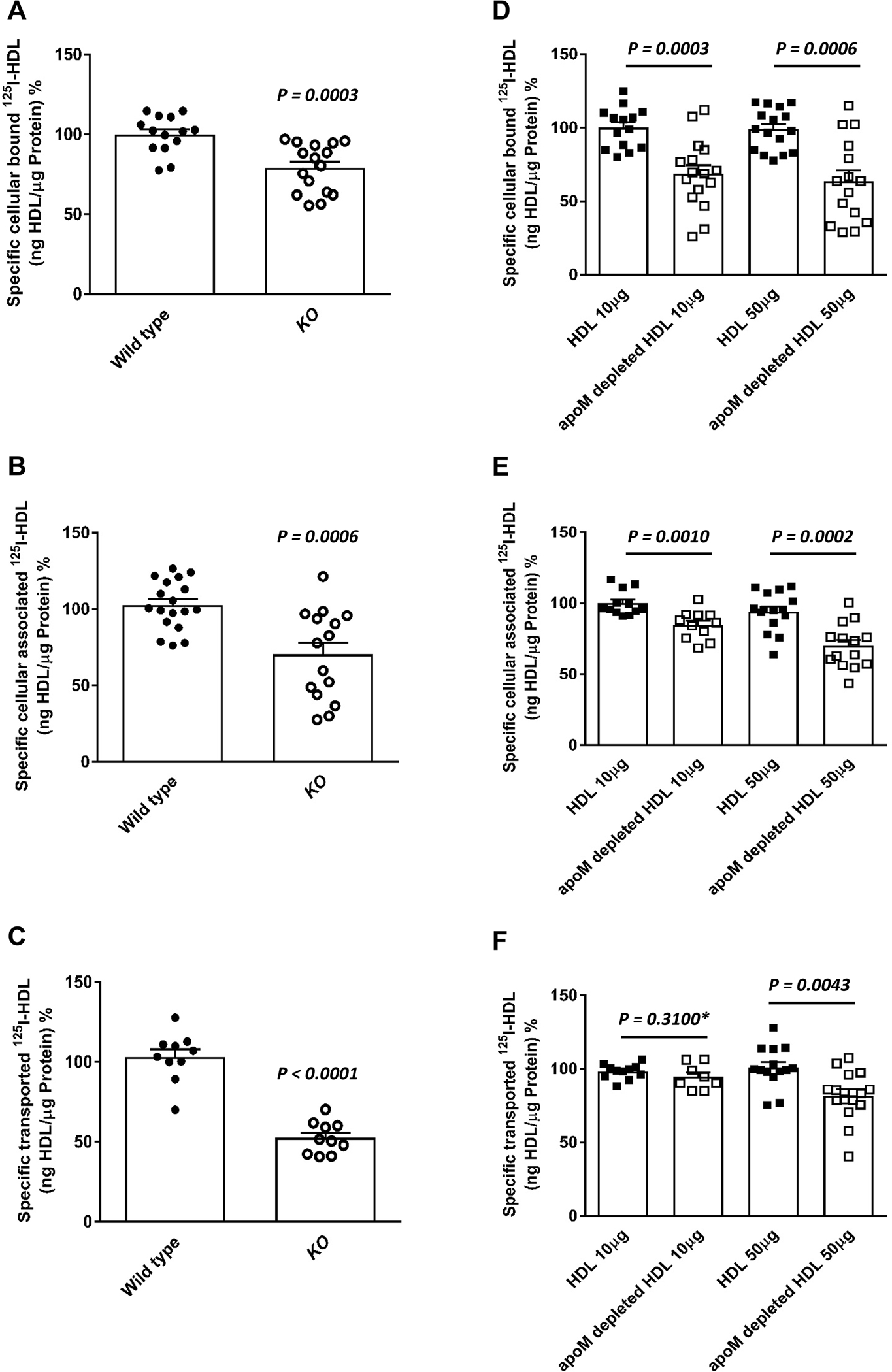
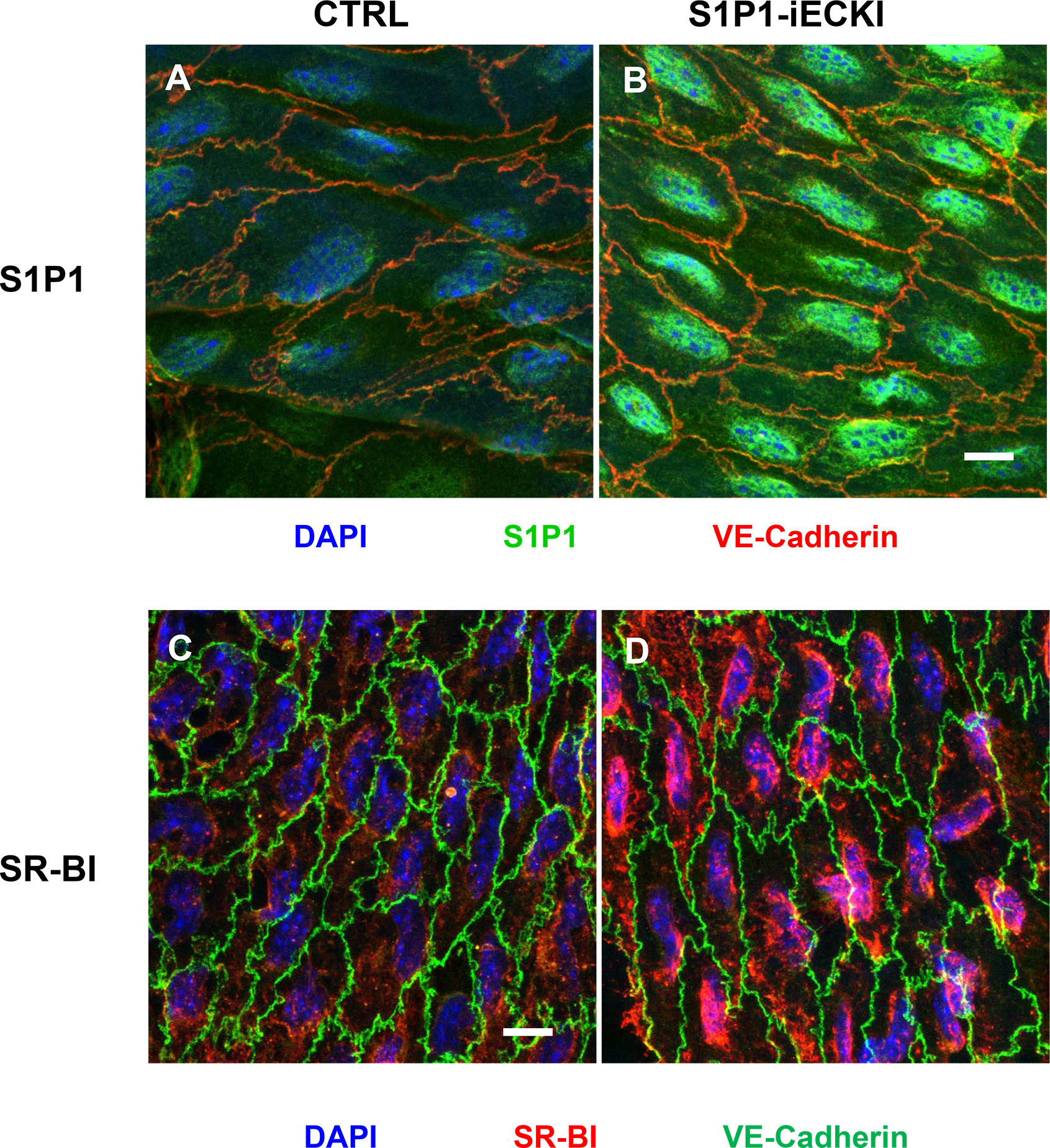
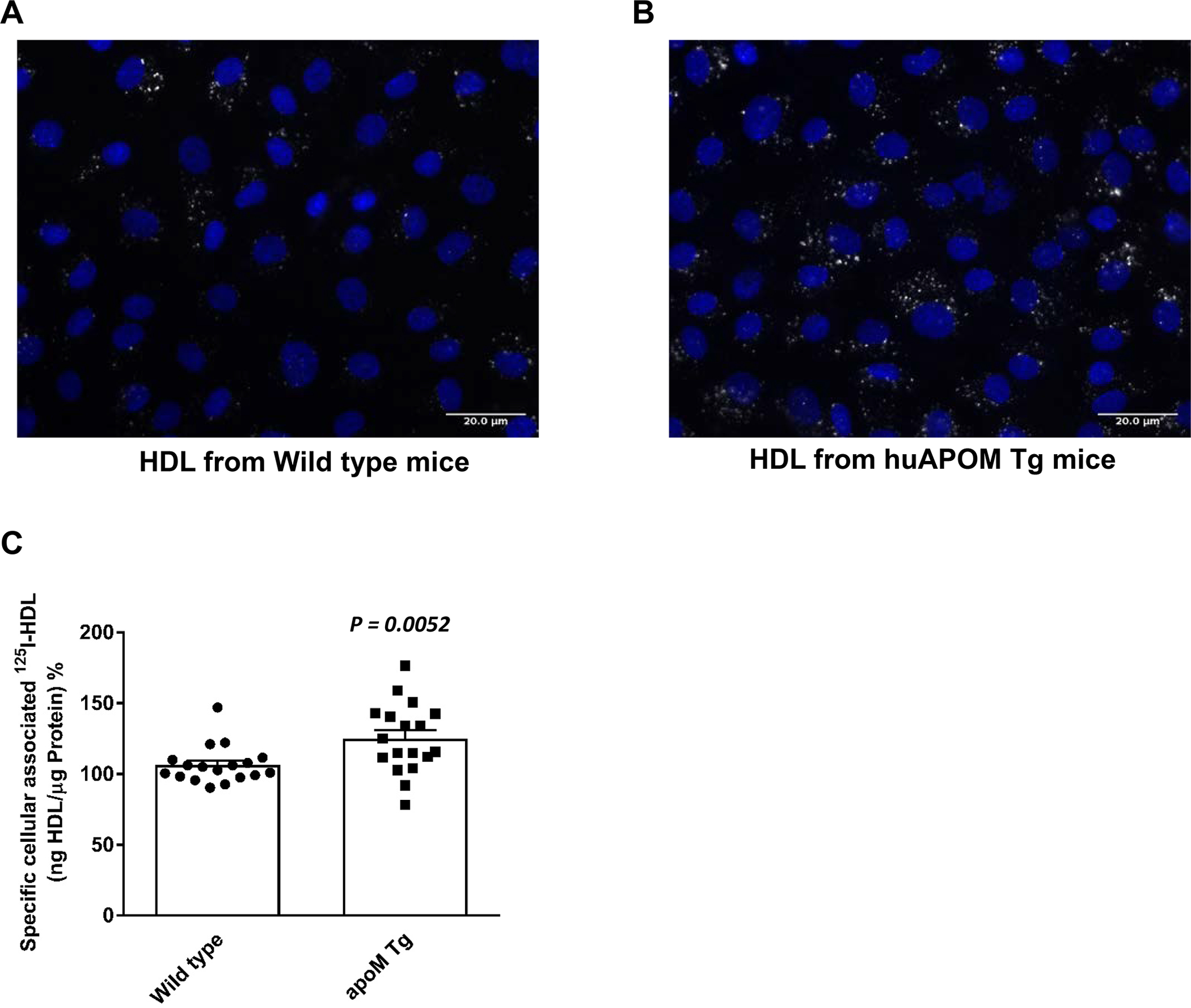
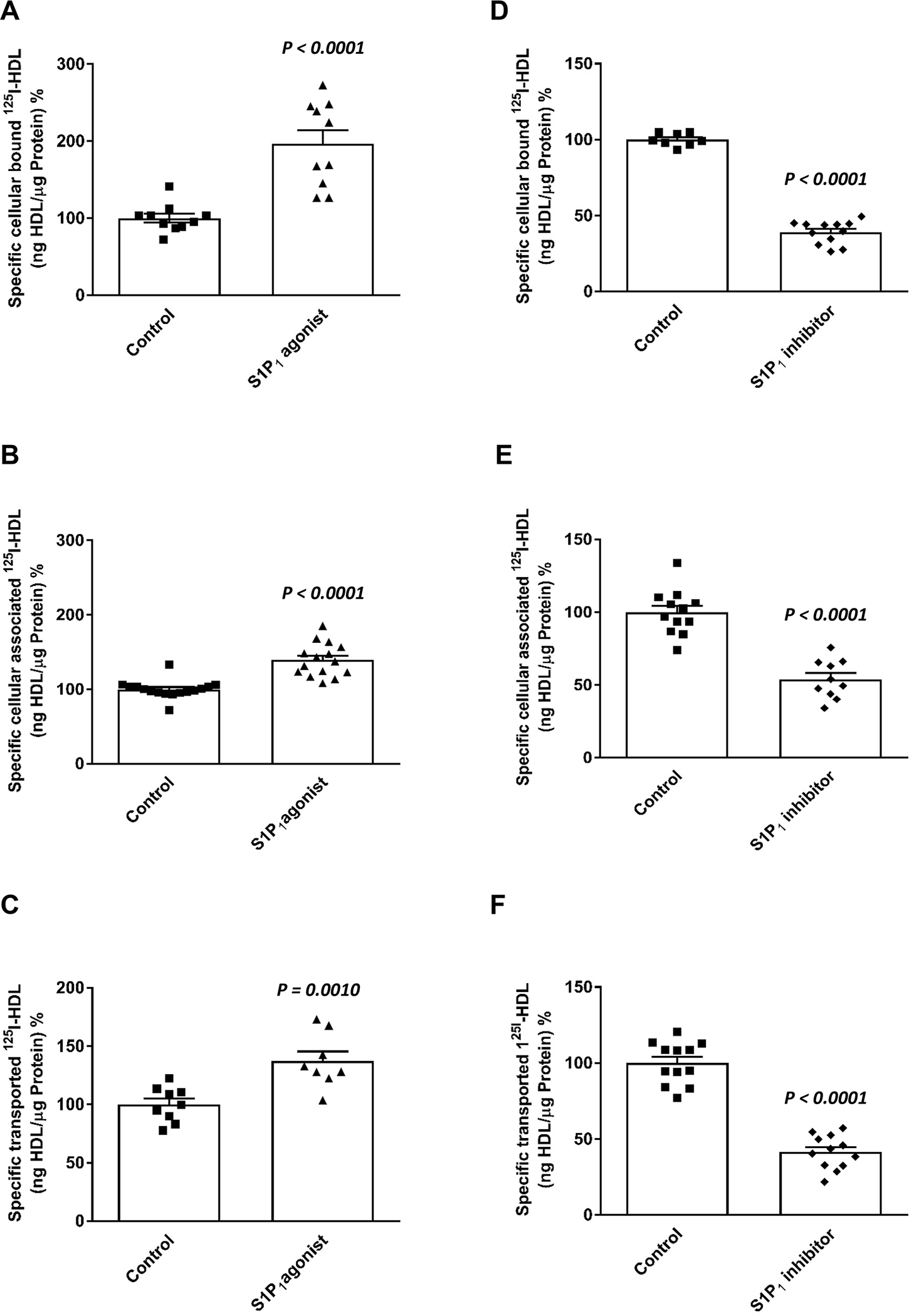
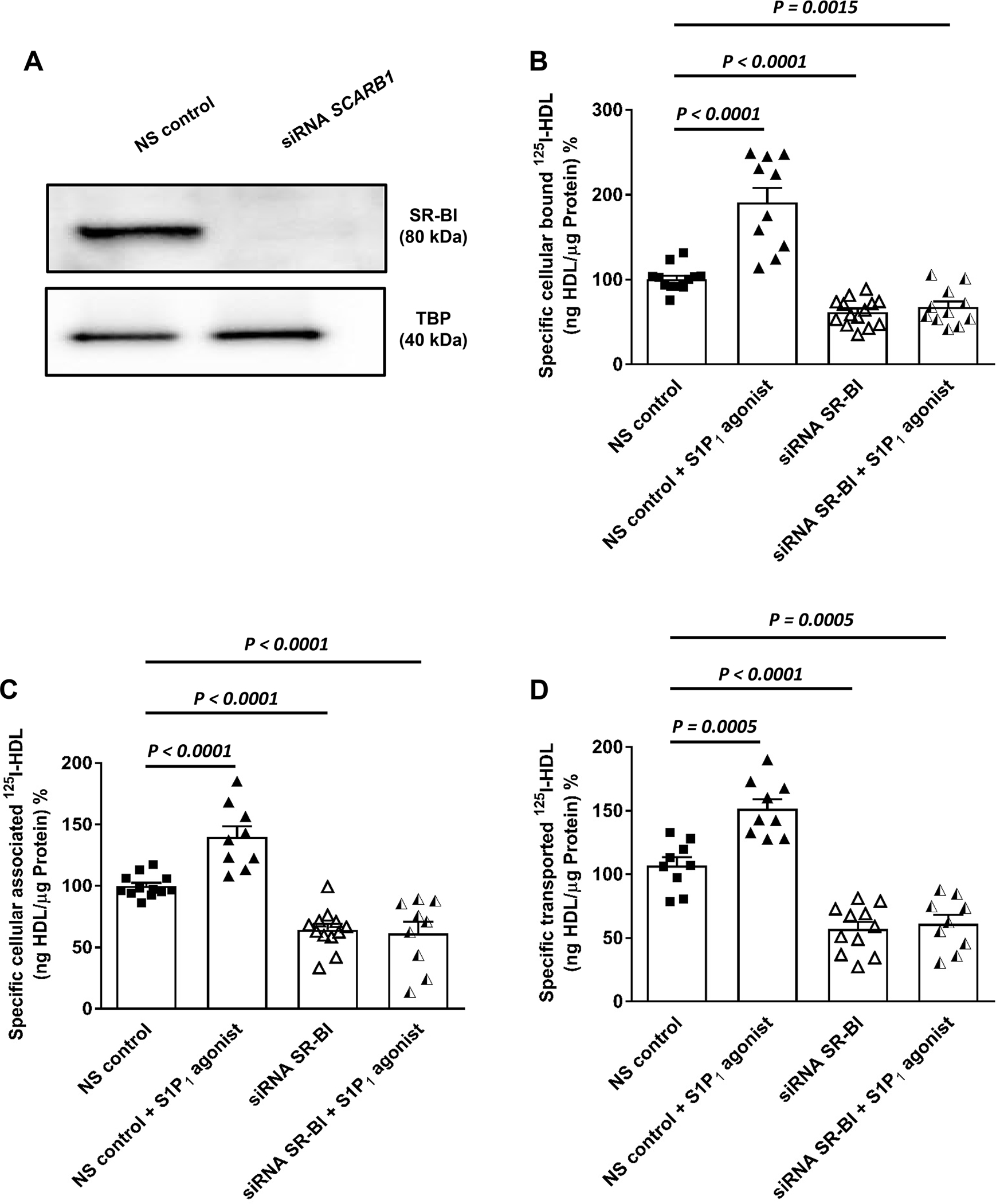
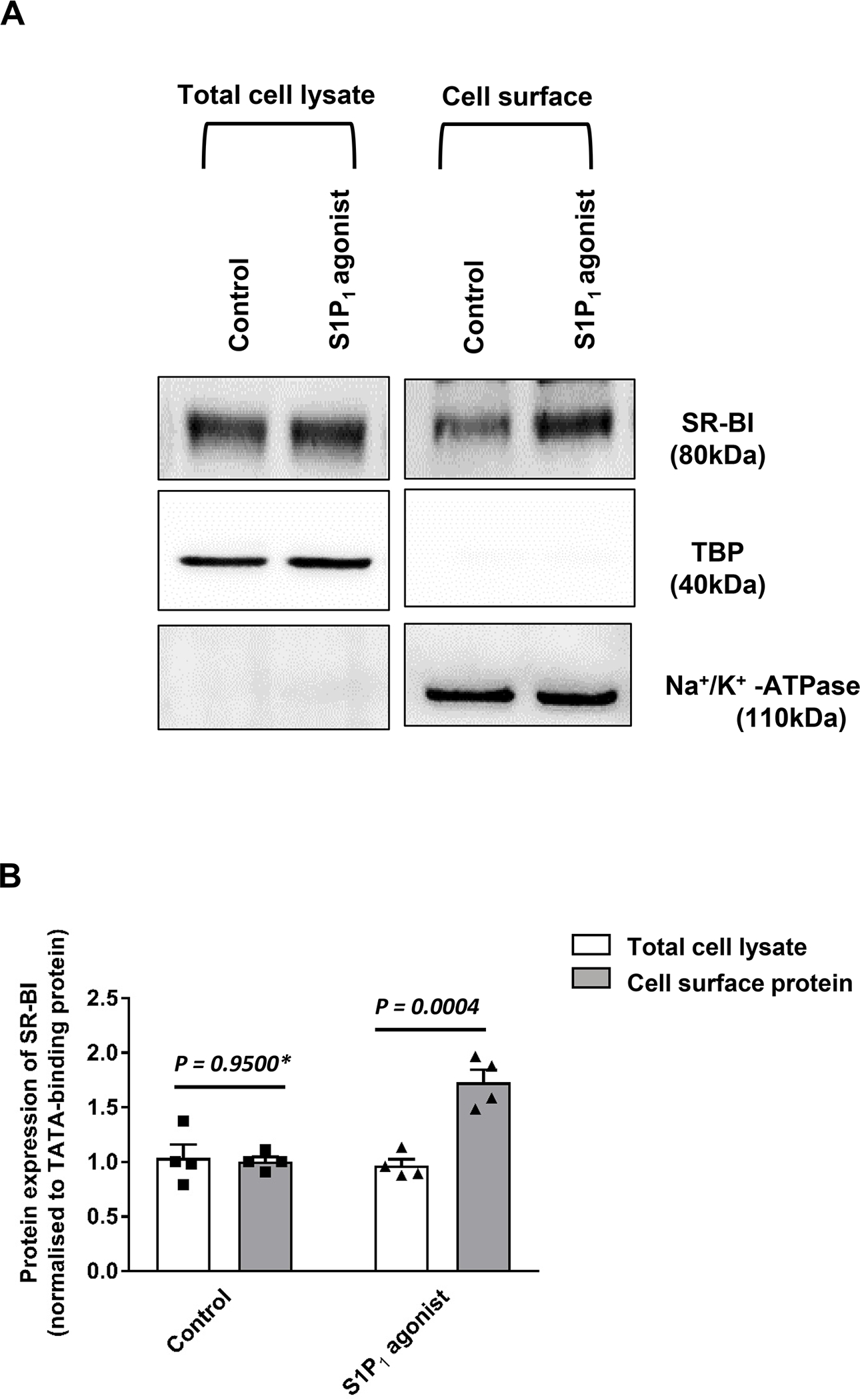
Objective: ApoM enriches S1P (sphingosine-1-phosphate) within HDL (high-density lipoproteins) and facilitates the activation of the S1P1 (S1P receptor type 1) by S1P, thereby preserving endothelial barrier function. Many protective functions exerted by HDL in extravascular tissues raise the question of how S1P regulates transendothelial HDL transport. Approach and Results: HDL were isolated from plasma of wild-type mice, Apom knockout mice, human apoM transgenic mice or humans and radioiodinated to trace its binding, association, and transport by bovine or human aortic endothelial cells. We also compared the transport of fluorescently-labeled HDL or Evans Blue, which labels albumin, from the tail vein into the peritoneal cavity of apoE-haploinsufficient mice with (apoE-haploinsufficient mice with endothelium-specific knockin of S1P1) or without (control mice, ie, apoE-haploinsufficient mice without endothelium-specific knockin of S1P1) endothelium-specific knockin of S1P1. The binding, association, and transport of HDL from Apom knockout mice and human apoM-depleted HDL by bovine aortic endothelial cells was significantly lower than that of HDL from wild-type mice and human apoM-containing HDL, respectively. The binding, uptake, and transport of 125I-HDL by human aortic endothelial cells was increased by an S1P1 agonist but decreased by an S1P1 inhibitor. Silencing of SR-BI (scavenger receptor BI) abrogated the stimulation of 125I-HDL transport by the S1P1 agonist. Compared with control mice, that is, apoE-haploinsufficient mice without endothelium-specific knockin of S1P1, apoE-haploinsufficient mice with endothelium-specific knockin of S1P1 showed decreased transport of Evans Blue but increased transport of HDL from blood into the peritoneal cavity and SR-BI expression in the aortal endothelium. Conclusions: ApoM and S1P1 promote transendothelial HDL transport. Their opposite effect on transendothelial transport of albumin and HDL indicates that HDL passes endothelial barriers by specific mechanisms rather than passive filtration.
载脂蛋白 M(ApoM)使 S1P(鞘氨醇-1-磷酸)在高密度脂蛋白(HDL)中富集,并促进 S1P 激活 S1P1(S1P 受体 1),从而维持内皮屏障功能。HDL 在血管外组织中发挥的许多保护功能引发了一个问题,即 S1P 如何调节跨内皮 HDL 转运。
从野生型小鼠、ApoM 基因敲除小鼠、人载脂蛋白 M 转基因小鼠或人类的血浆中分离 HDL,放射性碘标记以追踪其与牛或人主动脉内皮细胞的结合、关联和转运。我们还比较了从尾静脉进入载脂蛋白 E 半合子缺乏小鼠腹腔的荧光标记的 HDL 或 Evans Blue(标记白蛋白)的转运,这些小鼠分别具有(载脂蛋白 E 半合子缺乏小鼠的内皮细胞特异性 S1P1 敲入)或不具有(对照小鼠,即载脂蛋白 E 半合子缺乏小鼠的内皮细胞特异性 S1P1 敲除)内皮细胞特异性 S1P1 敲入。牛主动脉内皮细胞对 ApoM 基因敲除小鼠和人载脂蛋白 M 耗尽 HDL 的结合、关联和转运明显低于野生型小鼠和人载脂蛋白 M 含 HDL。S1P1 激动剂增加了 125I-HDL 与人类主动脉内皮细胞的结合、摄取和转运,而 S1P1 抑制剂则降低了结合、摄取和转运。SR-BI(清道夫受体 BI)沉默消除了 S1P1 激动剂对 125I-HDL 转运的刺激。与对照小鼠,即载脂蛋白 E 半合子缺乏小鼠的内皮细胞特异性 S1P1 敲除相比,载脂蛋白 E 半合子缺乏小鼠的内皮细胞特异性 S1P1 敲入显示 Evans Blue 的转运减少,但从血液进入腹腔的 HDL 转运增加,以及主动脉内皮细胞中 SR-BI 的表达增加。
ApoM 和 S1P1 促进跨内皮 HDL 转运。它们对白蛋白和 HDL 跨内皮转运的相反作用表明,HDL 通过特定机制而不是被动过滤穿过内皮屏障。