Vlaams Instituut voor Biotechnologie (VIB) Laboratory of Translational Immunomodulation, Vlaams Instituut voor Biotechnologie (VIB) Center for Inflammation Research (IRC), Hasselt University, Diepenbeek, Belgium.
Department of Immunology, Biomedical Research Institute, Hasselt University, Diepenbeek, Belgium.
Front Immunol. 2021 Aug 2;12:655122. doi: 10.3389/fimmu.2021.655122. eCollection 2021.
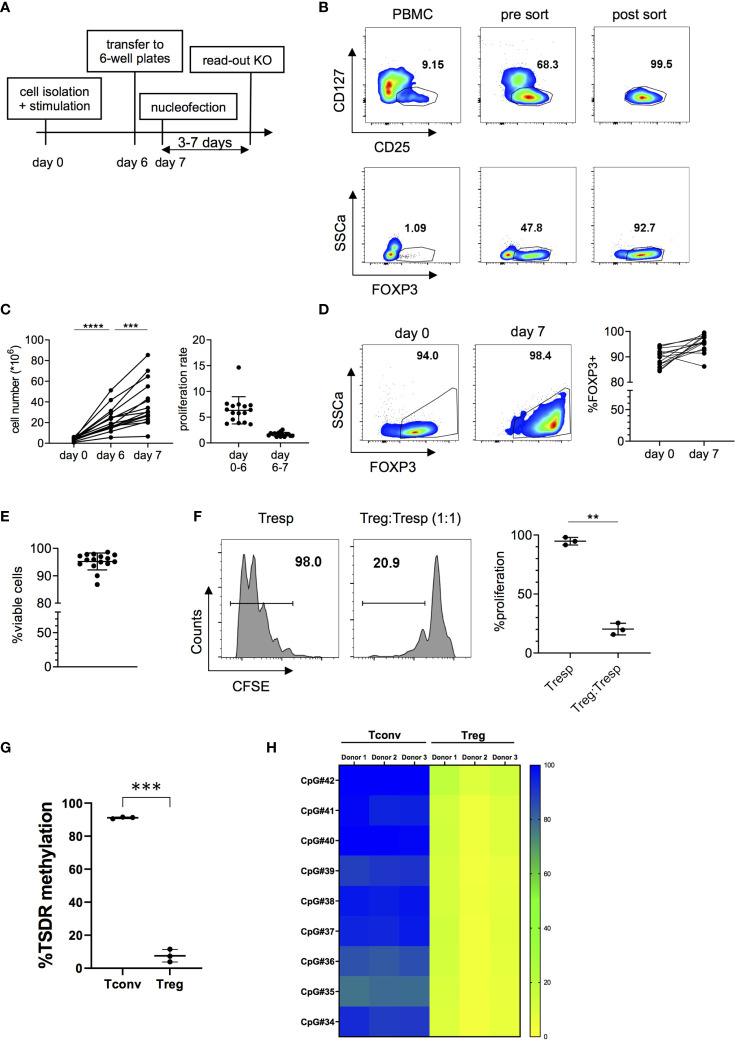
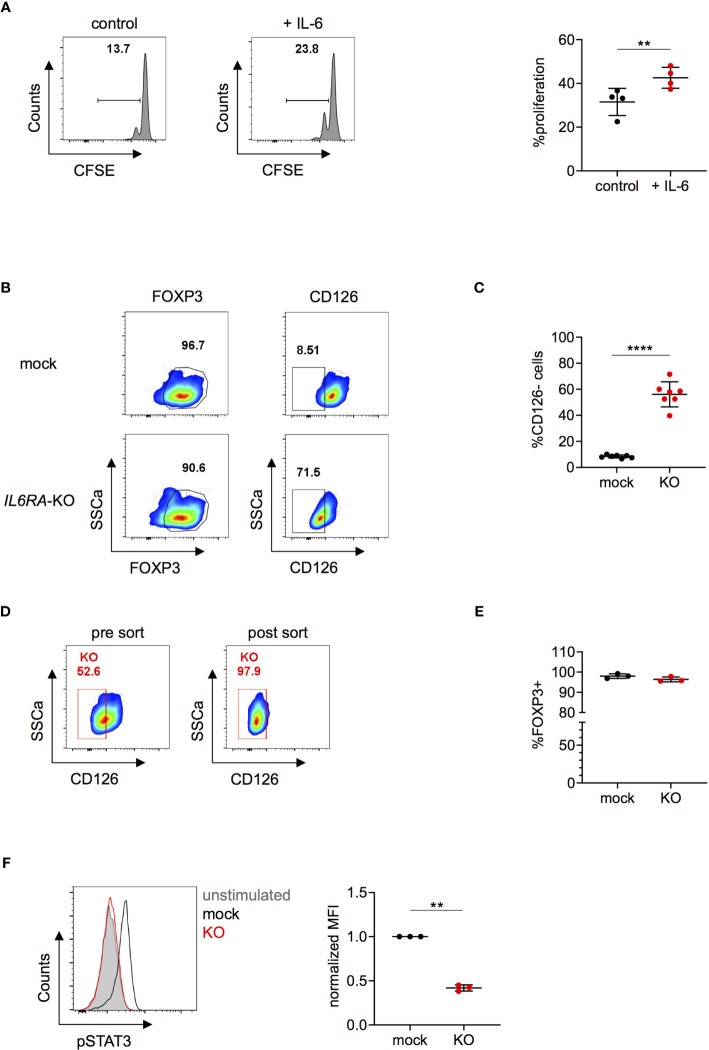
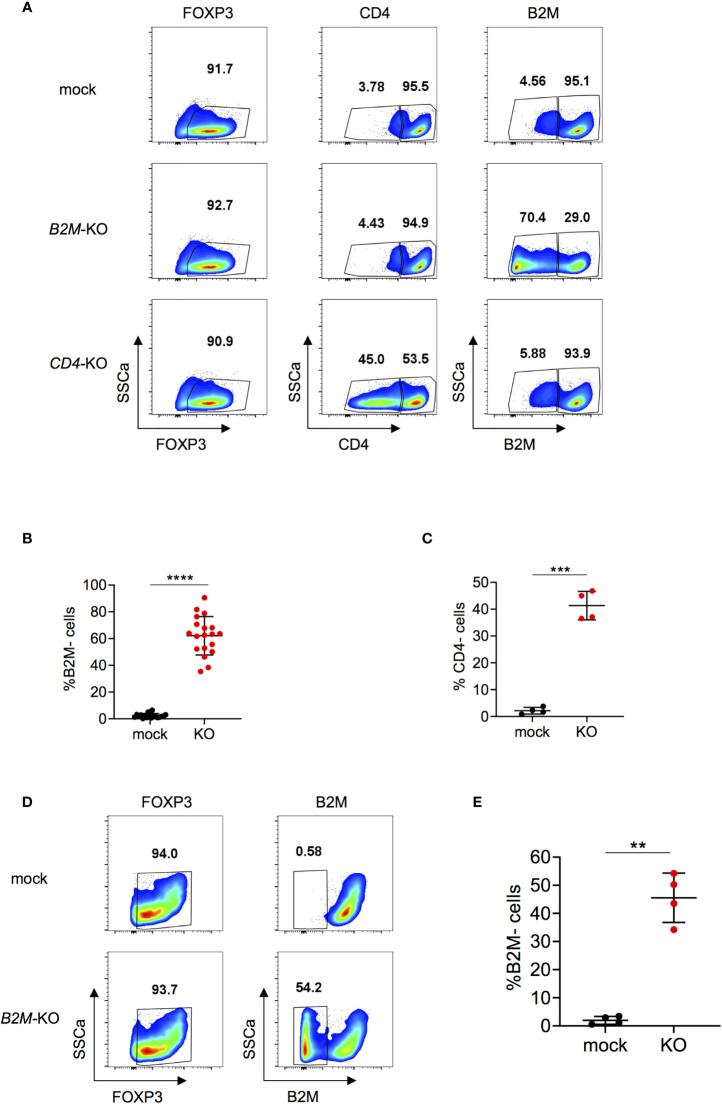
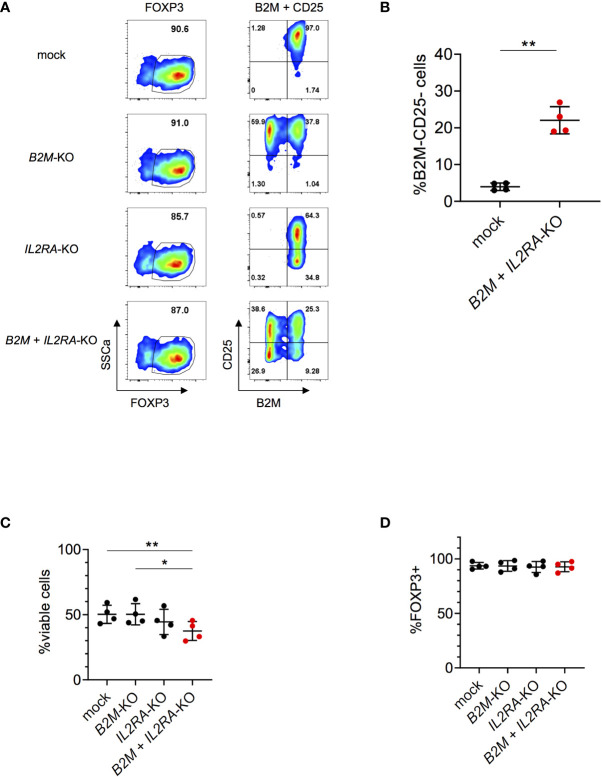
FOXP3 regulatory T cells (Tregs) are central for maintaining peripheral tolerance and immune homeostasis. Because of their immunosuppressive characteristics, Tregs are a potential therapeutic target in various diseases such as autoimmunity, transplantation and infectious diseases like COVID-19. Numerous studies are currently exploring the potential of adoptive Treg therapy in different disease settings and novel genome editing techniques like CRISPR/Cas will likely widen possibilities to strengthen its efficacy. However, robust and expeditious protocols for genome editing of human Tregs are limited. Here, we describe a rapid and effective protocol for reaching high genome editing efficiencies in human Tregs without compromising cell integrity, suitable for potential therapeutic applications. By deletion of encoding for IL-2 receptor α-chain (CD25) in Tregs, we demonstrated the applicability of the method for downstream functional assays and highlighted the importance for CD25 for suppressive function of human Tregs. Moreover, deletion of (CD126) in human Tregs elicits cytokine unresponsiveness and thus may prevent IL-6-mediated instability of Tregs, making it an attractive target to potentially boost functionality in settings of adoptive Treg therapies to contain overreaching inflammation or autoimmunity. Thus, our rapid and efficient protocol for genome editing in human Tregs may advance possibilities for Treg-based cellular therapies.
叉头框蛋白 3(FOXP3)+调节性 T 细胞(Tregs)对于维持外周耐受和免疫稳态至关重要。由于其免疫抑制特性,Tregs 是各种疾病(如自身免疫、移植和 COVID-19 等传染病)的潜在治疗靶点。目前,许多研究正在探索在不同疾病环境中过继性 Treg 治疗的潜力,而新型基因组编辑技术如 CRISPR/Cas 可能会扩大其疗效增强的可能性。然而,用于人 Tregs 基因组编辑的稳健且快速的方案受到限制。在这里,我们描述了一种快速有效的方法,可在不损害细胞完整性的情况下实现人 Tregs 的高效基因组编辑,适用于潜在的治疗应用。通过删除 Tregs 中的 IL-2 受体 α 链(CD25)编码,我们证明了该方法适用于下游功能测定,并且强调了 CD25 对于人 Tregs 的抑制功能的重要性。此外,删除人 Tregs 中的 CD126 可引起细胞因子无反应性,从而可能防止 Tregs 中 IL-6 介导的不稳定性,使其成为在过继性 Treg 治疗中增强功能的有吸引力的靶点,以控制过度炎症或自身免疫。因此,我们用于人 Tregs 基因组编辑的快速高效方案可能会推进基于 Treg 的细胞治疗的可能性。