Metibemu Damilohun Samuel, Akinloye Oluseyi Adeboye, Akamo Adio Jamiu, Okoye Jude Ogechukwu, Ojo David Ajiboye, Morifi Eric, Omotuyi Idowu Olaposi
Department of Biochemistry, Adekunle Ajasin University, Akungba-Akoko, Ondo State, Nigeria.
Department of Biochemistry, Federal University of Agriculture, Abeokuta, Nigeria.
Toxicol Rep. 2021 Feb 25;8:489-498. doi: 10.1016/j.toxrep.2021.02.011. eCollection 2021.
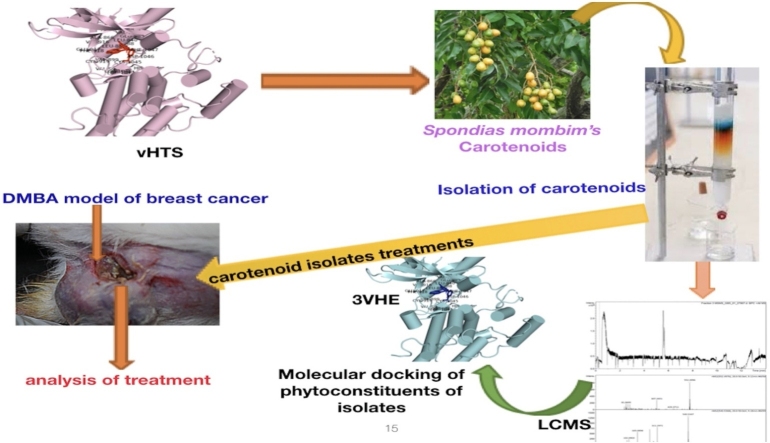
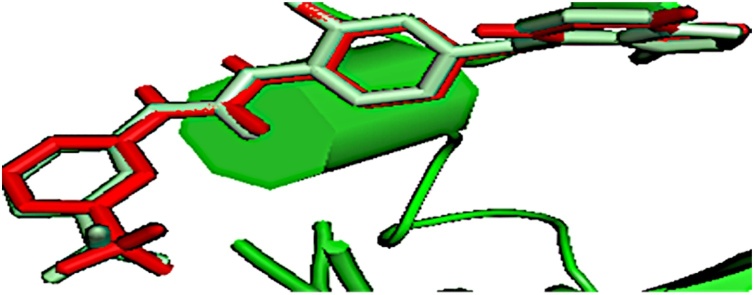
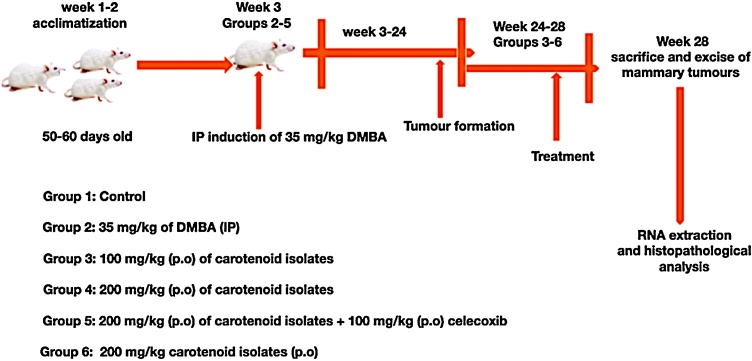
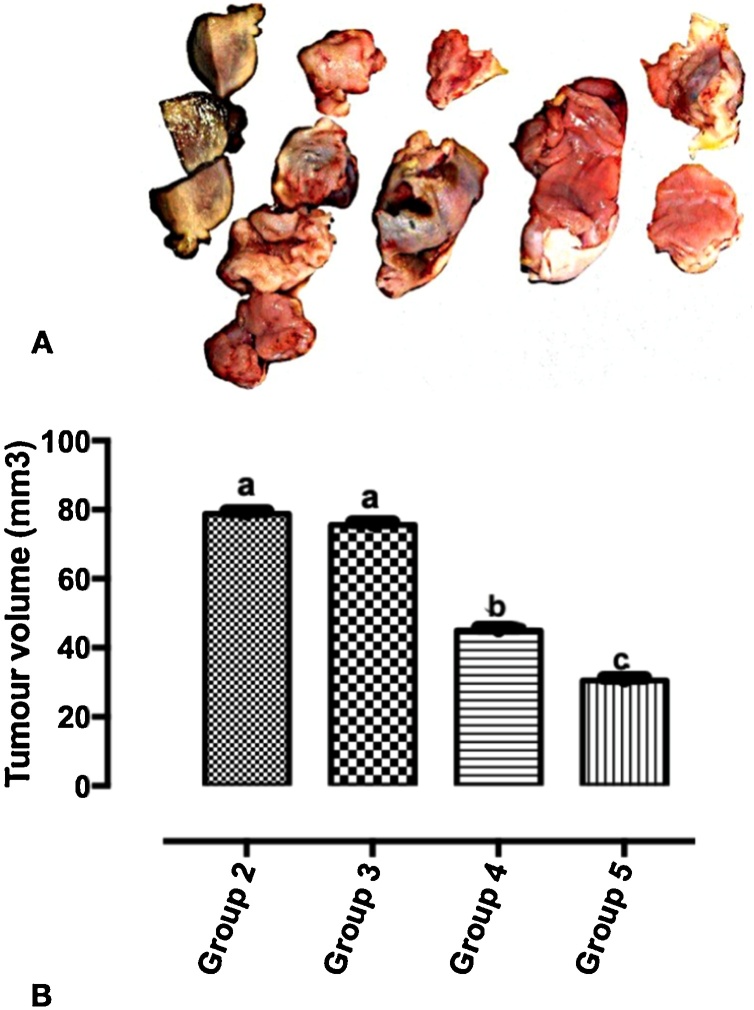
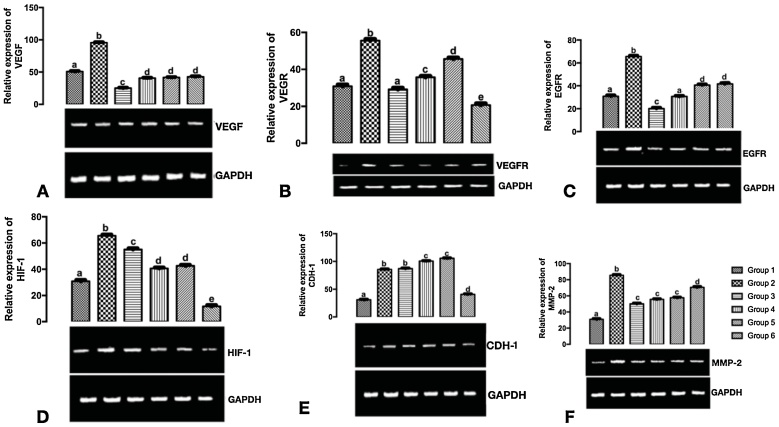
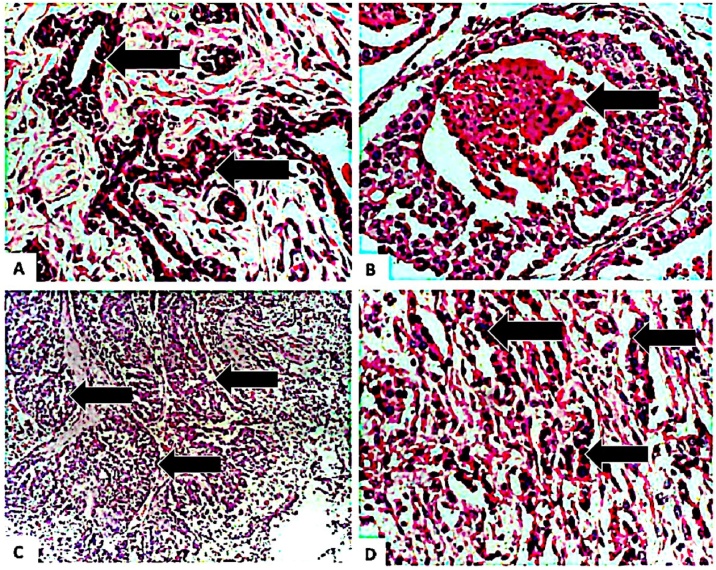
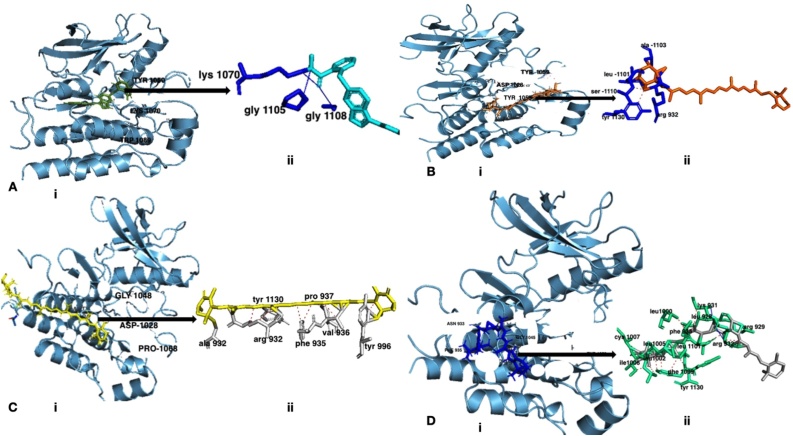
Vascular endothelial growth factor (VEGF) and its receptor-2 (VEGFR-2) mediated tumorigenesis, metastasis, and angiogenesis are the cause of the increased levels of mortality associated with breast cancer and other forms of cancer. Inhibition of VEGF and VEGFR-2 provides a great therapeutic option in the management of cancer. This study employed VEGFR-2 kinase domain inhibition as an anti-angiogenic scaffold and further validate the anti-angiogenic effects of the lead phytochemicals, carotenoids from in 7, 12-Dimethylbenz[a]anthracene (DMBA) model of breast carcinoma in Wistar rats. Phytochemicals characterized from 6 reported anti-cancer plants were screened against the VEGFR-2 kinase domain. The lead phytochemicals, carotenoids from were isolated and subjected to Liquid Chromatography-Electrospray Ionization-Mass Spectrometry (LC-ESI-MS) for characterization. The anti-angiogenic potentials of the carotenoid isolates were validated in the DMBA model of breast carcinoma in female Wistar rats through assessment of the expression of anti-angiogenic related mRNAs, histopathological analysis, and molecular docking. Treatment with carotenoid isolates (100 mg/kg and 200 mg/kg) significantly (p < 0.05) downregulated the expression of VEGF, VEGFR, Epidermal Growth Factor Receptor Hypoxia-Inducible Factor-1(), and Matrix Metalloproteinase-2 ) mRNAs in the mammary tumours, while the expression of Chromodomain Helicase DNA-Binding Protein-1 (CHD-1) mRNA was significantly (p < 0.05) upregulated. DMBA induced comedo and invasive ductal subtypes of breast carcinoma. The binding of astaxanthin, 7,7',8,8'-tetrahydro-β,β-carotene, and beta-carotene-15,15'-epoxide to the ATP binding site led to the DFG-out conformation with binding energies of -8.2 kcal/mol, -10.3 kcal/mol, and -10.5 kcal/mol respectively. Carotenoid isolates demonstrated anti-angiogenic and anti-proliferating potentials via VEGFR-2 kinase domain inhibition.
血管内皮生长因子(VEGF)及其受体-2(VEGFR-2)介导的肿瘤发生、转移和血管生成是导致乳腺癌及其他癌症死亡率上升的原因。抑制VEGF和VEGFR-2为癌症治疗提供了一个很好的选择。本研究采用VEGFR-2激酶结构域抑制作为抗血管生成支架,并在Wistar大鼠的7,12-二甲基苯并[a]蒽(DMBA)乳腺癌模型中进一步验证了主要植物化学物质(类胡萝卜素)的抗血管生成作用。针对6种已报道的抗癌植物的植物化学物质对VEGFR-2激酶结构域进行了筛选。分离出主要植物化学物质(类胡萝卜素),并通过液相色谱-电喷雾电离-质谱(LC-ESI-MS)进行表征。通过评估抗血管生成相关mRNA的表达、组织病理学分析和分子对接,在雌性Wistar大鼠的DMBA乳腺癌模型中验证了类胡萝卜素分离物的抗血管生成潜力。用类胡萝卜素分离物(100mg/kg和200mg/kg)处理可显著(p<0.05)下调乳腺肿瘤中VEGF、VEGFR、表皮生长因子受体、缺氧诱导因子-1()和基质金属蛋白酶-2()mRNA的表达,而染色体结构域解旋酶DNA结合蛋白-1(CHD-)mRNA的表达则显著(p<0.05)上调。DMBA诱导了乳腺癌的粉刺型和浸润性导管亚型。虾青素、7,7',8,8'-四氢-β,β-胡萝卜素和β-胡萝卜素-15,15'-环氧化物与ATP结合位点的结合导致DFG-out构象,结合能分别为-8.2kcal/mol、-10.3kcal/mol和-10.5kcal/mol。类胡萝卜素分离物通过抑制VEGFR-2激酶结构域表现出抗血管生成和抗增殖潜力。