Department of Medical Oncology, the First Hospital of China Medical University, Shenyang, China.
Key Laboratory of Anticancer Drugs and Biotherapy of Liaoning Province, the First Hospital of China Medical University, Shenyang, China.
Hereditas. 2021 Aug 19;158(1):30. doi: 10.1186/s41065-021-00193-x.
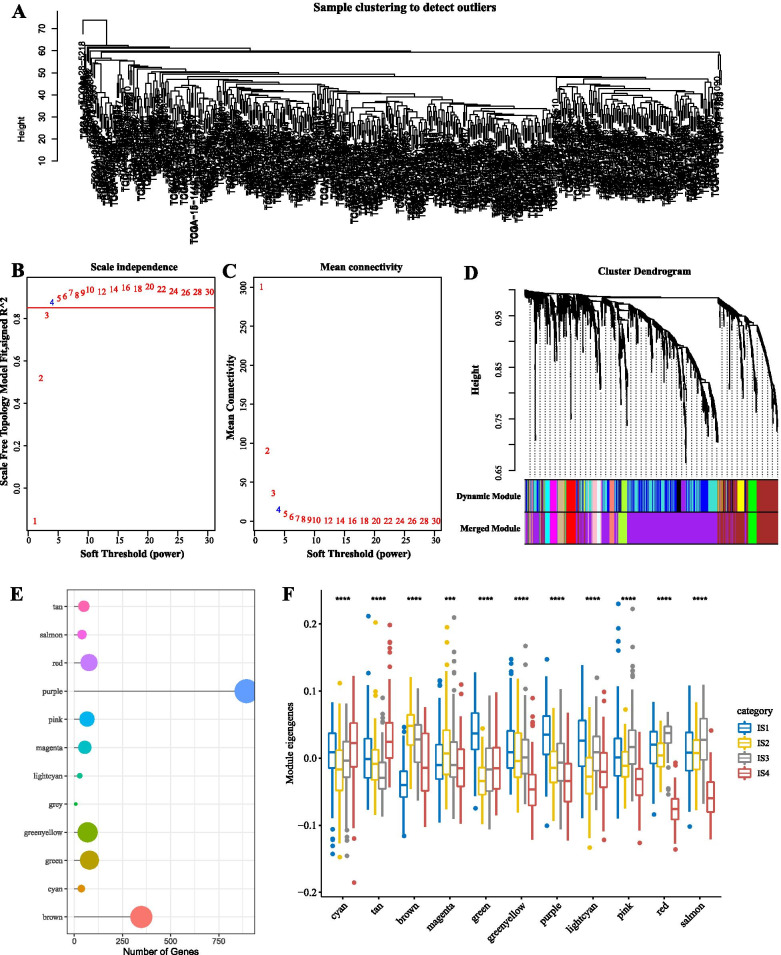
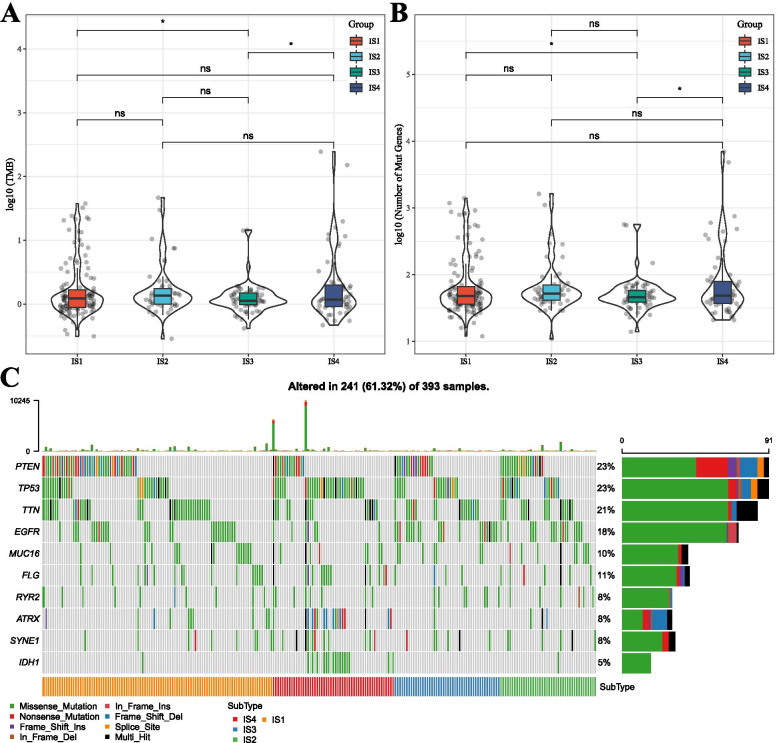
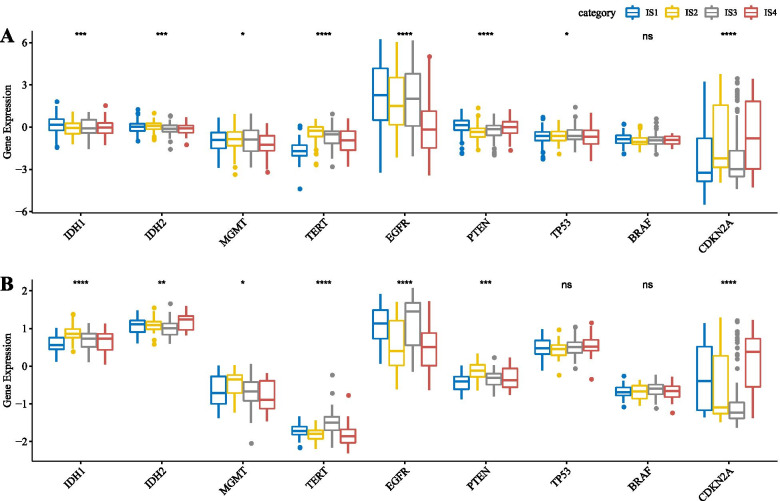
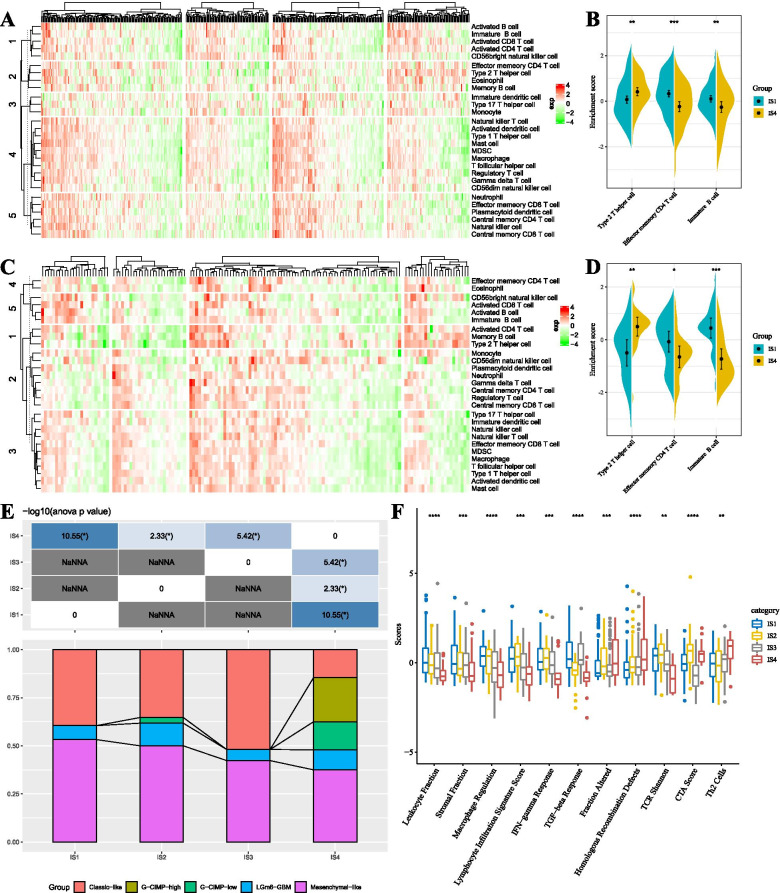
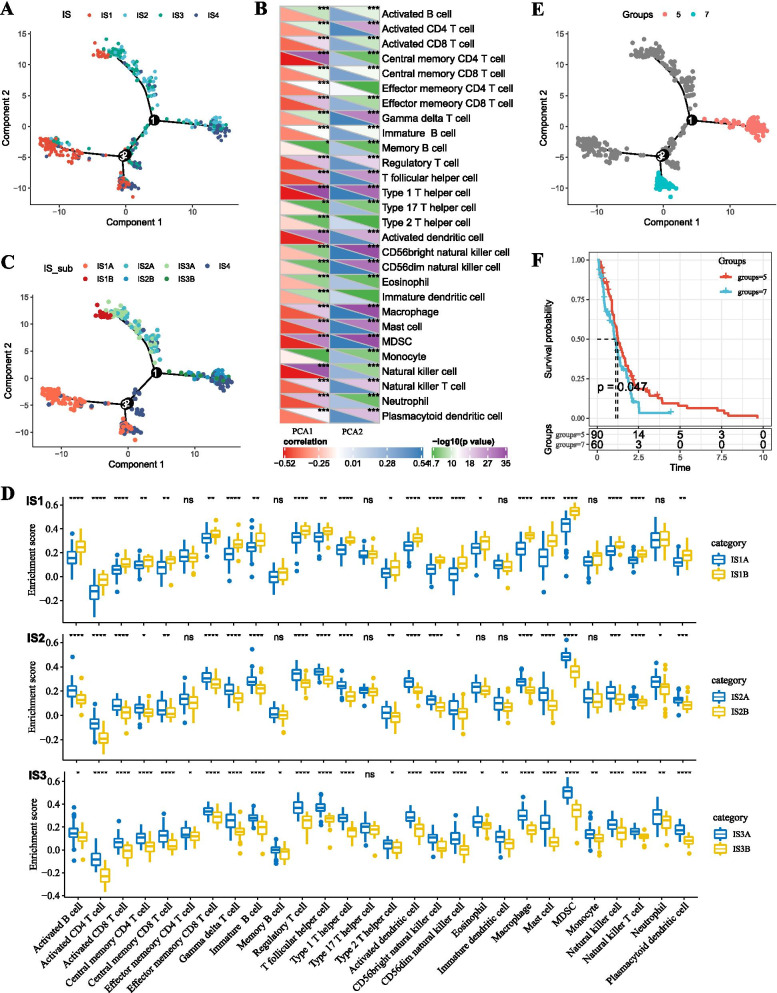
Glioblastomas (GBM) are the most common primary brain malignancy and also the most aggressive one. In addition, GBM have to date poor treatment options. Therefore, understanding the GBM microenvironment may help to design immunotherapy treatments and rational combination strategies. In this study, the gene expression profiles and clinical follow-up data were downloaded from TCGA-GBM, and the molecular subtypes were identified using ConsensusClusterPlus. Univariate and multivariate Cox regression were used to evaluate the prognostic value of immune subtypes. The Graph Structure Learning method was used for dimension reduction to reveal the internal structure of the immune system. A Weighted Correlation Network Analysis (WGCNA) was used to identify immune-related gene modules. Four immune subtypes (IS1, IS2, IS3, IS4) with significant prognosis differences were obtained. Interestingly, IS4 had the highest mutation rate. We also found significant differences in the distribution of the four subtypes at immune checkpoints, molecular markers, and immune characteristics. WGCNA identified 11 co-expressed module genes, and there were significant differences among the four subtypes. Finally, CD1A, CD1E, and IL23R genes with significant prognostic significance were selected as the final feature genes in the brown module. Overall, this study provided a conceptual framework for understanding the tumor immune microenvironment of GBM.
胶质母细胞瘤(GBM)是最常见的原发性脑恶性肿瘤,也是侵袭性最强的肿瘤。此外,到目前为止,GBM 的治疗选择有限。因此,了解 GBM 微环境有助于设计免疫疗法治疗和合理的联合策略。在这项研究中,从 TCGA-GBM 下载了基因表达谱和临床随访数据,并使用 ConsensusClusterPlus 确定了分子亚型。单变量和多变量 Cox 回归用于评估免疫亚型的预后价值。Graph Structure Learning 方法用于降维以揭示免疫系统的内部结构。使用加权相关网络分析(WGCNA)识别免疫相关基因模块。获得了具有显著预后差异的四个免疫亚型(IS1、IS2、IS3、IS4)。有趣的是,IS4 的突变率最高。我们还发现四个亚型在免疫检查点、分子标志物和免疫特征方面的分布存在显著差异。WGCNA 鉴定了 11 个共表达模块基因,四个亚型之间存在显著差异。最后,选择具有显著预后意义的 CD1A、CD1E 和 IL23R 基因作为棕色模块的最终特征基因。总的来说,这项研究为理解 GBM 的肿瘤免疫微环境提供了一个概念框架。