Department of Neurosurgery, Guangdong Provincial People's Hospital, Guangdong Academy of Medical Sciences, Guangzhou, China.
Department of Head and Neck Surgery, Cancer Hospital of Shantou University Medical College, Shantou, China.
Front Immunol. 2022 Feb 2;13:773264. doi: 10.3389/fimmu.2022.773264. eCollection 2022.
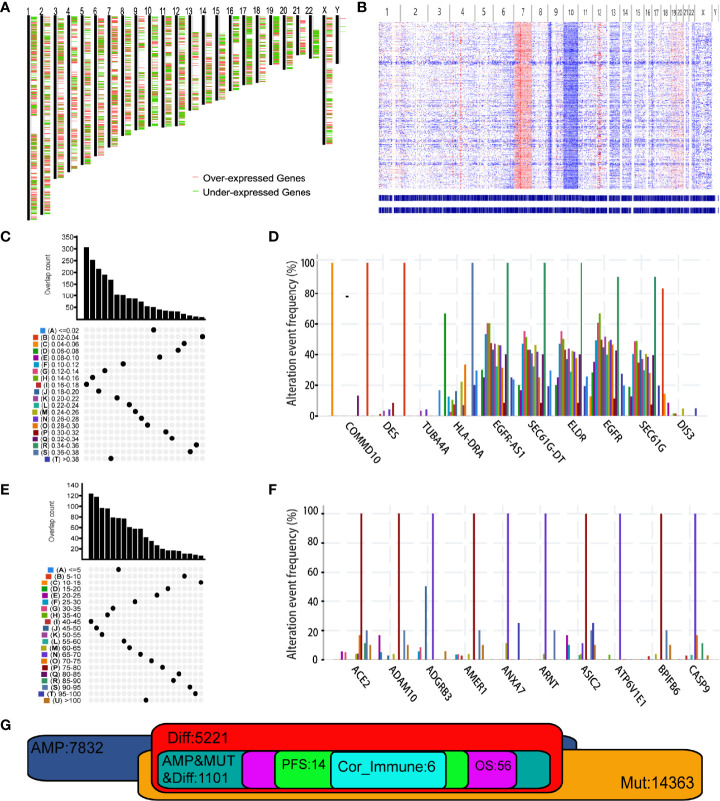
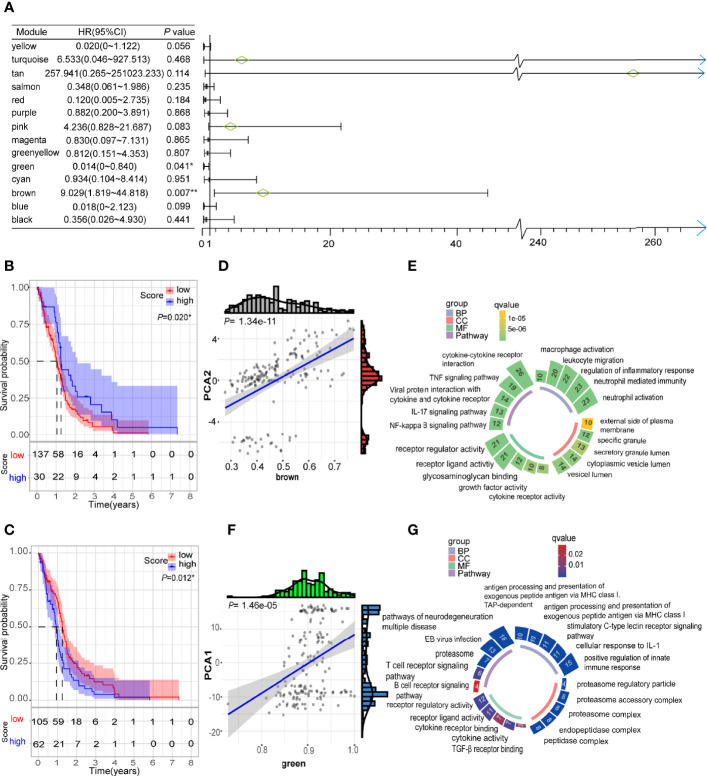
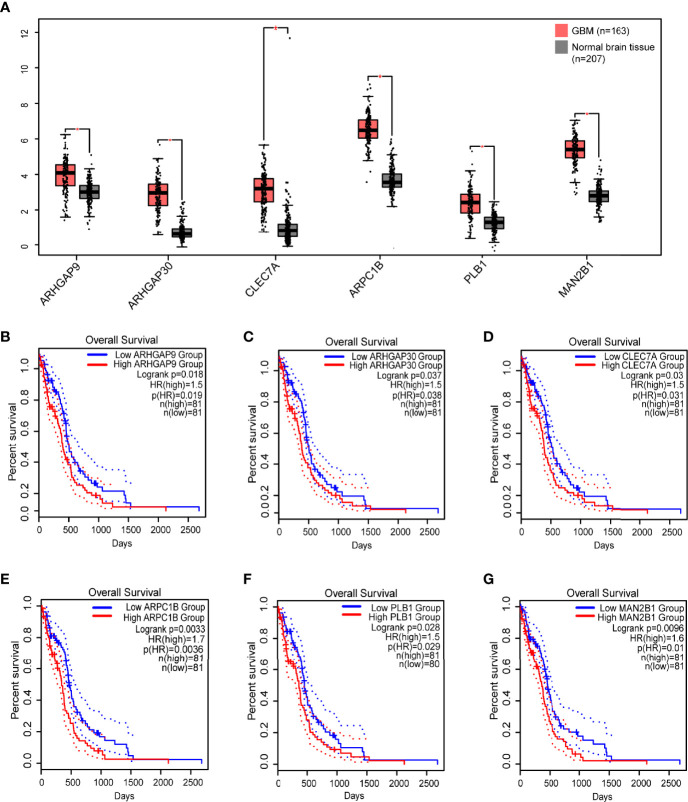
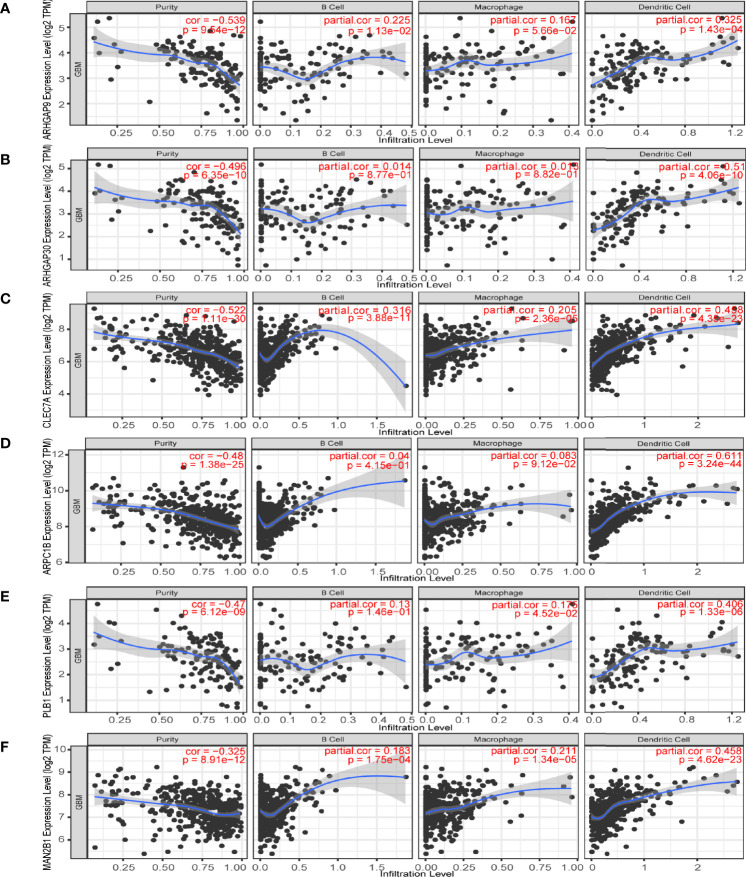
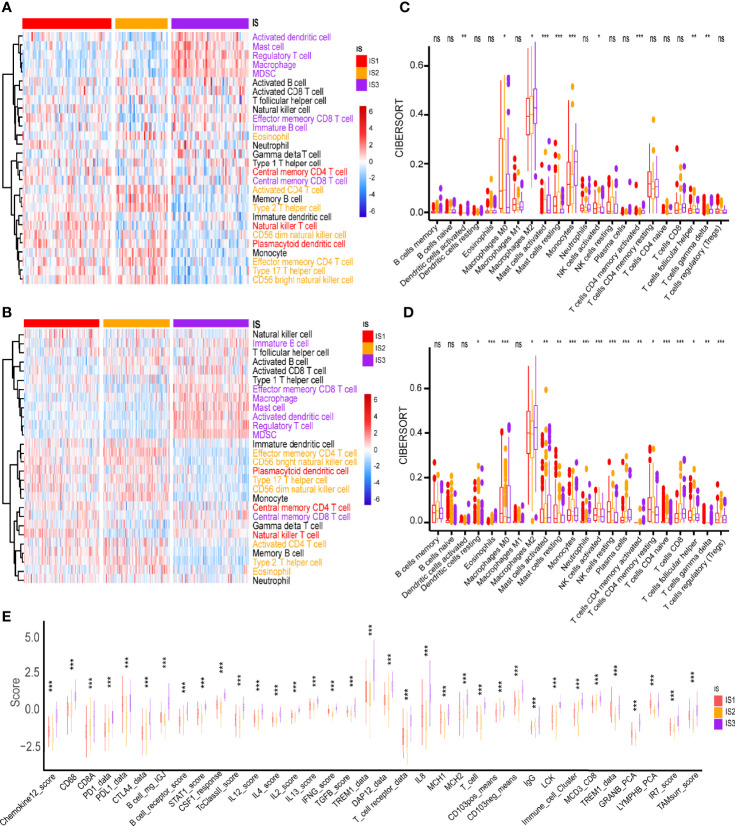
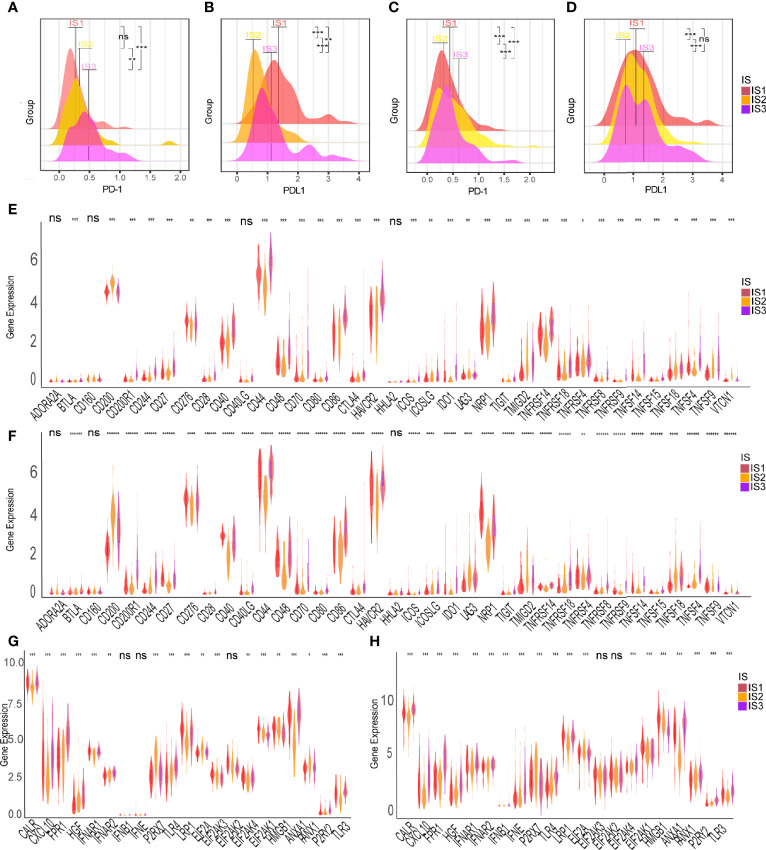
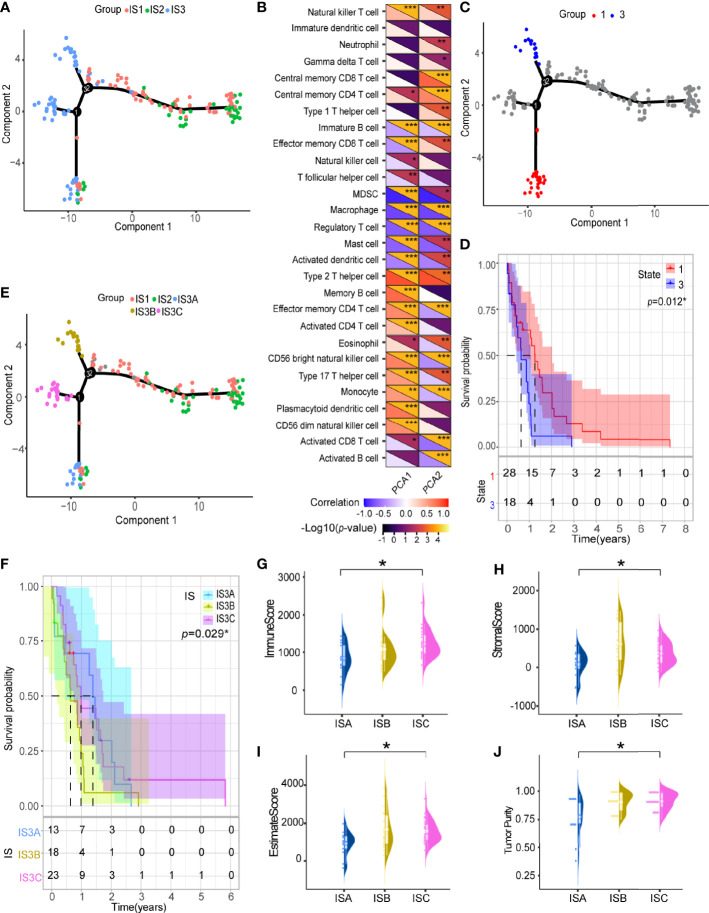
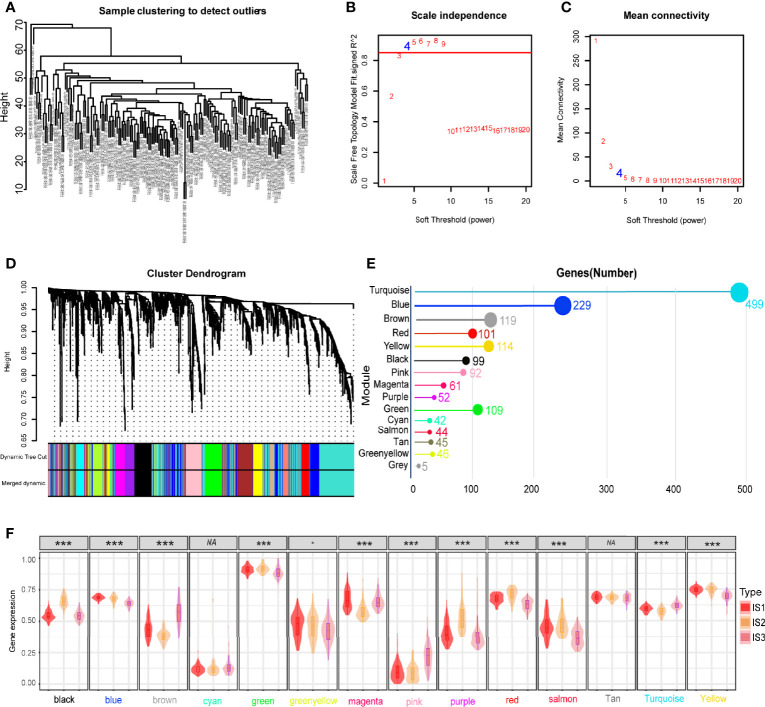
The use of vaccines for cancer therapy is a promising immunotherapeutic strategy that has been shown to be effective against various cancers. Vaccines directly target tumors but their efficacy against glioblastoma multiforme (GBM) remains unclear. Immunotyping that classifies tumor samples is considered to be a biomarker for immunotherapy. This study aimed to identify potential GBM antigens suitable for vaccine development and develop a tool to predict the response of GBM patients to vaccination based on the immunotype. Gene Expression Profiling Interactive Analysis (GEPIA) was applied to evaluate the expression profile of GBM antigens and their influence on clinical prognosis, while the cBioPortal program was utilized to integrate and analyze genetic alterations. The correlation between antigens and antigen processing cells was assessed using TIMER. RNA-seq data of GBM samples and their corresponding clinical data were downloaded from the Cancer Genome Atlas (TCGA) and the Chinese Glioma Genome Atlas (CGGA) for further clustering analysis. Six overexpressed and mutated tumor antigens (ARHGAP9, ARHGAP30, CLEC7A, MAN2B1, ARPC1B and PLB1) were highly correlated with the survival rate of GBM patients and the infiltration of antigen presenting cells in GBMs. With distinct cellular and molecular characteristics, three immune subtypes (IS1-IS3) of GBMs were identified and GBMs from IS3 subtype were more likely to benefit from vaccination. Through graph learning-based dimensional reduction, immune landscape was depicted and revealed the existence of heterogeneity among individual GBM patients. Finally, WGCNA can identify potential vaccination biomarkers by clustering immune related genes. In summary, the six tumor antigens are potential targets for developing anti-GBMs mRNA vaccine, and the immunotypes can be used for evaluating vaccination response.
癌症治疗用疫苗是一种很有前途的免疫治疗策略,已被证明对多种癌症有效。疫苗直接针对肿瘤,但它们对多形性胶质母细胞瘤(GBM)的疗效仍不清楚。免疫分型被认为是免疫治疗的生物标志物。本研究旨在确定适合疫苗开发的潜在 GBM 抗原,并开发一种工具,根据免疫类型预测 GBM 患者对疫苗接种的反应。应用基因表达谱交互分析(GEPIA)评估 GBM 抗原的表达谱及其对临床预后的影响,同时利用 cBioPortal 程序整合和分析遗传改变。使用 TIMER 评估抗原与抗原处理细胞之间的相关性。从癌症基因组图谱(TCGA)和中国胶质瘤基因组图谱(CGGA)下载 GBM 样本及其相应的临床数据的 RNA-seq 数据进行进一步聚类分析。六个过表达和突变的肿瘤抗原(ARHGAP9、ARHGAP30、CLEC7A、MAN2B1、ARPC1B 和 PLB1)与 GBM 患者的生存率和 GBM 中抗原呈递细胞的浸润高度相关。通过对 GBM 进行聚类分析,确定了具有不同细胞和分子特征的三种免疫亚型(IS1-IS3),IS3 亚型的 GBM 更有可能从疫苗接种中受益。通过基于图学习的降维,描绘了免疫图谱,揭示了个体 GBM 患者之间存在异质性。最后,WGCNA 可以通过聚类免疫相关基因来识别潜在的疫苗接种生物标志物。总之,这六个肿瘤抗原是开发抗 GBMs mRNA 疫苗的潜在靶点,免疫分型可用于评估疫苗接种反应。