Environmental Engineering and Management, Department of Civil Engineering, Indian Institute of Technology Kharagpur, Kharagpur 721302, West Bengal, India.
School of Environmental Science and Engineering, Indian Institute of Technology Kharagpur, Kharagpur 721302, West Bengal, India.
Sci Total Environ. 2021 Dec 15;800:149605. doi: 10.1016/j.scitotenv.2021.149605. Epub 2021 Aug 12.
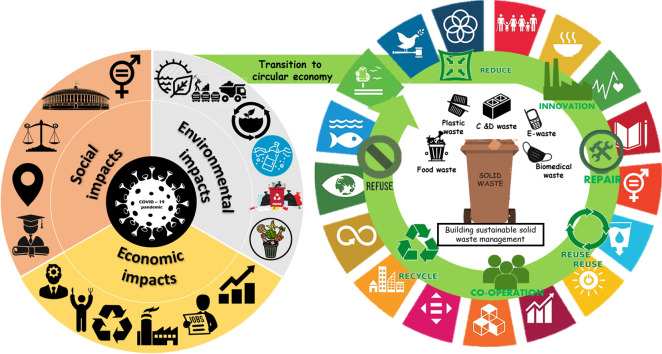
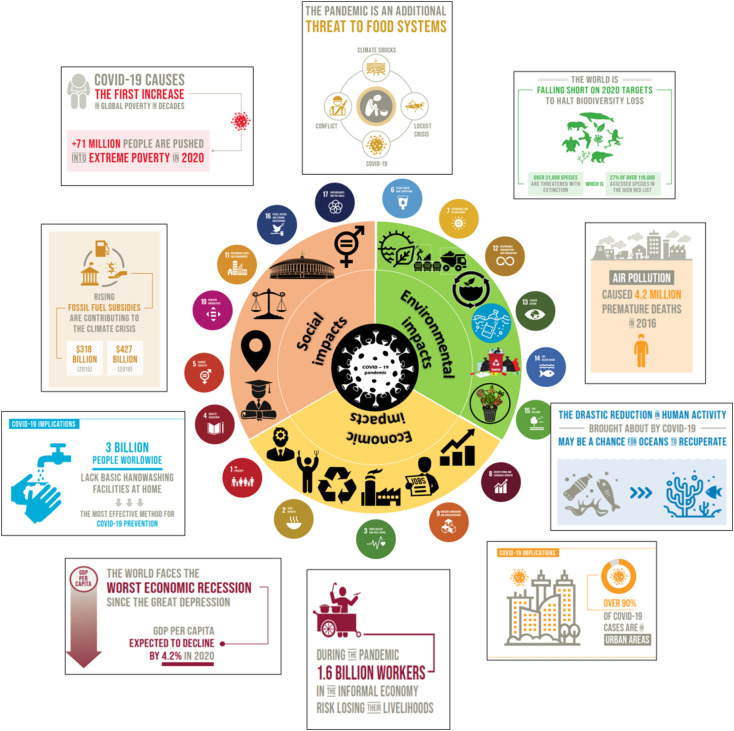
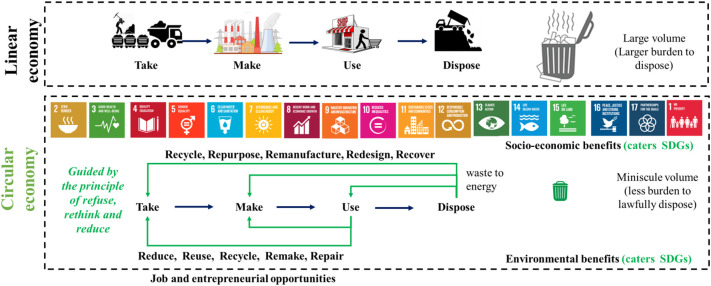
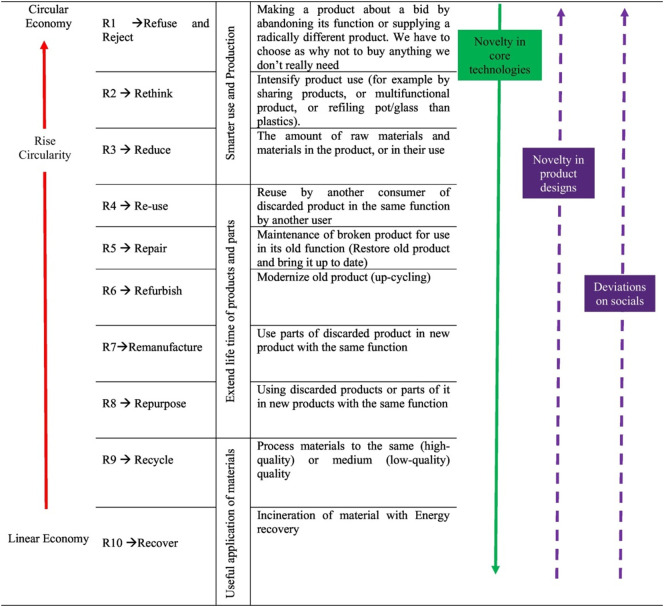
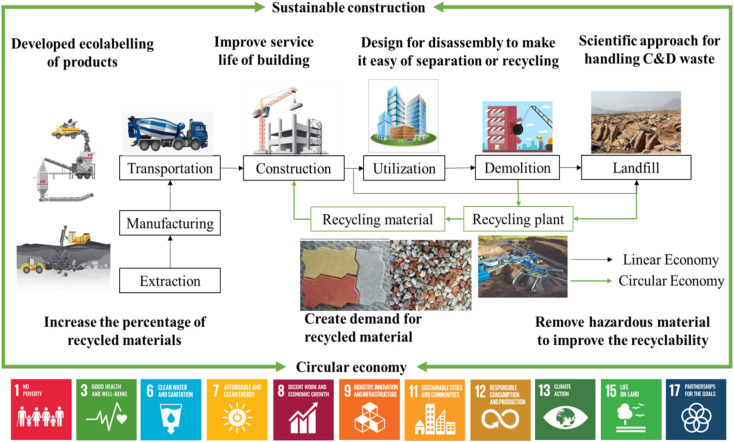
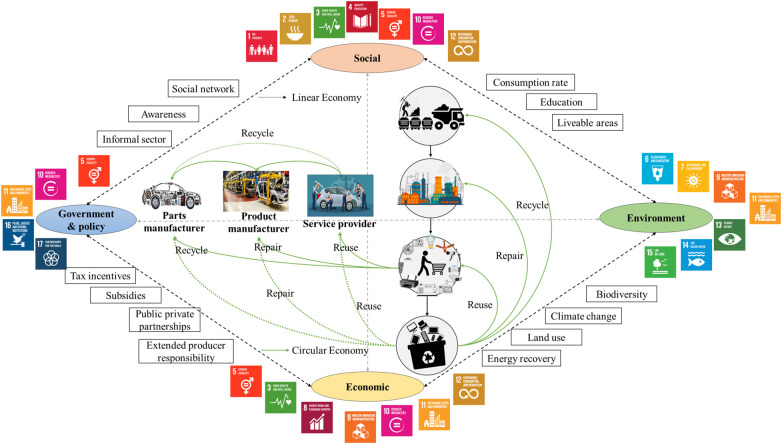
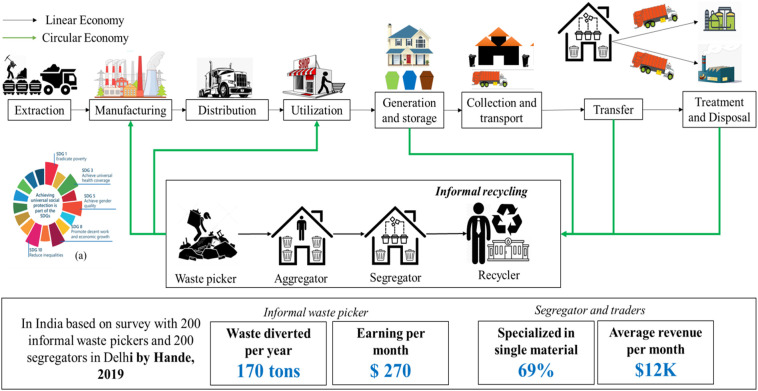
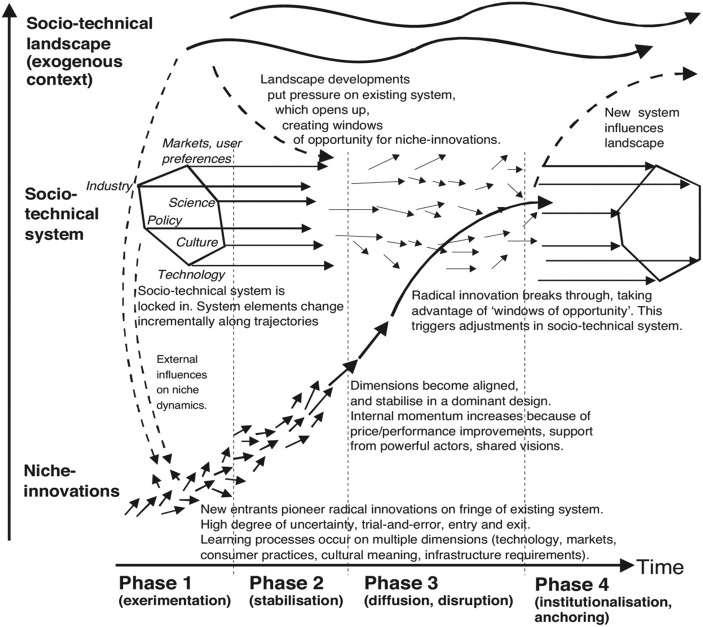
The COVID-19 pandemic and the ensuing socioeconomic crisis has impeded progress towards the UN Sustainable Development Goals (UN-SDGs). This paper investigates the impact of COVID 19 on the progress of the SDGs and provides insight into how green recovery stimulus, driven by circular economy (CE)-based solid waste management (SWM) could assist in attaining the intended targets of UN-SDG. It was understood in this review that the guiding principles of the UN-SDGs such as, public health, environmental concerns, resource value and economic development are similar to those that have driven the growth of waste management activities; thus, in order to achieve the goals of UN-SDG, a circular economy approach in solid waste management system should be prioritized in the post-COVID economic agenda. However, policy, technology and public involvement issues may hinder the shift to the CE model; therefore, niche growth might come from developing distinctive waste management-driven green jobs, formalizing informal waste pickers and by focusing in education and training of informal worker. The review also emphasized in creating green jobs by investing in recycling infrastructure which would enable us to address the climate change related concerns which is one of the key target of UN- SDG. The CE-based product designs and business models would emphasize multifunctional goods, extending the lifespan of products and their parts, and intelligent manufacturing to help the public and private sectors maximise product utility (thus reducing waste generation) while providing long-term economic and environmental benefits. The study also recommended strong policies that prioritized investments in decentralization of solid waste systems, localization of supply chains, recycling and green recovery, information sharing, and international collaboration in order to achieve the UN-SDGs.
**新冠疫情和随之而来的社会经济危机阻碍了联合国可持续发展目标(UN-SDGs)的进展。**本文研究了 COVID-19 对可持续发展目标进展的影响,并深入探讨了基于循环经济(CE)的固体废物管理(SWM)的绿色复苏刺激措施如何有助于实现 UN-SDG 的预期目标。通过本次综述可以了解到,UN-SDG 的指导原则,如公共卫生、环境问题、资源价值和经济发展,与推动废物管理活动增长的原则相似;因此,为了实现 UN-SDG 的目标,应该在新冠疫情后的经济议程中优先考虑固体废物管理系统的循环经济方法。然而,政策、技术和公众参与问题可能会阻碍向 CE 模式的转变;因此,独特的废物管理驱动型绿色就业机会的发展、规范非正规拾荒者以及注重非正规工人的教育和培训可能会带来利基增长。该综述还强调,通过投资回收基础设施来创造绿色就业机会,这将使我们能够解决与气候变化相关的问题,这是 UN-SDG 的关键目标之一。基于 CE 的产品设计和商业模式将强调多功能产品,延长产品及其部件的使用寿命,并采用智能制造,帮助公共和私营部门最大限度地提高产品的实用性(从而减少废物的产生),同时提供长期的经济和环境效益。该研究还建议采取强有力的政策,优先投资固体废物系统的分散化、供应链的本地化、回收和绿色复苏、信息共享以及国际合作,以实现 UN-SDG。