Grenoble Alpes University, CEA, CNRS, IRIG-SyMMES, 17 Rue des Martyrs, 38000 Grenoble, France.
Grenoble Alpes University, CNRS, LIPhy, 38000 Grenoble, France.
Biosensors (Basel). 2021 Jul 23;11(8):244. doi: 10.3390/bios11080244.
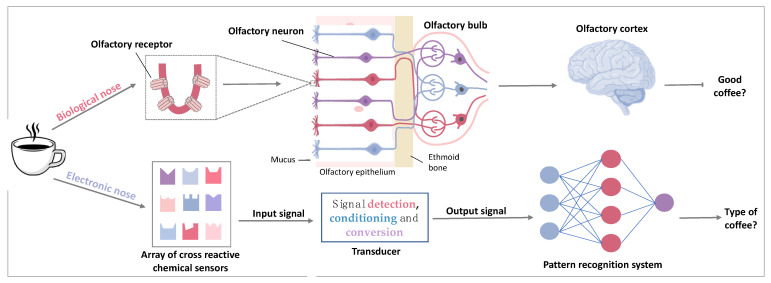
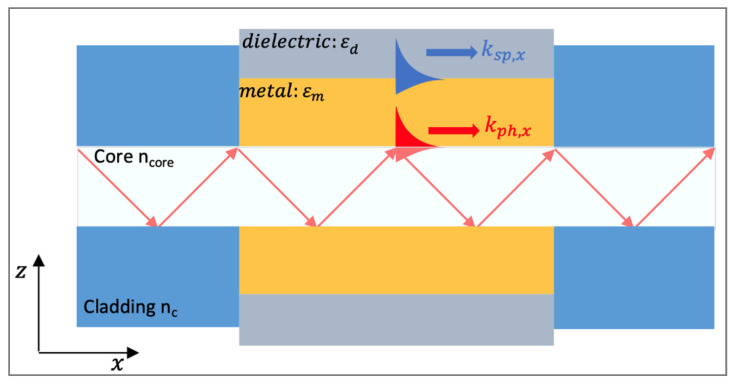
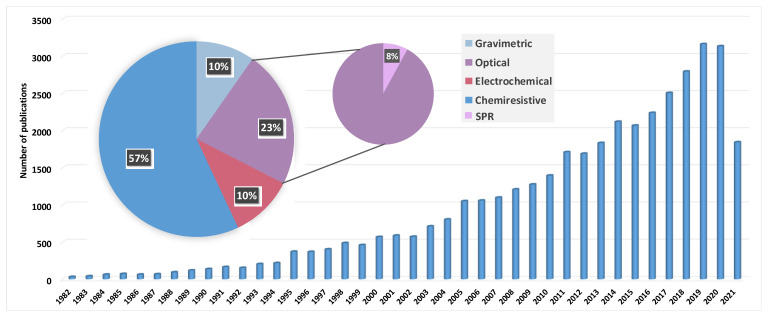
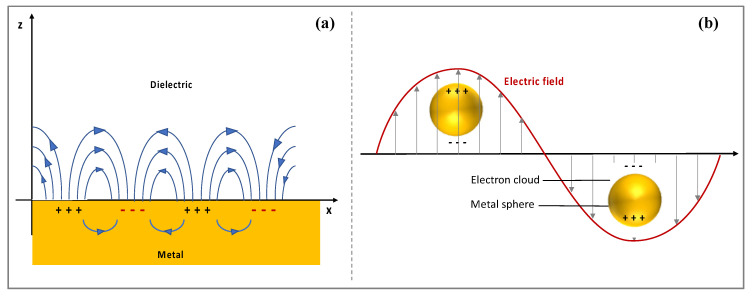
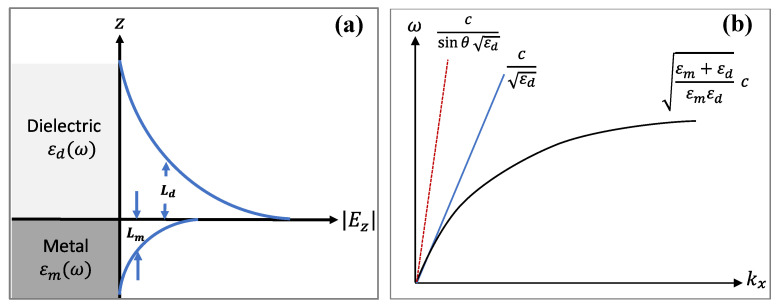
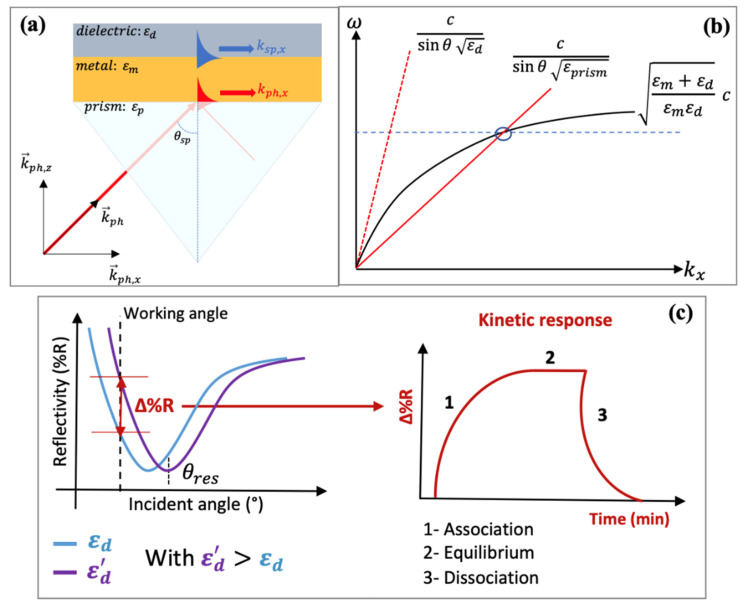
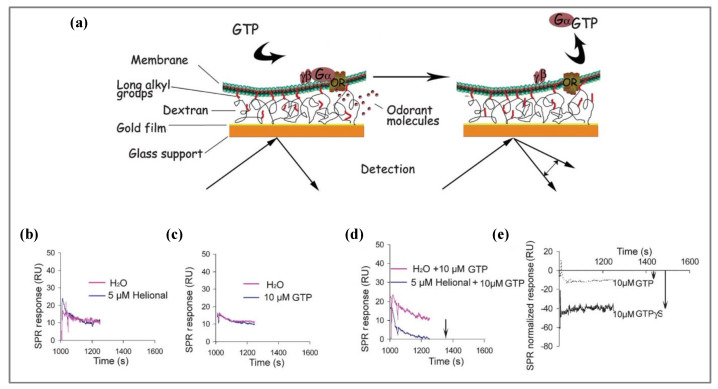
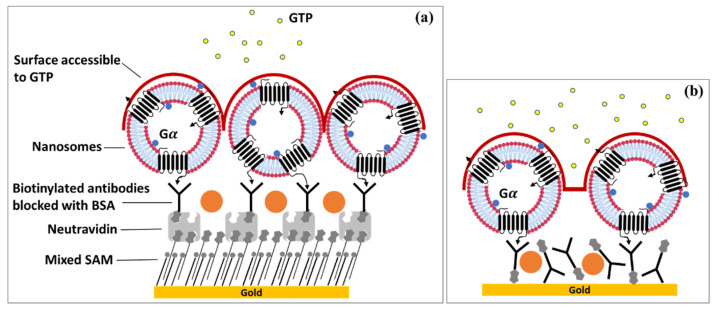
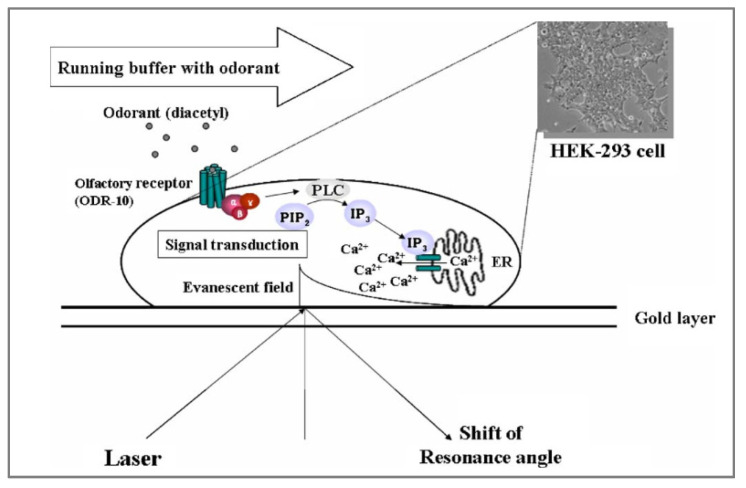
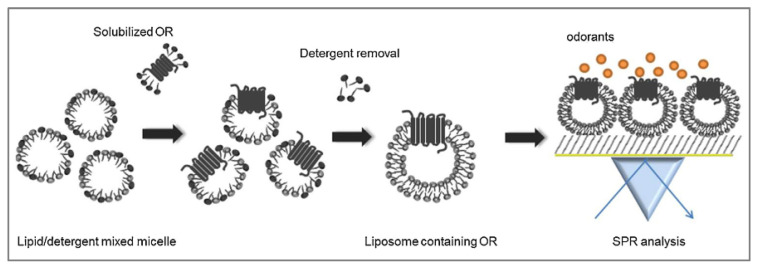
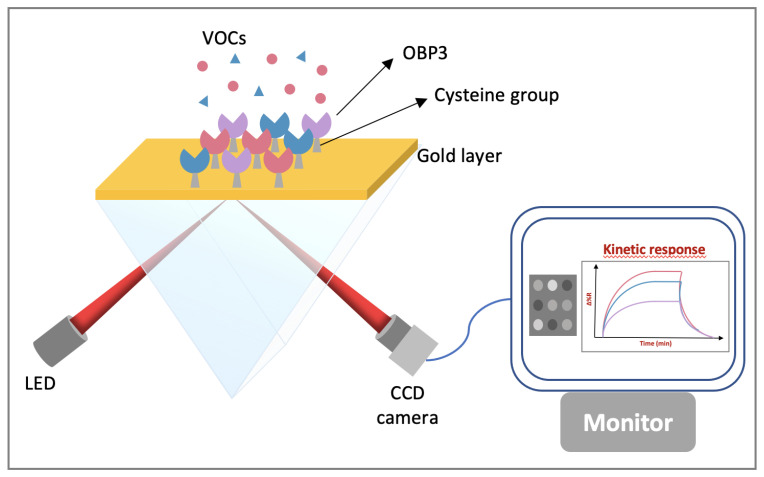
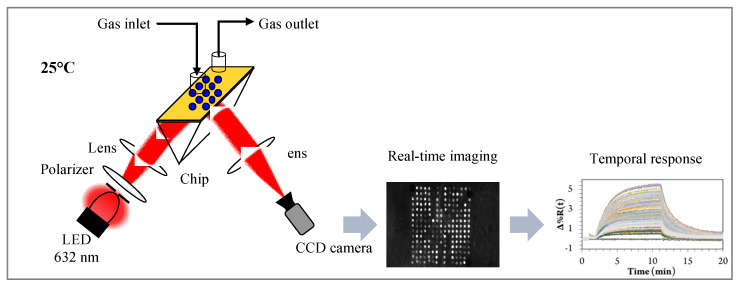
The last three decades have witnessed an increasing demand for novel analytical tools for the analysis of gases including odorants and volatile organic compounds (VOCs) in various domains. Traditional techniques such as gas chromatography coupled with mass spectrometry, although very efficient, present several drawbacks. Such a context has incited the research and industrial communities to work on the development of alternative technologies such as artificial olfaction systems, including gas sensors, olfactory biosensors and electronic noses (eNs). A wide variety of these systems have been designed using chemiresistive, electrochemical, acoustic or optical transducers. Among optical transduction systems, surface plasmon resonance (SPR) has been extensively studied thanks to its attractive features (high sensitivity, label free, real-time measurements). In this paper, we present an overview of the advances in the development of artificial olfaction systems with a focus on their development based on propagating SPR with different coupling configurations, including prism coupler, wave guide, and grating.
过去三十年见证了对新型分析工具的需求不断增加,这些工具用于分析各种领域中的气体,包括气味物质和挥发性有机化合物(VOCs)。传统技术,如气相色谱法与质谱法联用,虽然非常有效,但存在一些缺点。在这种情况下,研究和工业界纷纷致力于开发替代技术,如人工嗅觉系统,包括气体传感器、嗅觉生物传感器和电子鼻(eN)。已经使用了多种化学电阻式、电化学、声学或光学换能器来设计这些系统。在光学转换系统中,表面等离子体共振(SPR)因其具有吸引力的特点(高灵敏度、无标记、实时测量)而得到了广泛研究。在本文中,我们对人工嗅觉系统的发展进展进行了概述,重点介绍了基于不同耦合配置的传播 SPR 的开发,包括棱镜耦合器、波导和光栅。