School of Public Health Sciences, University of Waterloo, Waterloo, ON N2L 3G1, Canada.
Medicina (Kaunas). 2021 Jul 22;57(8):739. doi: 10.3390/medicina57080739.
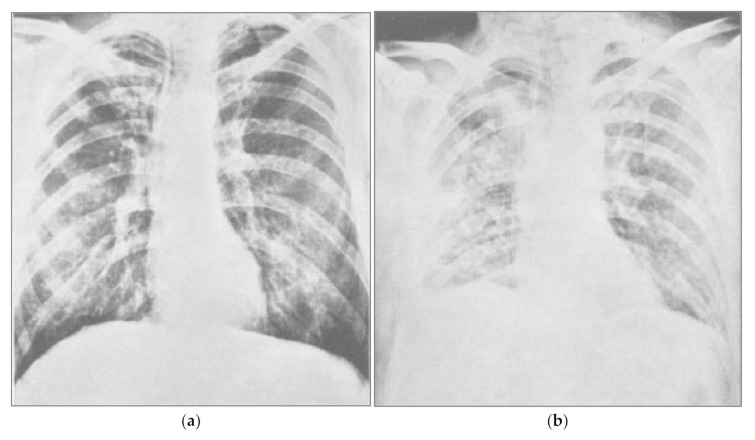
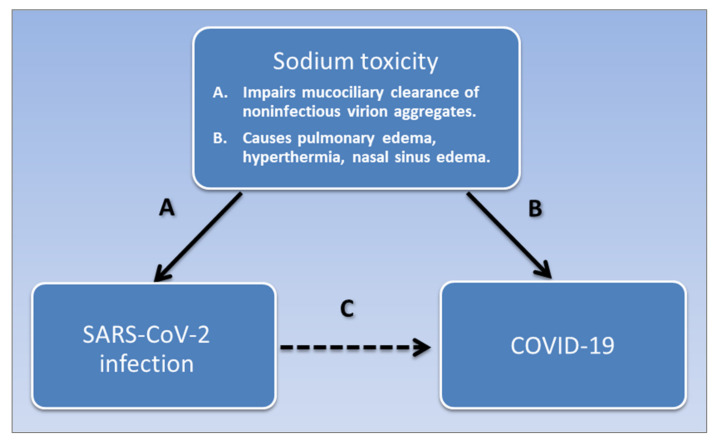
Dietary factors in the etiology of COVID-19 are understudied. High dietary sodium intake leading to sodium toxicity is associated with comorbid conditions of COVID-19 such as hypertension, kidney disease, stroke, pneumonia, obesity, diabetes, hepatic disease, cardiac arrhythmias, thrombosis, migraine, tinnitus, Bell's palsy, multiple sclerosis, systemic sclerosis, and polycystic ovary syndrome. This article synthesizes evidence from epidemiology, pathophysiology, immunology, and virology literature linking sodium toxicological mechanisms to COVID-19 and SARS-CoV-2 infection. Sodium toxicity is a modifiable disease determinant that impairs the mucociliary clearance of virion aggregates in nasal sinuses of the mucosal immune system, which may lead to SARS-CoV-2 infection and viral sepsis. In addition, sodium toxicity causes pulmonary edema associated with severe acute respiratory syndrome, as well as inflammatory immune responses and other symptoms of COVID-19 such as fever and nasal sinus congestion. Consequently, sodium toxicity potentially mediates the association of COVID-19 pathophysiology with SARS-CoV-2 infection. Sodium dietary intake also increases in the winter, when sodium losses through sweating are reduced, correlating with influenza-like illness outbreaks. Increased SARS-CoV-2 infections in lower socioeconomic classes and among people in government institutions are linked to the consumption of foods highly processed with sodium. Interventions to reduce COVID-19 morbidity and mortality through reduced-sodium diets should be explored further.
饮食因素在 COVID-19 的病因学中研究不足。高钠饮食导致的钠毒性与 COVID-19 的合并症有关,如高血压、肾病、中风、肺炎、肥胖、糖尿病、肝病、心律失常、血栓形成、偏头痛、耳鸣、贝尔氏面瘫、多发性硬化症、系统性硬化症和多囊卵巢综合征。本文综合了来自流行病学、病理生理学、免疫学和病毒学文献的证据,将钠毒理学机制与 COVID-19 和 SARS-CoV-2 感染联系起来。钠毒性是一种可改变的疾病决定因素,它会损害黏膜免疫系统中鼻窦内病毒聚集体的纤毛清除功能,从而导致 SARS-CoV-2 感染和病毒性败血症。此外,钠毒性会导致与严重急性呼吸综合征相关的肺水肿,以及炎症免疫反应和 COVID-19 的其他症状,如发热和鼻窦充血。因此,钠毒性可能介导了 COVID-19 病理生理学与 SARS-CoV-2 感染的关联。冬季钠的摄入量也会增加,因为此时通过出汗流失的钠减少,这与流感样疾病的爆发有关。较低社会经济阶层和政府机构工作人员中 SARS-CoV-2 感染的增加与食用高钠加工食品有关。通过减少钠饮食来降低 COVID-19 发病率和死亡率的干预措施应进一步探讨。