
下肢损伤患者专用外固定装置的优化
Optimization of a Patient-Specific External Fixation Device for Lower Limb Injuries.
作者信息
Alqahtani Mohammed S, Al-Tamimi Abdulsalam Abdulaziz, Hassan Mohamed H, Liu Fengyuan, Bartolo Paulo
机构信息
Mechanical Engineering Department, College of Engineering, King Saud University, Riyadh 11451, Saudi Arabia.
School of Mechanical, Aerospace and Civil Engineering, The University of Manchester, Manchester M13 9PL, UK.
出版信息
Polymers (Basel). 2021 Aug 10;13(16):2661. doi: 10.3390/polym13162661.
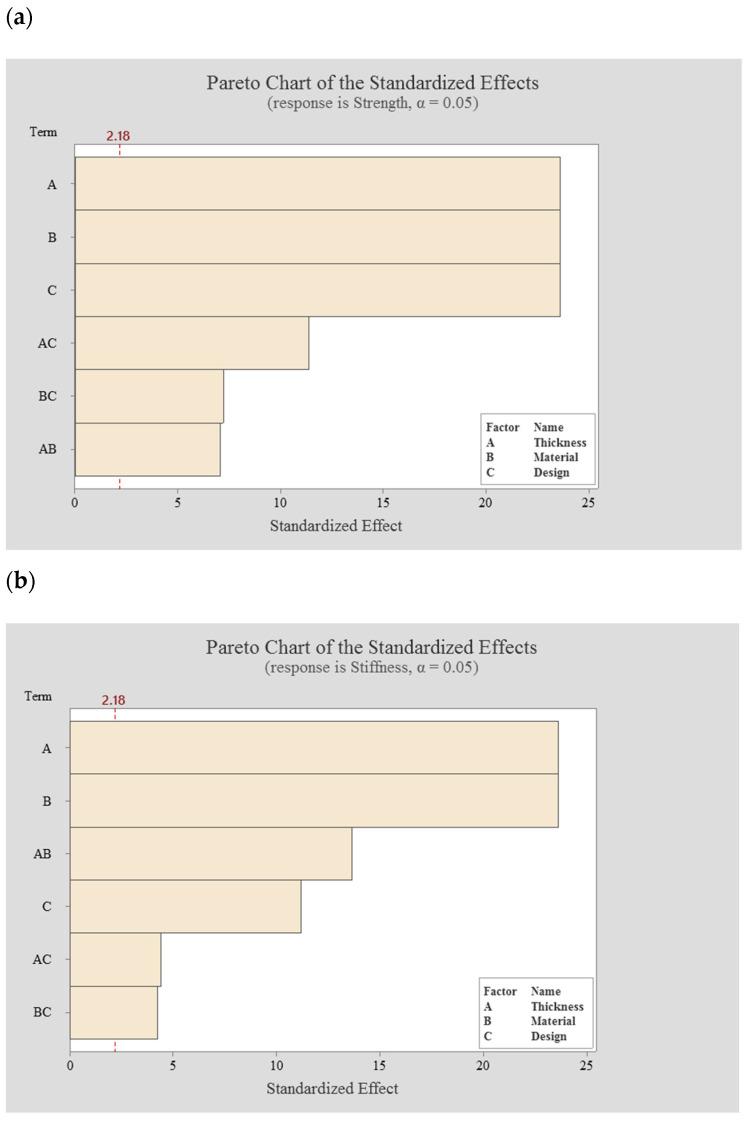
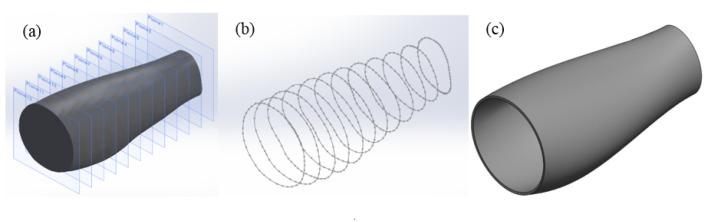
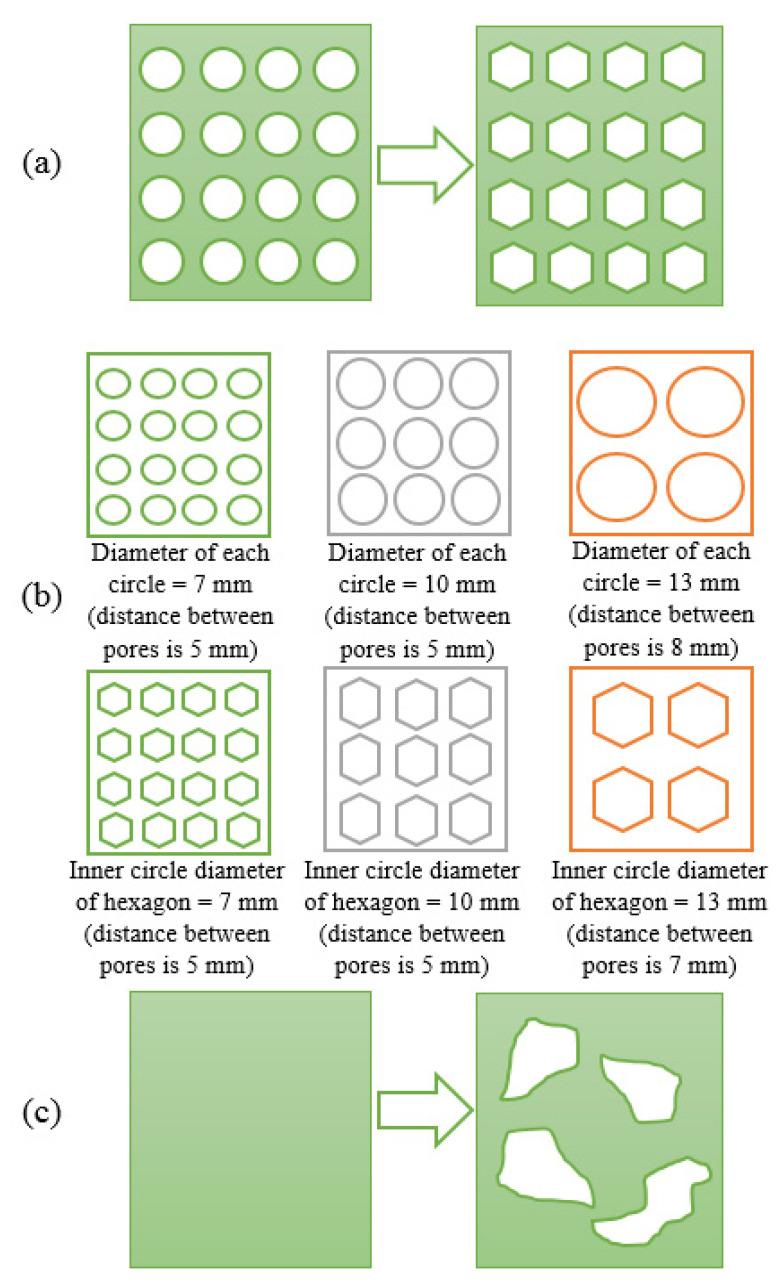
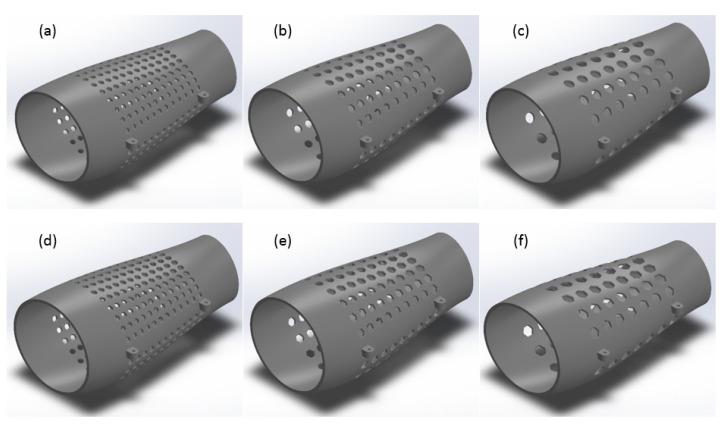
The use of external fixation devices is considered a valuable approach for the treatment of bone fractures, providing proper alignment to fractured fragments and maintaining fracture stability during the healing process. The need for external fixation devices has increased due to an aging population and increased trauma incidents. The design and fabrication of external fixations are major challenges since the shape and size of the defect vary, as well as the geometry of the human limb. This requires fully personalized external fixators to improve its fit and functionality. This paper presents a methodology to design personalized lightweight external fixator devices for additive manufacturing. This methodology comprises data acquisition, Computer tomography (CT) imaging analysis and processing, Computer Aided Design (CAD) modelling and two methods (imposed predefined patterns and topology optimization) to reduce the weight of the device. Finite element analysis with full factorial design of experiments were used to determine the optimal combination of designs (topology optimization and predefined patterns), materials (polylactic acid, acrylonitrile butadiene styrene, and polyamide) and thickness (3, 4, 5 and 6 mm) to maximize the strength and stiffness of the fixator, while minimizing its weight. The optimal parameters were found to correspond to an external fixator device optimized by topology optimization, made in polylactic acid with 4 mm thickness.
外固定装置的使用被认为是治疗骨折的一种有价值的方法,它能使骨折碎片正确对齐,并在愈合过程中保持骨折稳定性。由于人口老龄化和创伤事件增加,对外固定装置的需求也在增加。外固定器的设计和制造面临重大挑战,因为缺损的形状和大小各不相同,人体肢体的几何形状也不同。这就需要完全个性化的外固定器来提高其贴合度和功能。本文提出了一种为增材制造设计个性化轻质外固定器装置的方法。该方法包括数据采集、计算机断层扫描(CT)成像分析与处理、计算机辅助设计(CAD)建模以及两种减轻装置重量的方法(施加预定义图案和拓扑优化)。采用全因子实验设计的有限元分析来确定设计(拓扑优化和预定义图案)、材料(聚乳酸、丙烯腈 - 丁二烯 - 苯乙烯和聚酰胺)和厚度(3、4、5和6毫米)的最佳组合,以在使固定器重量最小化的同时,最大化其强度和刚度。发现最佳参数对应于通过拓扑优化优化的外固定器装置,该装置由厚度为4毫米的聚乳酸制成。



 Zotero 插件