Chang Kai-Chi, Chen Wen-Cheng, Haung Ssu-Meng, Liu Shih-Ming, Lin Chih-Lung
Advanced Medical Devices and Composites Laboratory, Department of Fiber and Composite Materials, Feng Chia University, Taichung 407, Taiwan.
Department of Fragrance and Cosmetic Science, College of Pharmacy, Kaohsiung Medical University, Kaohsiung 807, Taiwan.
Pharmaceuticals (Basel). 2021 Aug 16;14(8):802. doi: 10.3390/ph14080802.
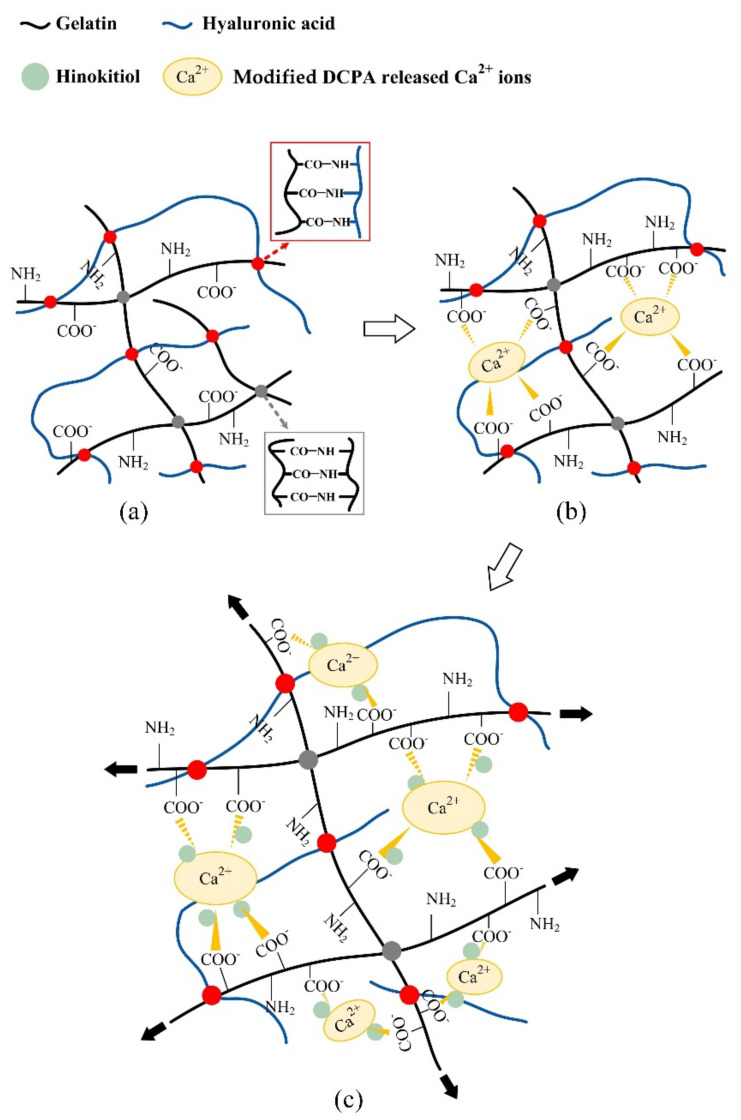
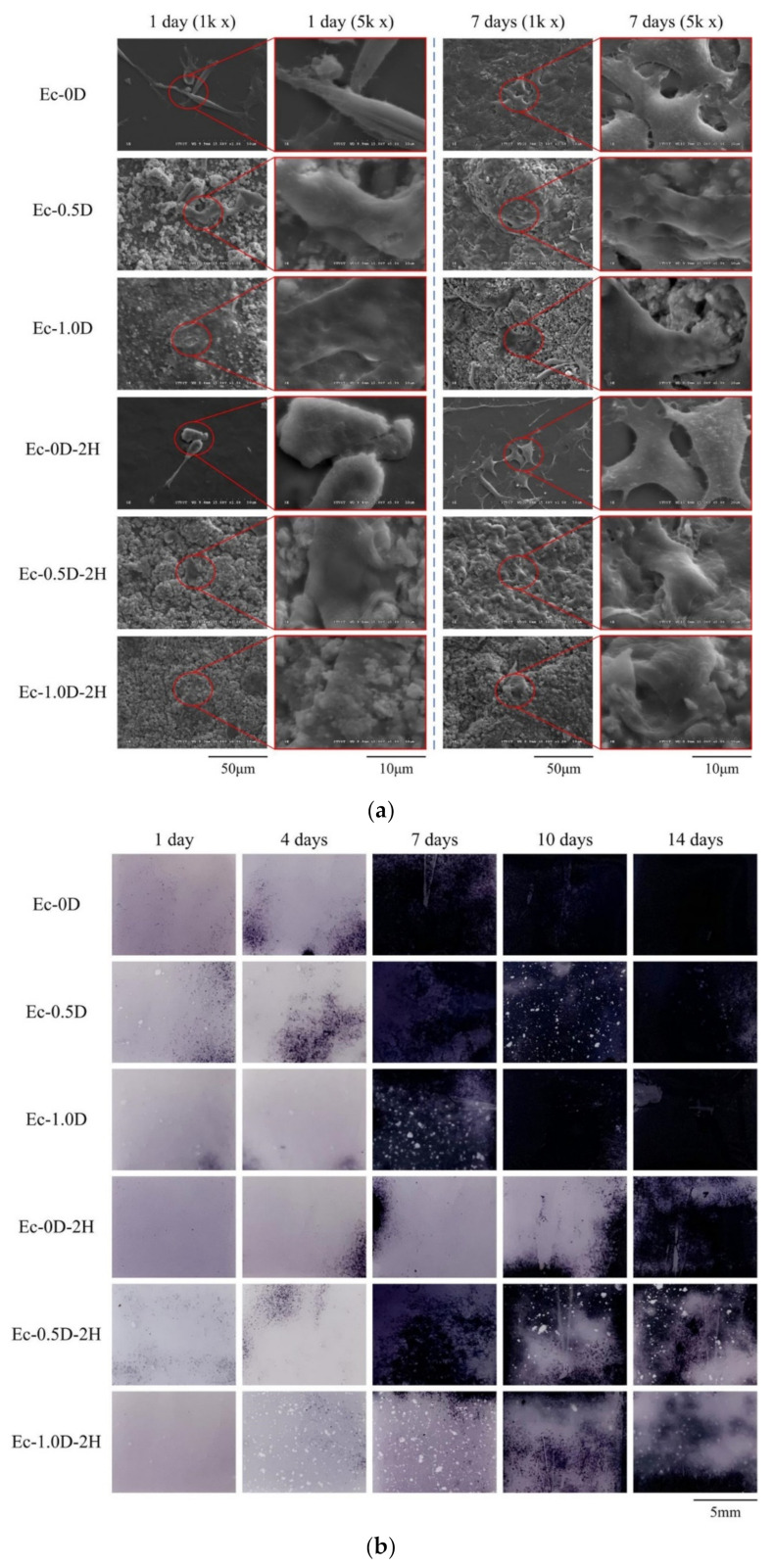
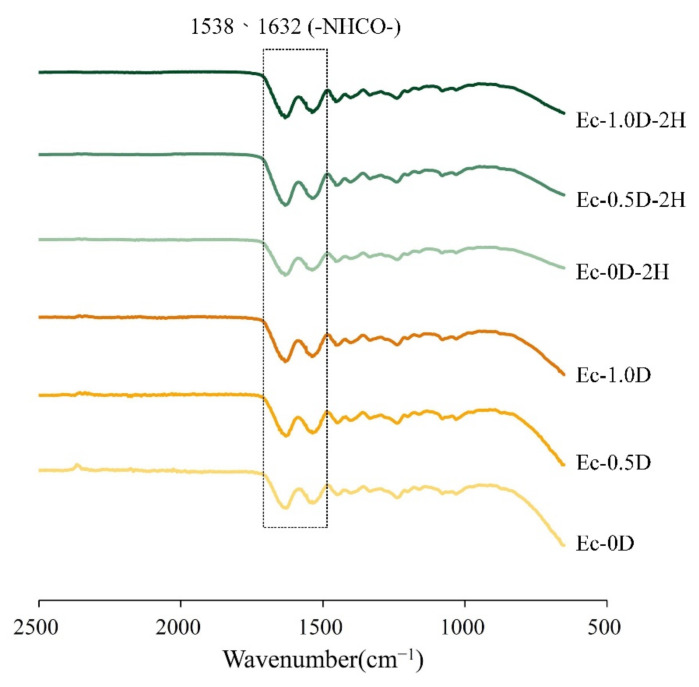
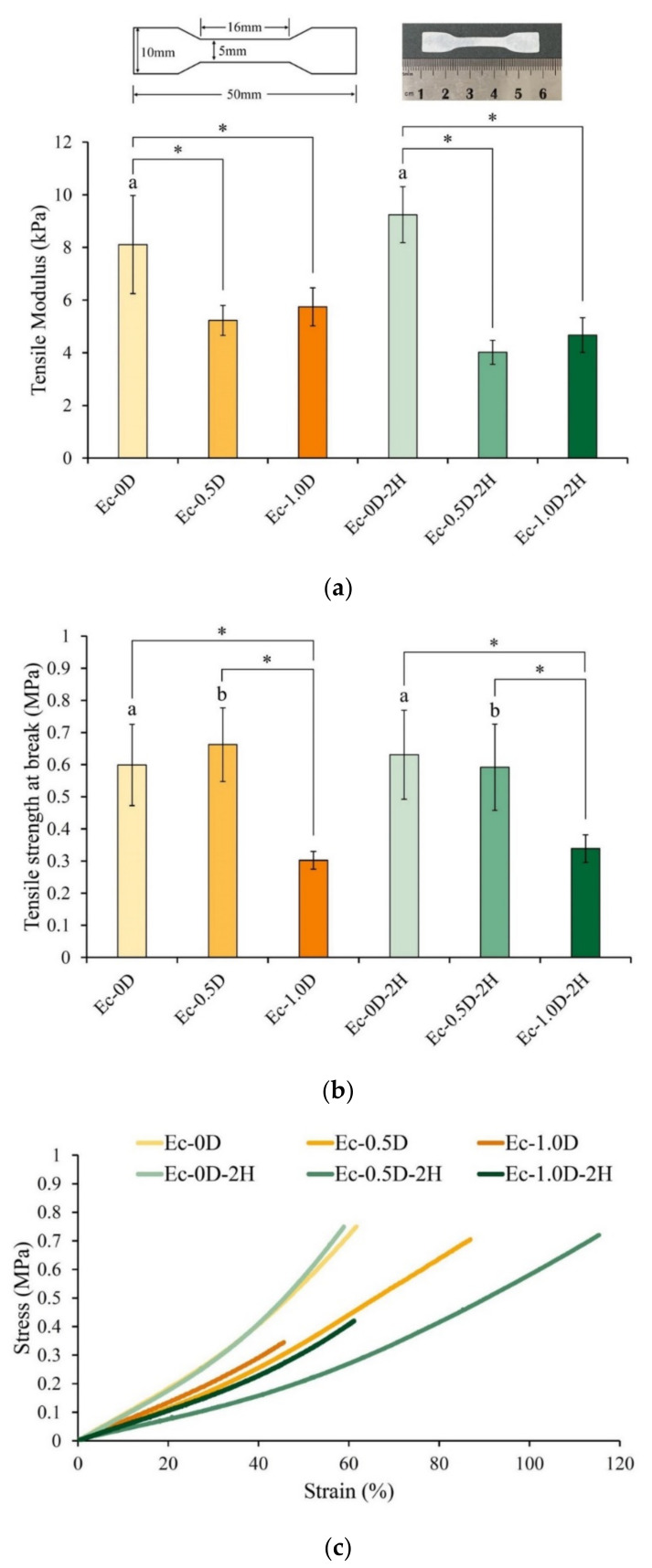
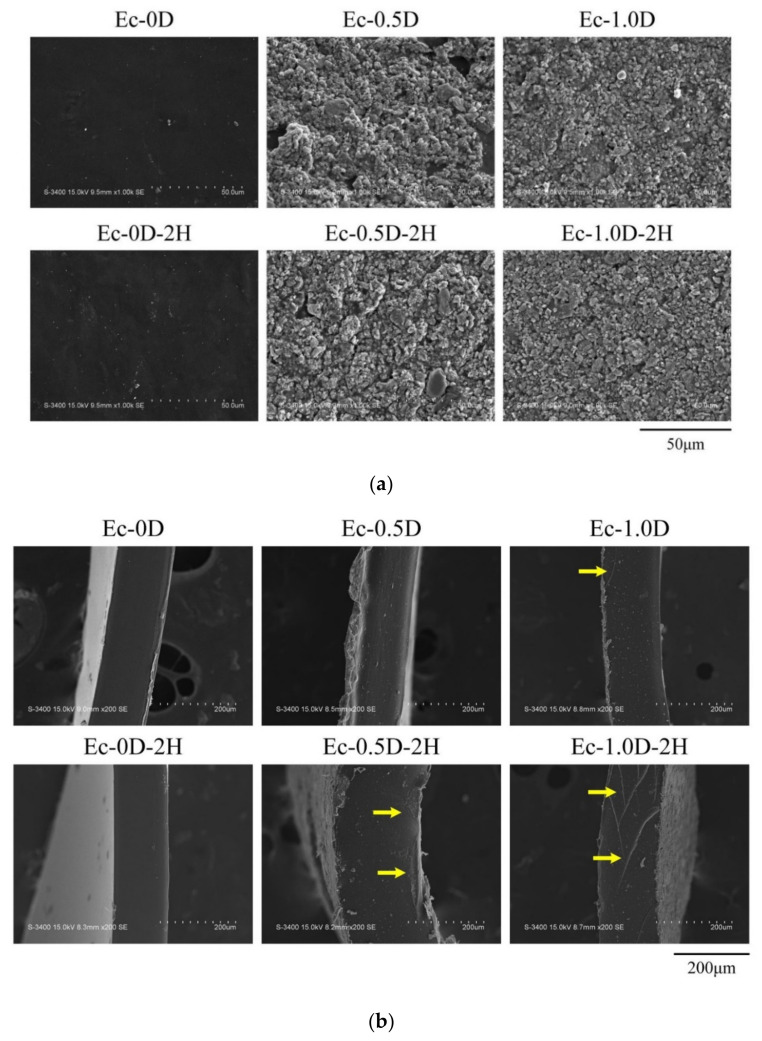
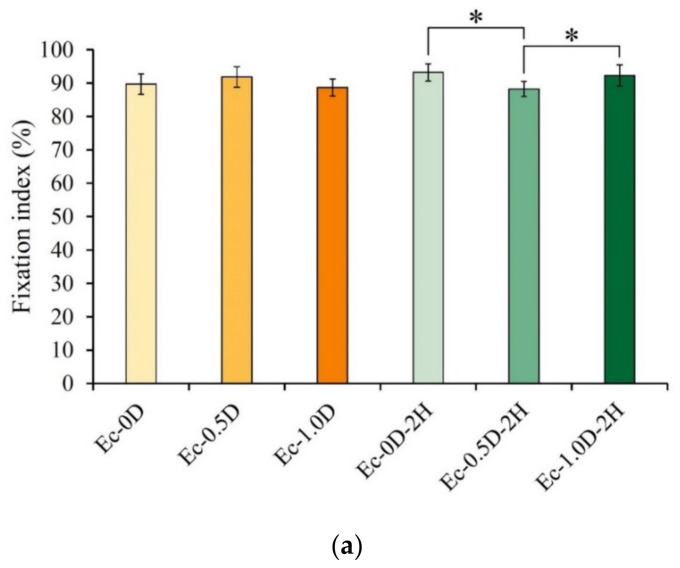
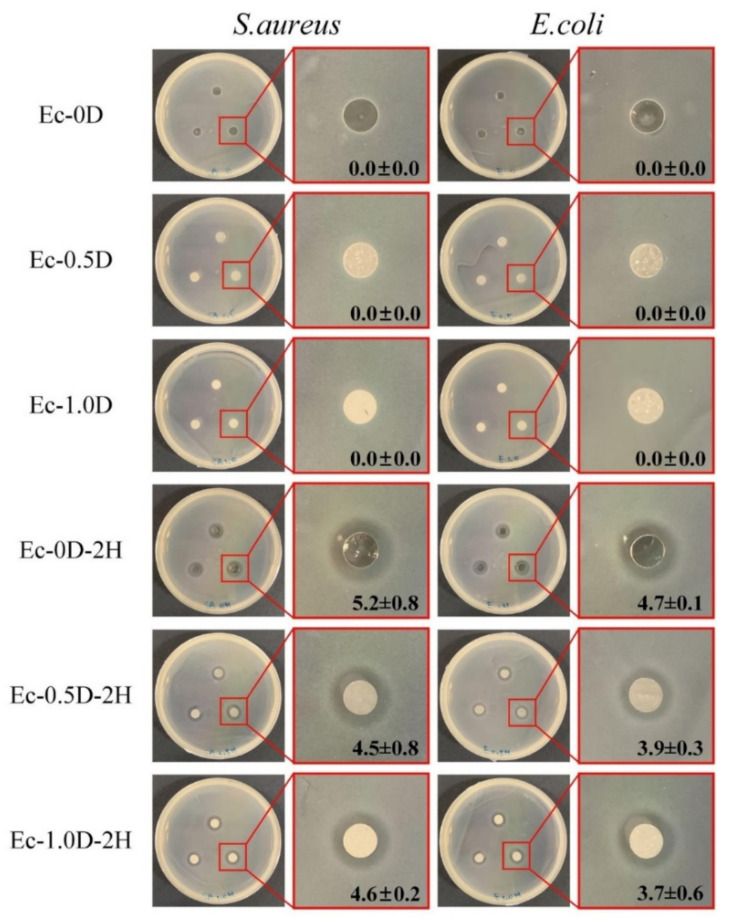
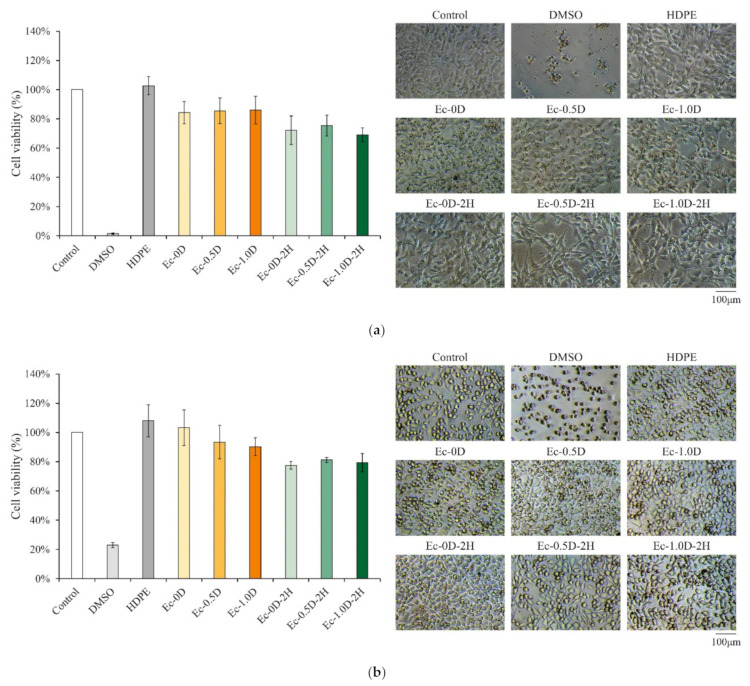
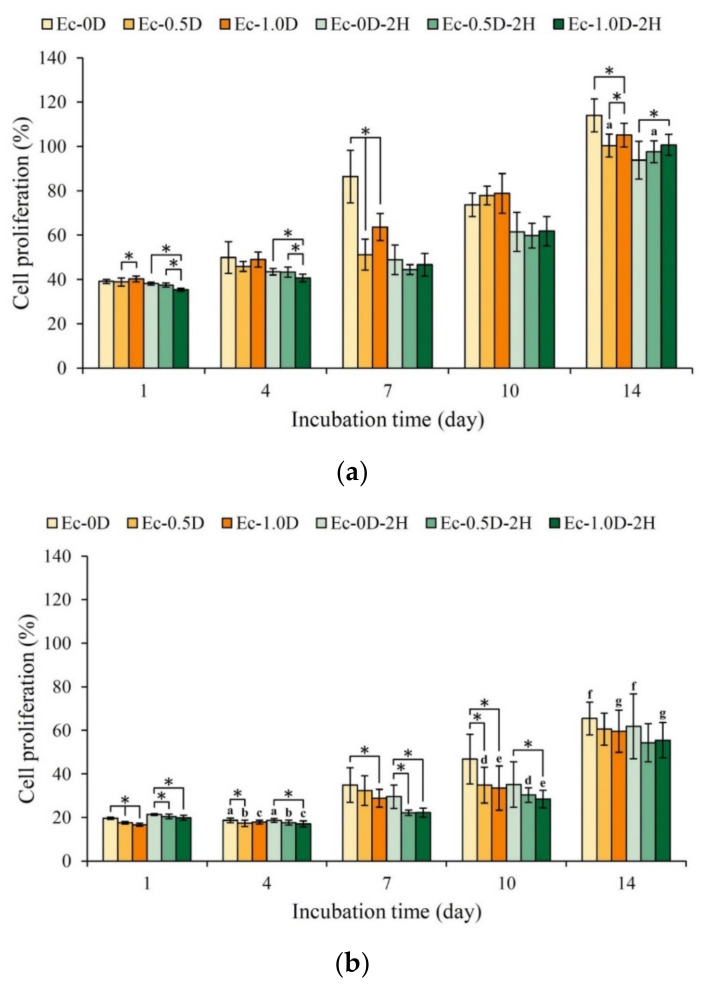
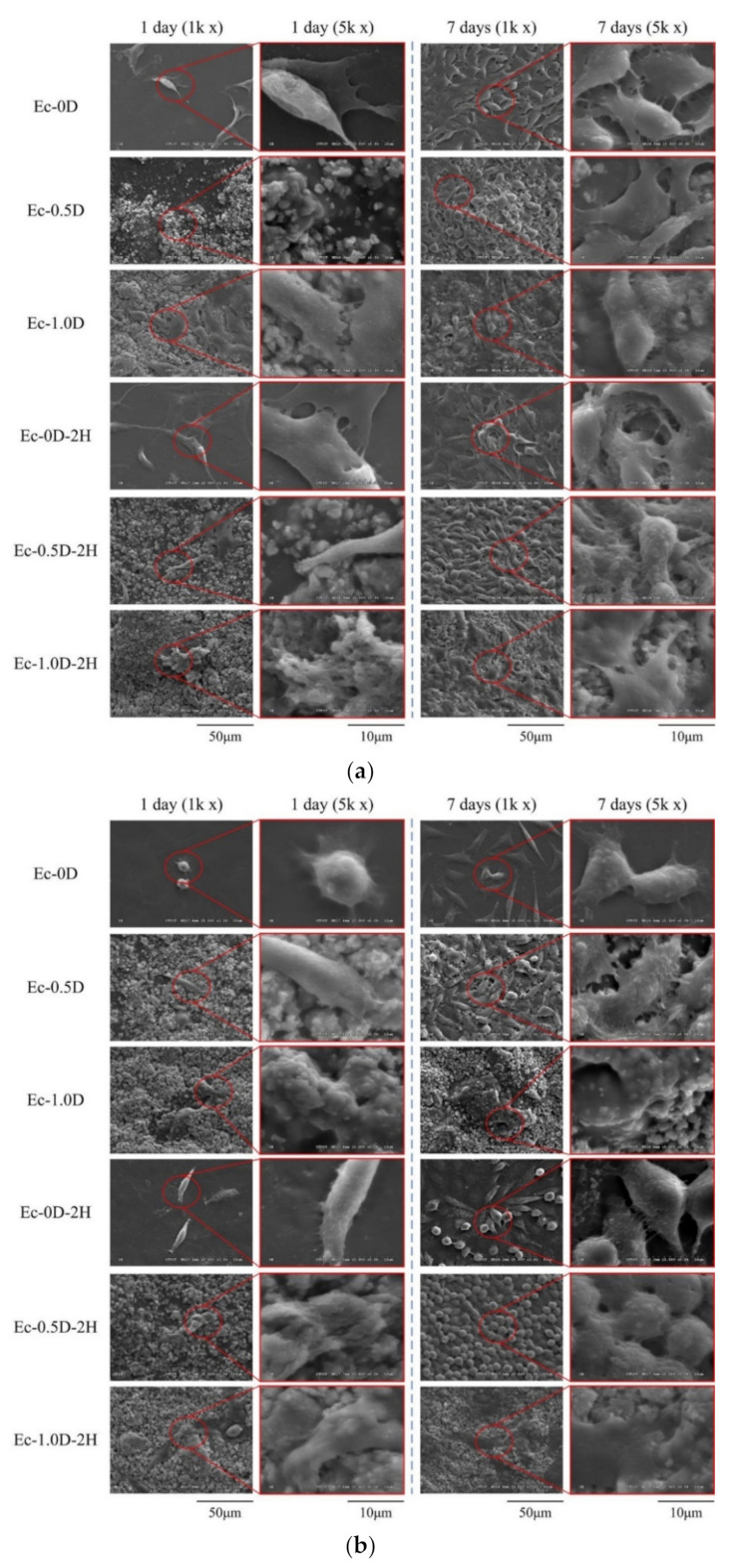
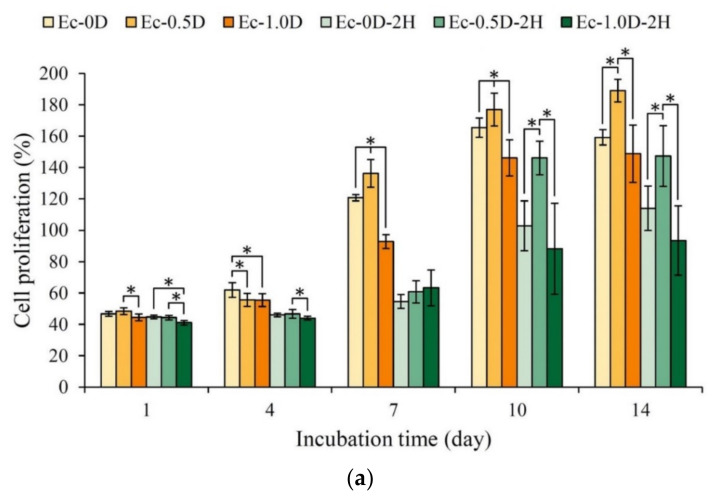
Many hydrogel-based crosslinking membranes have been designed and tailored to meet the needs of different applications. The aim of this research is to design a bifunctional hydrogel membrane with antibacterial and osteoconducting properties to guide different tissues. The membrane uses gelatin and hyaluronic acid as the main structure, 1-(3-dimethylaminopropyl)-3-ethylcarbodiimide hydrochloride as the crosslinker, hinokitiol as the antibacterial agent, and dicalcium phosphate anhydrous (DCPA) micron particles for osteoconduction. Results show that the hydrogel membrane with added DCPA and impregnated hinokitiol has a fixation index higher than 88%. When only a small amount of DCPA is added, the tensile strength does not decrease significantly. The tensile strength decreases considerably when a large amount of modified DCPA is added. The stress-strain curve shows that the presence of a large amount of hinokitiol in hydrogel membranes results in considerably improved deformation and toughness properties. Each group impregnated with hinokitiol exhibits obvious antibacterial capabilities. Furthermore, the addition of DCPA and impregnation with hinokitiol does not exert cytotoxicity on cells in vitro, indicating that the designed amount of DCPA and hinokitiol in this study is appropriate. After a 14-day cell culture, the hydrogel membrane still maintains a good shape because the cells adhere and proliferate well, thus delaying degradation. In addition, the hydrogel containing a small amount of DCPA has the best cell mineralization effect. The developed hydrogel has a certain degree of flexibility, degradability, and bifunctionality and is superficial. It can be used in guided tissue regeneration in clinical surgery.
许多基于水凝胶的交联膜已被设计和定制,以满足不同应用的需求。本研究的目的是设计一种具有抗菌和骨传导特性的双功能水凝胶膜,以引导不同组织。该膜以明胶和透明质酸为主要结构,1-(3-二甲氨基丙基)-3-乙基碳二亚胺盐酸盐为交联剂,扁柏酚为抗菌剂,无水磷酸二钙(DCPA)微粒用于骨传导。结果表明,添加DCPA并浸渍扁柏酚的水凝胶膜的固定指数高于88%。当仅添加少量DCPA时,拉伸强度没有显著降低。当添加大量改性DCPA时,拉伸强度显著降低。应力-应变曲线表明,水凝胶膜中大量扁柏酚的存在导致变形和韧性性能显著改善。每组浸渍扁柏酚均表现出明显的抗菌能力。此外,添加DCPA和浸渍扁柏酚对体外细胞无细胞毒性,表明本研究中设计的DCPA和扁柏酚用量是合适的。经过14天的细胞培养后,水凝胶膜仍保持良好的形状,因为细胞粘附和增殖良好,从而延缓了降解。此外,含有少量DCPA的水凝胶具有最佳的细胞矿化效果。所开发的水凝胶具有一定程度的柔韧性、可降解性和双功能性,且具有表面性。它可用于临床手术中的引导组织再生。