Shih Yin-Hua, Lin Dan-Jae, Chang Kuo-Wei, Hsia Shih-Min, Ko Shun-Yao, Lee Shyh-Yuan, Hsue Shui-Sang, Wang Tong-Hong, Chen Yi-Ling, Shieh Tzong-Ming
Institute of Oral Biology, School of Dentistry, National Yang-Ming University, Taipei, Taiwan.
Department of Dental Hygiene, College of Health Care, China Medical University, Taichung, Taiwan.
PLoS One. 2014 Jun 10;9(6):e94941. doi: 10.1371/journal.pone.0094941. eCollection 2014.
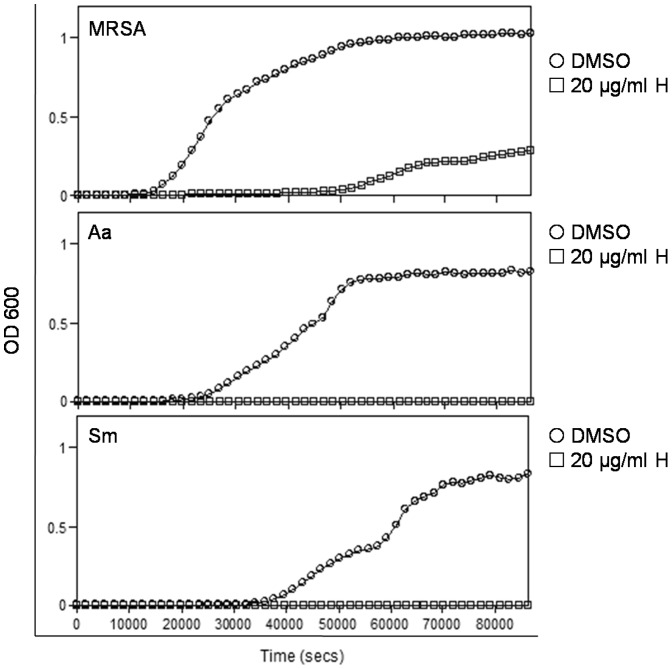
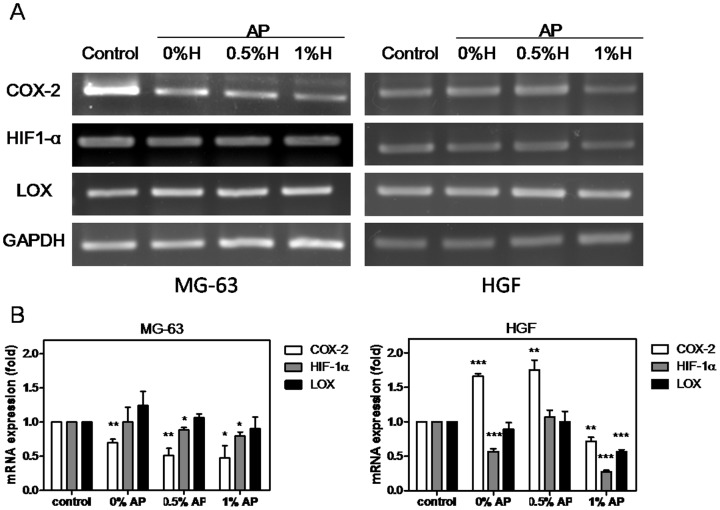
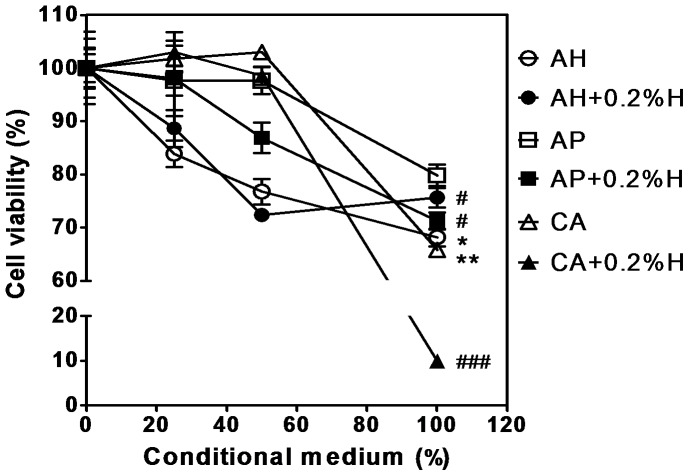
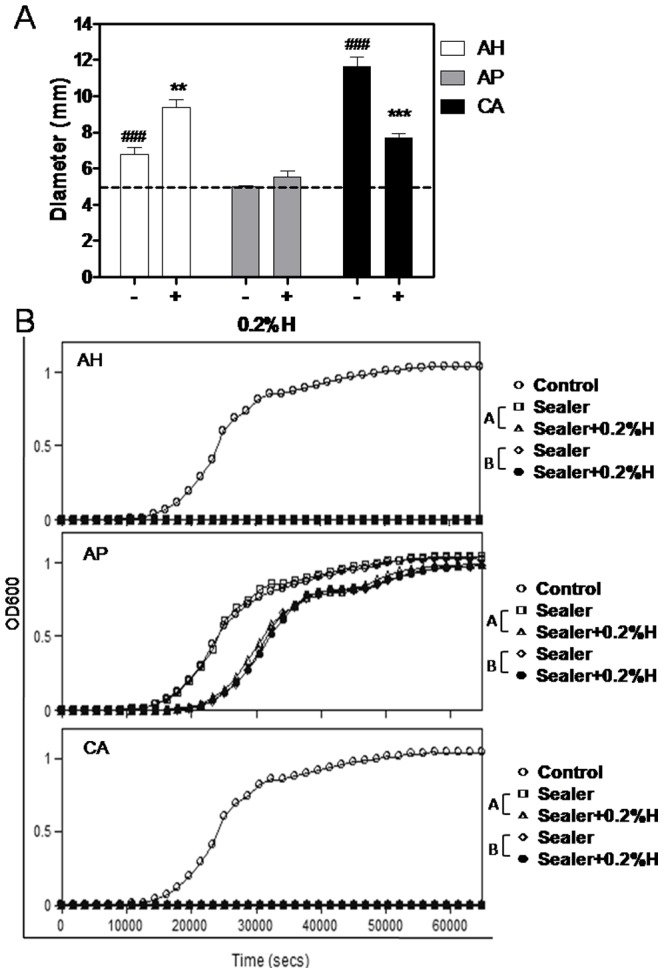
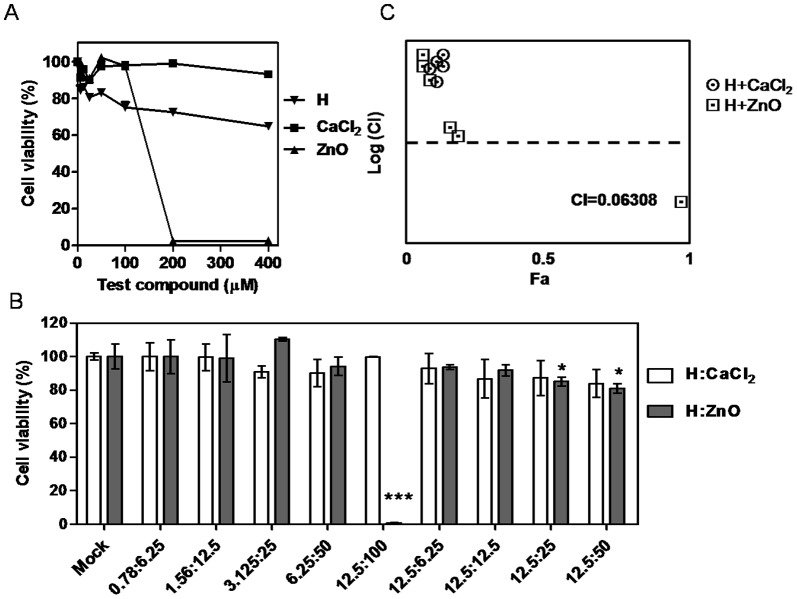
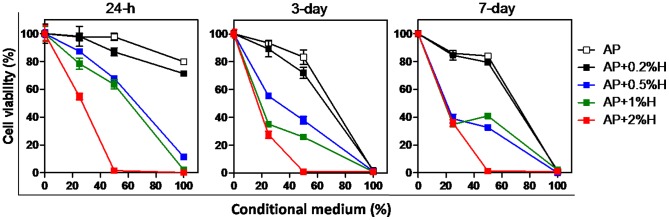
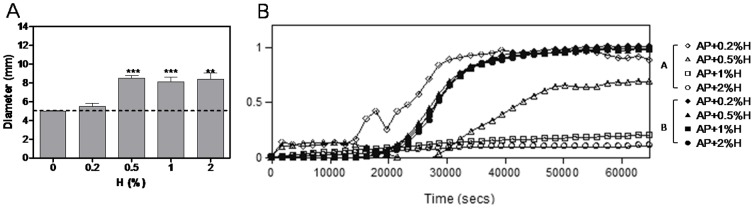
Hinokitiol displays potent antimicrobial activity. It has been used in toothpaste and oral-care gel to improve the oral lichen planus and reduce halitosis. The aim of this study was to evaluate the antimicrobial activity of 3 different dental root canal sealers with hinokitiol (sealers+H) and their physical and biological effects. AH Plus (epoxy amine resin-based, AH), Apexit Plus (calcium-hydroxide-based, AP), and Canals (zinc-oxide-eugenol-based, CA), were used in this study. The original AH and CA exhibited strong anti-methicillin-resistant Staphylococcus aureus (anti-MRSA) activity, but AP did not. The setting time, working time, flowability, film thickness, and solubility of each sealer+0.2%H complied with ISO 6876:2001. CA+0.2%H exhibited high cytotoxicity, but the others sealers+0.2%H did not. Because hinokitiol combined with Zn2+ in CA creates a synergistic effect. The physical tests of AP+0.5%-1%H complied with ISO 6876:2001, improved antimicrobial activity, inhibited inflammation genes cyclooxygenase-2 (COX-2) and hypoxia-inducible factor-1α (HIF-1α) mRNA in MG-63 cells and human gingival fibroblasts (HGF), and down-regulated lysyl oxidase (LOX) mRNA of HGF. In summary, AH and CA demonstrated strong antimicrobial activity, but AP did not. Application of hinokitiol increases AH anti-MRSA activity should less than 0.2% for keep well flowability. AP+0.5%-1% hinokitiol exhibited strong physical, antibacterial, and anti-inflammation potentials, and inhibited S. aureus abscess formation. Applying an appreciable proportion of hinokitiol to epoxy-amine-resin-based and calcium-hydroxide-based root canal sealers is warranted, but the enhanced cytotoxicity and synergistic effect must be considered.
扁柏酚具有强大的抗菌活性。它已被用于牙膏和口腔护理凝胶中,以改善口腔扁平苔藓并减少口臭。本研究的目的是评估含扁柏酚的3种不同牙科根管封闭剂(封闭剂+H)的抗菌活性及其物理和生物学效应。本研究使用了AH Plus(环氧胺树脂基,AH)、Apexit Plus(氢氧化钙基,AP)和Canals(氧化锌丁香酚基,CA)。原始的AH和CA表现出较强的抗耐甲氧西林金黄色葡萄球菌(抗MRSA)活性,但AP没有。每种封闭剂+0.2%H的凝固时间、工作时间、流动性、薄膜厚度和溶解度均符合ISO 6876:2001标准。CA+0.2%H表现出高细胞毒性,但其他封闭剂+0.2%H没有。因为扁柏酚与CA中的Zn2+结合产生协同效应。AP+0.5%-1%H的物理测试符合ISO 6876:2001标准,抗菌活性提高,抑制了MG-63细胞和人牙龈成纤维细胞(HGF)中炎症基因环氧合酶-2(COX-2)和缺氧诱导因子-1α(HIF-1α)的mRNA表达,并下调了HGF的赖氨酰氧化酶(LOX)mRNA表达。总之,AH和CA表现出较强的抗菌活性,但AP没有。为保持良好的流动性,扁柏酚的添加量增加AH的抗MRSA活性应小于0.2%。AP+0.5%-1%扁柏酚表现出强大的物理、抗菌和抗炎潜力,并抑制了金黄色葡萄球菌脓肿的形成。将适量的扁柏酚应用于环氧胺树脂基和氢氧化钙基根管封闭剂是有必要的,但必须考虑增强的细胞毒性和协同效应。