Mir Tanveer, Almas Talal, Kaur Jasmeet, Faisaluddin Mohammed, Song David, Ullah Waqas, Mamtani Sahil, Rauf Hiba, Yadav Sunita, Latchana Sharaad, Michaelson Nara Miriam, Connerney Michael, Sattar Yasar
Internal Medicine, Wayne State University, USA.
RCSI University of Medicine and Health Sciences, Dublin, Ireland.
Ann Med Surg (Lond). 2021 Sep;69:102745. doi: 10.1016/j.amsu.2021.102745. Epub 2021 Aug 23.
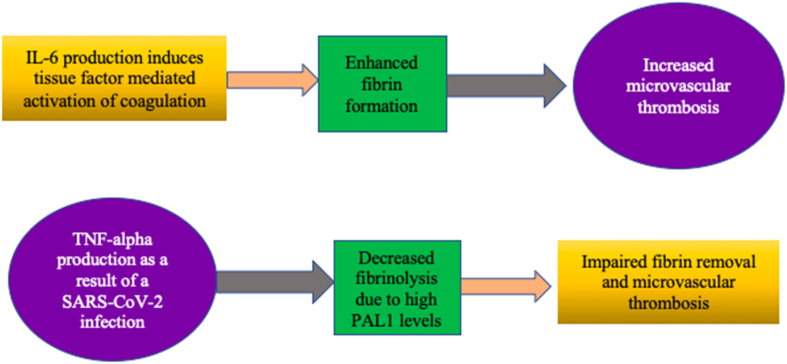
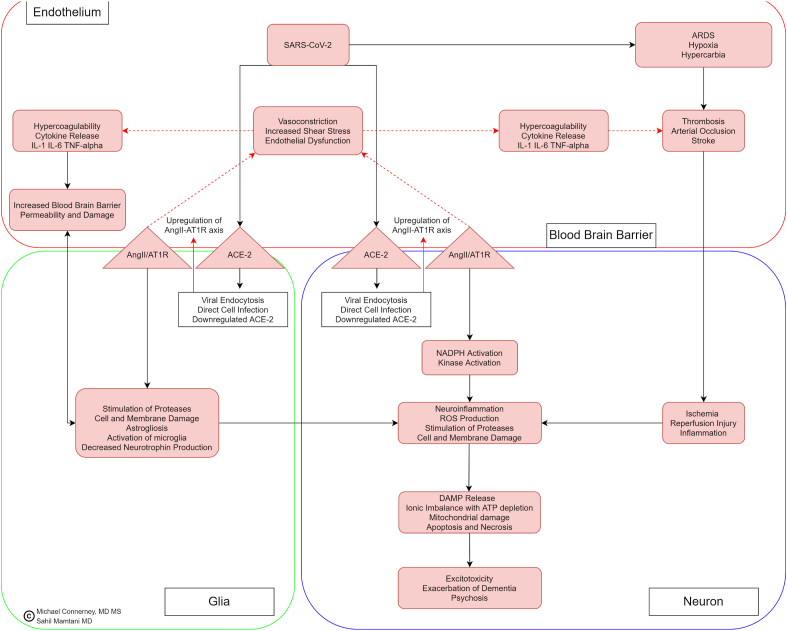
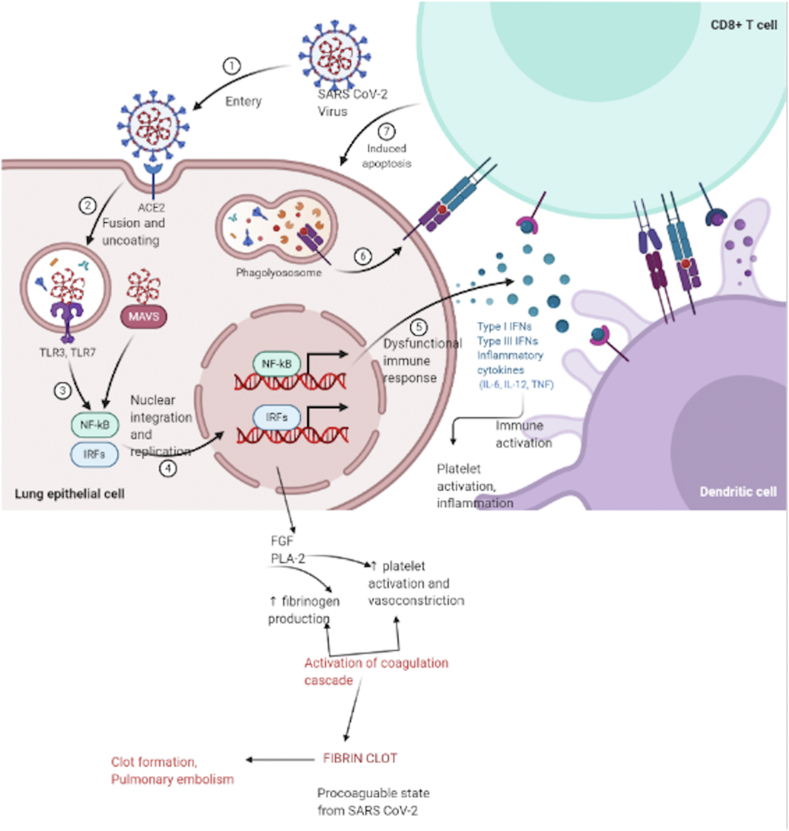
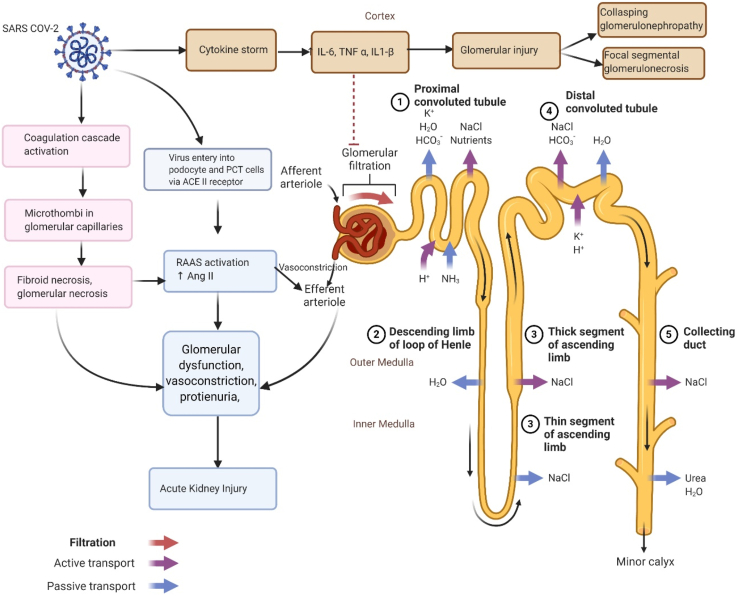
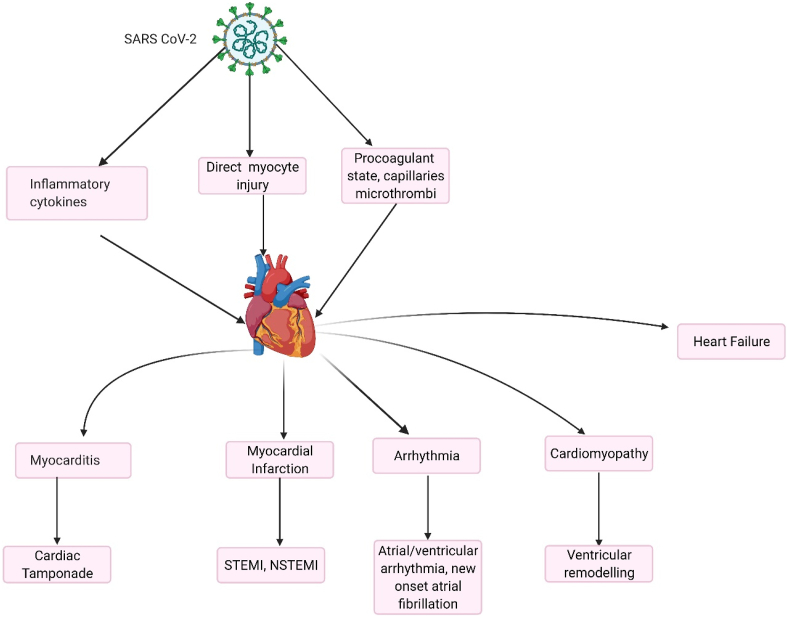
Coronavirus disease-19 (COVID-19) pandemic is associated with high morbidity and mortality. COVID-19, which is caused by the Severe Acute Respiratory Syndrome Coronavirus-2 (SARS CoV-2), affects multiple organ systems through a myriad of mechanisms. Afflicted patients present with a vast constellation of symptoms, from asymptomatic disease to life-threatening complications. The most common manifestations pertain to mild pulmonary symptoms, which can progress to respiratory distress syndrome and venous thromboembolism. However, in patients with renal failure, life-threatening cardiac abnormalities can ensue. Various mechanisms such as viral entry through Angiotensin receptor (ACE) affecting multiple organs and thus releasing pro-inflammatory markers have been postulated. Nevertheless, the predictors of various presentations in the affected population remain elusive. An ameliorated understanding of the pathology and pathogenesis of the viral infection has led to the development of variable treatment options, with many more that are presently under trial. This review article discusses the pathogenesis of multiple organ involvement secondary to COVID-19 infection in infected patients.
新型冠状病毒肺炎(COVID-19)大流行与高发病率和高死亡率相关。由严重急性呼吸综合征冠状病毒2(SARS-CoV-2)引起的COVID-19通过多种机制影响多个器官系统。患病患者表现出一系列广泛的症状,从无症状疾病到危及生命的并发症。最常见的表现是轻度肺部症状,可进展为呼吸窘迫综合征和静脉血栓栓塞。然而,在肾衰竭患者中,可能会出现危及生命的心脏异常。已经提出了各种机制,例如病毒通过血管紧张素受体(ACE)进入影响多个器官,从而释放促炎标志物。然而,受影响人群中各种表现的预测因素仍然难以捉摸。对病毒感染的病理学和发病机制的更好理解导致了多种治疗选择的发展,目前还有更多治疗方法正在试验中。这篇综述文章讨论了COVID-19感染继发的感染患者多器官受累的发病机制。