Mingardi Jessica, La Via Luca, Tornese Paolo, Carini Giulia, Trontti Kalevi, Seguini Mara, Tardito Daniela, Bono Federica, Fiorentini Chiara, Elia Leonardo, Hovatta Iiris, Popoli Maurizio, Musazzi Laura, Barbon Alessandro
Department of Molecular and Translational Medicine, University of Brescia, Brescia, Italy.
Laboratory of Neuropsychopharmacology and Functional Neurogenomics, Dipartimento di Scienze Farmaceutiche, Università degli Studi di Milano, Milano, Italy.
Neurobiol Stress. 2021 Aug 12;15:100381. doi: 10.1016/j.ynstr.2021.100381. eCollection 2021 Nov.
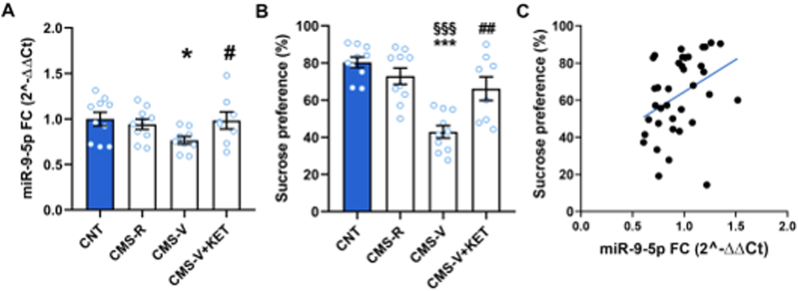
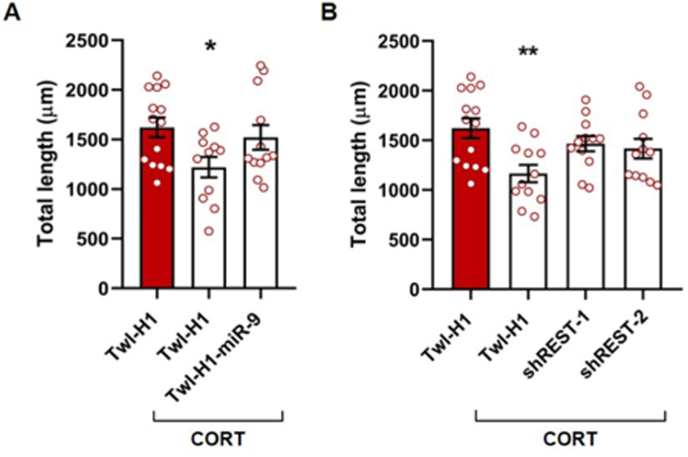
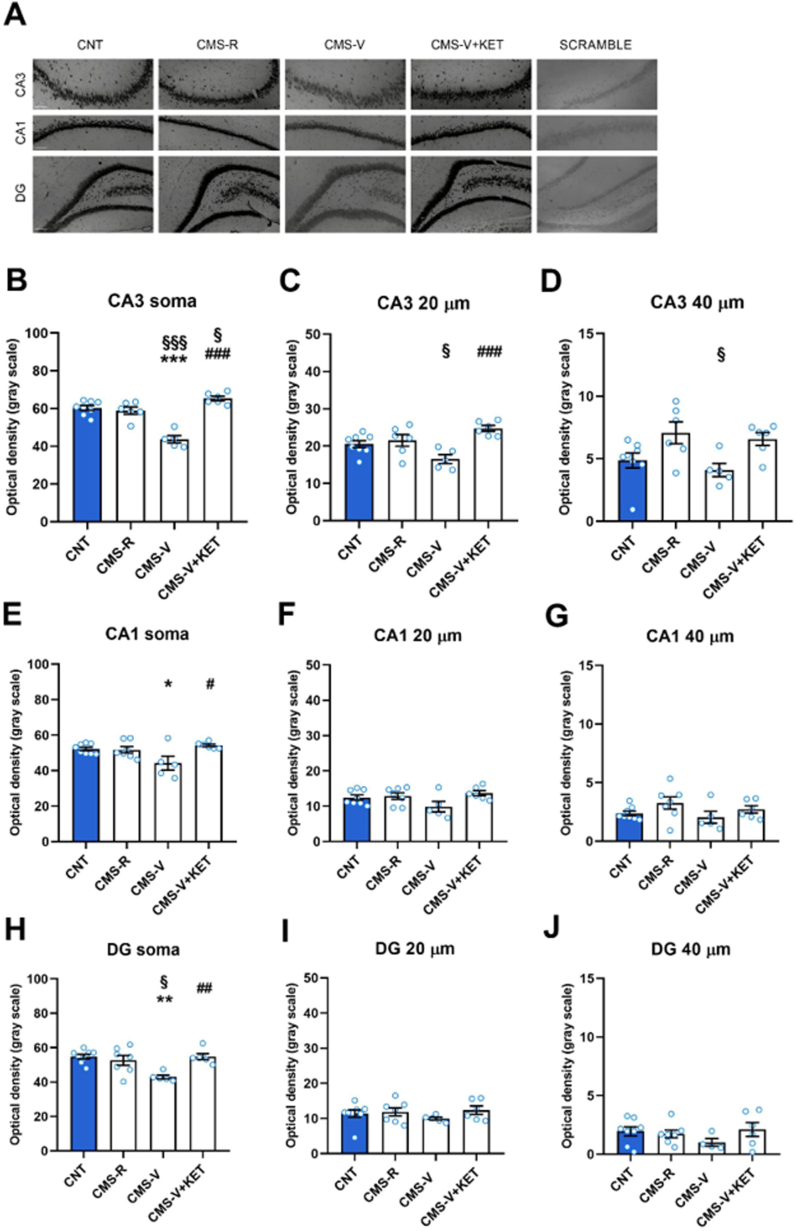
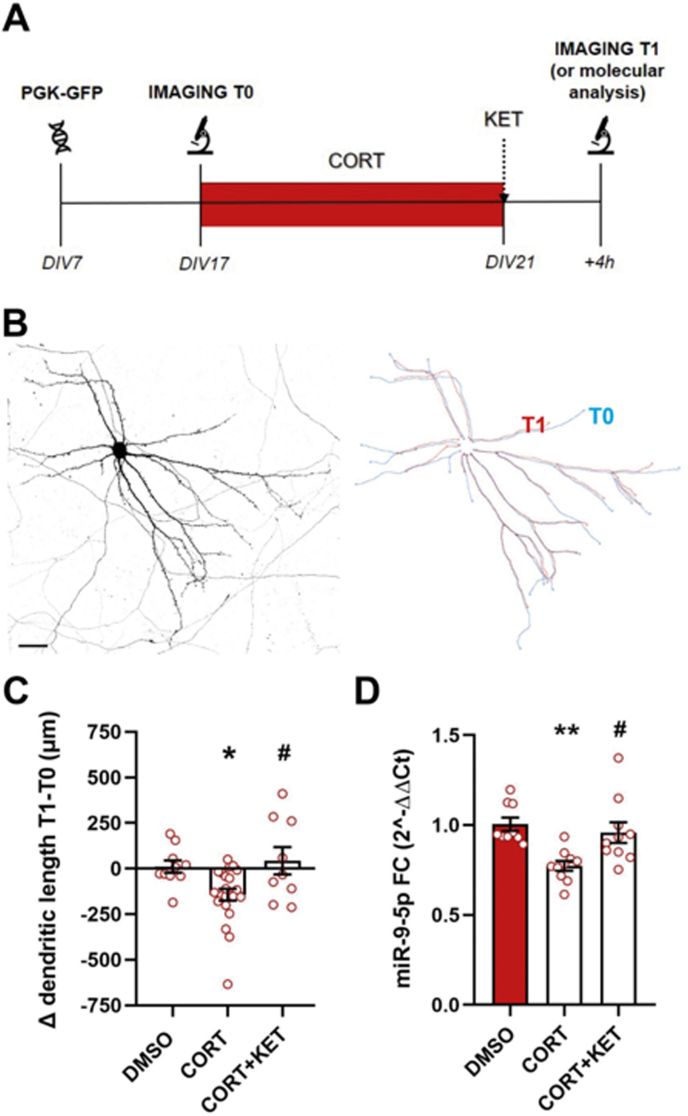
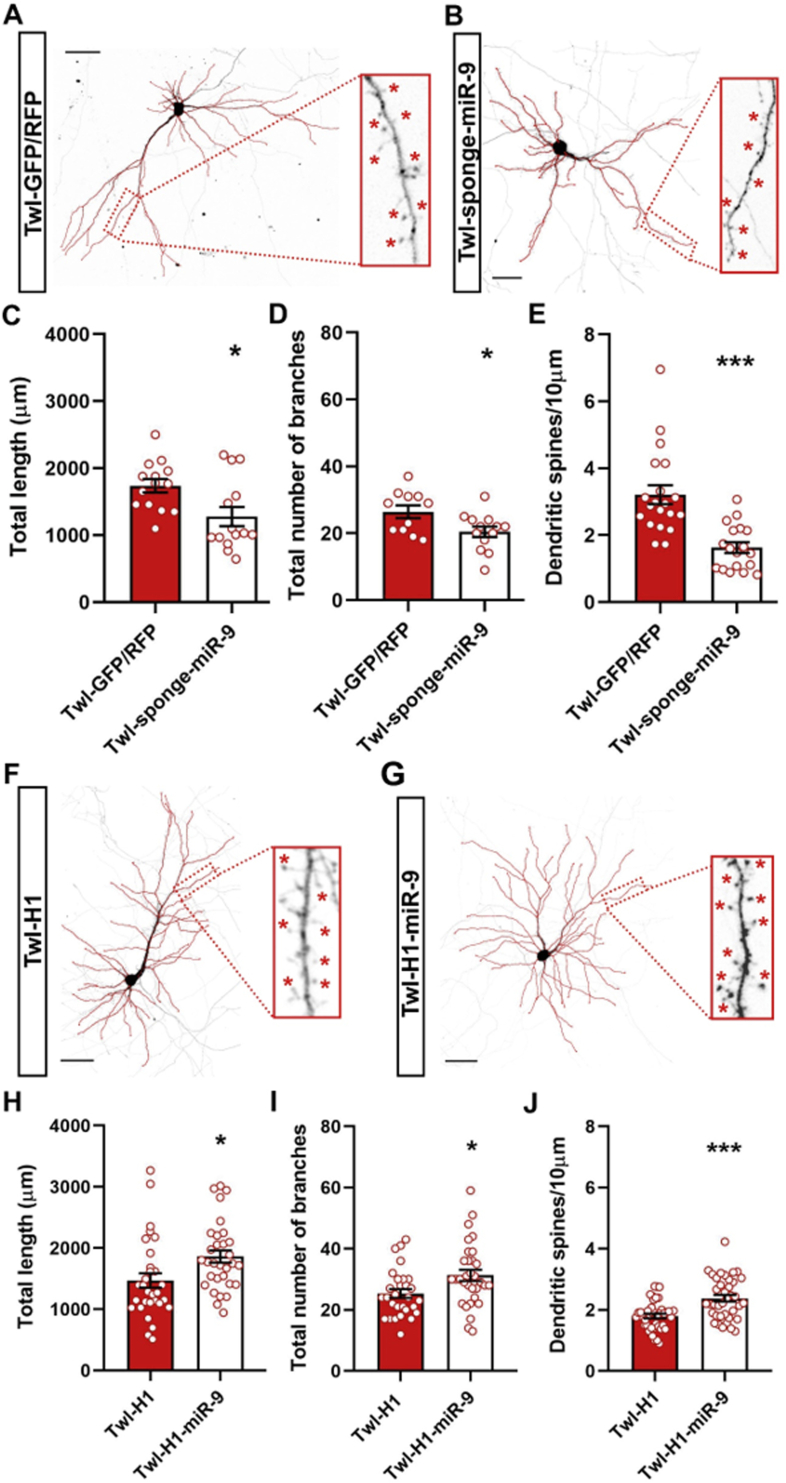
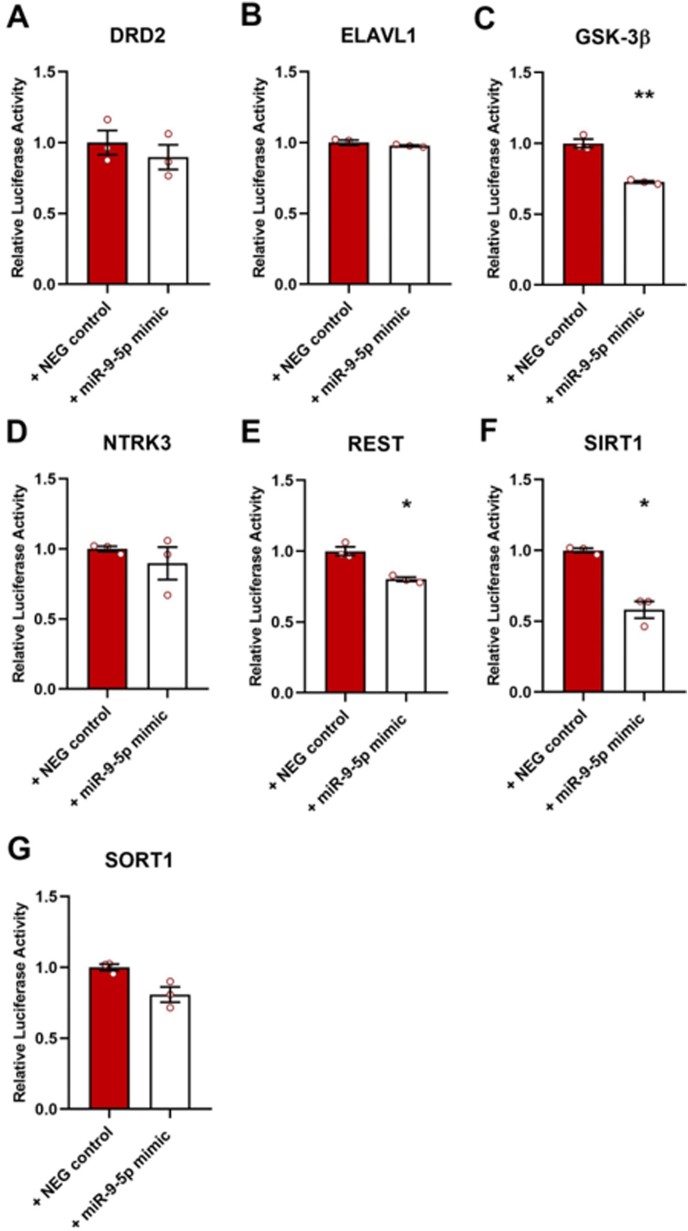
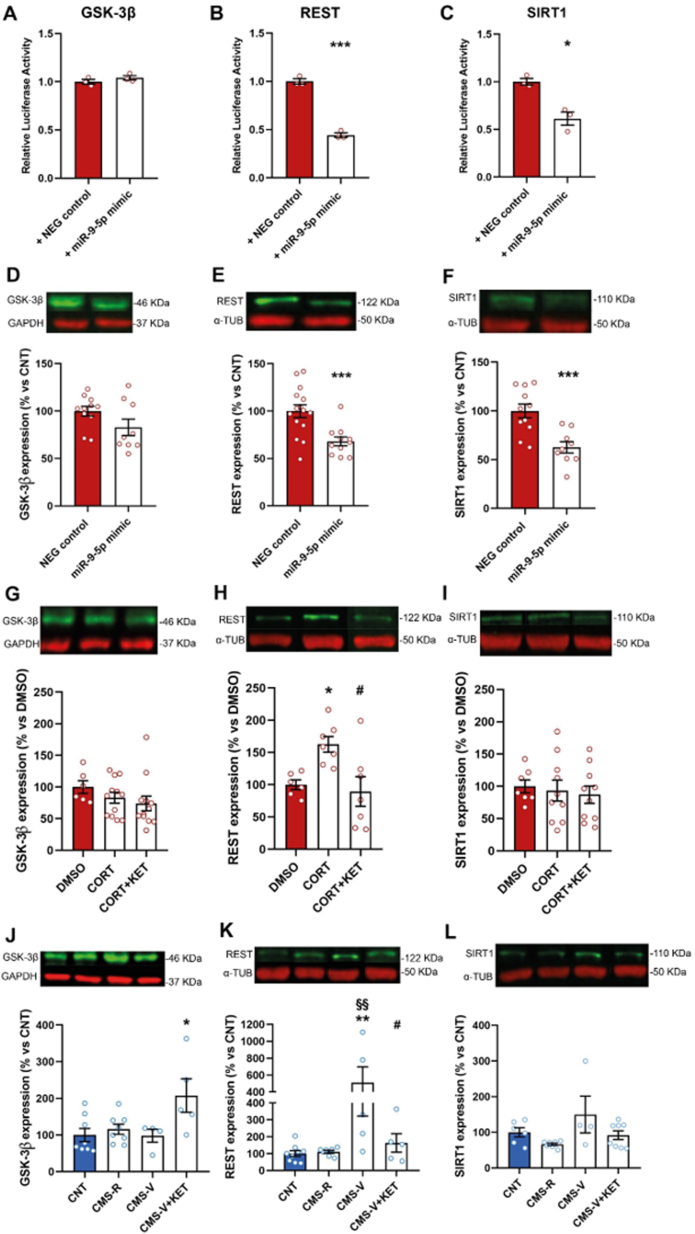
Converging clinical and preclinical evidence demonstrates that depressive phenotypes are associated with synaptic dysfunction and dendritic simplification in cortico-limbic glutamatergic areas. On the other hand, the rapid antidepressant effect of acute ketamine is consistently reported to occur together with the rescue of dendritic atrophy and reduction of spine number induced by chronic stress in the hippocampus and prefrontal cortex of animal models of depression. Nevertheless, the molecular mechanisms underlying these morphological alterations remain largely unknown. Here, we found that miR-9-5p levels were selectively reduced in the hippocampus of rats vulnerable to Chronic Mild Stress (CMS), while acute subanesthetic ketamine restored its levels to basal condition in just 24h; miR-9-5p expression inversely correlated with the anhedonic phenotype. A decrease of miR-9-5p was reproduced in an model of stress, based on primary hippocampal neurons incubated with the stress hormone corticosterone. In both CMS animals and primary neurons, decreased miR-9-5p levels were associated with dendritic simplification, while treatment with ketamine completely rescued the changes. modulation of miR-9-5p expression showed a direct role of miR-9-5p in regulating dendritic length and spine density in mature primary hippocampal neurons. Among the putative target genes tested, Rest and Sirt1 were validated as biological targets in primary neuronal cultures. Moreover, in line with miR-9-5p changes, REST protein expression levels were remarkably increased in both CMS vulnerable animals and corticosterone-treated neurons, while ketamine completely abolished this alteration. Finally, the shortening of dendritic length in corticosterone-treated neurons was shown to be partly rescued by miR-9-5p overexpression and dependent on REST protein expression. Overall, our data unveiled the functional role of miR-9-5p in the remodeling of dendritic arbor induced by stress/corticosterone in vulnerable animals and its rescue by acute antidepressant treatment with ketamine.
越来越多的临床和临床前证据表明,抑郁表型与皮质-边缘谷氨酸能区域的突触功能障碍和树突简化有关。另一方面,急性氯胺酮的快速抗抑郁作用一直被报道与动物抑郁模型海马体和前额叶皮质中慢性应激诱导的树突萎缩的恢复以及棘突数量的减少同时发生。然而,这些形态学改变背后的分子机制仍然很大程度上未知。在这里,我们发现,在易受慢性轻度应激(CMS)影响的大鼠海马体中,miR-9-5p水平选择性降低,而急性亚麻醉剂量的氯胺酮在短短24小时内就将其水平恢复到基础状态;miR-9-5p表达与快感缺失表型呈负相关。在基于用应激激素皮质酮孵育的原代海马神经元构建的应激模型中,miR-9-5p也出现了降低。在CMS动物和原代神经元中,miR-9-5p水平降低均与树突简化有关,而氯胺酮治疗完全挽救了这些变化。对miR-9-5p表达的调节显示了miR-9-5p在调节成熟原代海马神经元树突长度和棘突密度方面的直接作用。在所测试的假定靶基因中,Rest和Sirt1被验证为原代神经元培养物中的生物学靶标。此外,与miR-9-5p的变化一致,REST蛋白表达水平在CMS易感动物和皮质酮处理的神经元中均显著增加,而氯胺酮完全消除了这种改变。最后,皮质酮处理的神经元中树突长度的缩短被证明部分可通过miR-9-5p过表达挽救,且依赖于REST蛋白表达。总体而言,我们的数据揭示了miR-9-5p在应激/皮质酮诱导的易感动物树突重塑中的功能作用以及急性抗抑郁药氯胺酮治疗对其的挽救作用。