San Raffaele Telethon Institute for Gene Therapy (SR-TIGET), IRCCS San Raffaele Scientific Institute, Milan, Italy.
Vita-Salute San Raffaele University, Milan, Italy.
EMBO Mol Med. 2021 Oct 7;13(10):e13598. doi: 10.15252/emmm.202013598. Epub 2021 Aug 30.
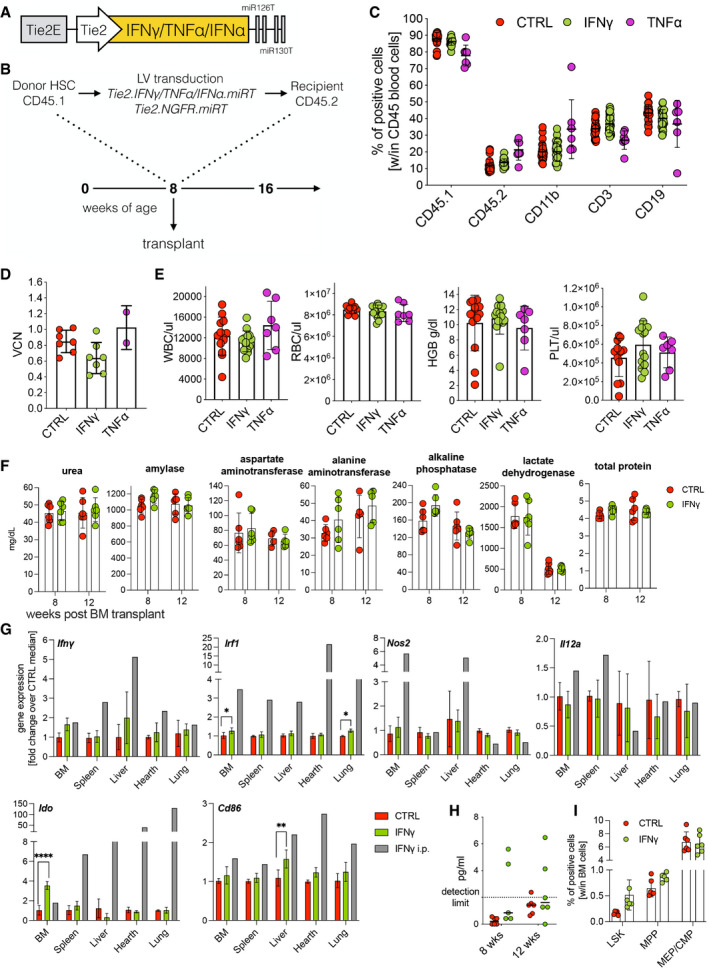
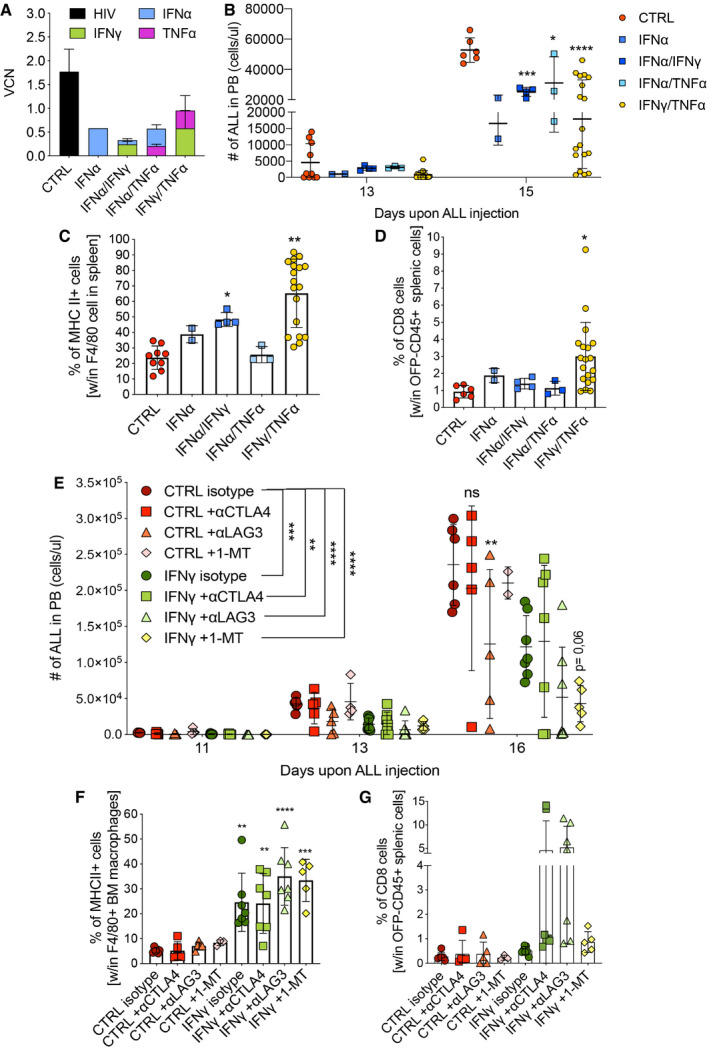
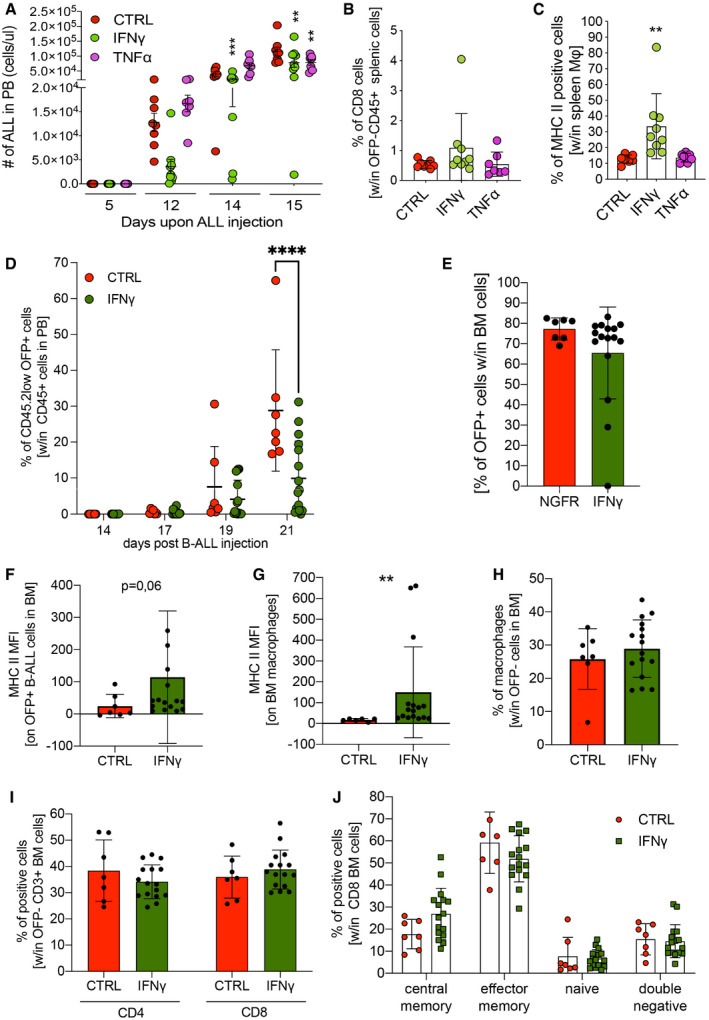
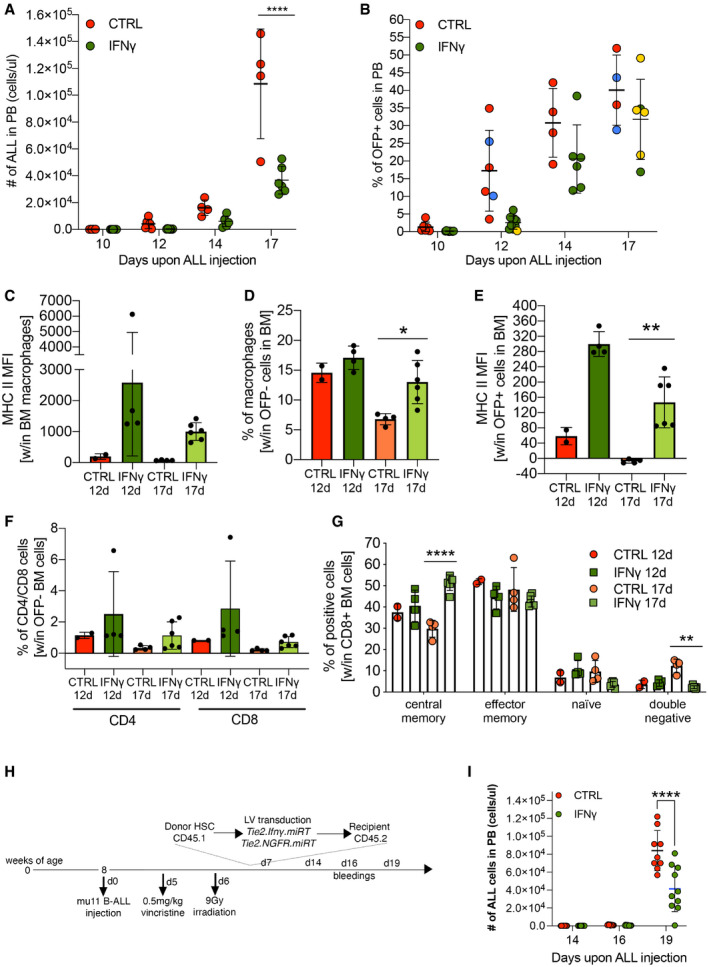
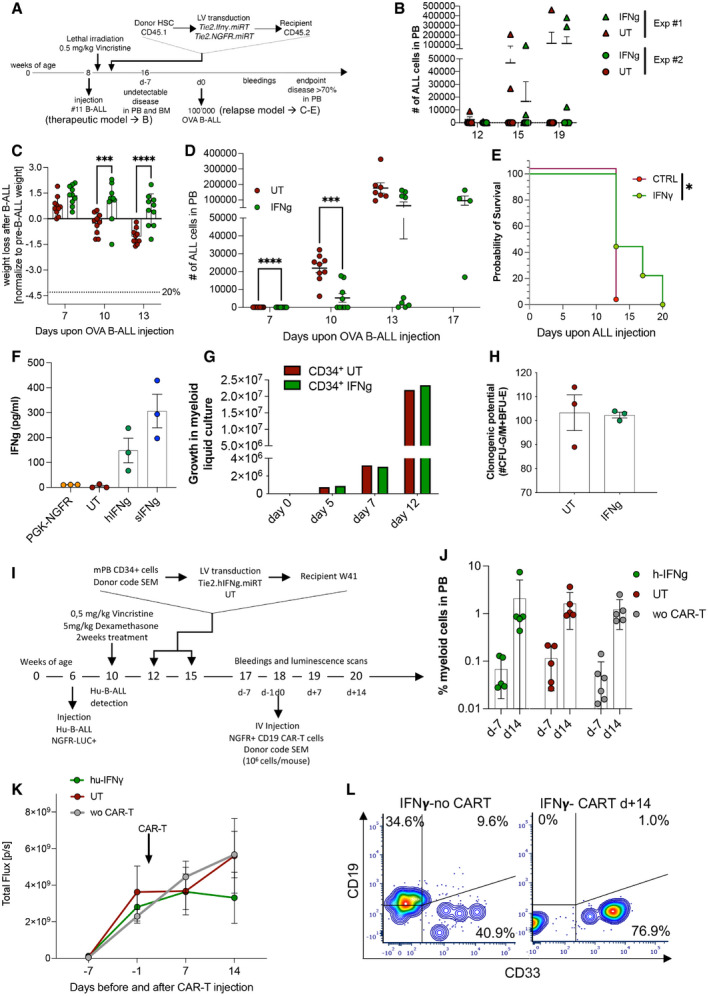
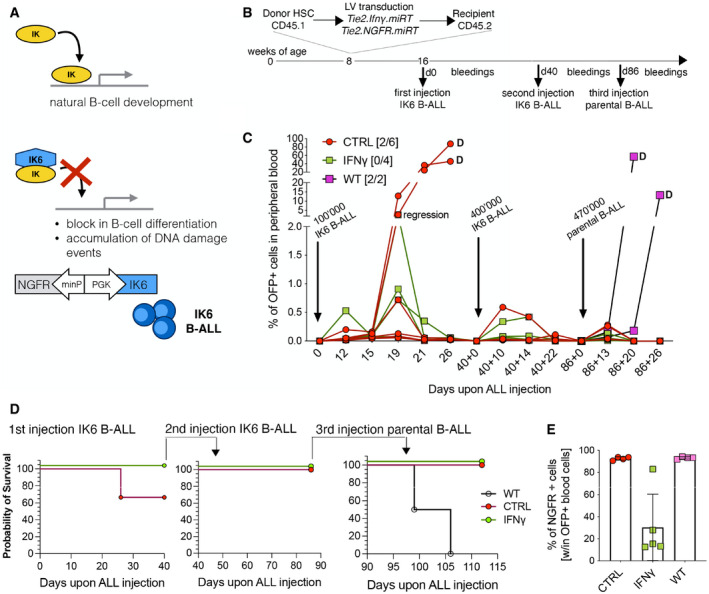
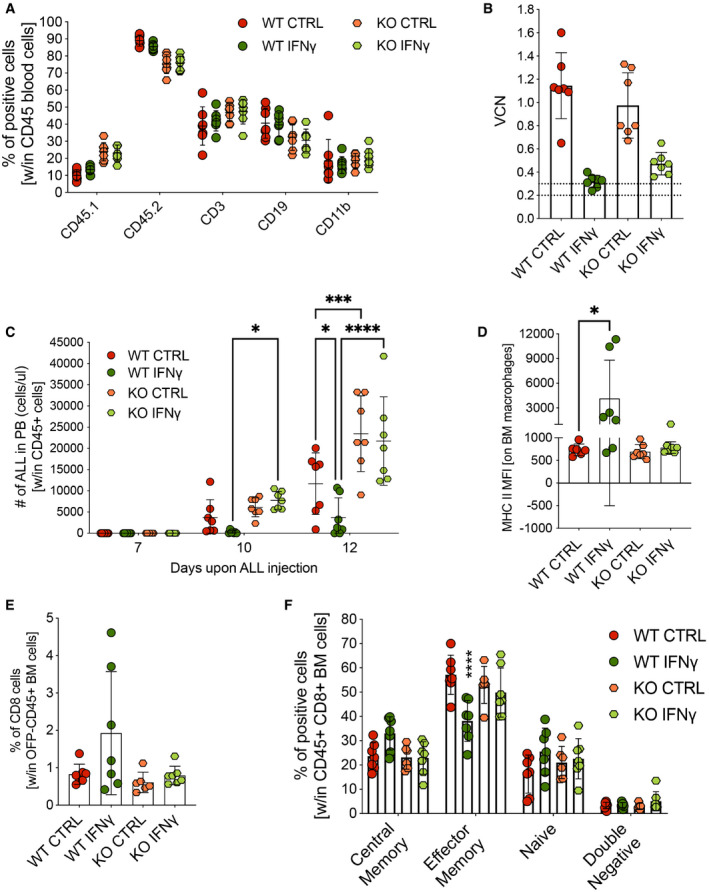
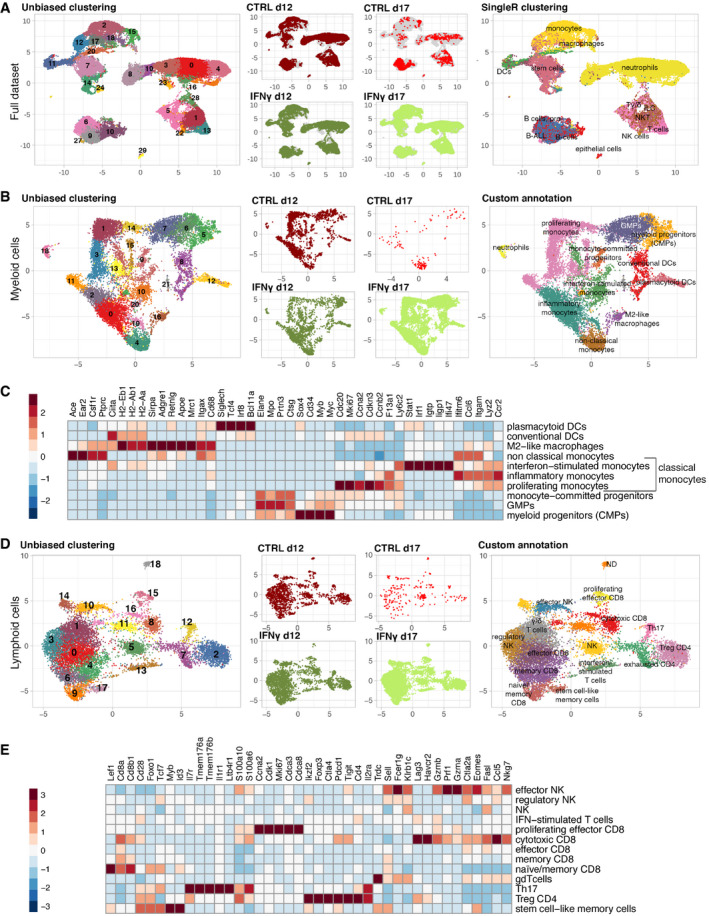
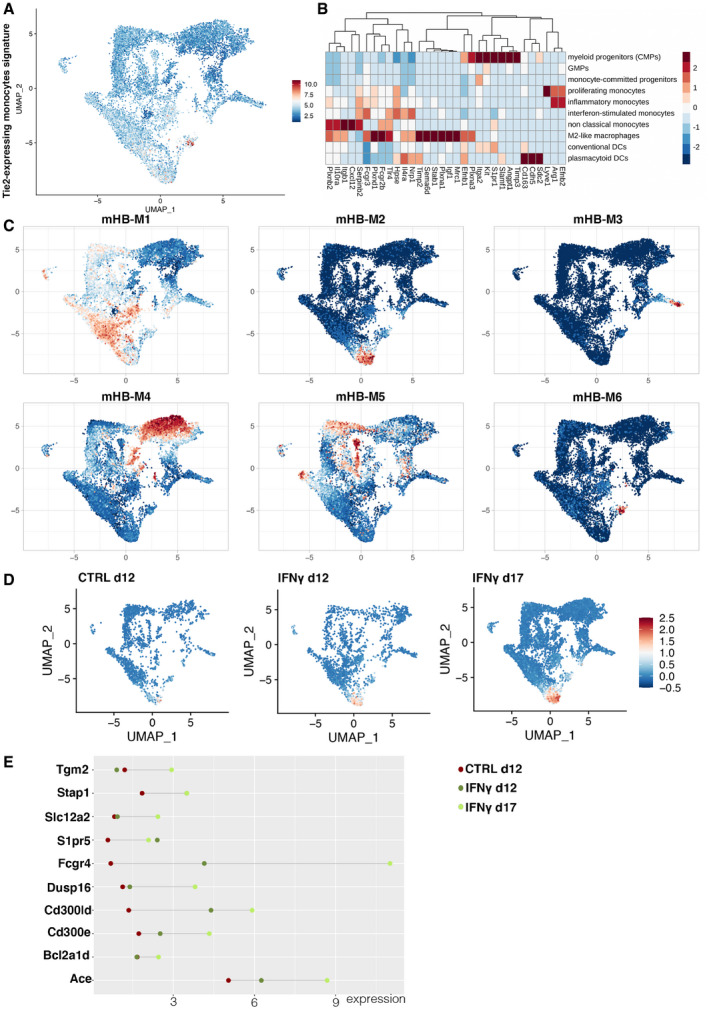
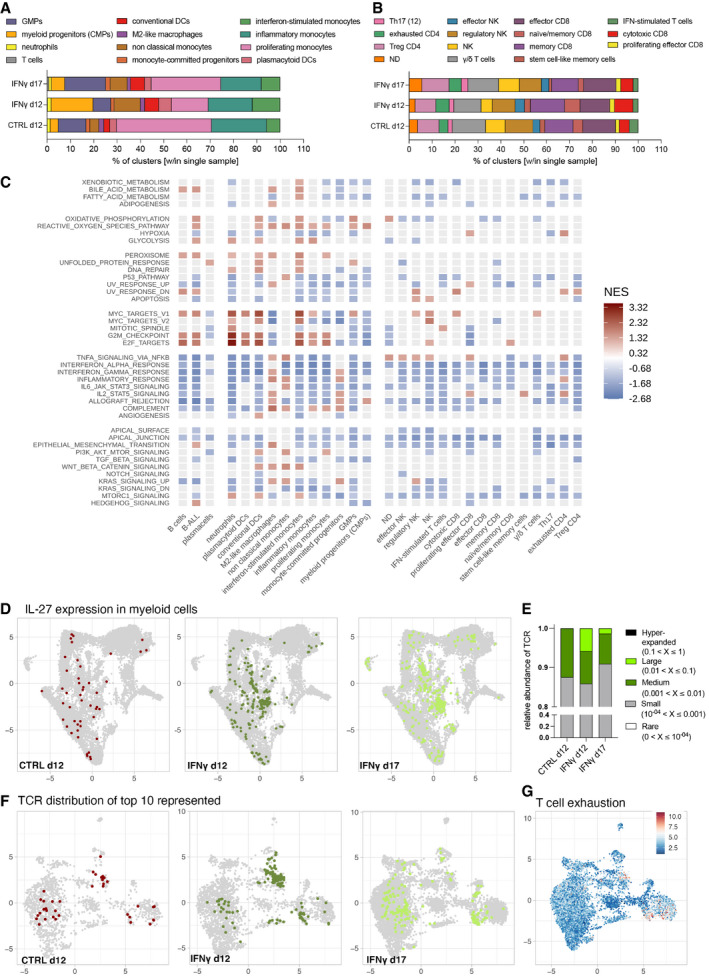
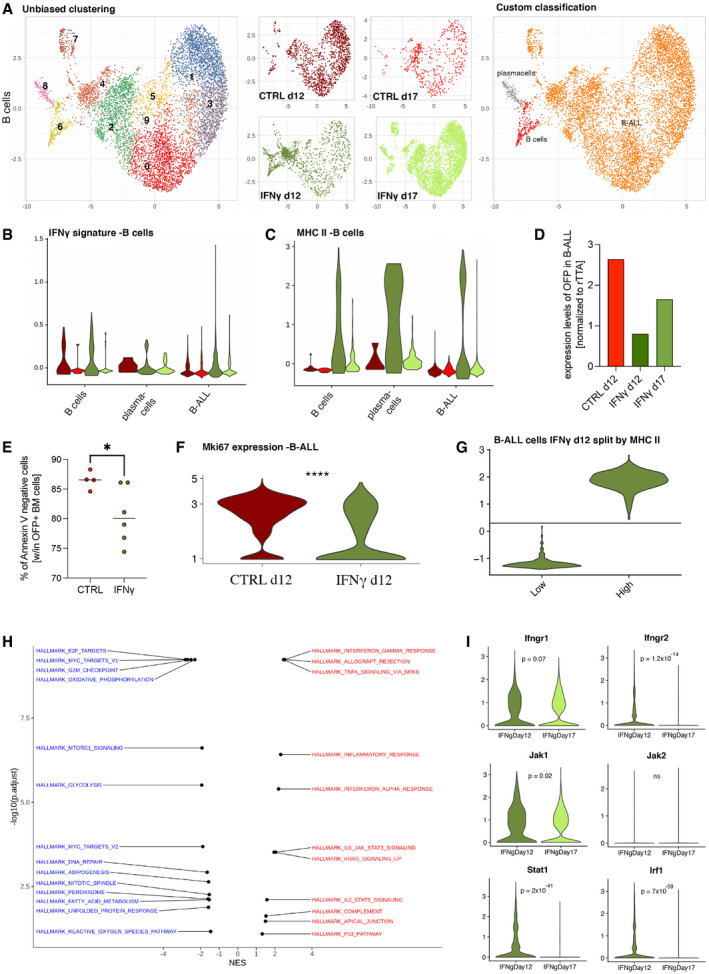
The immunosuppressive microenvironment surrounding tumor cells represents a key cause of treatment failure. Therefore, immunotherapies aimed at reprogramming the immune system have largely spread in the past years. We employed gene transfer into hematopoietic stem and progenitor cells to selectively express anti-tumoral cytokines in tumor-infiltrating monocytes/macrophages. We show that interferon-γ (IFN-γ) reduced tumor progression in mouse models of B-cell acute lymphoblastic leukemia (B-ALL) and colorectal carcinoma (MC38). Its activity depended on the immune system's capacity to respond to IFN-γ and drove the counter-selection of leukemia cells expressing surrogate antigens. Gene-based IFN-γ delivery induced antigen presentation in the myeloid compartment and on leukemia cells, leading to a wave of T cell recruitment and activation, with enhanced clonal expansion of cytotoxic CD8 T lymphocytes. The activity of IFN-γ was further enhanced by either co-delivery of tumor necrosis factor-α (TNF-α) or by drugs blocking immunosuppressive escape pathways, with the potential to obtain durable responses.
肿瘤细胞周围的免疫抑制微环境是治疗失败的一个关键原因。因此,近年来,旨在重新编程免疫系统的免疫疗法已广泛传播。我们采用基因转移到造血干细胞和祖细胞中,选择性地在浸润肿瘤的单核细胞/巨噬细胞中表达抗肿瘤细胞因子。我们发现,干扰素-γ (IFN-γ) 可降低 B 细胞急性淋巴细胞白血病 (B-ALL) 和结直肠癌 (MC38) 小鼠模型中的肿瘤进展。其活性取决于免疫系统对 IFN-γ的反应能力,并促使表达替代抗原的白血病细胞发生反选择。基于基因的 IFN-γ传递诱导髓系细胞和白血病细胞中的抗原呈递,导致 T 细胞募集和激活的浪潮,细胞毒性 CD8 T 淋巴细胞的克隆扩增增强。IFN-γ 的活性通过共递送肿瘤坏死因子-α (TNF-α) 或通过阻断免疫抑制逃逸途径的药物进一步增强,具有获得持久反应的潜力。