Georgia Cancer Center, Augusta University, 1410 Laney Walker Blvd, GA, 30912, Augusta, USA.
Department of Pediatrics, Tongji Hospital, Tongji Medical College, Huazhong University of Science and Technology, Wuhan, China.
Mol Cancer. 2021 Dec 14;20(1):165. doi: 10.1186/s12943-021-01460-1.
Stem Cell leukemia/lymphoma syndrome (SCLL) presents as a myeloproliferative disease which can progress to acute myeloid leukemia and is associated with the coincident development of B-cell and T-cell lymphomas. SCLL is driven by the constitutive activation of fibroblast growth factor receptor-1 (FGFR1) as a result of chromosome translocations with poor outcome. Mouse models have been developed which faithfully recapitulate the human disease and have been used to characterize the molecular genetic events that are associated with development and progression of the disease.
CRISPR/Cas9 approaches were used to generate SCLL cells null for Interleukin receptor associated kinase 1 (IRAK1) and interferon gamma (IFNG) which were introduced into syngeneic hosts through tail vein injection. Development of the disease and changes in immune cell composition and activity were monitored using flow cytometry. Bead-based immunoassays were used to compare the cytokine and chemokine profiles of control and knock out (KO) cells. Antibody mediated, targeted depletion of T cell and MDSCs were performed to evaluate their role in antitumor immune responses.
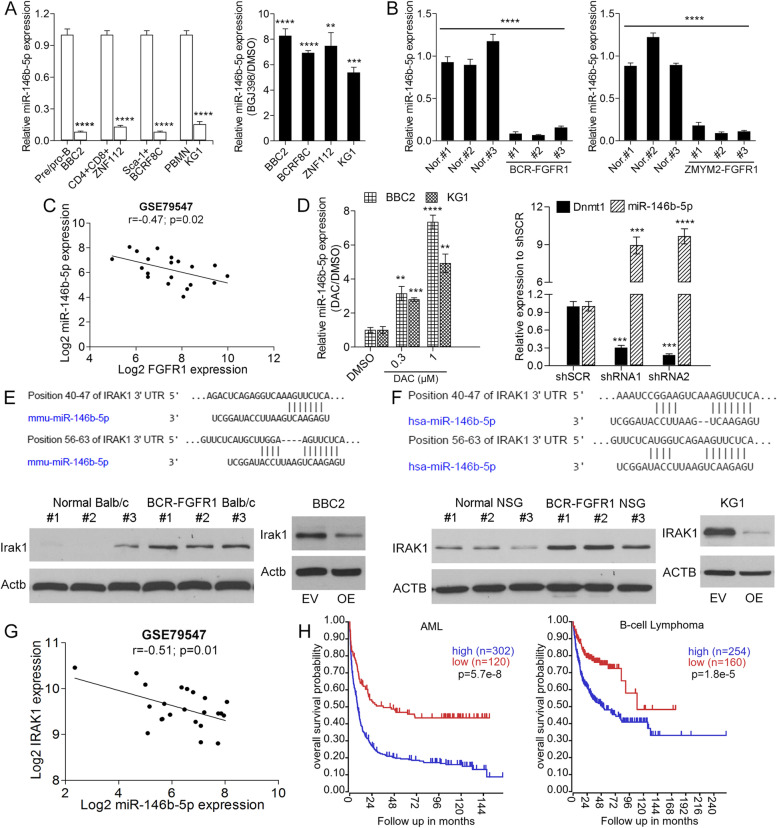
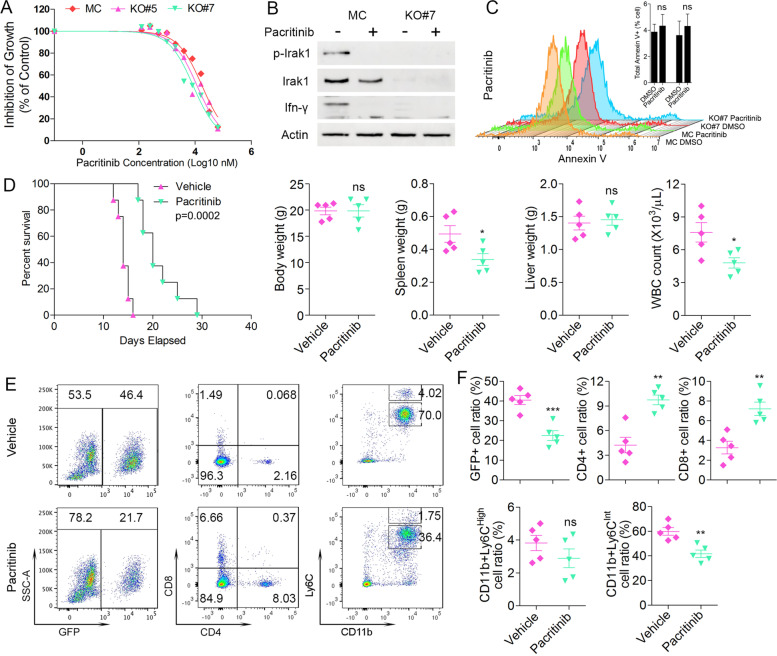
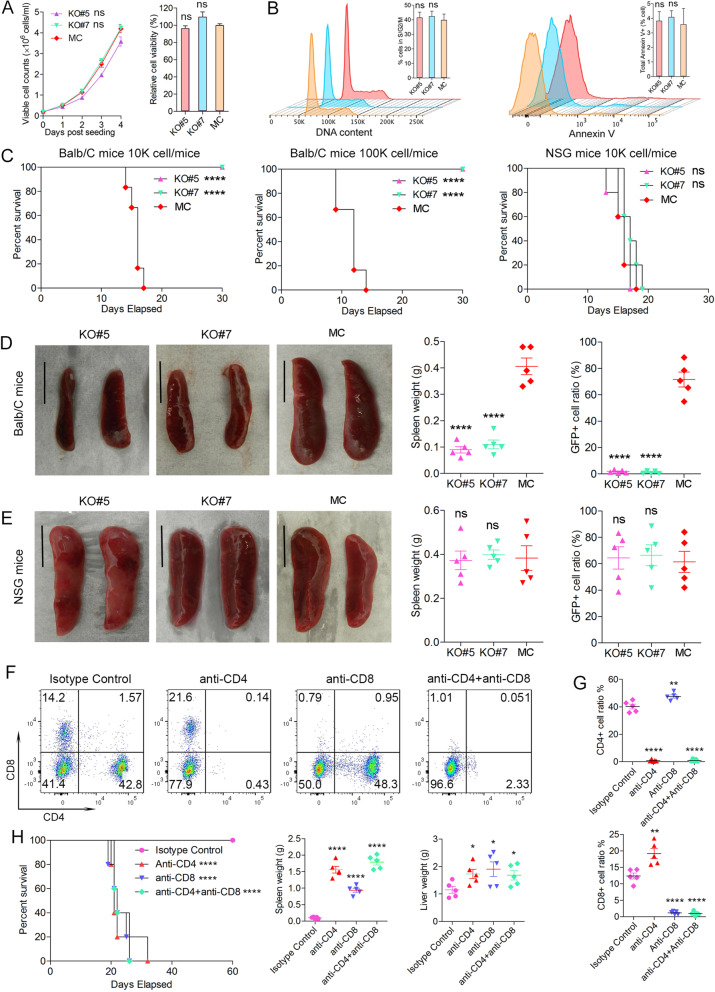
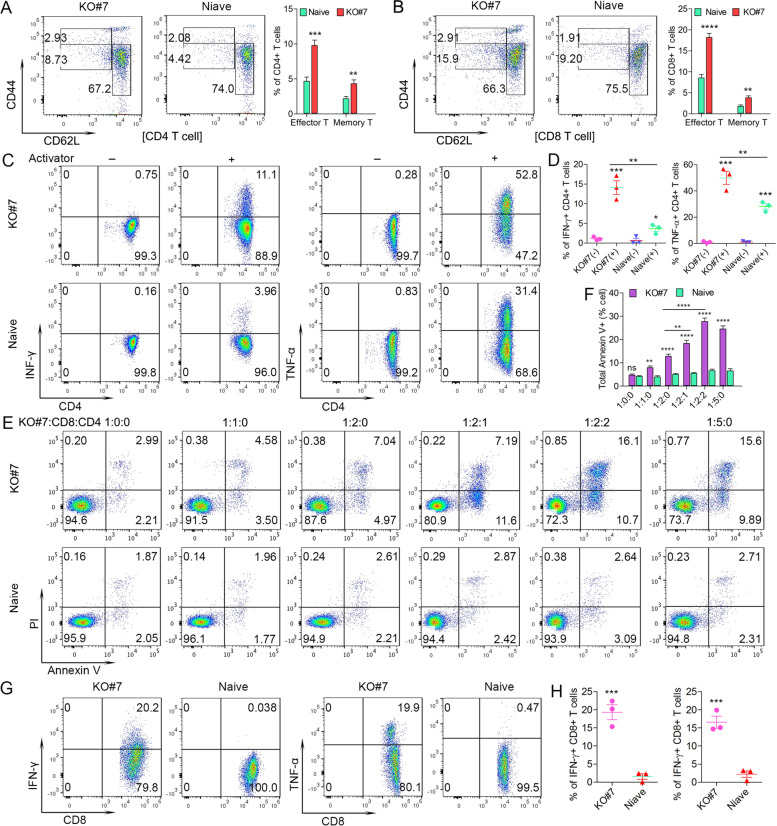
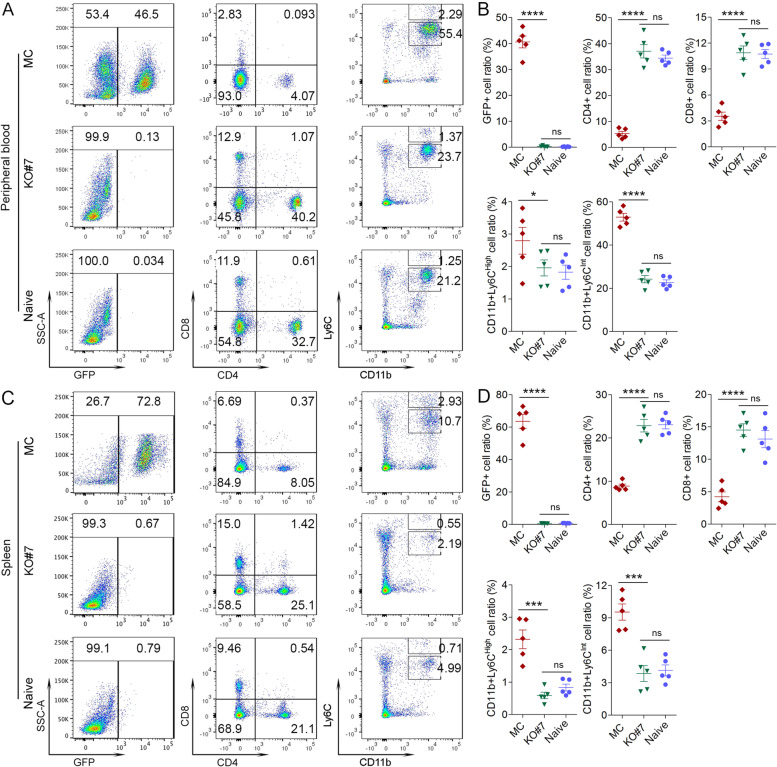
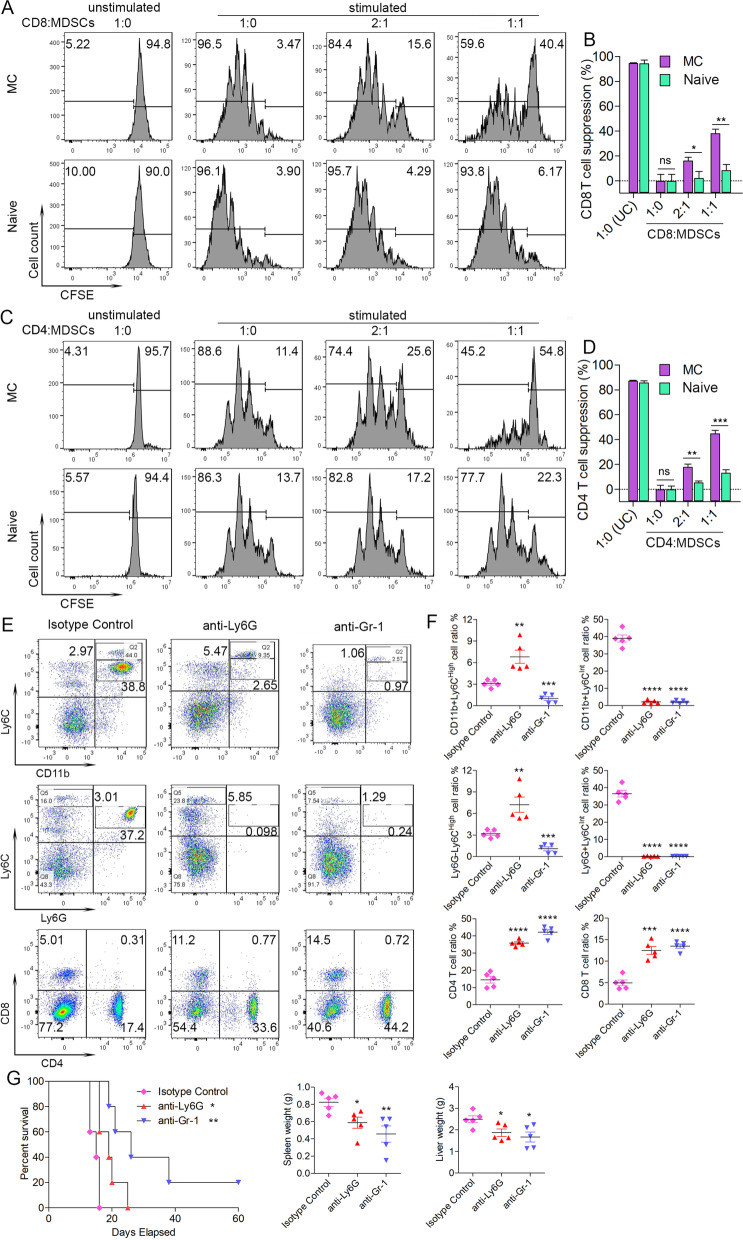
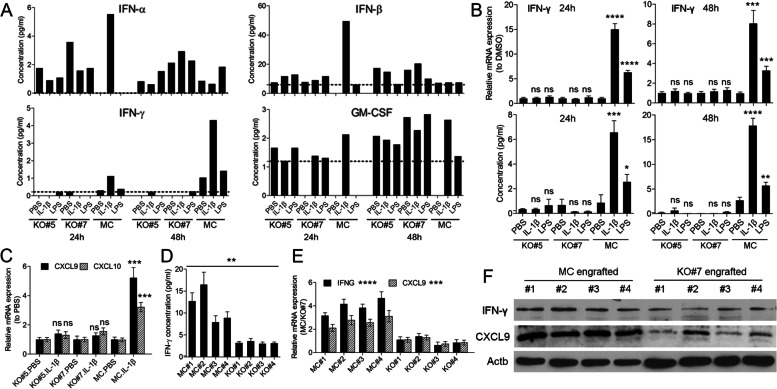
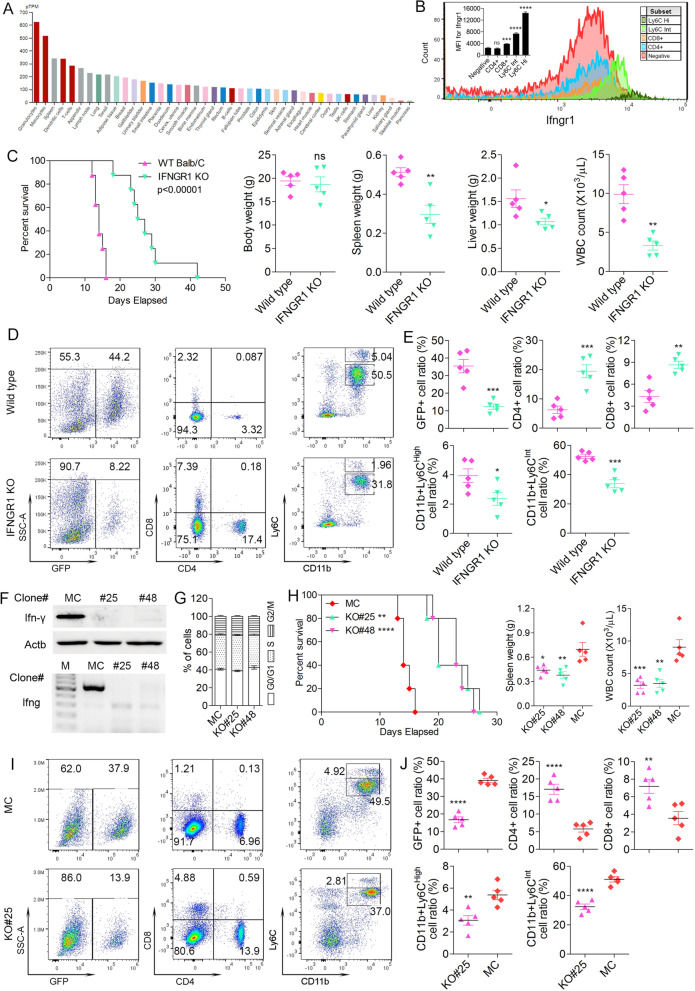
In SCLL, FGFR1 activation silences miR-146b-5p through DNMT1-mediated promoter methylation, which derepresses the downstream target IRAK1. IRAK1 KO SCLL cells were xenografted into immunocompetent syngeneic mice where the typical rapid progression of disease was lost and the mice remained disease free. IRAK1 in this system has no effect on cell cycle progression or apoptosis and robust growth of the KO cells in immunodeficient mice suggested an effect on immune surveillance. Depletion of T-cells in immunocompetent mice restored leukemogenesis of the KO cells, and tumor killing assays confirmed the role of T cells in tumor clearance. Analysis of the immune cell profile in mice transplanted with the IRAK1 expressing mock control (MC) cells shows that there is an increase in levels of myeloid-derived suppressor cells (MDSCs) with a concomitant decrease in CD4+/CD8+ T-cell levels. MDSC suppression assays and depletion experiments showed that these MDSCs were responsible for suppression of the T cell mediated leukemia cell elimination. Immuno-profiling of a panel of secreted cytokines and chemokines showed that activation of IFN-γ is specifically impaired in the KO cells. In vitro and in vivo expression assays and engraftment with interferon gamma receptor-1 (IFNGR1) null mice and IFNG KO SCLL cells, showed the leukemia cells produced IFN-γ directly participating in the induction of MDSCs to establish immune evasion. Inhibition of IRAK1 using pacritinib suppresses leukemogenesis with impaired induction of MDSCs and attenuated suppression of CD4+/CD8+ T-cells.
IRAK1 orchestrates a previously unknown FGFR1-directed immune escape mechanism in SCLL, through induction of MDSCs via regulation of IFN-γ signaling from leukemia cells, and targeting IRAK1 may provide a means of suppressing tumor growth in this syndrome by restoring immune surveillance.
干细胞白血病/淋巴瘤综合征 (SCLL) 表现为骨髓增生性疾病,可进展为急性髓系白血病,并伴有 B 细胞和 T 细胞淋巴瘤的同时发生。SCLL 是由成纤维细胞生长因子受体 1 (FGFR1) 的组成性激活驱动的,这是由于染色体易位导致的,预后不良。已经开发了小鼠模型,这些模型忠实地再现了人类疾病,并用于表征与疾病发展和进展相关的分子遗传事件。
使用 CRISPR/Cas9 方法生成缺乏白细胞介素受体相关激酶 1 (IRAK1) 和干扰素 γ (IFNG) 的 SCLL 细胞,并通过尾静脉注射将其引入同种异体宿主。通过流式细胞术监测疾病的发展以及免疫细胞组成和活性的变化。使用基于珠子的免疫测定法比较对照和敲除 (KO) 细胞的细胞因子和趋化因子谱。进行抗体介导的、靶向 T 细胞和 MDSC 的耗竭,以评估它们在抗肿瘤免疫反应中的作用。
在 SCLL 中,FGFR1 激活通过 DNMT1 介导的启动子甲基化沉默 miR-146b-5p,从而解除下游靶标 IRAK1 的抑制。IRAK1 KO SCLL 细胞被异种移植到免疫功能正常的同种异体小鼠中,其中典型的快速疾病进展丢失,小鼠保持无病状态。在该系统中,IRAK1 对细胞周期进程或细胞凋亡没有影响,而免疫缺陷小鼠中 KO 细胞的强大生长表明对免疫监视有影响。在免疫功能正常的小鼠中耗尽 T 细胞可恢复 KO 细胞的白血病发生,肿瘤杀伤测定证实了 T 细胞在肿瘤清除中的作用。分析移植 IRAK1 表达模拟对照 (MC) 细胞的小鼠的免疫细胞谱表明,髓源性抑制细胞 (MDSC) 的水平增加,同时 CD4+/CD8+T 细胞水平降低。MDSC 抑制测定和耗竭实验表明,这些 MDSC 负责抑制 T 细胞介导的白血病细胞消除。对一组分泌细胞因子和趋化因子的免疫分析表明,KO 细胞中 IFN-γ 的激活受到特异性损害。体外和体内表达测定以及与干扰素 γ 受体 1 (IFNGR1) 缺失小鼠和 IFNG KO SCLL 细胞的移植表明,白血病细胞直接产生 IFN-γ,参与诱导 MDSC 以建立免疫逃避。使用帕克里替尼抑制 IRAK1 会通过抑制 MDSC 的诱导和减弱 CD4+/CD8+T 细胞的抑制来抑制白血病发生。
IRAK1 通过调节白血病细胞产生的 IFN-γ 信号转导,在 SCLL 中协调了一种先前未知的 FGFR1 定向免疫逃避机制,靶向 IRAK1 可能通过恢复免疫监视来抑制该综合征中的肿瘤生长。