Center for Regenerative Medicine, Boston University and Boston Medical Center, Boston, MA 02118, USA; The Pulmonary Center and Department of Medicine, Boston University School of Medicine, Boston, MA 02118, USA.
Pulmonary, Allergy, and Critical Care Division, Department of Medicine, University of Pennsylvania Perelman School of Medicine, Philadelphia, PA 19104, USA; PENN-CHOP Lung Biology Institute, University of Pennsylvania Perelman School of Medicine, Philadelphia, PA 19104, USA.
Cell Rep. 2021 Aug 31;36(9):109636. doi: 10.1016/j.celrep.2021.109636.
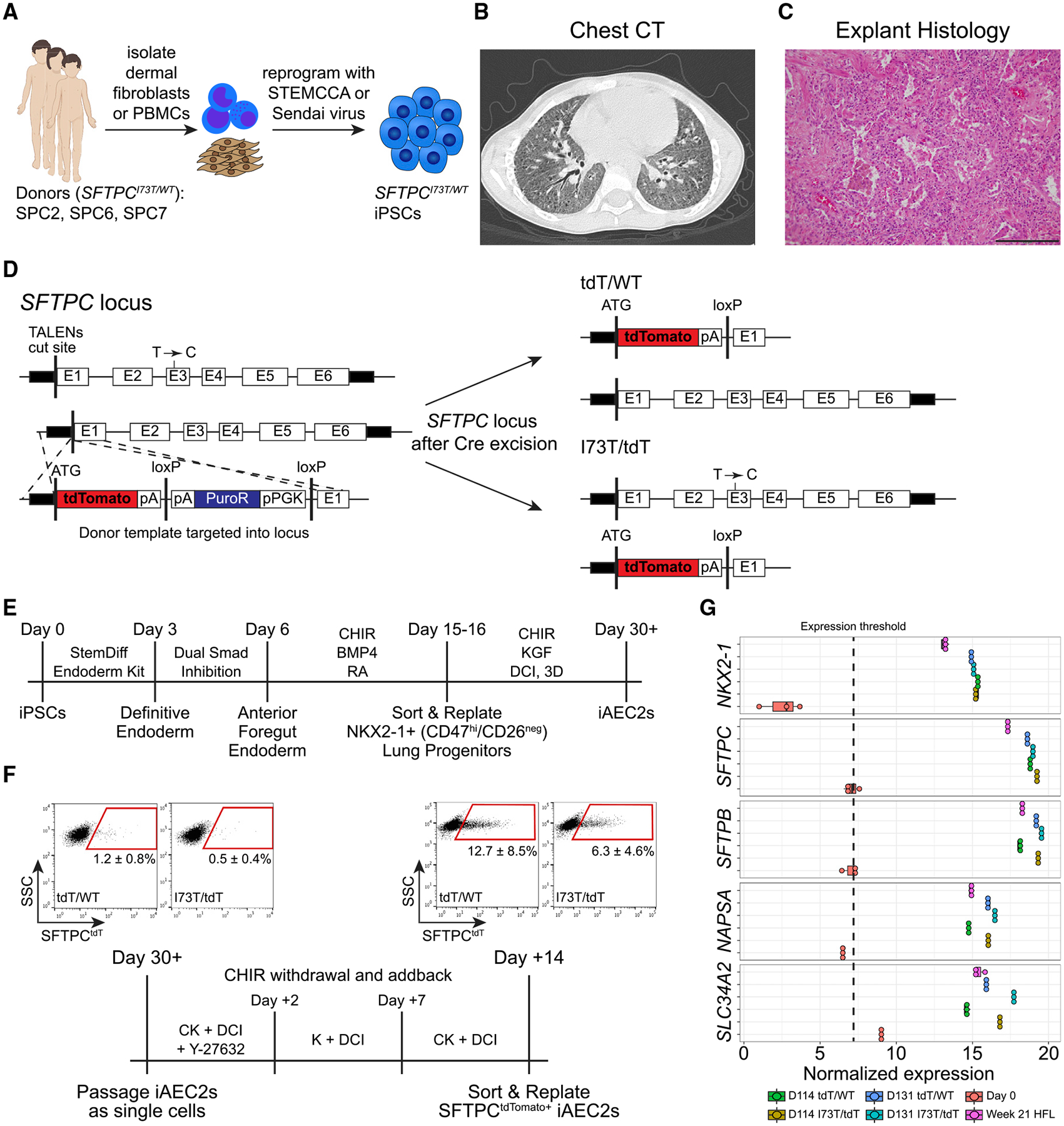
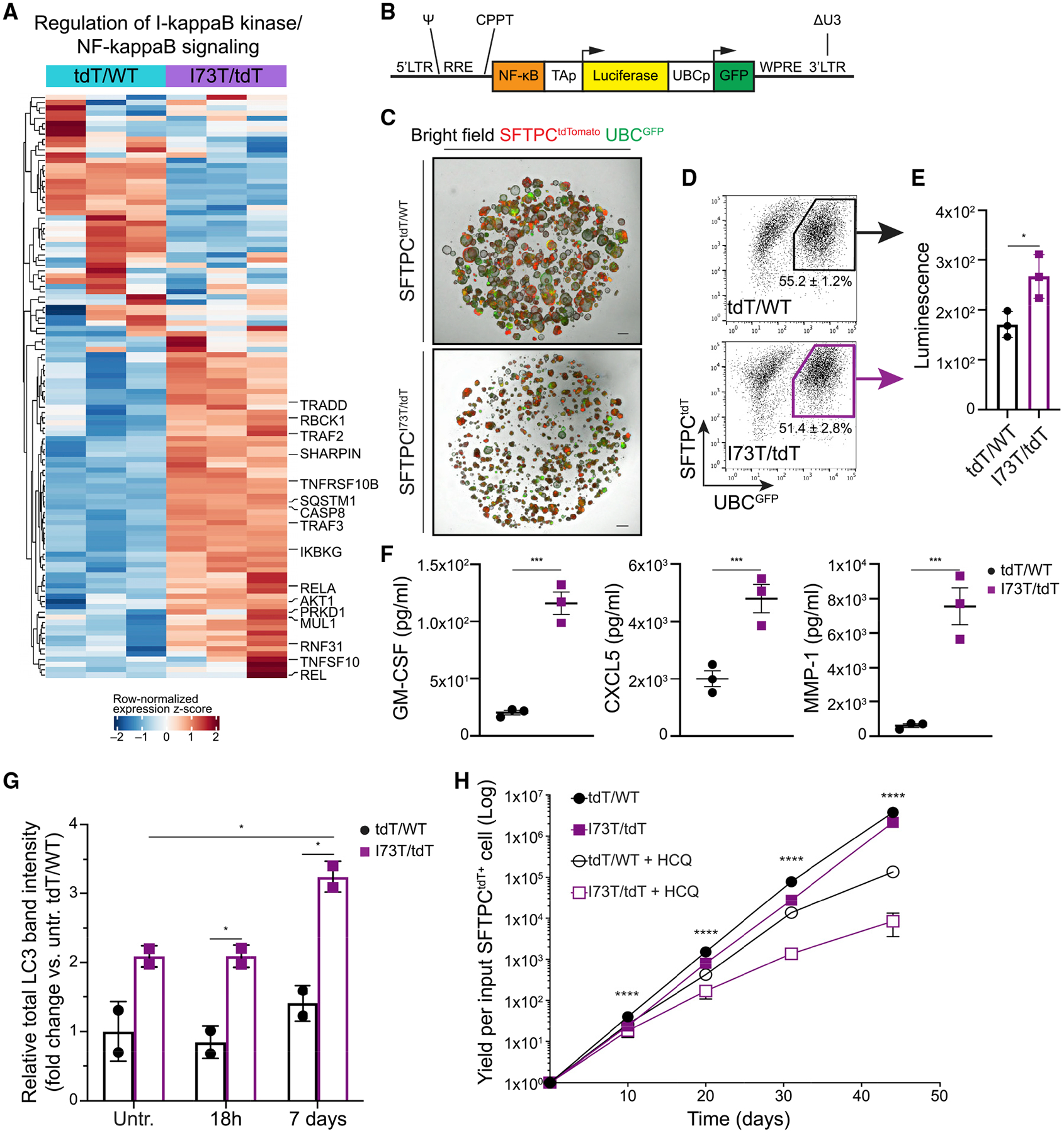
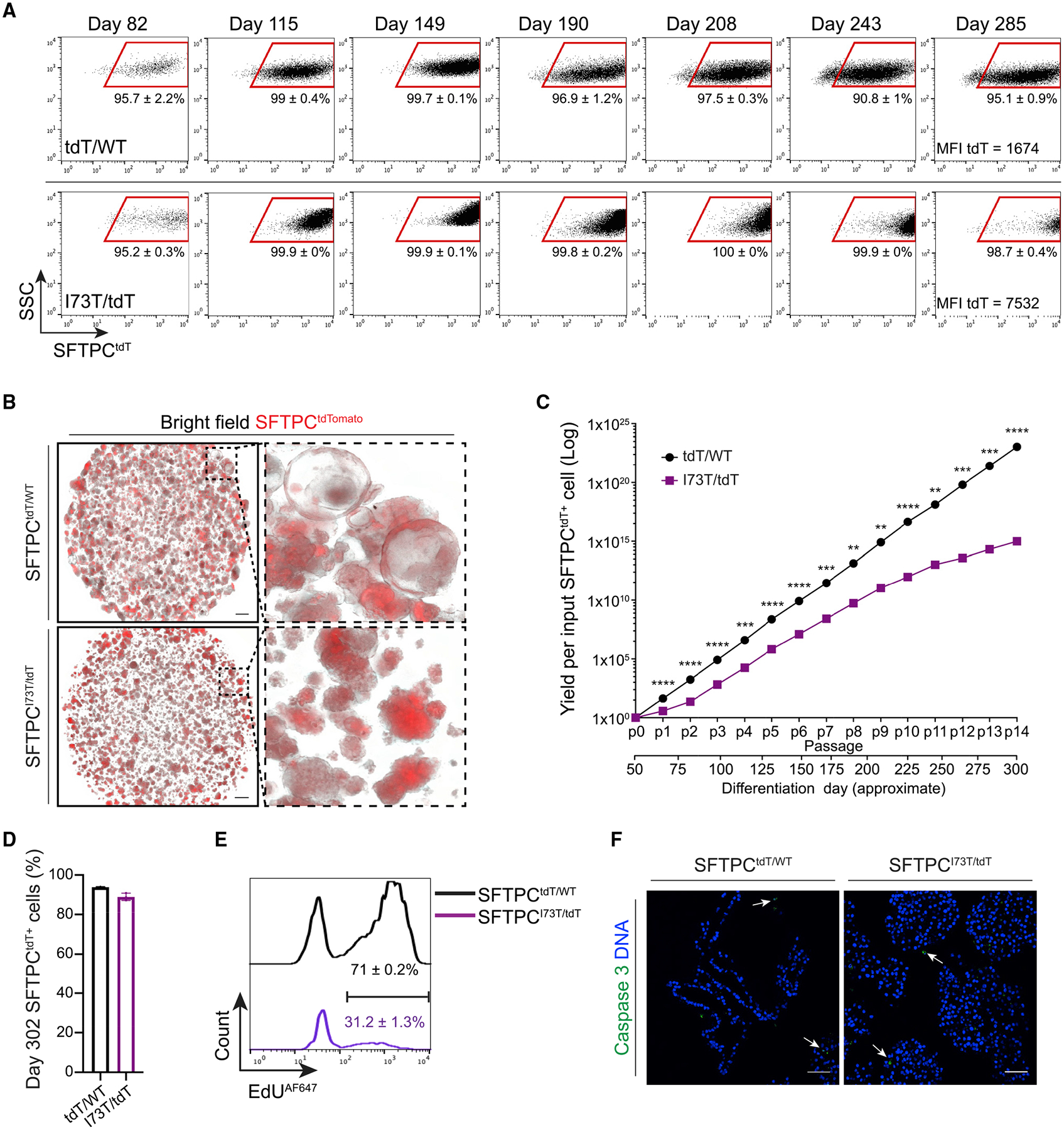
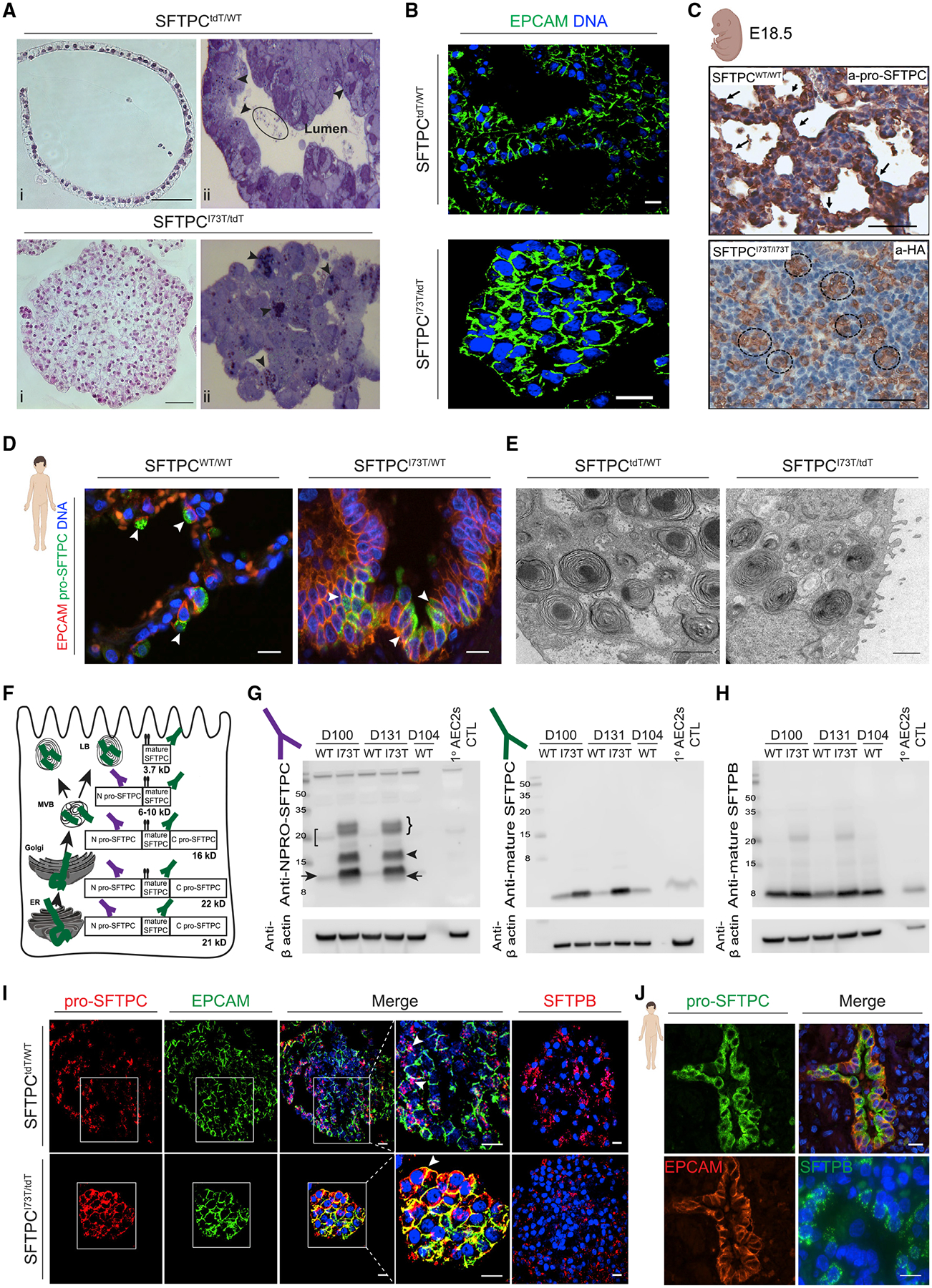
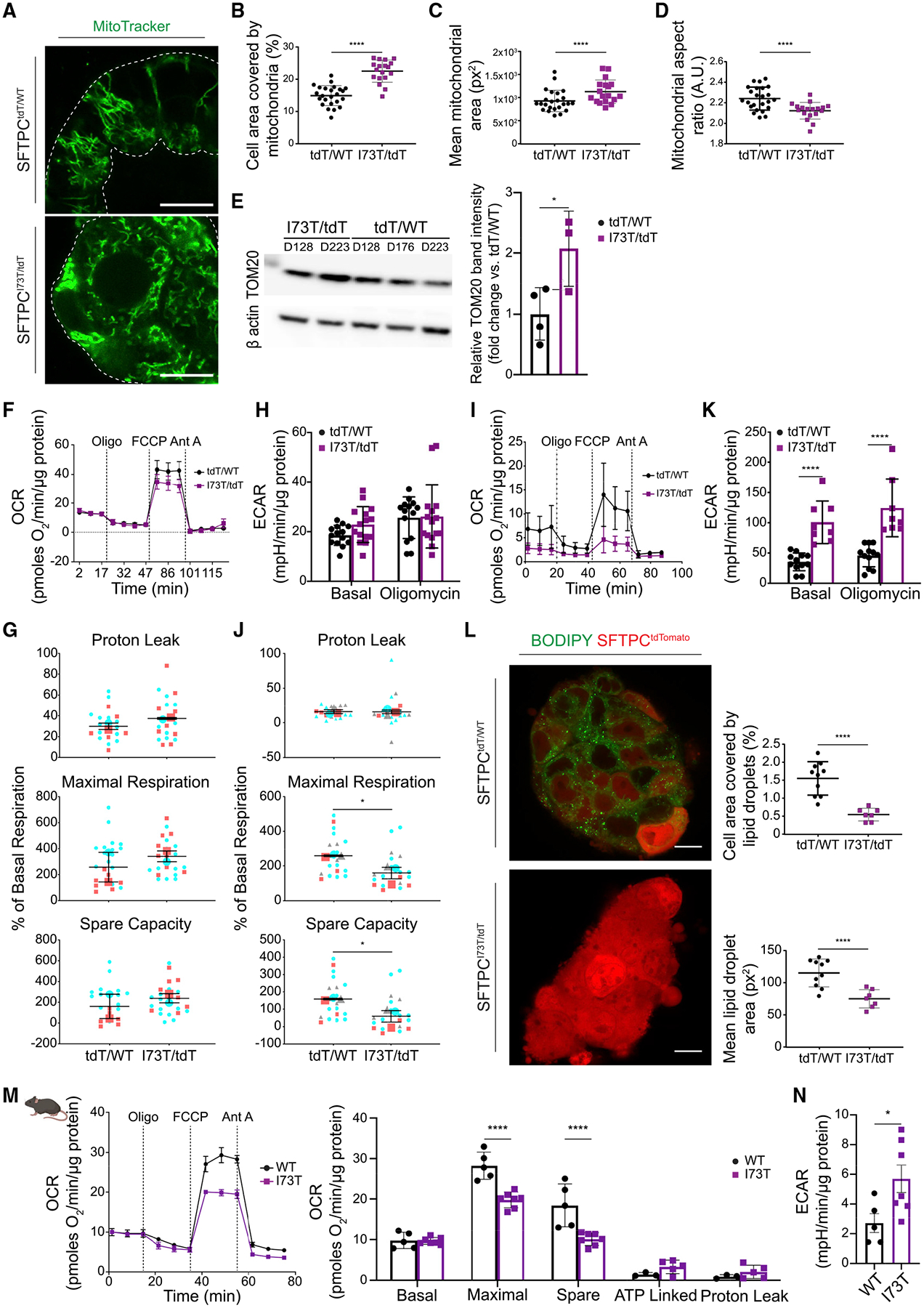
Alveolar epithelial type 2 cell (AEC2) dysfunction is implicated in the pathogenesis of adult and pediatric interstitial lung disease (ILD), including idiopathic pulmonary fibrosis (IPF); however, identification of disease-initiating mechanisms has been impeded by inability to access primary AEC2s early on. Here, we present a human in vitro model permitting investigation of epithelial-intrinsic events culminating in AEC2 dysfunction, using patient-specific induced pluripotent stem cells (iPSCs) carrying an AEC2-exclusive disease-associated variant (SFTPC). Comparing syngeneic mutant versus gene-corrected iPSCs after differentiation into AEC2s (iAEC2s), we find that mutant iAEC2s accumulate large amounts of misprocessed and mistrafficked pro-SFTPC protein, similar to in vivo changes, resulting in diminished AEC2 progenitor capacity, perturbed proteostasis, altered bioenergetic programs, time-dependent metabolic reprogramming, and nuclear factor κB (NF-κB) pathway activation. Treatment of SFTPC-expressing iAEC2s with hydroxychloroquine, a medication used in pediatric ILD, aggravates the observed perturbations. Thus, iAEC2s provide a patient-specific preclinical platform for modeling the epithelial-intrinsic dysfunction at ILD inception.
肺泡上皮细胞 2 型(AEC2)功能障碍与成人和儿童间质性肺病(ILD)的发病机制有关,包括特发性肺纤维化(IPF);然而,由于无法早期获得原发性 AEC2,疾病起始机制的鉴定受到了阻碍。在这里,我们提出了一种人类体外模型,允许使用携带 AEC2 特有疾病相关变体(SFTPC)的患者特异性诱导多能干细胞(iPSC)研究导致 AEC2 功能障碍的上皮固有事件。在将同源突变体 iPSC 分化为 AEC2(iAEC2)后与基因校正的 iPSC 进行比较,我们发现突变型 iAEC2 积累了大量错误处理和错误运输的前 SFTPC 蛋白,类似于体内变化,导致 AEC2 祖细胞能力下降、蛋白质稳态紊乱、生物能量程序改变、时间依赖性代谢重编程和核因子 κB(NF-κB)途径激活。用羟氯喹(一种用于儿科 ILD 的药物)处理表达 SFTPC 的 iAEC2 会加重观察到的扰动。因此,iAEC2 为在 ILD 起始时模拟上皮固有功能障碍提供了一个基于患者的临床前平台。