Soutome Sakiko, Yanamoto Souichi, Nishii Mika, Kojima Yuka, Hasegawa Takumi, Funahara Madoka, Akashi Masaya, Saito Toshiyuki, Umeda Masahiro
Department of Oral Health, Nagasaki University Graduate School of Biomedical Sciences, Nagasaki, Japan.
Department of Clinical Oral Oncology, Nagasaki University Graduate School of Biomedical Sciences, Nagasaki, Japan.
J Dent Sci. 2021 Oct;16(4):1241-1246. doi: 10.1016/j.jds.2021.01.009. Epub 2021 Feb 9.
BACKGROUND/PURPOSE: Radiotherapy for head and neck cancer often causes severe oral mucositis. The purpose of this retrospective study was to further examine the risk factors for developing severe oral mucositis in patients with oral cancer undergoing radiotherapy as a compliment to a previous study performed by our group.
A total of 181 patients with oral cancer undergoing radiotherapy were enrolled in the study. The association between a number of potential risk factors and grade 3 oral mucositis were analyzed using the cox proportional hazard model and a logistic regression analysis.
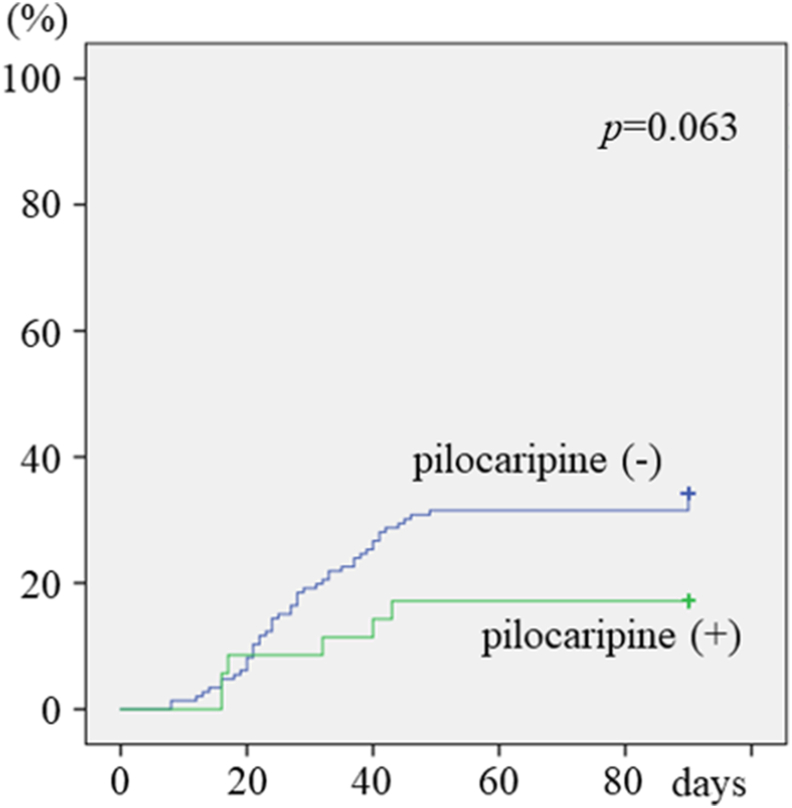
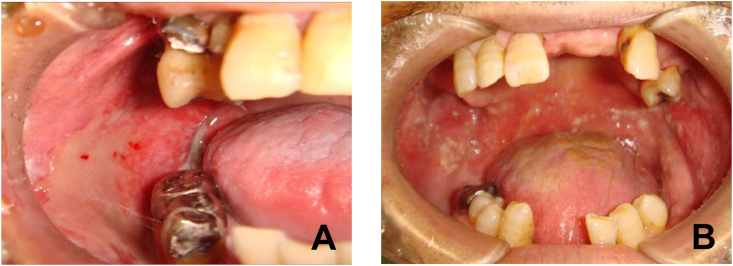
Grade 3 oral mucositis occurred in 56 patients. The cox proportional hazard model analysis revealed that those with lower hemoglobin levels, concurrent cisplatin and cetuximab administration, and a larger number of teeth showed a significantly higher incidence of severe oral mucositis. Logistic regression analysis revealed that patients who had lower hemoglobin levels, received concurrent cisplatin or cetuximab treatment, and were not administered pilocarpine showed a significantly higher incidence of severe oral mucositis. The presence of teeth may stimulate the oral mucosa and become a risk factor for mucositis, and the administration of pilocarpine might reduce the risk.
This study describes the risk factors of severe radiation-induced oral mucositis in oral cancer patients and shows the possibility of risk reduction by pilocarpine. This information could help patients avoid painful mucositis.
背景/目的:头颈部癌放疗常导致严重的口腔黏膜炎。本回顾性研究的目的是进一步探究接受放疗的口腔癌患者发生严重口腔黏膜炎的危险因素,作为我们团队之前一项研究的补充。
本研究共纳入181例接受放疗的口腔癌患者。使用Cox比例风险模型和逻辑回归分析来分析多种潜在危险因素与3级口腔黏膜炎之间的关联。
56例患者发生了3级口腔黏膜炎。Cox比例风险模型分析显示,血红蛋白水平较低、同时使用顺铂和西妥昔单抗以及牙齿数量较多的患者,严重口腔黏膜炎的发生率显著更高。逻辑回归分析显示,血红蛋白水平较低、接受顺铂或西妥昔单抗联合治疗且未使用毛果芸香碱的患者,严重口腔黏膜炎的发生率显著更高。牙齿的存在可能刺激口腔黏膜并成为黏膜炎的危险因素,而使用毛果芸香碱可能会降低风险。
本研究描述了口腔癌患者严重放射性口腔黏膜炎的危险因素,并显示了使用毛果芸香碱降低风险的可能性。这些信息有助于患者避免痛苦的黏膜炎。