Institute of Basic Theory for Chinese Medicine, China Academy of Chinese Medical Sciences, Beijing 101300, China.
Renal Division, Heilongjiang Academy of Chinese Medicine Sciences, Harbin 150036, China.
Biomed Res Int. 2021 Aug 24;2021:9942152. doi: 10.1155/2021/9942152. eCollection 2021.
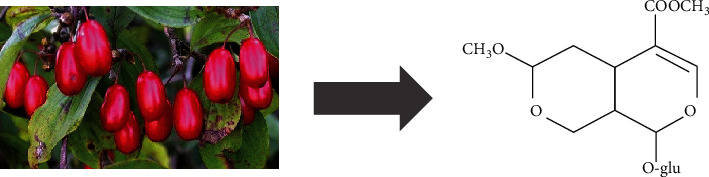
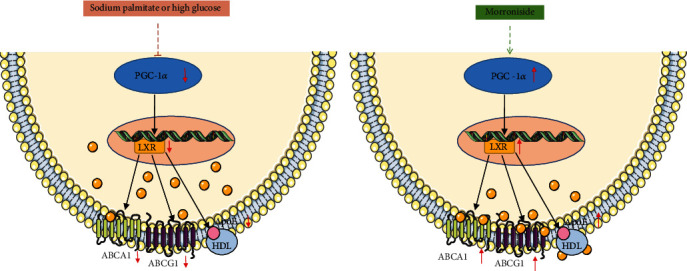
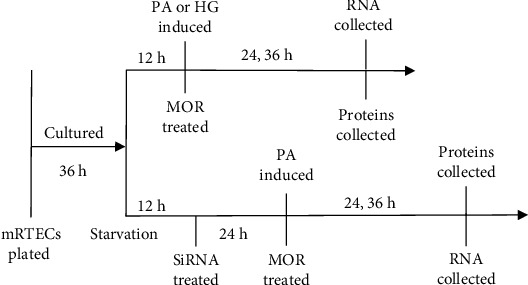
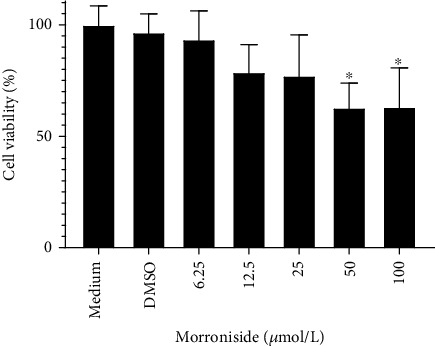
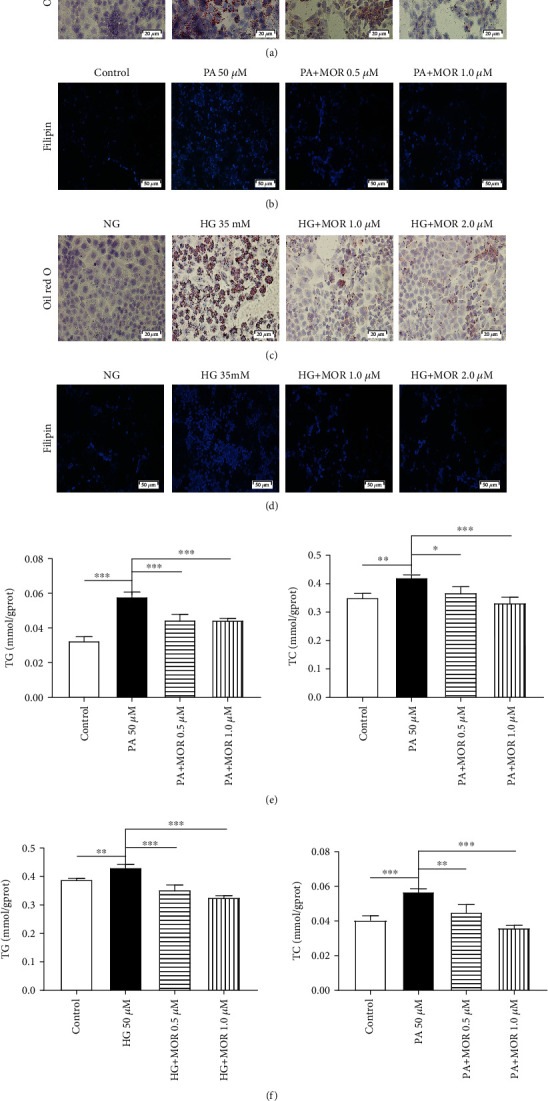
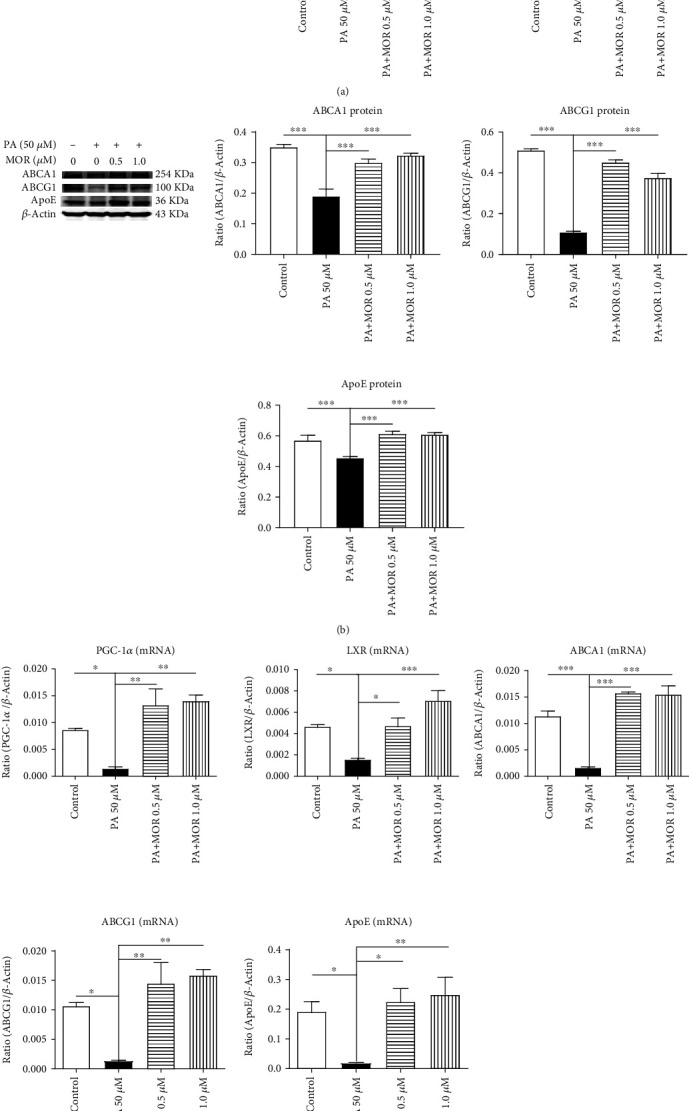
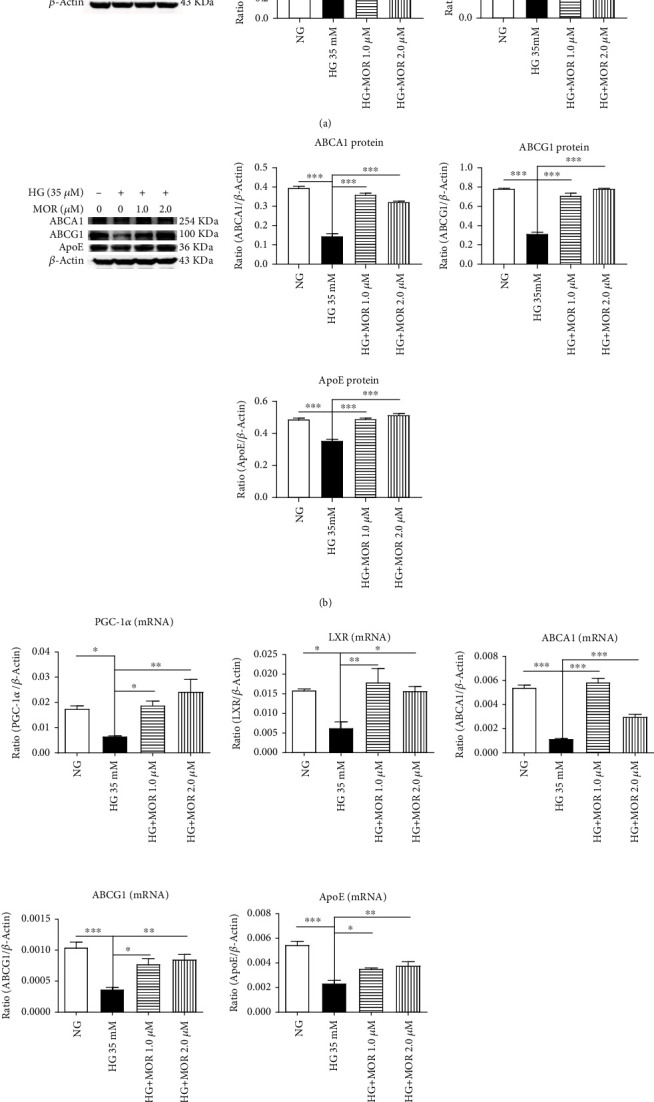
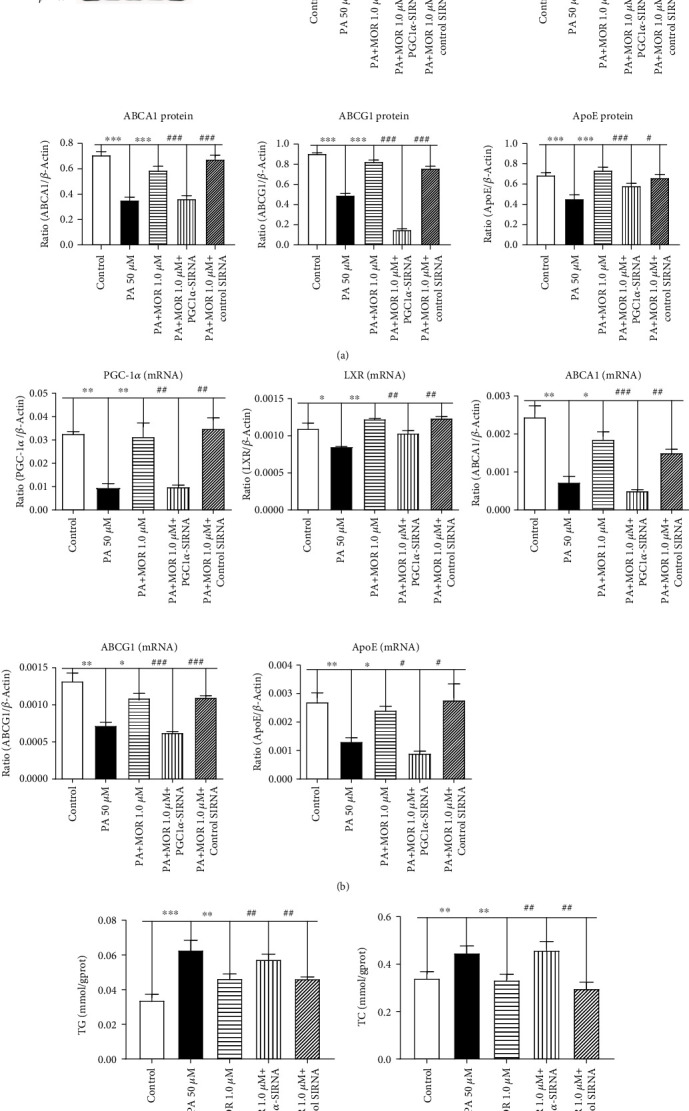
Lipid deposition is an etiology of renal damage caused by lipid metabolism disorder in diabetic nephropathy (DN). Thus, reducing lipid deposition is a feasible strategy for the treatment of DN. Morroniside (MOR), an iridoid glycoside isolated from the Chinese herb Sieb. et Zucc., is considered to be an effective drug in inhibiting oxidative stress, reducing inflammatory response, and countering apoptosis. To explore the protective mechanism of MOR in attenuating renal lipotoxicity in DN, we investigated the effect of MOR on an model of lipid metabolism disorder of DN established by stimulating mouse renal tubular epithelial cells (mRTECs) with sodium palmitate (PA) or high glucose (HG). Oil Red O and filipin cholesterol staining assays were used to determine intracellular lipid accumulation status. Results revealed that PA or HG stimulation inhibited the expressions of peroxisome proliferator-activated receptor coactivator 1 (PGC-1), liver X receptors (LXR), ATP-binding cassette subfamily A member 1 (ABCA1), ABCG1, and apolipoprotein E (ApoE) in mRTECs as evidenced by western blot and quantitative real-time PCR, resulting in increased intracellular lipid deposition. Interestingly, MOR upregulated expressions of PGC-1, LXR, ABCA1, ABCG1, and ApoE, thus reducing cholesterol accumulation in mRTECs, suggesting that MOR might promote cholesterol efflux from mRTECs via the PGC-1/LXR pathway. Of note, silencing PGC-1 reversed the promotive effect of MOR on PA- or HG-induced cellular cholesterol accumulation. In conclusion, our results suggest that MOR has a protective effect on mRTECs under high lipid or high glucose conditions, which may be related to the promotion of intracellular cholesterol efflux mediated by PGC-1.
脂沉积是糖尿病肾病 (DN) 中脂质代谢紊乱导致的肾损伤的病因。因此,减少脂沉积是治疗 DN 的一种可行策略。莫诺苷 (MOR) 是从中国草药蛇床子中分离出来的环烯醚萜苷,被认为是一种有效的药物,可抑制氧化应激、减轻炎症反应和对抗细胞凋亡。为了探讨 MOR 减轻 DN 中肾脂毒性的保护机制,我们研究了 MOR 对用棕榈酸钠 (PA) 或高葡萄糖 (HG) 刺激小鼠肾小管上皮细胞 (mRTEC) 建立的脂代谢紊乱模型的作用。用油红 O 和 filipin 胆固醇染色实验来确定细胞内脂质积累状态。结果表明,PA 或 HG 刺激抑制了 mRTECs 中过氧化物酶体增殖物激活受体共激活因子 1 (PGC-1)、肝 X 受体 (LXR)、ATP 结合盒亚家族 A 成员 1 (ABCA1)、ABCG1 和载脂蛋白 E (ApoE) 的表达,Western blot 和定量实时 PCR 结果显示,细胞内脂质沉积增加。有趣的是,MOR 上调了 PGC-1、LXR、ABCA1、ABCG1 和 ApoE 的表达,从而减少了 mRTECs 中的胆固醇积累,表明 MOR 可能通过 PGC-1/LXR 途径促进 mRTECs 中的胆固醇外排。值得注意的是,沉默 PGC-1 逆转了 MOR 对 PA 或 HG 诱导的细胞内胆固醇积累的促进作用。总之,我们的结果表明,MOR 对高脂或高糖条件下的 mRTECs 具有保护作用,这可能与促进细胞内胆固醇外排有关。