Department of Radiation Oncology, Perelman School of Medicine, University of Pennsylvania, Philadelphia, Pennsylvania, USA.
Department of Obstetrics and Gynecology, Pennsylvania Hospital, University of Pennsylvania, Philadelphia, Pennsylvania, USA.
Int J Gynecol Cancer. 2021 Oct;31(10):1328-1334. doi: 10.1136/ijgc-2021-002728. Epub 2021 Sep 7.
Vulvar cancer is a rare gynecological malignancy. However, the incidence of human papillomavirus (HPV)-associated vulvar disease is increasing, particularly in low- and middle-income countries. HIV infection is associated with an increased risk of HPV-associated vulvar cancer. We evaluated treatment patterns and survival outcomes in a cohort of vulvar cancer patients in Botswana. The primary objective of this study was to determine overall survival and the impact of treatment modality, stage, and HIV status on overall survival.
Women with vulvar cancer who presented to oncology care in Botswana from January 2015 through August 2019 were prospectively enrolled in this observational cohort study. Demographics, clinical characteristics, treatment, and survival data were collected. Factors associated with survival including age, HIV status, stage, and treatment were evaluated.
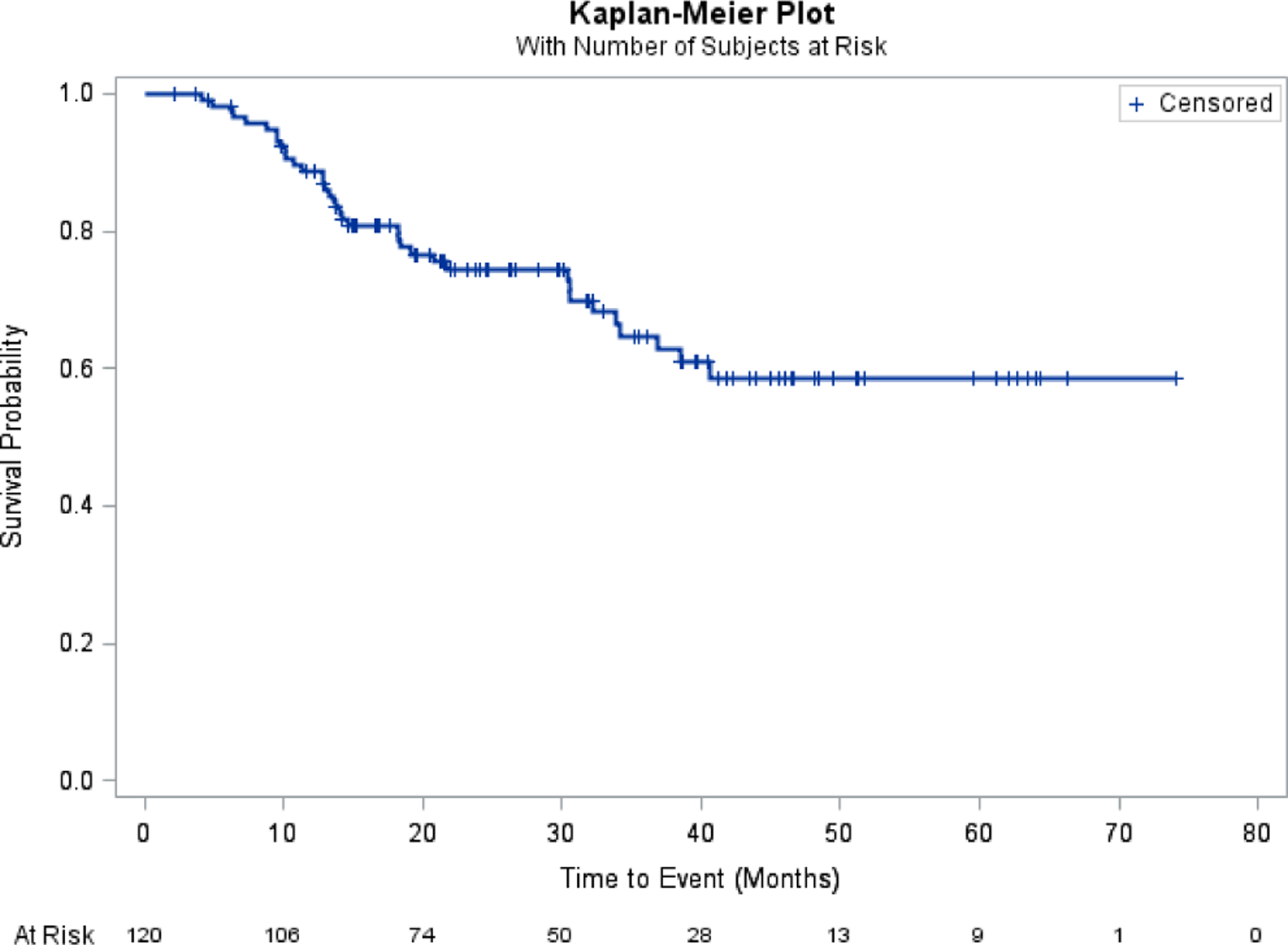
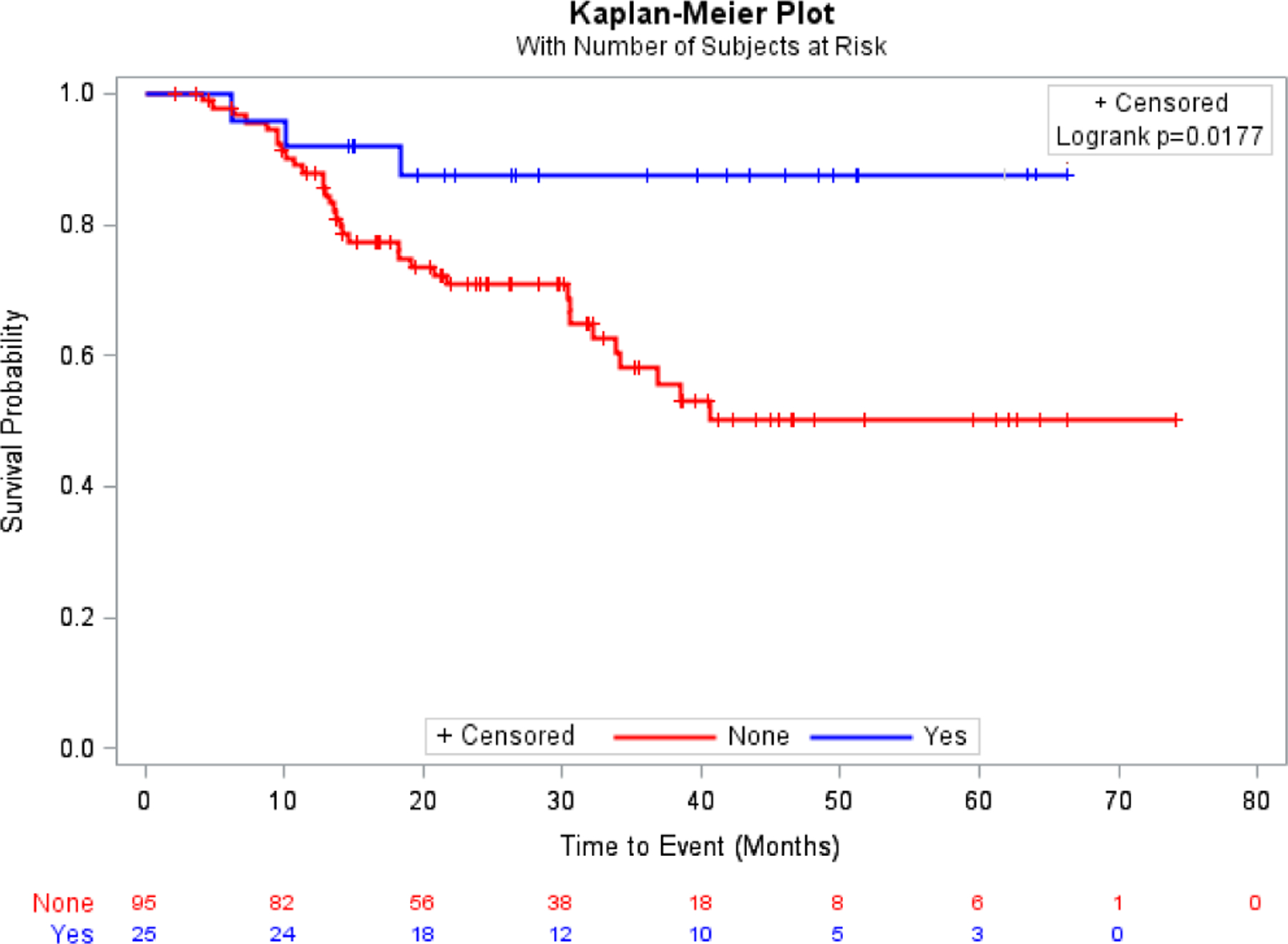
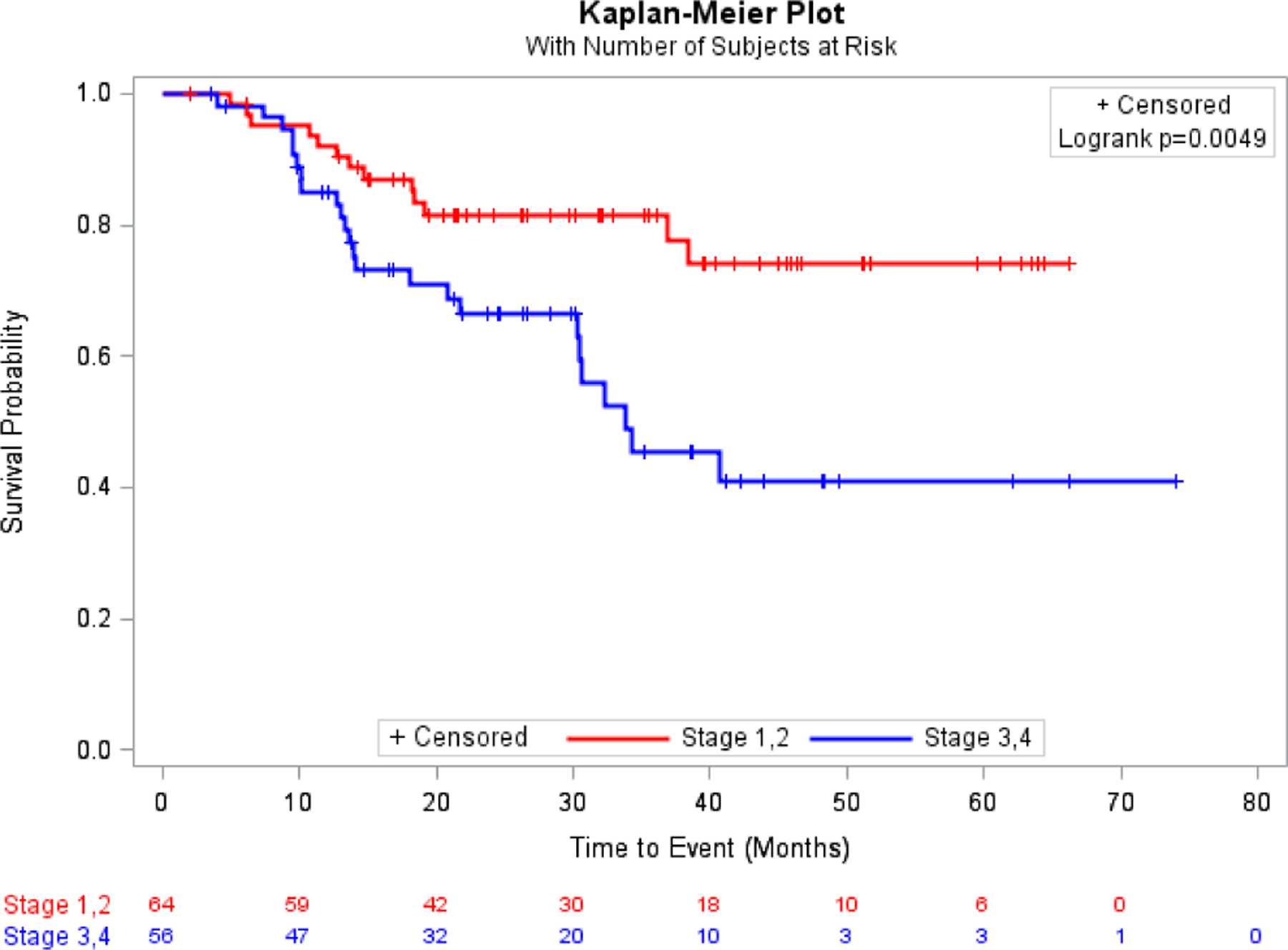
Our cohort included 120 women with vulvar cancer. Median age was 42 (IQR 38-47) years. The majority of patients were living with HIV (89%, n=107) that was well-controlled on antiretroviral treatment. Among women with HIV, 54.2% (n=58) were early stage (FIGO stage I/II). In those without HIV, 46.2% (n=6) were early stage (stage I/II). Of the 95 (79%) patients who received treatment, 20.8% (n=25) received surgery, 67.5% (n=81) received radiation therapy, and 24.2% (n=29) received chemotherapy, either alone or in combination. Median follow-up time of all patients was 24.7 (IQR 14.2-39.1) months and 2- year overall survival for all patients was 74%. Multivariate analysis demonstrated improved survival for those who received surgery (HR 0.26; 95% CI 0.08 to 0.86) and poor survival was associated with advanced stage (HR 2.56; 95% CI 1.30 to 5.02). Survival was not associated with HIV status.
The majority of women with vulvar cancer in Botswana are young and living with HIV infection. Just under half of patients present with advanced stage, which was associated with worse survival. Improved survival was seen for those who received surgery.
外阴癌是一种罕见的妇科恶性肿瘤。然而,人乳头瘤病毒(HPV)相关性外阴疾病的发病率正在上升,尤其是在中低收入国家。人类免疫缺陷病毒(HIV)感染与 HPV 相关性外阴癌的风险增加相关。我们评估了博茨瓦纳外阴癌患者队列的治疗模式和生存结果。本研究的主要目的是确定总生存率以及治疗方式、分期和 HIV 状态对总生存率的影响。
2015 年 1 月至 2019 年 8 月期间,在博茨瓦纳接受肿瘤治疗的 HPV 相关性外阴癌患者前瞻性入组本观察性队列研究。收集人口统计学、临床特征、治疗和生存数据。评估与生存相关的因素包括年龄、HIV 状态、分期和治疗。
本队列纳入 120 例外阴癌患者。中位年龄为 42 岁(IQR 38-47)。大多数患者(89%,n=107)携带 HIV 且 HIV 病毒得到良好控制。在携带 HIV 的患者中,54.2%(n=58)为早期(FIGO Ⅰ/Ⅱ期)。在未携带 HIV 的患者中,46.2%(n=6)为早期(Ⅰ/Ⅱ期)。在接受治疗的 95 例(79%)患者中,20.8%(n=25)接受了手术,67.5%(n=81)接受了放射治疗,24.2%(n=29)接受了化疗,单独或联合治疗。所有患者的中位随访时间为 24.7 个月(IQR 14.2-39.1),所有患者的 2 年总生存率为 74%。多变量分析显示,接受手术治疗的患者生存改善(HR 0.26;95%CI 0.08 至 0.86),晚期与生存较差相关(HR 2.56;95%CI 1.30 至 5.02)。生存与 HIV 状态无关。
博茨瓦纳大多数外阴癌患者为年轻女性,且携带 HIV 感染。近一半的患者为晚期,生存较差。接受手术治疗的患者生存改善。