Dasan Arish, Ożóg Paulina, Kraxner Jozef, Elsayed Hamada, Colusso Elena, Grigolato Luca, Savio Gianpaolo, Galusek Dusan, Bernardo Enrico
Centre for Functional and Surface-Functionalized Glass, Alexander Dubček University of Trenčín, Študentská 2, 911 50 Trenčín, Slovakia.
Ceramics Department, National Research Centre, Cairo 12622, Egypt.
Materials (Basel). 2021 Sep 5;14(17):5083. doi: 10.3390/ma14175083.
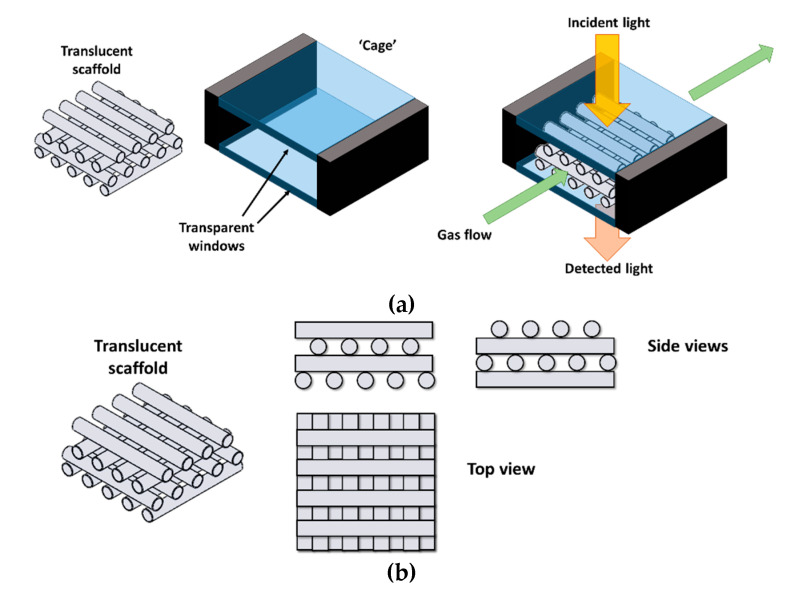
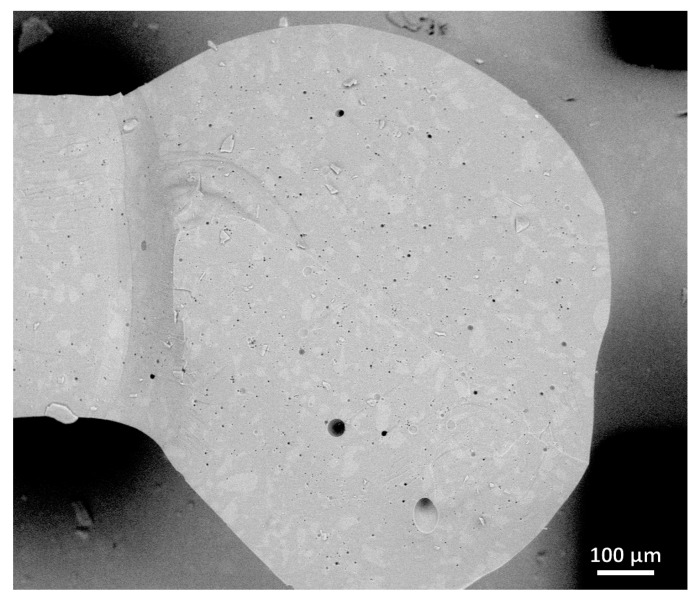
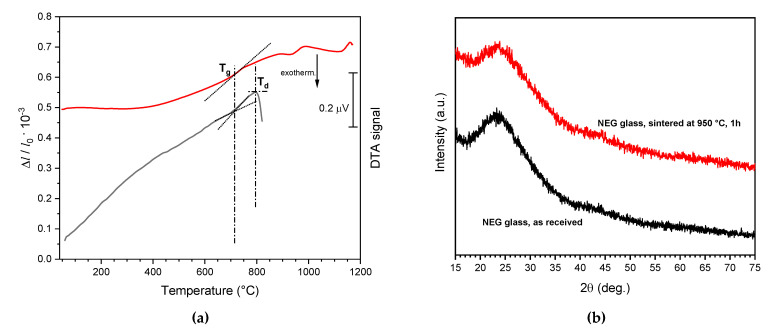
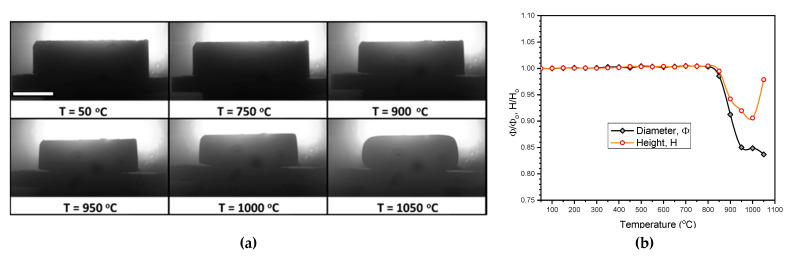
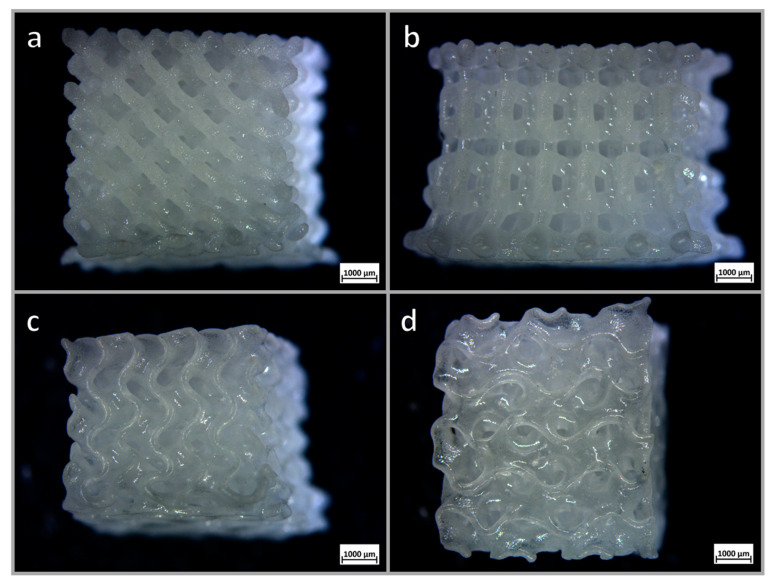
Additive manufacturing technologies, compared to conventional shaping methods, offer great opportunities in design versatility, for the manufacturing of highly porous ceramic components. However, the application to glass powders, later subjected to viscous flow sintering, involves significant challenges, especially in shape retention and in the achievement of a substantial degree of translucency in the final products. The present paper disclosed the potential of glass recovered from liquid crystal displays (LCD) for the manufacturing of highly porous scaffolds by direct ink writing and masked stereolithography of fine powders mixed with suitable organic additives, and sintered at 950 °C, for 1-1.5 h, in air. The specific glass, featuring a relatively high transition temperature (T~700 °C), allowed for the complete burn-out of organics before viscous flow sintering could take place; in addition, translucency was favored by the successful removal of porosity in the struts and by the resistance of the used glass to crystallization.
与传统成型方法相比,增材制造技术在设计通用性方面为制造高度多孔的陶瓷部件提供了巨大机遇。然而,将其应用于玻璃粉末,随后进行粘性流烧结,存在重大挑战,特别是在形状保持以及最终产品实现高度半透明方面。本文揭示了从液晶显示器(LCD)回收的玻璃通过直接墨水书写和与合适有机添加剂混合的细粉的掩膜立体光刻技术制造高度多孔支架的潜力,并在空气中于950°C烧结1 - 1.5小时。这种特定的玻璃具有相对较高的转变温度(T~700°C),使得在粘性流烧结发生之前有机物能够完全烧掉;此外,支柱中孔隙的成功去除以及所用玻璃对结晶的抗性有利于实现半透明。