Department of Mechanical and Mechatronics Engineering, University of Waterloo, Waterloo, ON N2L 3G1, Canada.
School of Public Health Sciences, University of Waterloo, Waterloo, ON N2L 3G1, Canada.
Int J Environ Res Public Health. 2021 Aug 25;18(17):8955. doi: 10.3390/ijerph18178955.
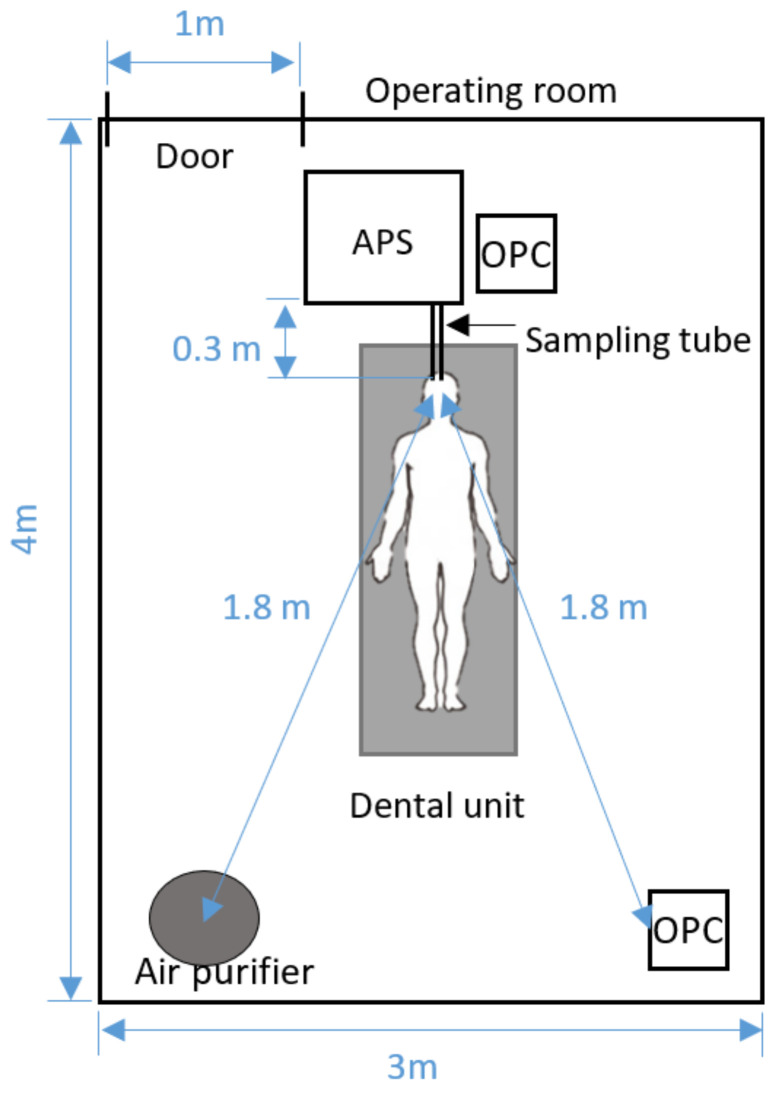
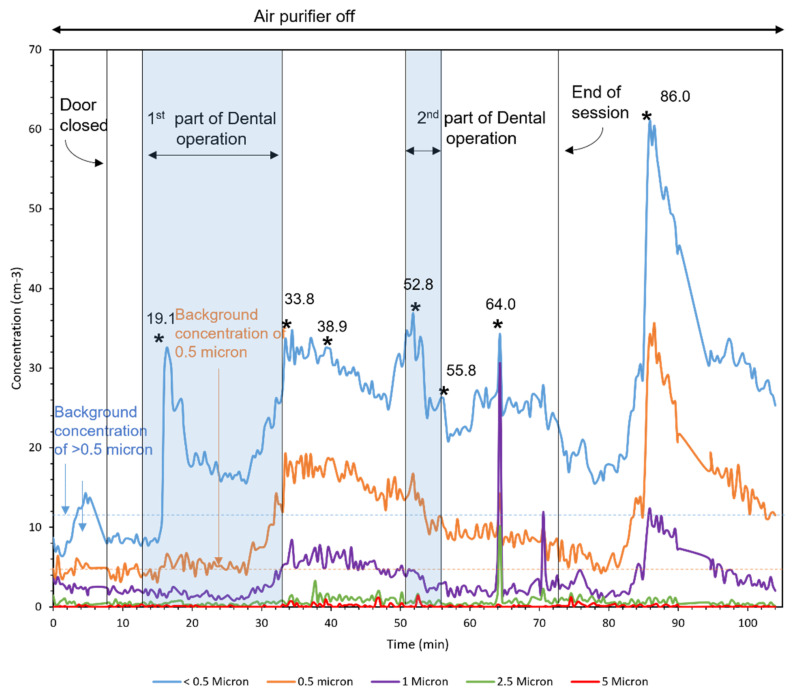
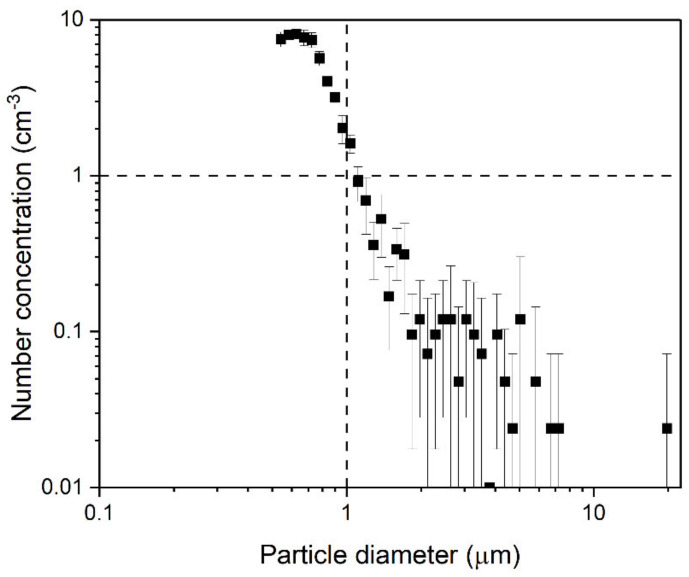
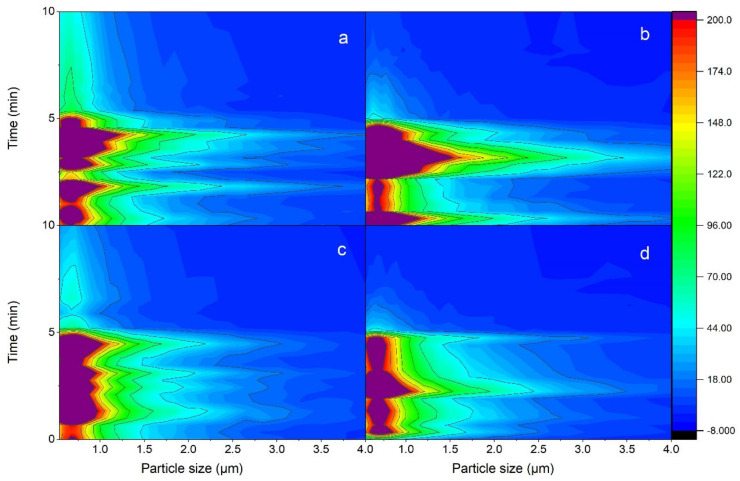
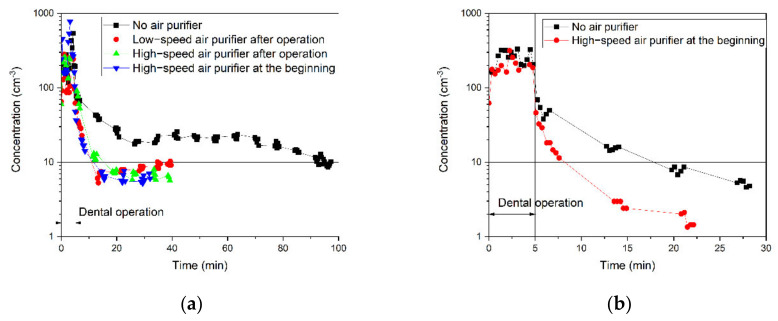
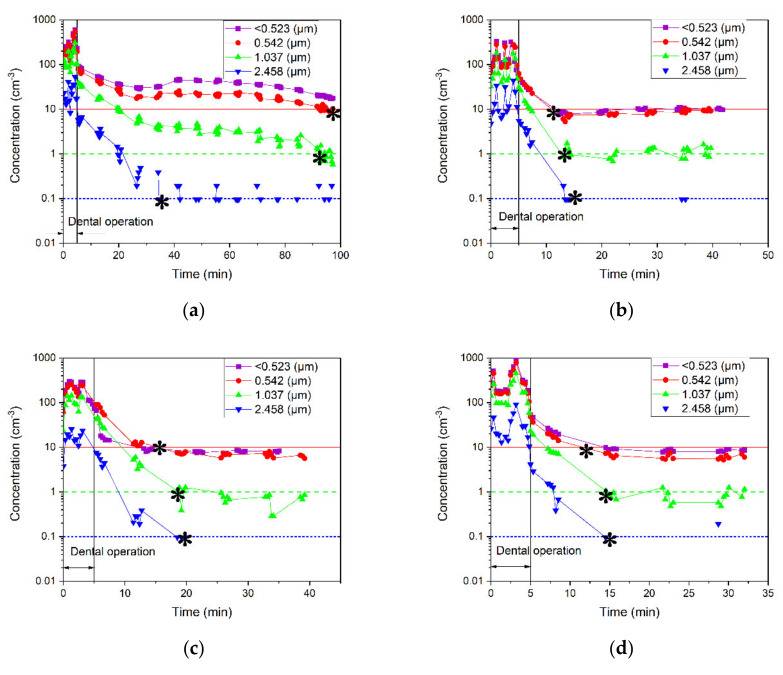
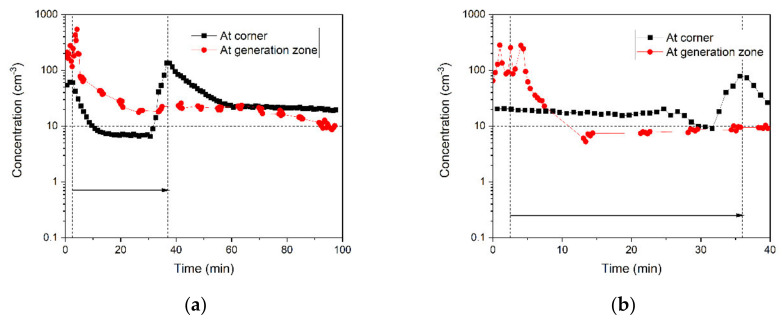
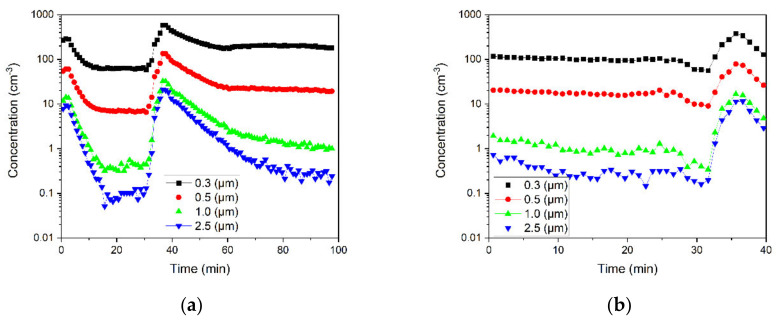
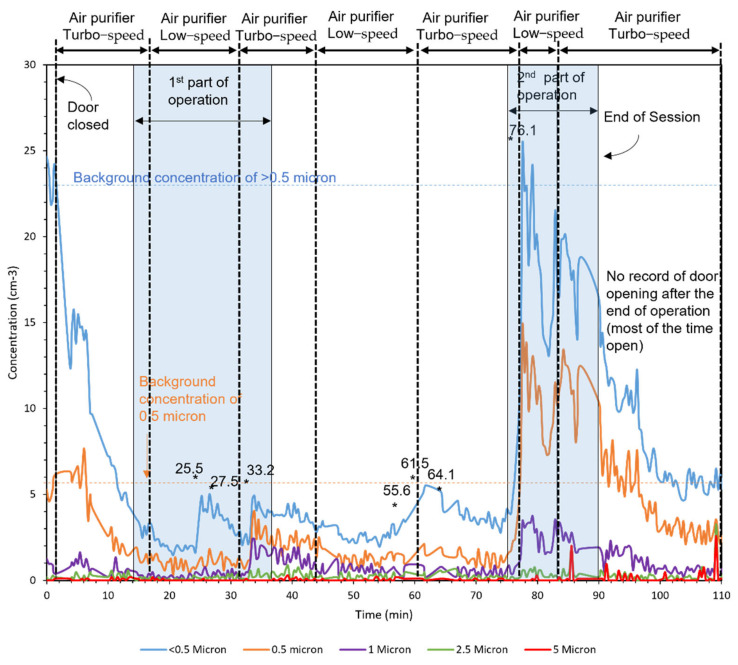
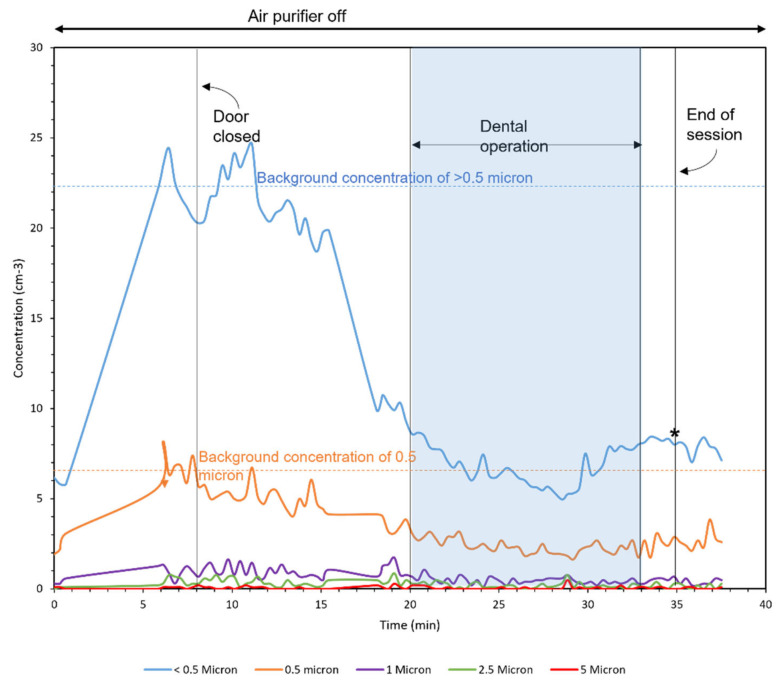
Aerosols generated during dental procedures are one of the most significant routes for infection transmission and are particularly relevant now in the context of COVID-19 pandemic. This study aimed to assess the effectiveness of an indoor air purifier on dental aerosol dispersion in dental offices. The spread and removal of aerosol particles generated from a specific dental operation in a dental office are quantified for a single dental activity in the area near the generation and corner of the office. The effects of the air purifier, door condition, and particle sizes on the spread and removal of particles were investigated. The results show that, in the worst-case scenario, it takes 95 min for 0.5-μm particles to settle and that it takes a shorter time for the larger particles. The air purifier expedited the removal time at least 6.3 times faster than the case with no air purifier in the generation zone. Our results also indicate that particles may be transported from the source to the rest of the room even when the particle concentrations in the generation zone dropped back to the background. Therefore, it is inaccurate to conclude that indoor purifiers help reduce the transmission of COVID-19. Dental offices still need other methods to reduce the transmission of viruses.
在牙科操作过程中产生的气溶胶是感染传播的最重要途径之一,尤其是在当前 COVID-19 大流行的背景下。本研究旨在评估室内空气净化器对牙科诊室牙科气溶胶分散的效果。在牙科诊室的特定牙科操作中产生的气溶胶颗粒的传播和去除情况在生成区域及其角落附近的单个牙科活动中进行了量化。研究了空气净化器、门的状况和颗粒大小对颗粒传播和去除的影响。结果表明,在最坏的情况下,0.5μm 的颗粒需要 95 分钟才能沉降,而较大的颗粒则需要更短的时间。空气净化器在生成区域的去除时间至少加快了 6.3 倍,而没有空气净化器的情况下则需要更长的时间。我们的研究结果还表明,即使在生成区域的颗粒浓度回落到背景水平后,颗粒也可能从源传播到房间的其他区域。因此,不能得出室内净化器有助于减少 COVID-19 传播的结论。牙科诊室仍需要其他方法来降低病毒的传播。