Barten Dennis G, Klokman Vincent W, Cleef Sigrid, Peters Nathalie A L R, Tan Edward C T H, Boin Arjen
Department of Emergency Medicine, VieCuri Medical Center, P.O. Box 1926, 5900 BX, Venlo, The Netherlands.
Department of Emergency Medicine, Laurentius Hospital, Roermond, The Netherlands.
Int J Emerg Med. 2021 Sep 9;14(1):49. doi: 10.1186/s12245-021-00372-7.
Emergency departments (EDs) are reasonably well prepared for external disasters, such as natural disasters, mass casualty incidents, and terrorist attacks. However, crises and disasters that emerge and unfold within hospitals appear to be more common than external events. EDs are often affected. Internal hospital crises and disasters (IHCDs) have the potential to endanger patients, staff, and visitors, and to undermine the integrity of the facility as a steward of public health and safety. Furthermore, ED patient safety and logistics may be seriously hampered.
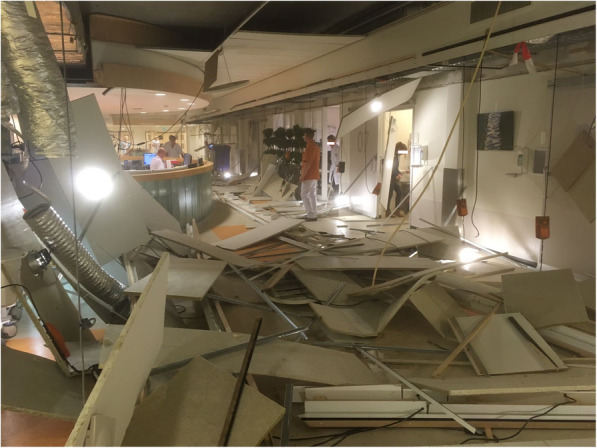
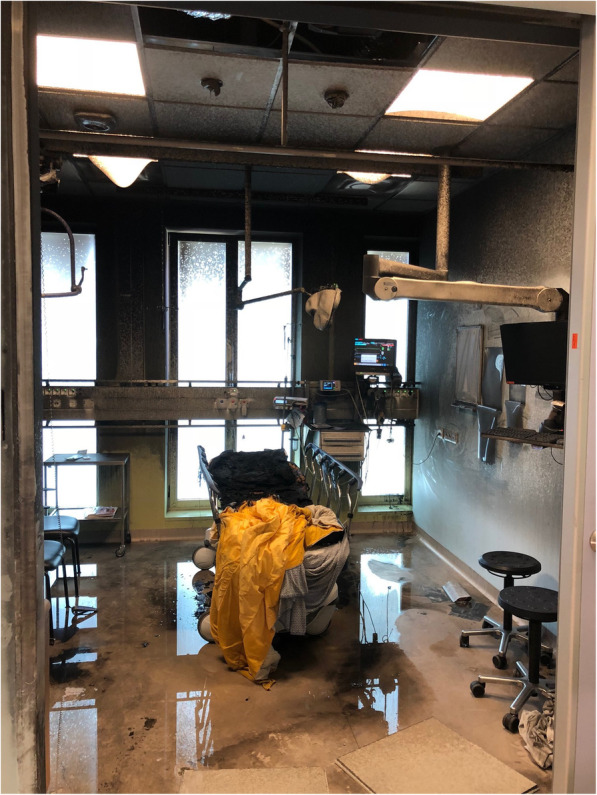
Case series of 3 disasters within EDs. Narrative overview of the current IHCD-related literature retrieved from searches of PubMed databases, hand searches, and authoritative texts.
The causes of IHCDs are multifaceted and an internal disaster is often the result of a cascade of events. They may or may not be associated with a community-wide event. Examples include fires, floods, power outages, structural damage, information and communication technology (ICT) failures, and cyberattacks. EDs are particularly at-risk. While acute-onset disasters have immediate consequences for acute care services, epidemics and pandemics are threats that can have long-term sequelae.
Hospitals and their EDs are at-risk for crises and their potential escalation to hospital disasters. Emerging risks due to climate-related emergencies, infectious disease outbreaks, terrorism, and cyberattacks pose particular threats. If a hospital is not prepared for IHCDs, it undermines the capacity of administration and staff to safeguard the safety of patients. Therefore, hospitals and their EDs must check and where necessary enhance their preparedness for these contingencies.
急诊科对外部灾害,如自然灾害、大规模伤亡事件和恐怖袭击,已有相当充分的准备。然而,医院内部出现并发展的危机和灾害似乎比外部事件更为常见。急诊科经常受到影响。医院内部危机和灾害(IHCDs)有可能危及患者、工作人员和访客,并损害该机构作为公共卫生和安全守护者的完整性。此外,急诊科的患者安全和后勤保障可能会受到严重阻碍。
对急诊科内3起灾害的病例系列进行研究。通过检索PubMed数据库、手工检索以及权威文献,对当前与医院内部危机和灾害相关的文献进行叙述性综述。
医院内部危机和灾害的成因是多方面的,内部灾害往往是一系列事件的结果。它们可能与社区范围的事件有关,也可能无关。例子包括火灾、洪水、停电、结构损坏、信息和通信技术(ICT)故障以及网络攻击。急诊科尤其面临风险。虽然急性突发灾害会对急诊服务产生直接影响,但流行病和大流行是可能产生长期后果的威胁。
医院及其急诊科面临危机以及危机升级为医院灾害的风险。与气候相关的紧急情况、传染病爆发、恐怖主义和网络攻击带来的新风险构成了特别的威胁。如果医院没有为医院内部危机和灾害做好准备,就会削弱行政部门和工作人员保障患者安全的能力。因此,医院及其急诊科必须检查并在必要时加强对这些突发事件的准备。