National Centre for Cell Science, NCCS Complex, Ganeshkhind, SP Pune University Campus, Pune, 411007, India.
Sci Rep. 2021 Sep 9;11(1):17915. doi: 10.1038/s41598-021-97031-x.
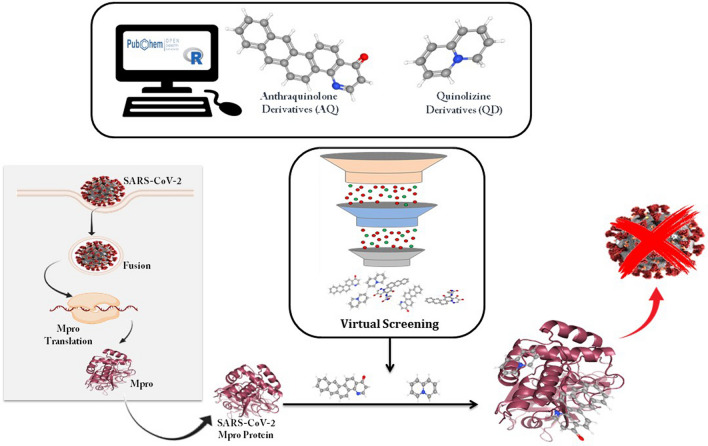
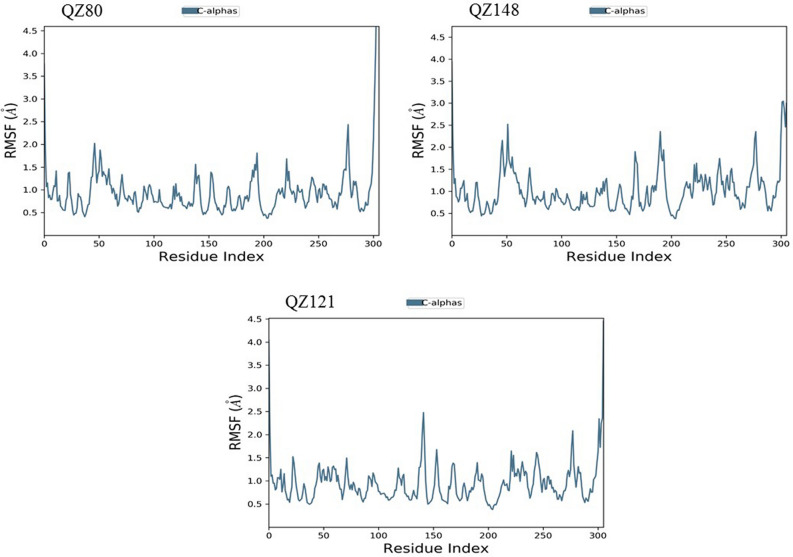
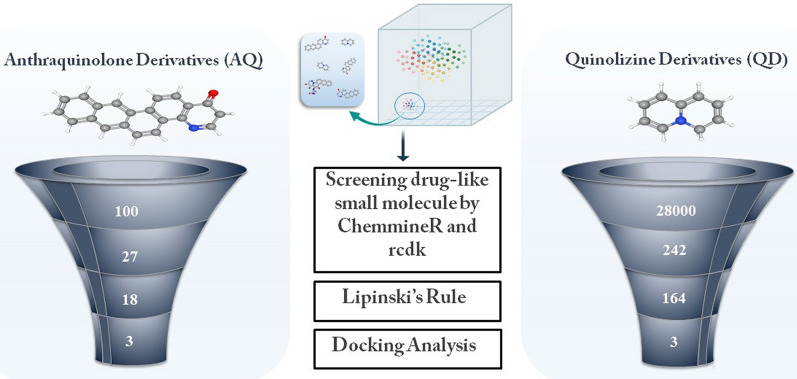
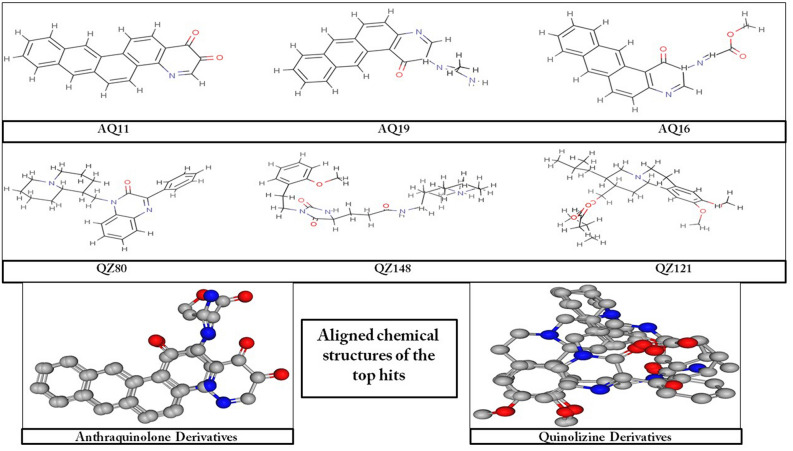
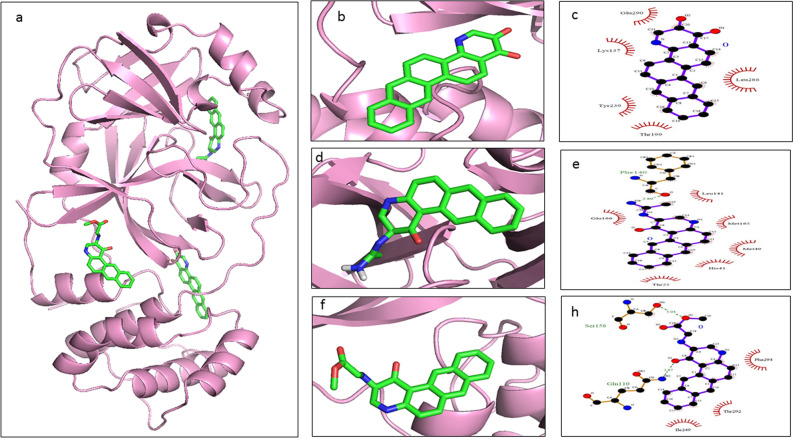
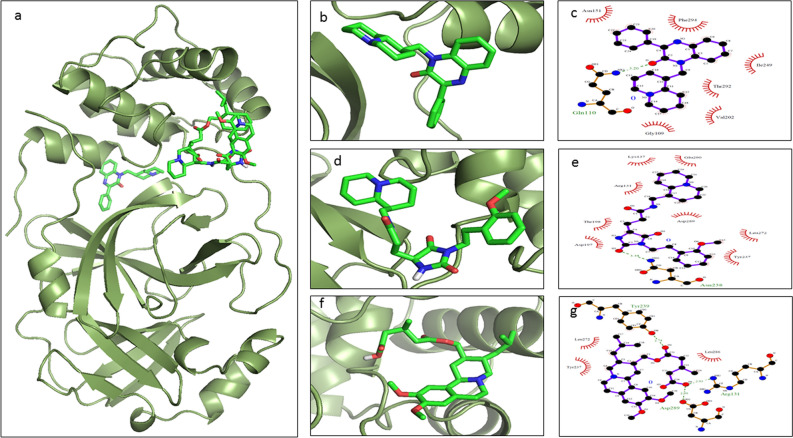
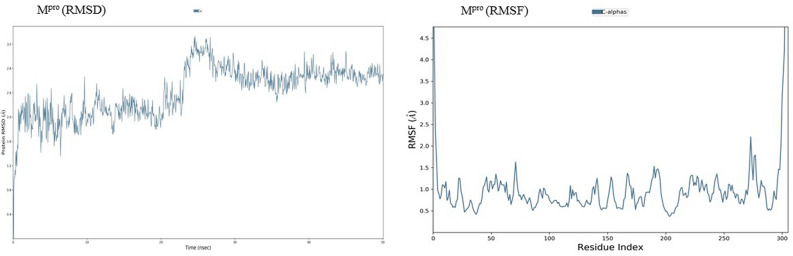
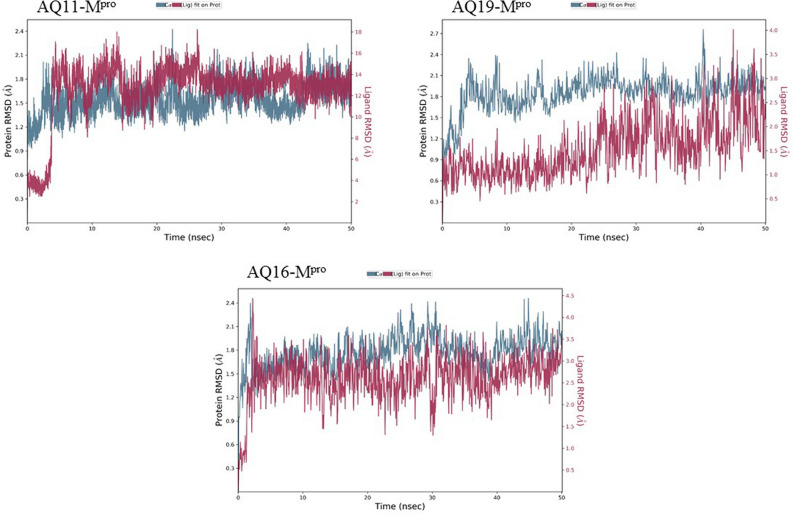
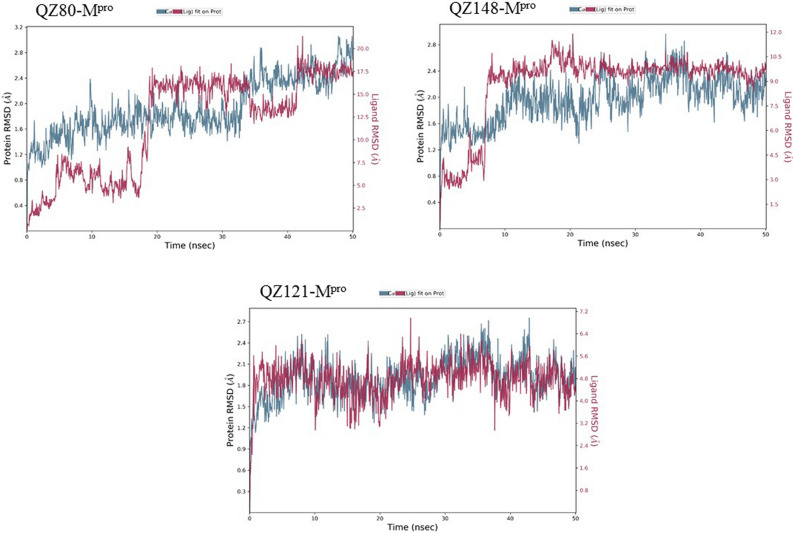
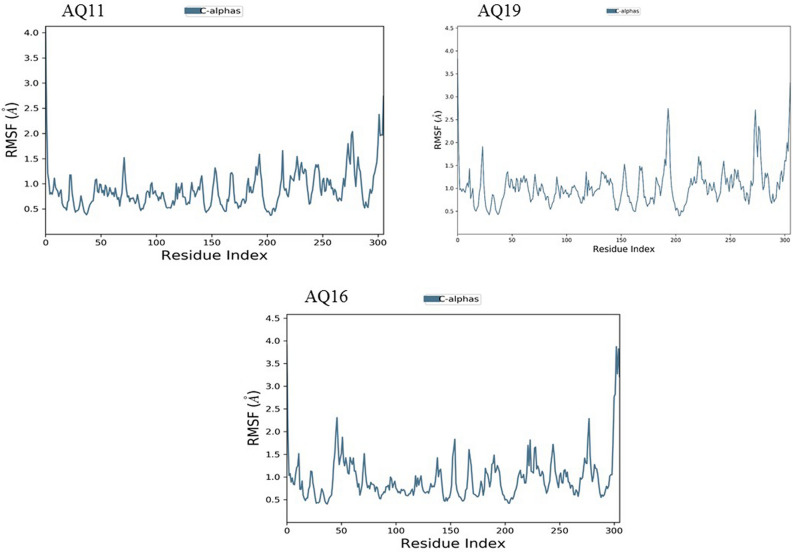
Coronavirus disease 2019 (Covid-19), caused by novel severe acute respiratory syndrome coronavirus (SARS-CoV-2), has come to the fore in Wuhan, China in December 2019 and has been spreading expeditiously all over the world due to its high transmissibility and pathogenicity. From the outbreak of COVID-19, many efforts are being made to find a way to fight this pandemic. More than 300 clinical trials are ongoing to investigate the potential therapeutic option for preventing/treating COVID-19. Considering the critical role of SARS-CoV-2 main protease (M) in pathogenesis being primarily involved in polyprotein processing and virus maturation, it makes SARS-CoV-2 main protease (M) as an attractive and promising antiviral target. Thus, in our study, we focused on SARS-CoV-2 main protease (M), used machine learning algorithms and virtually screened small derivatives of anthraquinolone and quinolizine from PubChem that may act as potential inhibitor. Prioritisation of cavity atoms obtained through pharmacophore mapping and other physicochemical descriptors of the derivatives helped mapped important chemical features for ligand binding interaction and also for synergistic studies with molecular docking. Subsequently, these studies outcome were supported through simulation trajectories that further proved anthraquinolone and quinolizine derivatives as potential small molecules to be tested experimentally in treating COVID-19 patients.
新型严重急性呼吸系统综合症冠状病毒(SARS-CoV-2)引起的 2019 年冠状病毒病(COVID-19)于 2019 年 12 月在中国武汉出现,由于其高传染性和致病性,迅速在全球范围内传播。自 COVID-19 爆发以来,人们正在努力寻找应对这一大流行病的方法。目前正在进行 300 多项临床试验,以研究预防/治疗 COVID-19 的潜在治疗选择。考虑到 SARS-CoV-2 主要蛋白酶(M)在发病机制中的关键作用主要涉及多蛋白加工和病毒成熟,因此 SARS-CoV-2 主要蛋白酶(M)成为一种有吸引力和有前途的抗病毒靶标。因此,在我们的研究中,我们专注于 SARS-CoV-2 主要蛋白酶(M),使用机器学习算法和虚拟筛选来自 PubChem 的蒽醌和喹啉的小分子衍生物,这些衍生物可能作为潜在的抑制剂。通过药效团映射获得的空腔原子的优先级排列以及衍生物的其他物理化学描述符有助于绘制配体结合相互作用的重要化学特征,以及与分子对接的协同研究。随后,这些研究结果通过模拟轨迹得到支持,进一步证明蒽醌和喹啉衍生物是有潜力的小分子,可以在治疗 COVID-19 患者的实验中进行测试。