Kaplan J S, Wagner J K, Reid K, McGuinness F, Arvila S, Brooks M, Stevenson H, Jones J, Risch B, McGillis T, Budinich R, Gambell E, Predovich B
Department of Psychology, Behavioral Neuroscience Program, Western Washington University, Bellingham, WA, United States.
Department of Psychology, Experimental Psychology Graduate Program, Western Washington University, Bellingham, WA, United States.
Front Behav Neurosci. 2021 Aug 26;15:711639. doi: 10.3389/fnbeh.2021.711639. eCollection 2021.
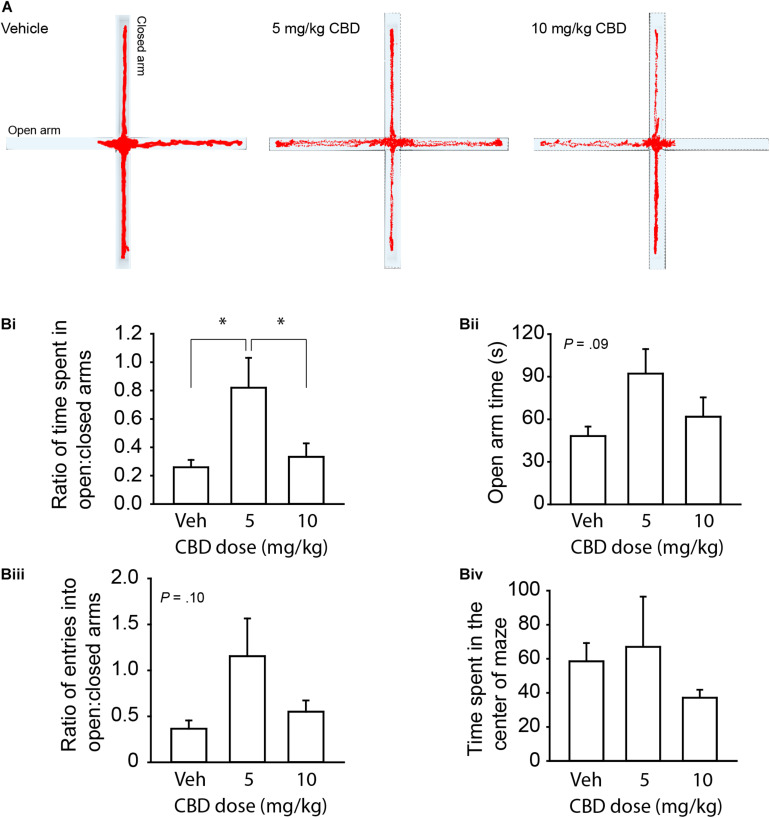
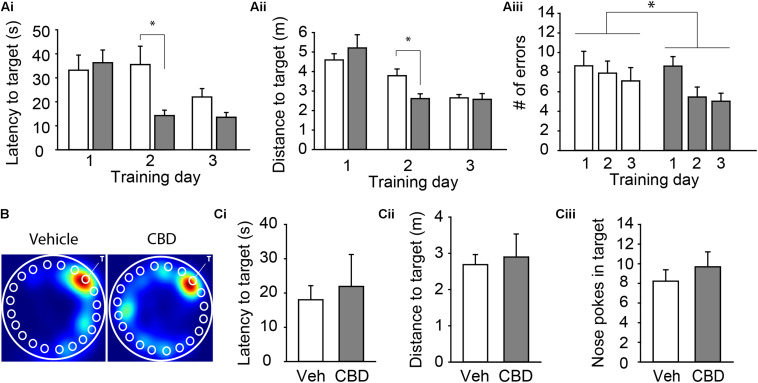
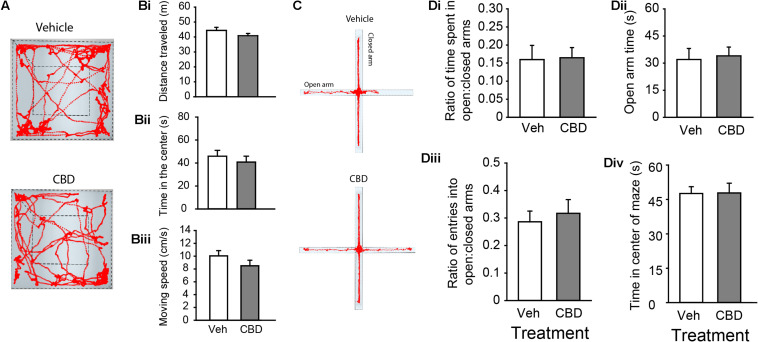
Cannabidiol (CBD) is a non-intoxicating phytocannabinoid whose purported therapeutic benefits and impression of a high safety profile has promoted its increasing popularity. CBD's popularity is also increasing among children and adolescents who are being administered CBD, off label, for the treatment of numerous symptoms associated with autism spectrum disorder, attention deficit hyperactivity disorder, anxiety, and depression. The relative recency of its use in the adolescent population has precluded investigation of its impact on the developing brain and the potential consequences that may present in adulthood. Therefore, there's an urgency to identify whether prolonged adolescent CBD exposure has substantive impacts on the developing brain that impact behavioral and cognitive processes in adulthood. Here, we tested the effect of twice-daily intraperitoneal administrations of CBD (20 mg/kg) in male and female C57BL/6J mice during the adolescent period of 25-45 days on weight gain, and assays for locomotor behavior, anxiety, and spatial memory. Prolonged adolescent CBD exposure had no detrimental effects on locomotor activity in the open field, anxiety behavior on the elevated plus maze, or spatial memory in the Barnes Maze compared to vehicle-treated mice. Interestingly, CBD-treated mice had a faster rate of learning in the Barnes Maze. However, CBD-treated females had reduced weight gain during the exposure period. We conclude that prolonged adolescent CBD exposure in mice does not have substantive negative impacts on a range of behaviors in adulthood, may improve the rate of learning under certain conditions, and impacts weight gain in a sex-specific manner.
大麻二酚(CBD)是一种无致幻作用的植物大麻素,其所谓的治疗益处和高安全性给人留下的印象促使其越来越受欢迎。在儿童和青少年中,CBD的受欢迎程度也在上升,他们在未按标签说明的情况下使用CBD来治疗与自闭症谱系障碍、注意力缺陷多动障碍、焦虑症和抑郁症相关的多种症状。它在青少年人群中的使用时间相对较短,因此尚未对其对发育中的大脑的影响以及成年后可能出现的潜在后果进行研究。因此,迫切需要确定青少年长期接触CBD是否会对发育中的大脑产生实质性影响,进而影响成年后的行为和认知过程。在此,我们测试了在25至45天的青少年期,对雄性和雌性C57BL/6J小鼠每日两次腹腔注射CBD(20毫克/千克)对体重增加、运动行为、焦虑和空间记忆测试的影响。与接受载体处理的小鼠相比,青少年长期接触CBD对旷场试验中的运动活动、高架十字迷宫中的焦虑行为或巴恩斯迷宫中的空间记忆均无有害影响。有趣的是,接受CBD处理的小鼠在巴恩斯迷宫中的学习速度更快。然而,接受CBD处理的雌性小鼠在接触期间体重增加减少。我们得出结论,小鼠青少年期长期接触CBD对成年后的一系列行为没有实质性负面影响,在某些条件下可能会提高学习速度,并以性别特异性方式影响体重增加。