Zhou Xunian, Kurywchak Paul, Wolf-Dennen Kerri, Che Sara P Y, Sulakhe Dinanath, D'Souza Mark, Xie Bingqing, Maltsev Natalia, Gilliam T Conrad, Wu Chia-Chin, McAndrews Kathleen M, LeBleu Valerie S, McConkey David J, Volpert Olga V, Pretzsch Shanna M, Czerniak Bogdan A, Dinney Colin P, Kalluri Raghu
Department of Cancer Biology, University of Texas MD Anderson Cancer Center, Houston, TX, USA.
Department of Human Genetics, University of Chicago, Chicago, IL, USA.
Mol Ther Methods Clin Dev. 2021 May 29;22:360-376. doi: 10.1016/j.omtm.2021.05.010. eCollection 2021 Sep 10.
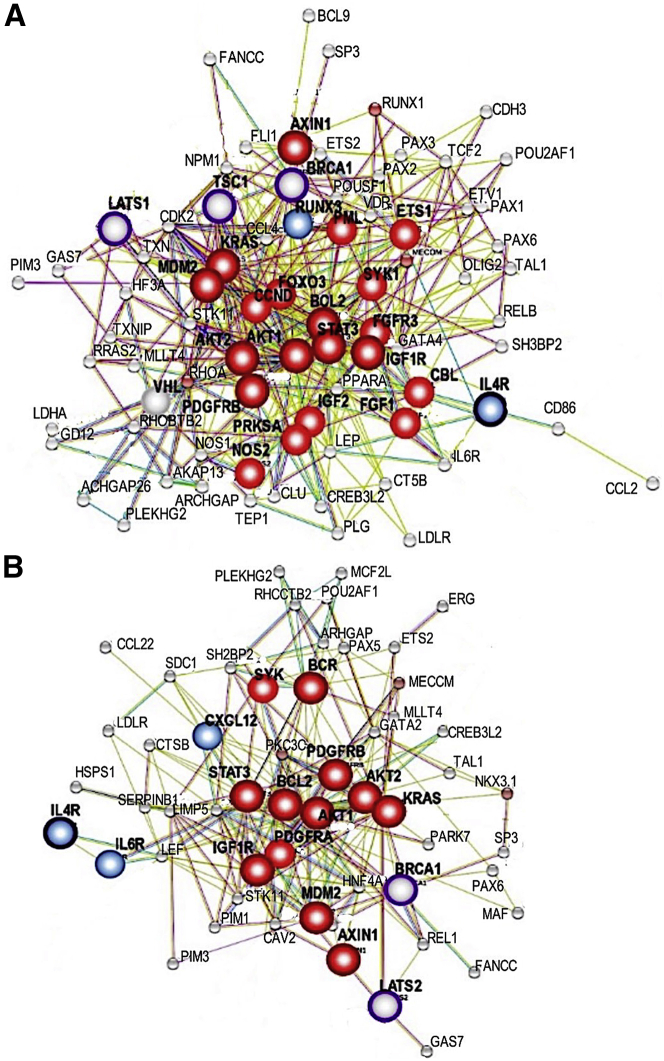
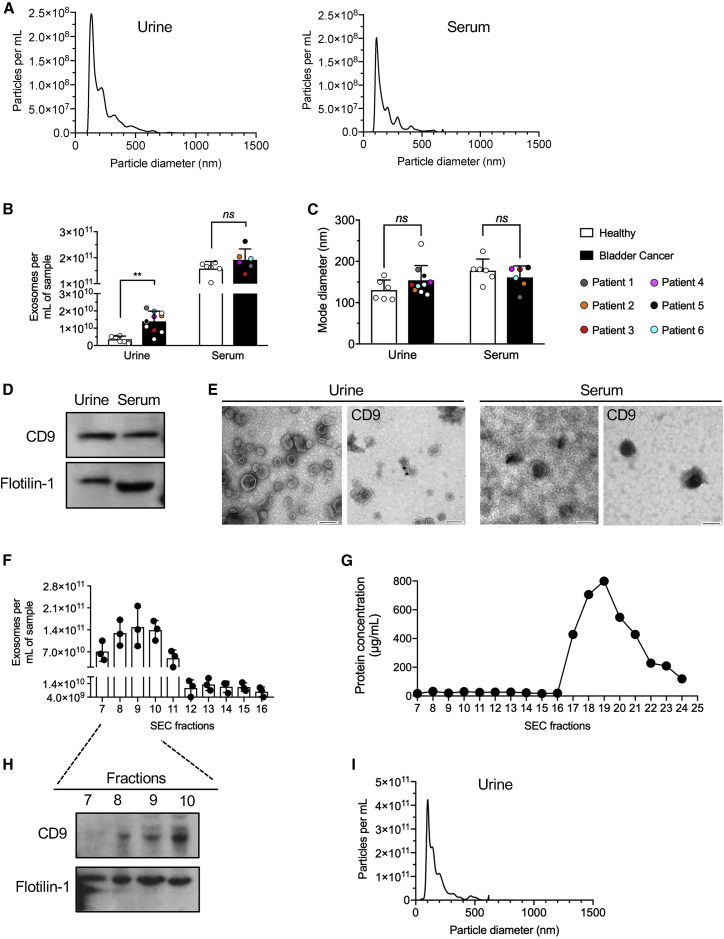
Bladder cancer (BC), a heterogeneous disease characterized by high recurrence rates, is diagnosed and monitored by cystoscopy. Accurate clinical staging based on biopsy remains a challenge, and additional, objective diagnostic tools are needed urgently. We used exosomal DNA (exoDNA) as an analyte to examine cancer-associated mutations and compared the diagnostic utility of exoDNA from urine and serum of individuals with BC. In contrast to urine exosomes from healthy individuals, urine exosomes from individuals with BC contained significant amounts of DNA. Whole-exome sequencing of DNA from matched urine and serum exosomes, bladder tumors, and normal tissue (peripheral blood mononuclear cells) identified exonic and 3' UTR variants in frequently mutated genes in BC, detectable in urine exoDNA and matched tumor samples. Further analyses identified somatic variants in driver genes, unique to urine exoDNA, possibly because of the inherent intra-tumoral heterogeneity of BC, which is not fully represented in random small biopsies. Multiple variants were also found in untranslated portions of the genome, such as microRNA (miRNA)-binding regions of the gene. Gene network analyses revealed that exoDNA is associated with cancer, inflammation, and immunity in BC exosomes. Our findings show utility of exoDNA as an objective, non-invasive strategy to identify novel biomarkers and targets for BC.
膀胱癌(BC)是一种具有高复发率特征的异质性疾病,通过膀胱镜检查进行诊断和监测。基于活检的准确临床分期仍然是一项挑战,迫切需要额外的客观诊断工具。我们使用外泌体DNA(exoDNA)作为分析物来检测癌症相关突变,并比较了BC患者尿液和血清中exoDNA的诊断效用。与健康个体的尿液外泌体不同,BC患者的尿液外泌体含有大量DNA。对匹配的尿液和血清外泌体、膀胱肿瘤及正常组织(外周血单核细胞)中的DNA进行全外显子测序,在BC中频繁突变的基因中鉴定出了外显子和3'UTR变体,这些变体在尿液exoDNA和匹配的肿瘤样本中均可检测到。进一步分析确定了驱动基因中的体细胞变体,这些变体是尿液exoDNA所特有的,可能是由于BC固有的肿瘤内异质性,而这种异质性在随机小活检中并未完全体现出来。在基因组的非翻译部分,如基因的微小RNA(miRNA)结合区域,也发现了多个变体。基因网络分析表明,exoDNA与BC外泌体中的癌症、炎症和免疫相关。我们的研究结果表明,exoDNA作为一种客观、非侵入性的策略,可用于识别BC的新型生物标志物和靶点。