UNC/NCSU Joint Department of Biomedical Engineering, UNC-Chapel Hill, Chapel Hill, North Carolina, USA.
Lineberger Comprehensive Cancer Center, UNC-Chapel Hill, Chapel Hill, North Carolina, USA.
J Immunother Cancer. 2021 Sep;9(9). doi: 10.1136/jitc-2021-002737.
Chimeric antigen receptor (CAR) T cells have shown considerable promise as a personalized cellular immunotherapy against B cell malignancies. However, the complex and lengthy manufacturing processes involved in generating CAR T cell products ex vivo result in substantial production time delays and high costs. Furthermore, ex vivo expansion of T cells promotes cell differentiation that reduces their in vivo replicative capacity and longevity.
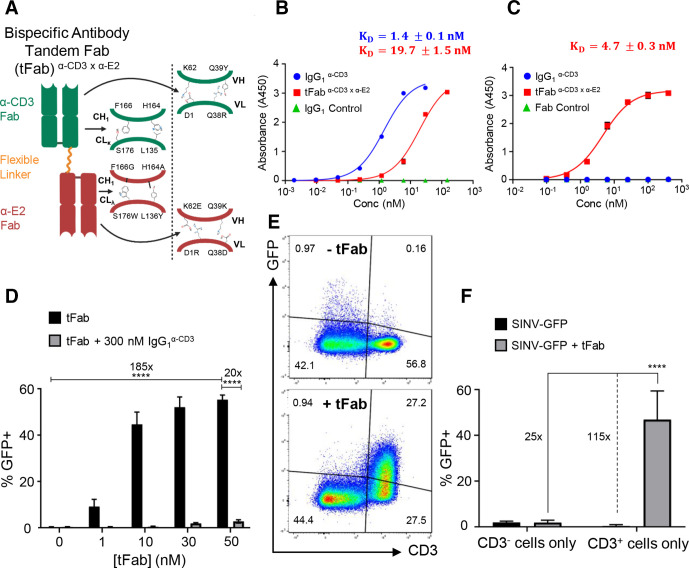
Here, to overcome these limitations, CAR-T cells are engineered directly in vivo by administering a lentivirus expressing a mutant Sindbis envelope, coupled with a bispecific antibody binder that redirects the virus to CD3 human T cells.
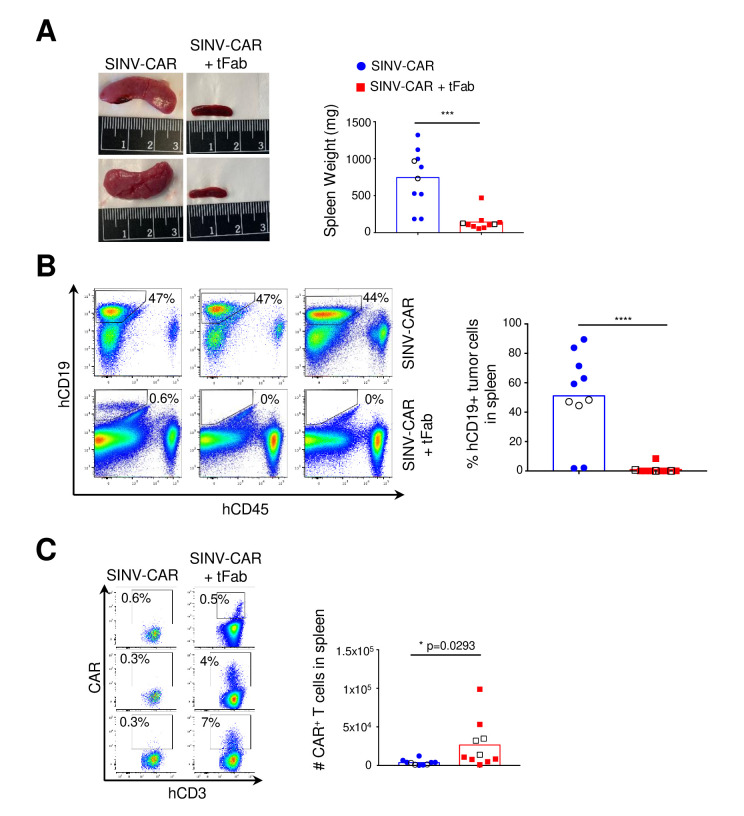
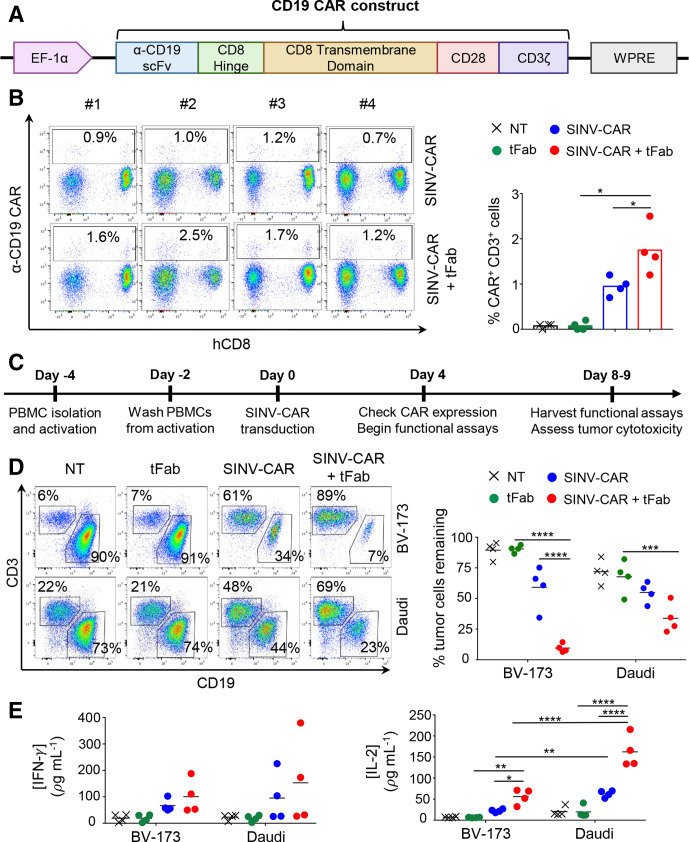
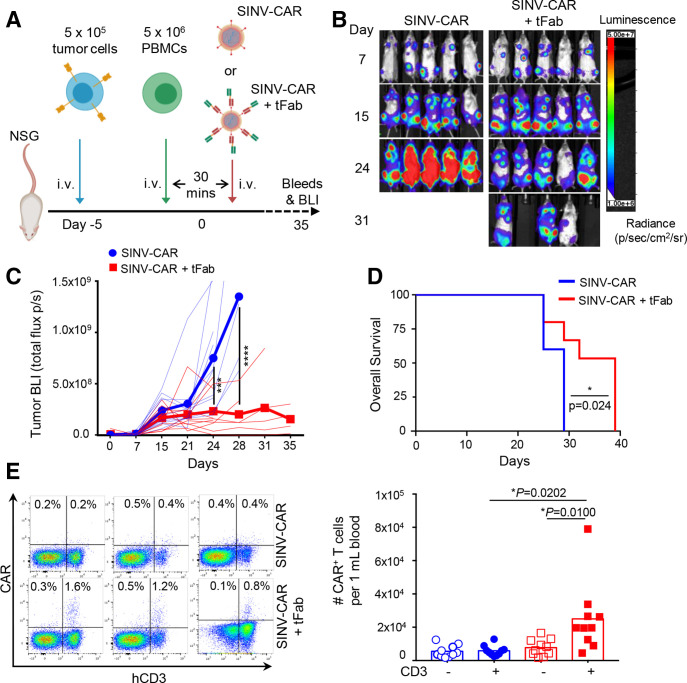
This redirected lentiviral system offers exceptional specificity and efficiency; a single dose of the virus delivered to immunodeficient mice engrafted with human peripheral blood mononuclear cells generates CD19-specific CAR-T cells that markedly control the growth of an aggressive pre-established xenograft B cell tumor.
These findings underscore in vivo engineering of CAR-T cells as a promising approach for personalized cancer immunotherapy.
嵌合抗原受体 (CAR) T 细胞作为一种针对 B 细胞恶性肿瘤的个性化细胞免疫疗法,具有很大的潜力。然而,体外生成 CAR T 细胞产品所涉及的复杂而漫长的制造过程会导致大量的生产时间延迟和高成本。此外,T 细胞的体外扩增会促进细胞分化,从而降低其体内复制能力和寿命。
为了克服这些限制,CAR-T 细胞通过给予表达突变辛德比斯包膜的慢病毒在体内进行工程改造,同时结合一种双特异性抗体结合物,将病毒重新导向人 CD3 T 细胞。
这种重新定向的慢病毒系统具有出色的特异性和效率;单次给予携带人外周血单核细胞的免疫缺陷小鼠病毒,可产生针对 CD19 的 CAR-T 细胞,显著控制侵袭性预先建立的异种移植物 B 细胞肿瘤的生长。
这些发现强调了 CAR-T 细胞的体内工程作为个性化癌症免疫疗法的一种有前途的方法。