Center for Synaptic Neuroscience and Technology, Istituto Italiano di Tecnologia, Genova, Italy.
IRCCS, Ospedale Policlinico San Martino, Genova, Italy.
Aging Cell. 2021 Oct;20(10):e13471. doi: 10.1111/acel.13471. Epub 2021 Sep 14.
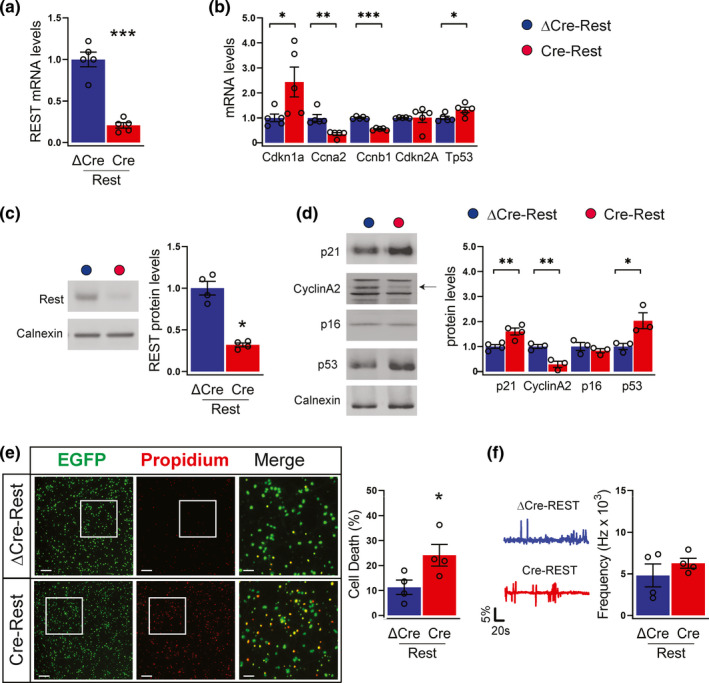
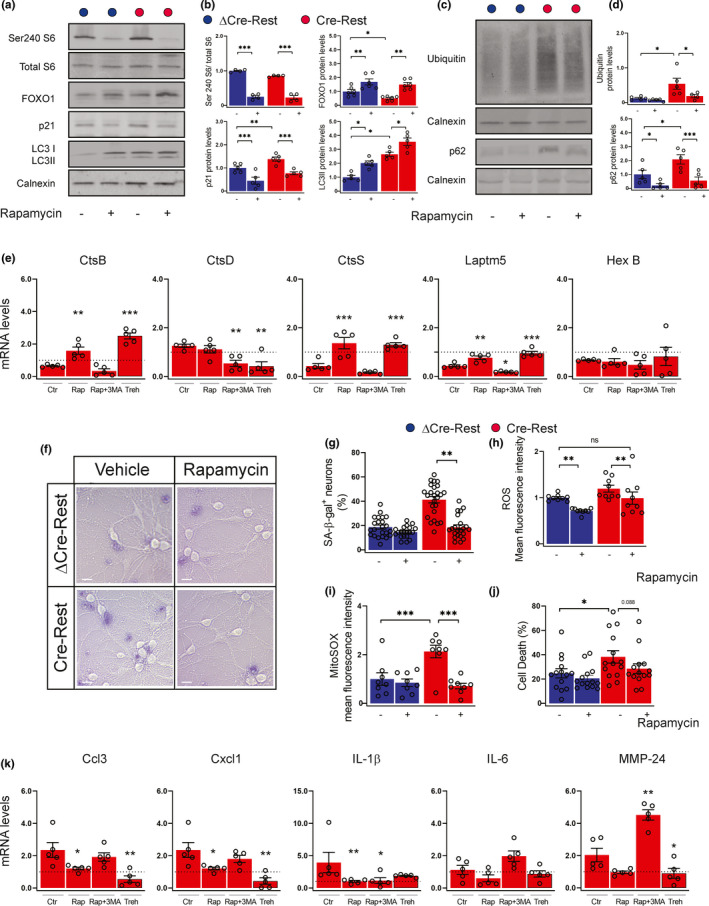
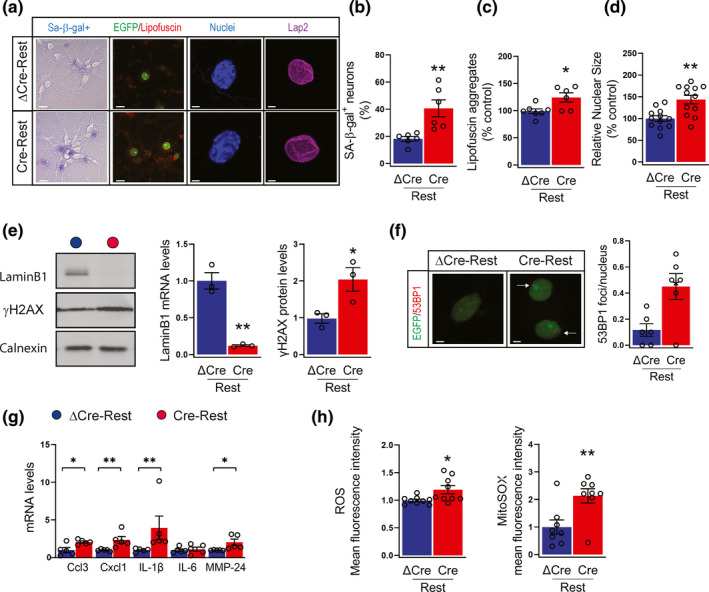
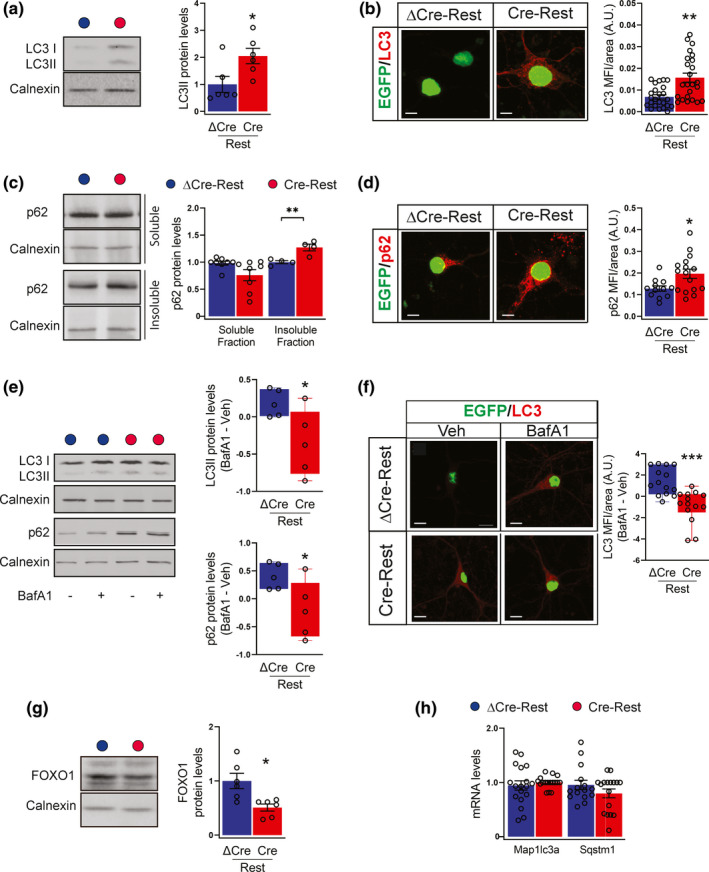
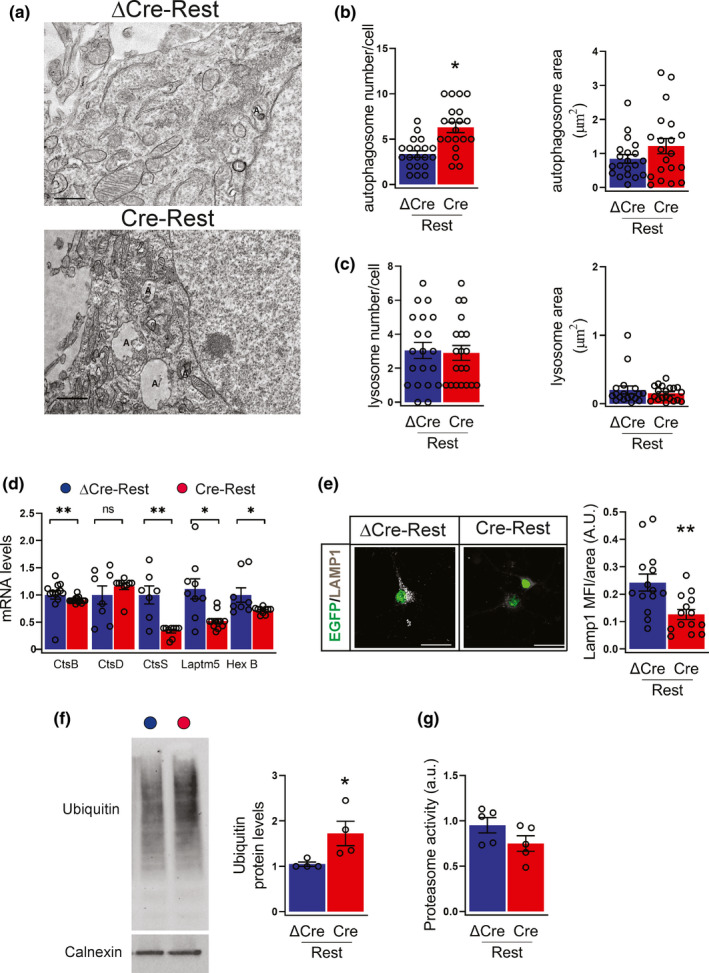
During aging, brain performances decline. Cellular senescence is one of the aging drivers and a key feature of a variety of human age-related disorders. The transcriptional repressor RE1-silencing transcription factor (REST) has been associated with aging and higher risk of neurodegenerative disorders. However, how REST contributes to the senescence program and functional impairment remains largely unknown. Here, we report that REST is essential to prevent the senescence phenotype in primary mouse neurons. REST deficiency causes failure of autophagy and loss of proteostasis, increased oxidative stress, and higher rate of cell death. Re-establishment of autophagy reverses the main hallmarks of senescence. Our data indicate that REST has a protective role in physiological aging by regulating the autophagic flux and the senescence program in neurons, with implications for neurological disorders associated with aging.
随着年龄的增长,大脑的表现能力会下降。细胞衰老(cellular senescence)是衰老的驱动因素之一,也是多种与年龄相关的人类疾病的一个关键特征。转录抑制因子 RE1-沉默转录因子(RE1-silencing transcription factor,REST)与衰老和神经退行性疾病的较高风险有关。然而,REST 如何促进衰老程序和功能障碍在很大程度上仍然未知。在这里,我们报告 REST 对于预防原代小鼠神经元的衰老表型是必需的。REST 缺乏会导致自噬失败和蛋白质稳态丧失、氧化应激增加以及更高的细胞死亡率。自噬的重新建立逆转了衰老的主要特征。我们的数据表明,REST 通过调节神经元中的自噬通量和衰老程序,在生理衰老中发挥保护作用,这与与衰老相关的神经紊乱有关。