Department of Biology, Drexel University, Philadelphia, PA 19104, United States of America.
Phys Biol. 2021 Oct 4;18(6). doi: 10.1088/1478-3975/ac267a.
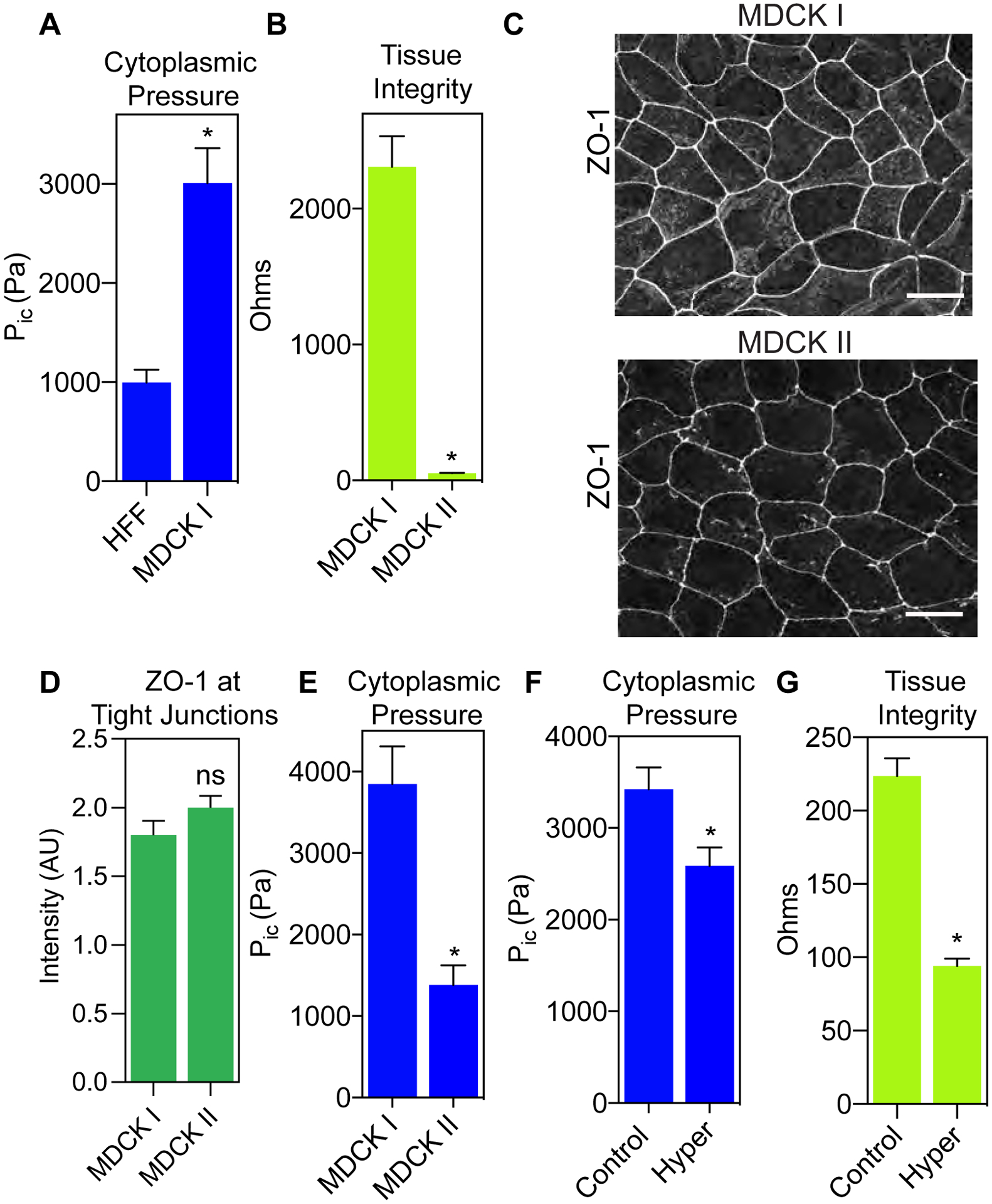
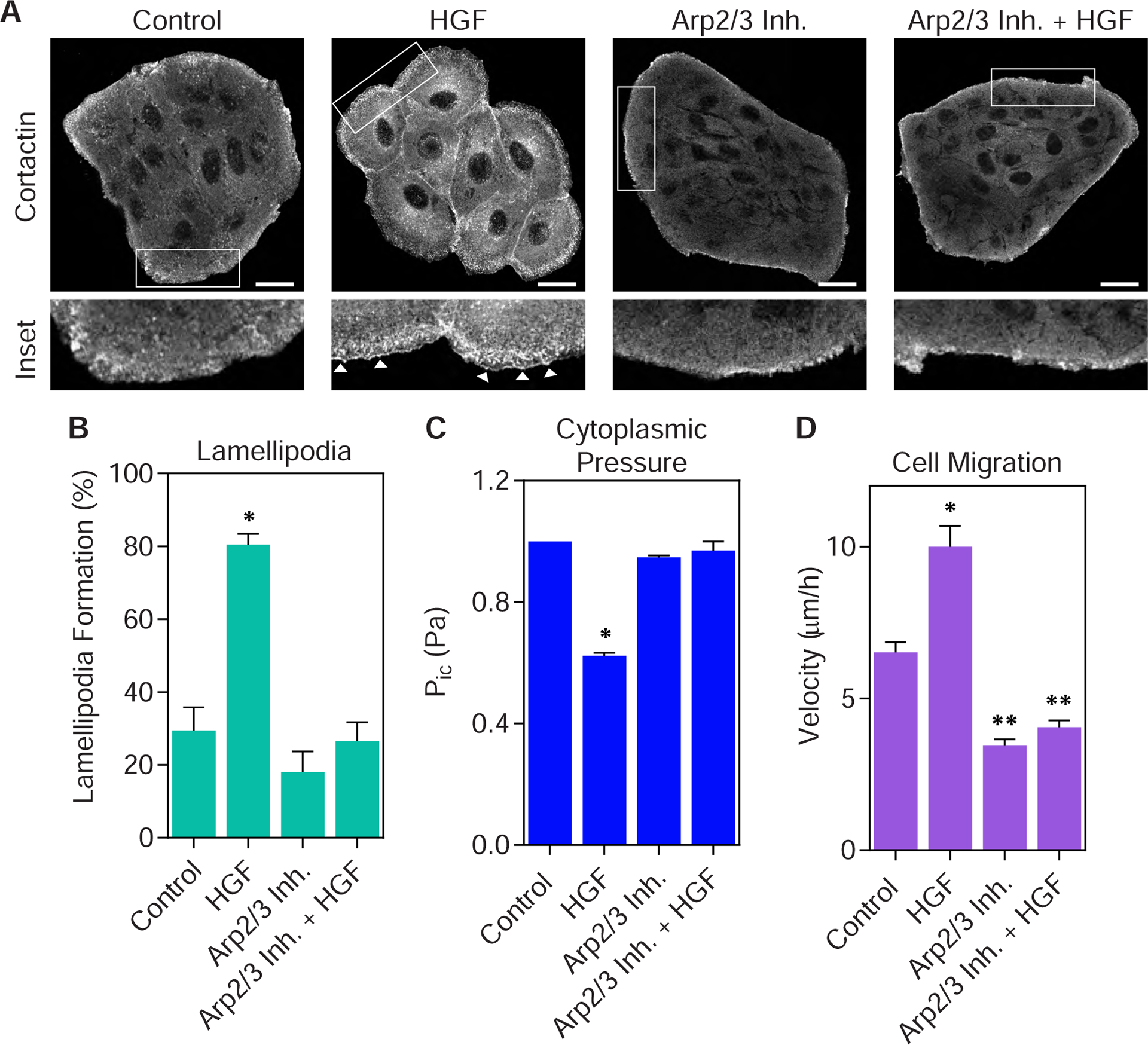
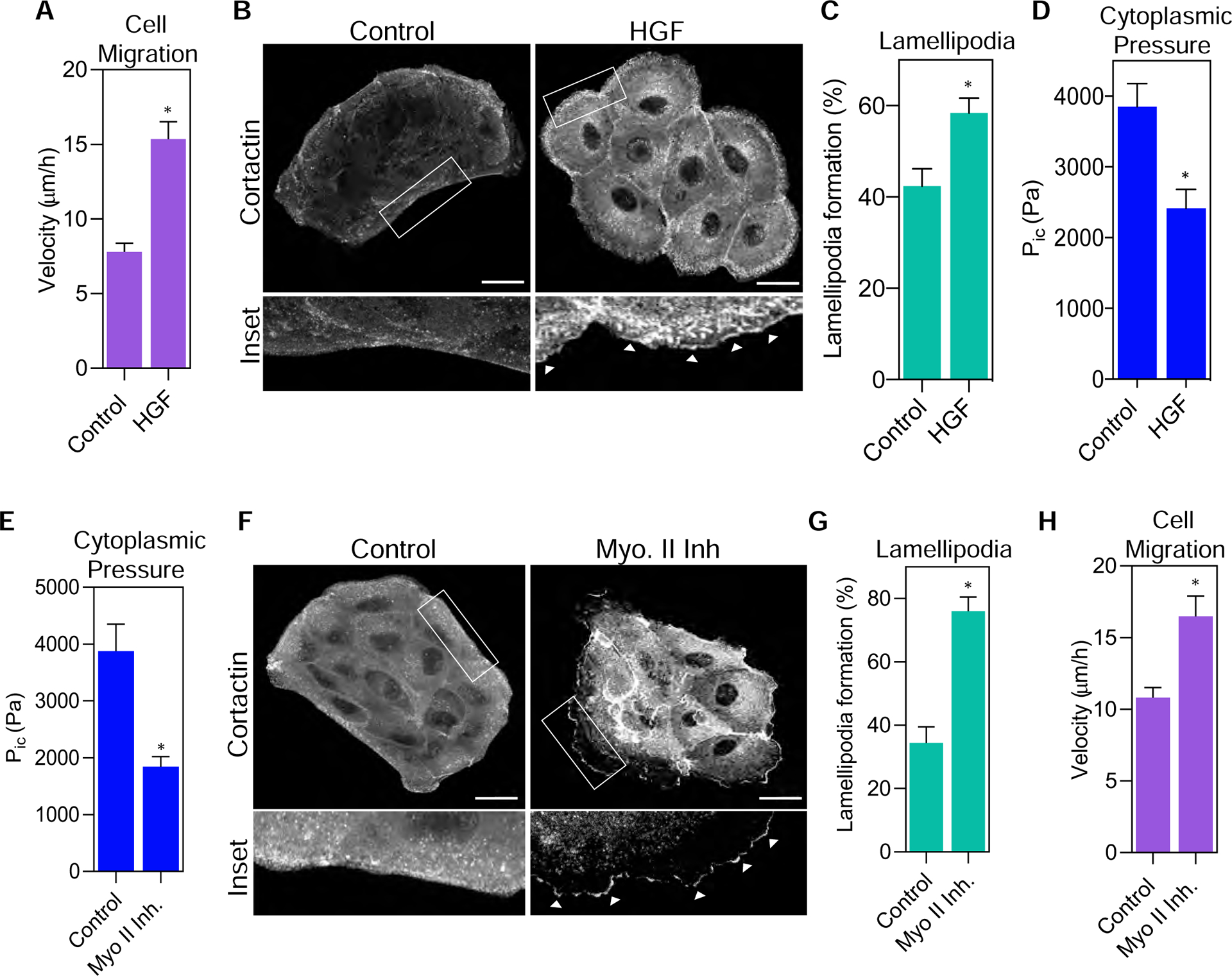
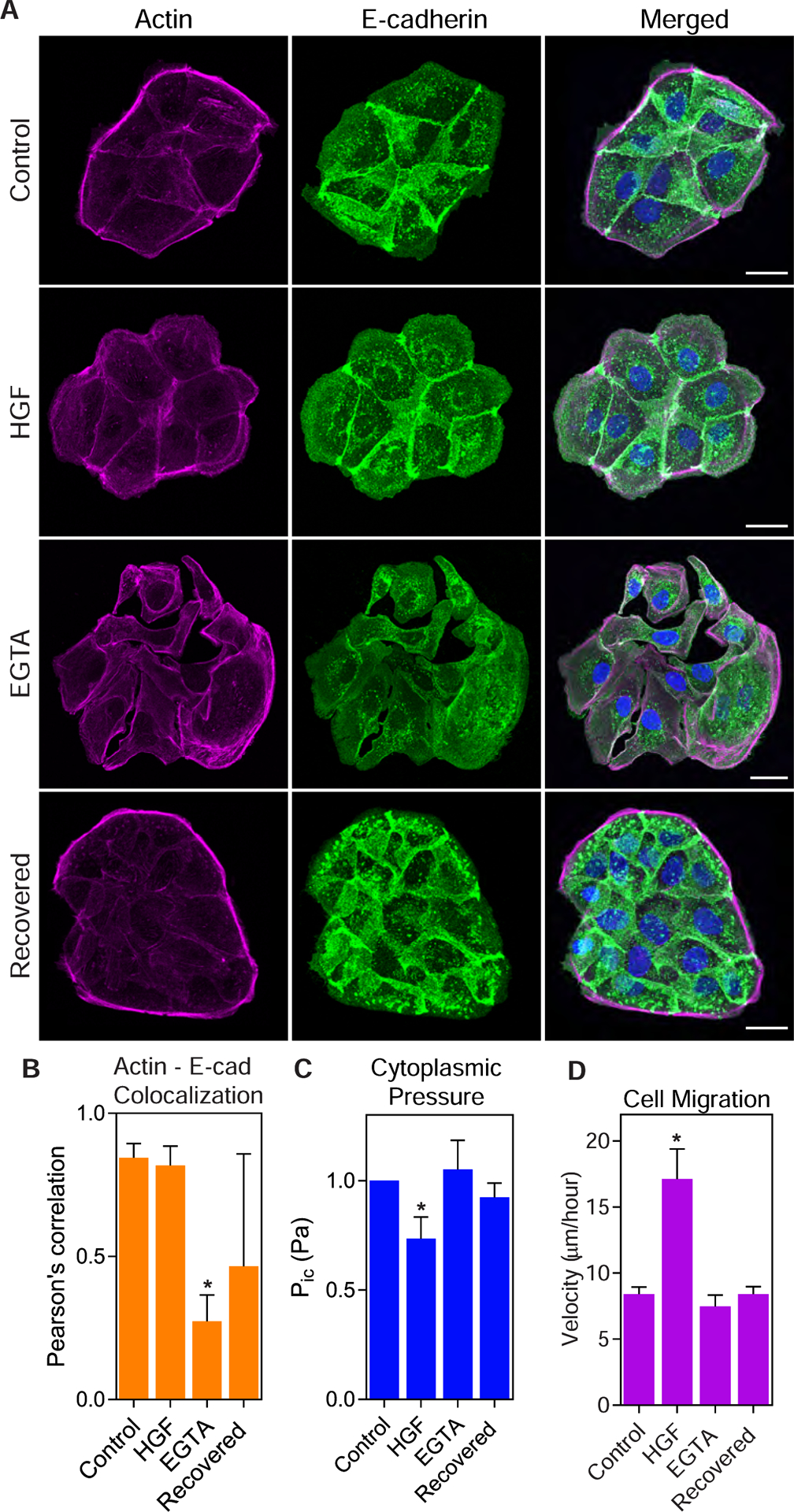
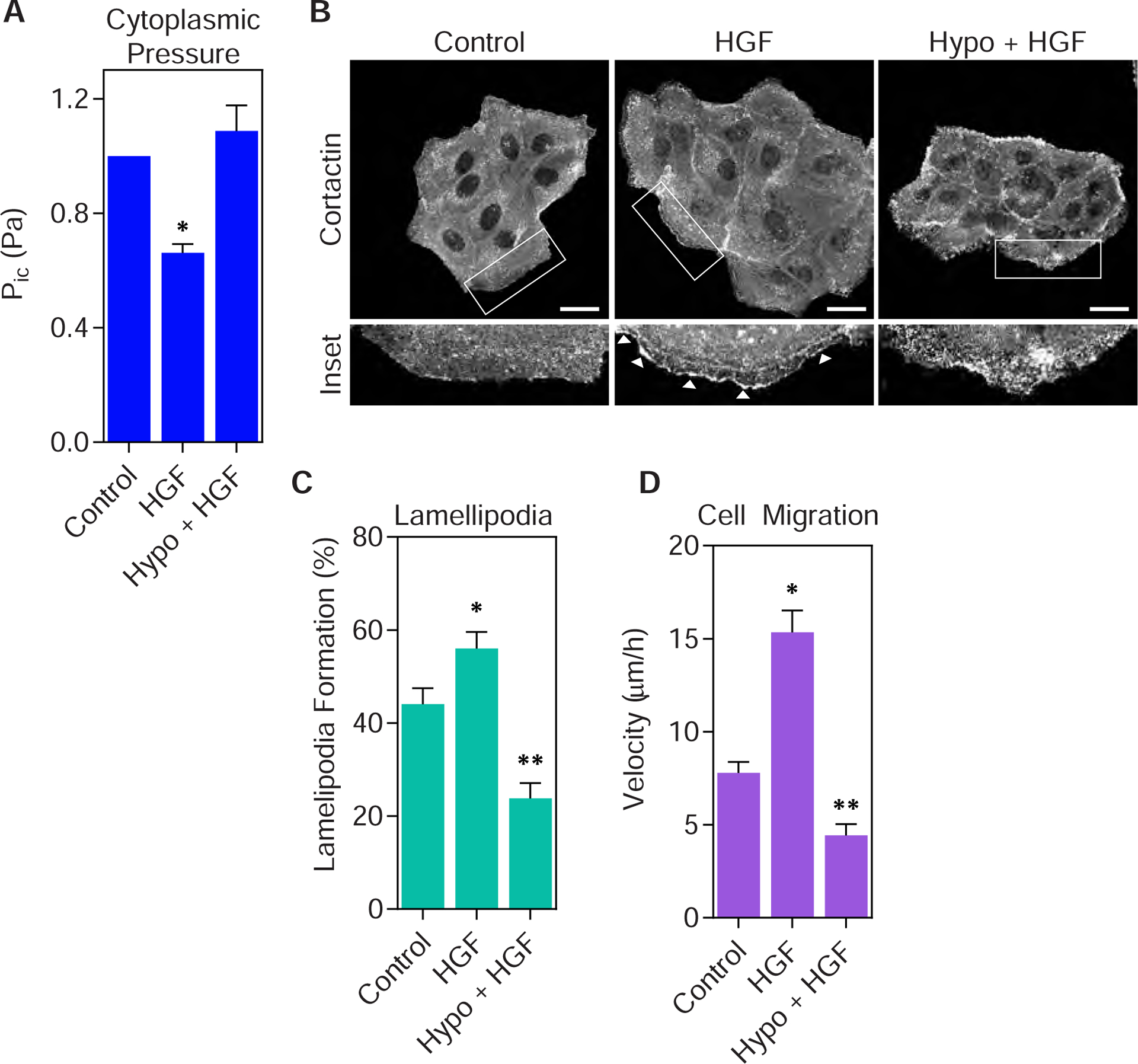
Cytoplasmic pressure, a function of actomyosin contractility and water flow, can regulate cellular morphology and dynamics. In mesenchymal cells, cytoplasmic pressure powers cell protrusion through physiological three-dimensional extracellular matrices. However, the role of intracellular pressure in epithelial cells is relatively unclear. Here we find that high cytoplasmic pressure is necessary to maintain barrier function, one of the hallmarks of epithelial homeostasis. Further, our data show that decreased cytoplasmic pressure facilitates lamellipodia formation during the epithelial to mesenchymal transition (EMT). Critically, activation of the actin nucleating protein Arp2/3 is required for the reduction in cytoplasmic pressure and lamellipodia formation in response to treatment with hepatocyte growth factor (HGF) to induce EMT. Thus, elevated cytoplasmic pressure functions to maintain epithelial tissue integrity, while reduced cytoplasmic pressure triggers lamellipodia formation and motility during HGF-dependent EMT.
细胞质压力是肌动球蛋白收缩和水流的一种功能,它可以调节细胞形态和动力学。在间质细胞中,细胞质压力通过生理三维细胞外基质为细胞突起提供动力。然而,细胞内压力在上皮细胞中的作用相对不清楚。在这里,我们发现高细胞质压力对于维持屏障功能是必要的,而屏障功能是上皮细胞稳态的特征之一。此外,我们的数据表明,细胞质压力降低有助于上皮细胞向间充质转化(EMT)过程中片状伪足的形成。关键的是,在肝生长因子(HGF)处理以诱导 EMT 时,肌动蛋白成核蛋白 Arp2/3 的激活对于细胞质压力的降低和片状伪足的形成是必需的。因此,升高的细胞质压力有助于维持上皮组织的完整性,而降低的细胞质压力在 HGF 依赖性 EMT 期间触发片状伪足的形成和运动。