Harter Cynthia L, Harter John F R
College of Business, Eastern Kentucky University, Richmond, KY USA.
J Fam Econ Issues. 2022;43(4):832-842. doi: 10.1007/s10834-021-09796-y. Epub 2021 Sep 9.
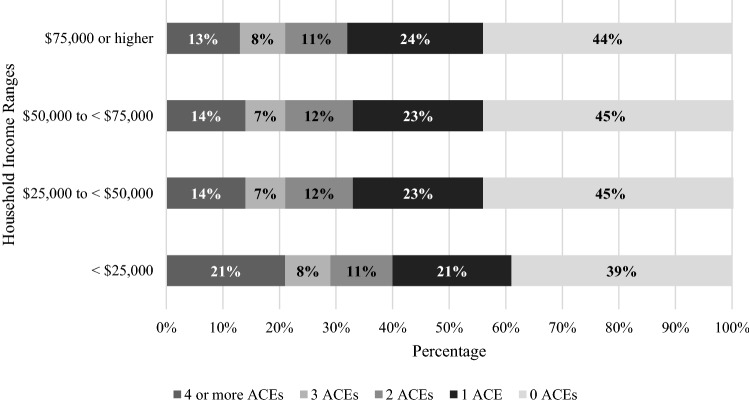
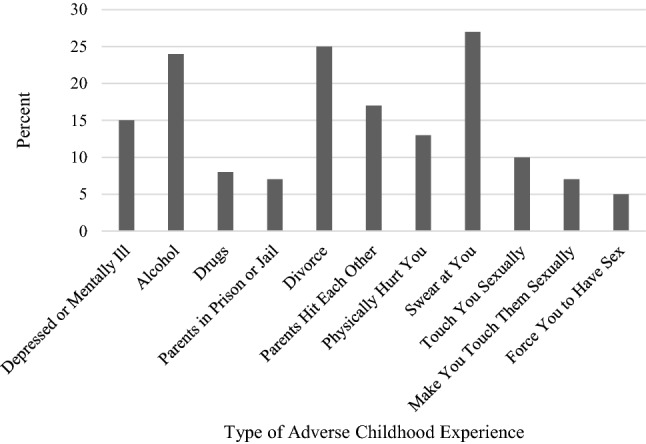
This study provides an evidence-based link between adverse childhood experiences (ACEs) and adult financial wellbeing. Drawing on a comprehensive financial wellbeing framework that was developed by the Consumer Financial Protection Bureau, we analyze data from the Behavioral Risk Factor Surveillance System, a survey designed primarily to measure health behaviors and outcomes, but which also asks about financial wellbeing aspects such as food and housing security. We use ordered probit analysis to investigate how respondents' self-reported levels of food security and housing security are influenced by demographics that include remembered ACEs and find that, at various income levels, financial stress in adulthood is related to childhood trauma. This interdisciplinary approach to studying financial outcomes extends work in public health and psychology that establishes a link between ACEs and adult physical and mental health measures. The finding is timely as policy makers craft responses to global public health, financial, and other shocks. Recognizing this link between ACEs and adult financial wellbeing provides additional evidence that educators, therapists, social workers, and other professionals should collaborate and develop integrated practices to prevent or reduce ACEs and promote resilience.
本研究提供了童年不良经历(ACEs)与成年后财务状况之间基于证据的联系。借助消费者金融保护局制定的全面财务状况框架,我们分析了行为风险因素监测系统的数据,该调查主要旨在衡量健康行为和结果,但也询问了诸如食品和住房安全等财务状况方面的问题。我们使用有序概率分析来研究受访者自我报告的食品安全和住房安全水平如何受到包括记忆中的ACEs在内的人口统计学因素的影响,并发现,在不同收入水平下,成年后的财务压力与童年创伤有关。这种研究财务结果的跨学科方法扩展了公共卫生和心理学领域的工作,这些工作建立了ACEs与成年后身心健康指标之间的联系。这一发现恰逢政策制定者制定应对全球公共卫生、金融和其他冲击的措施之际。认识到ACEs与成年后财务状况之间的这种联系,为教育工作者、治疗师、社会工作者和其他专业人员应合作并制定综合措施以预防或减少ACEs并促进恢复力提供了更多证据。