
两性霉素B用于侵袭性真菌感染的给药策略。
Delivery strategies of amphotericin B for invasive fungal infections.
作者信息
Wang Xiaochun, Mohammad Imran Shair, Fan Lifang, Zhao Zongmin, Nurunnabi Md, Sallam Marwa A, Wu Jun, Chen Zhongjian, Yin Lifang, He Wei
机构信息
Department of Pharmaceutics, China Pharmaceutical University, Nanjing 211198, China.
School of Pharmaceutical Sciences, Sun Yat-sen University, University Town, Guangzhou 510006, China.
出版信息
Acta Pharm Sin B. 2021 Aug;11(8):2585-2604. doi: 10.1016/j.apsb.2021.04.010. Epub 2021 Apr 29.
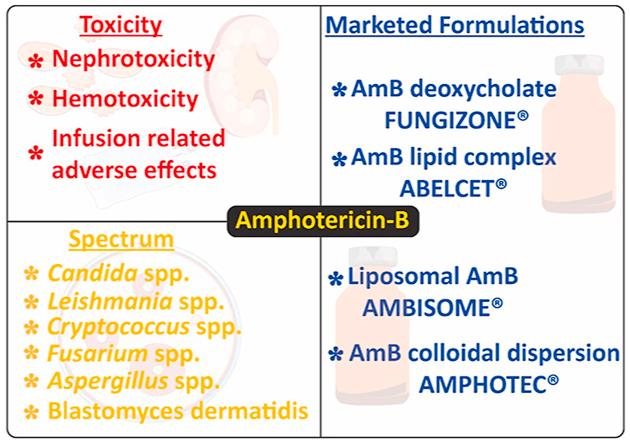
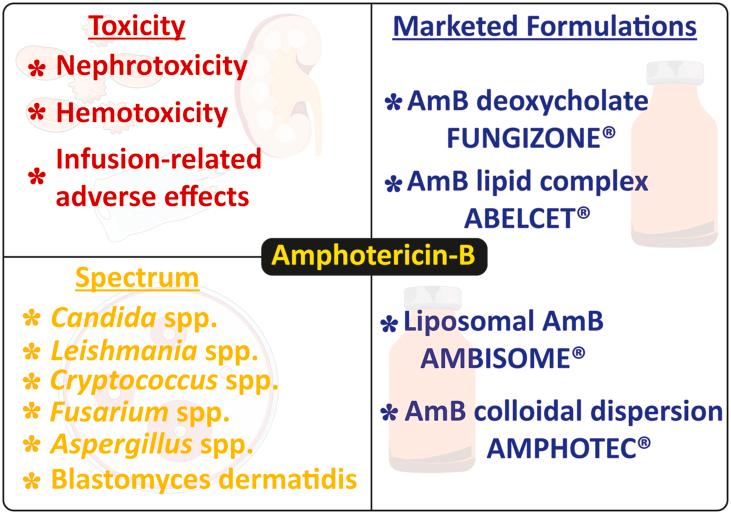
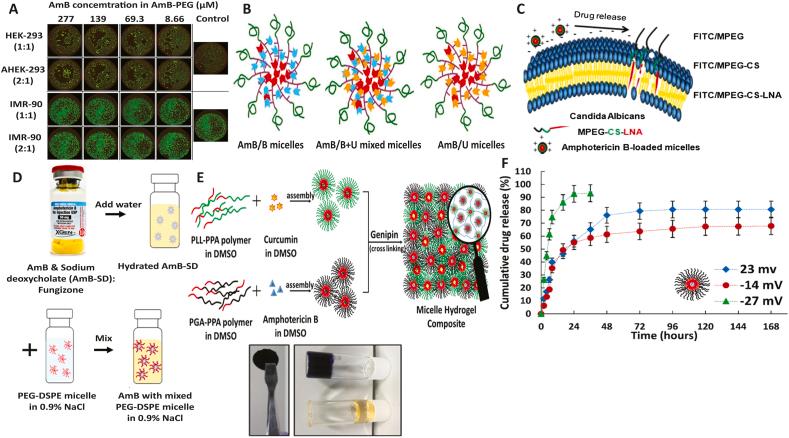
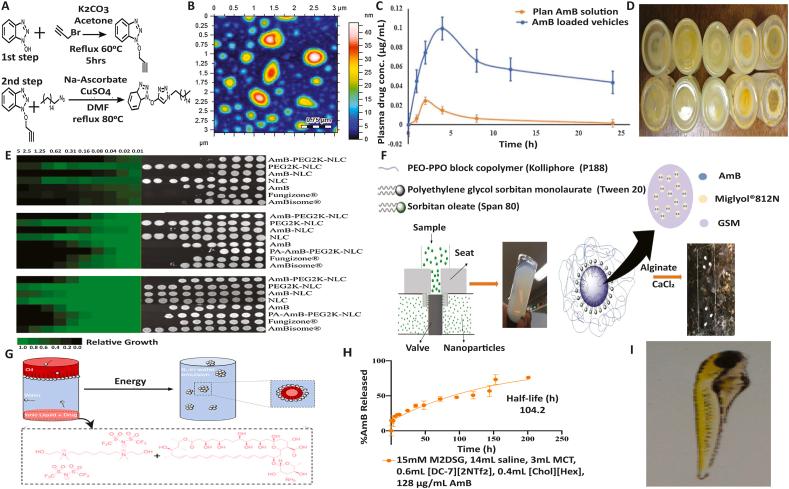
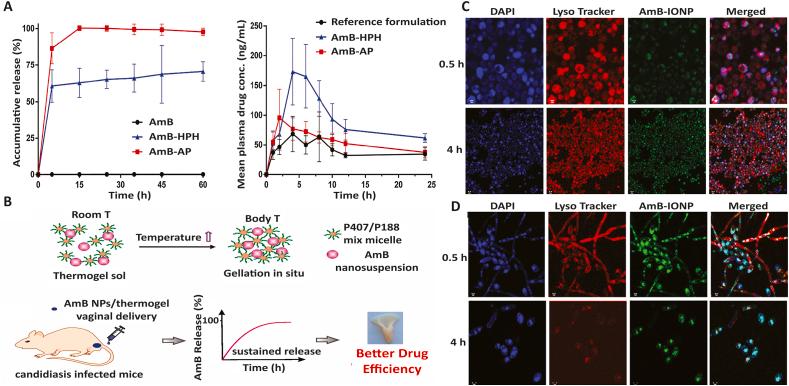
Invasive fungal infections (IFIs) represent a growing public concern for clinicians to manage in many medical settings, with substantial associated morbidities and mortalities. Among many current therapeutic options for the treatment of IFIs, amphotericin B (AmB) is the most frequently used drug. AmB is considered as a first-line drug in the clinic that has strong antifungal activity and less resistance. In this review, we summarized the most promising research efforts on nanocarriers for AmB delivery and highlighted their efficacy and safety for treating IFIs. We have also discussed the mechanism of actions of AmB, rationale for treating IFIs, and recent advances in formulating AmB for clinical use. Finally, this review discusses some practical considerations and provides recommendations for future studies in applying AmB for combating IFIs.
侵袭性真菌感染(IFI)在许多医疗环境中日益引起临床医生的关注,因为它会导致大量相关的发病和死亡。在目前治疗IFI的众多选择中,两性霉素B(AmB)是最常用的药物。AmB在临床上被视为一线药物,具有强大的抗真菌活性且耐药性较低。在本综述中,我们总结了纳米载体递送AmB方面最有前景的研究成果,并强调了它们治疗IFI的有效性和安全性。我们还讨论了AmB的作用机制、治疗IFI的原理以及AmB临床制剂的最新进展。最后,本综述讨论了一些实际考量,并为未来应用AmB对抗IFI的研究提供了建议。

 Zotero 插件