Department of Anesthesiology, Beijing Shijitan Hospital, Capital Medical University, Beijing, 100038, People's Republic of China.
Department of Physiology, Faculty of Medicine, University of Toronto, Medical Science Building, 1 King's College Circle, Toronto, ON, M5S 1A8, Canada.
Mol Brain. 2021 Sep 15;14(1):140. doi: 10.1186/s13041-021-00853-z.
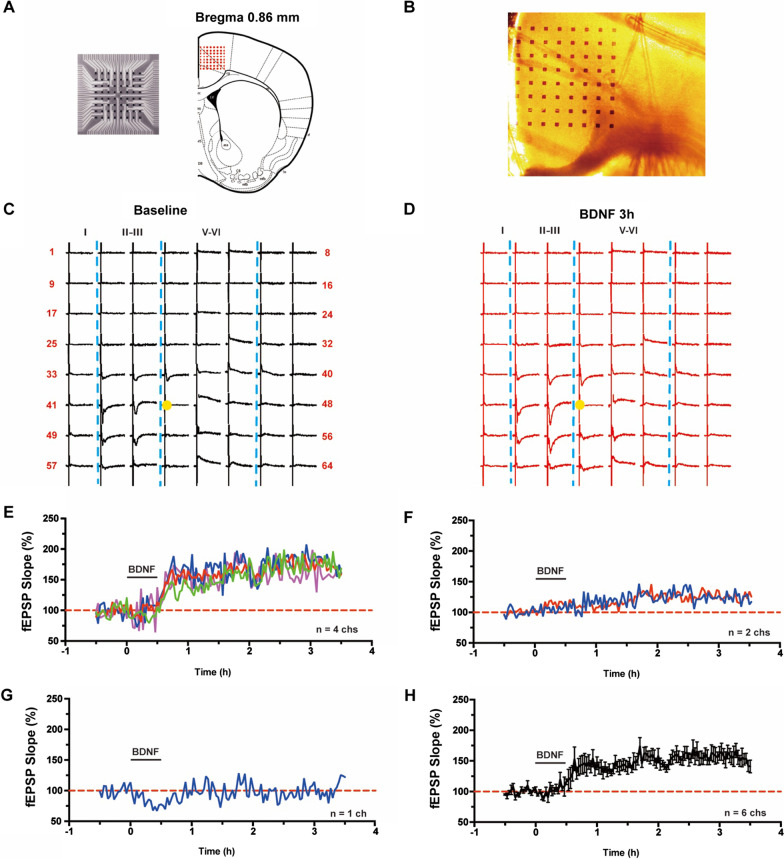
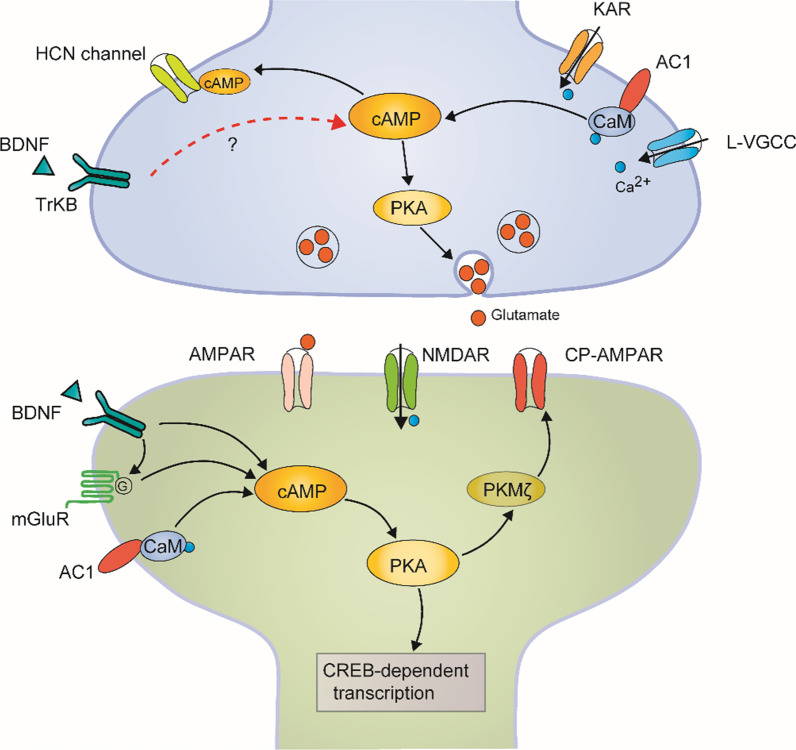
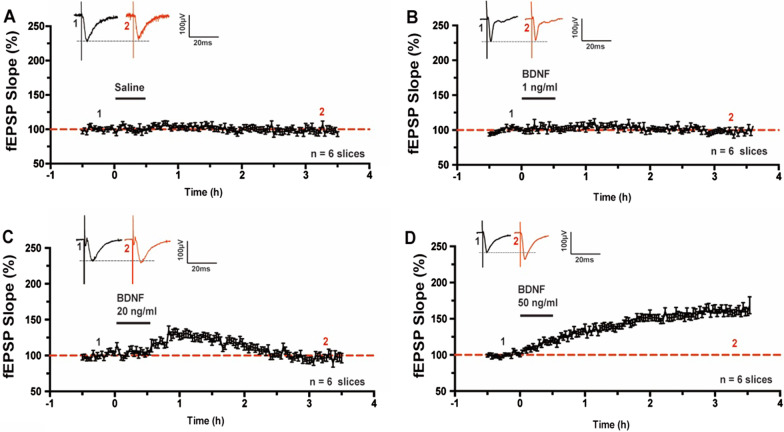
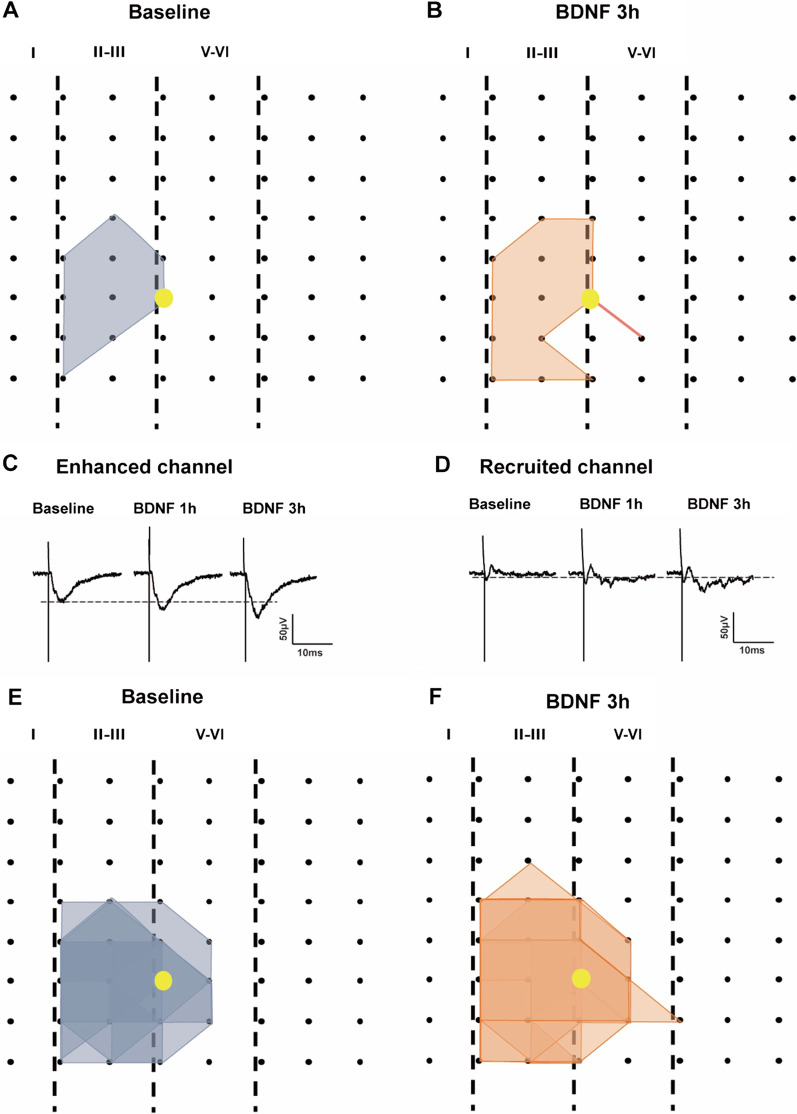
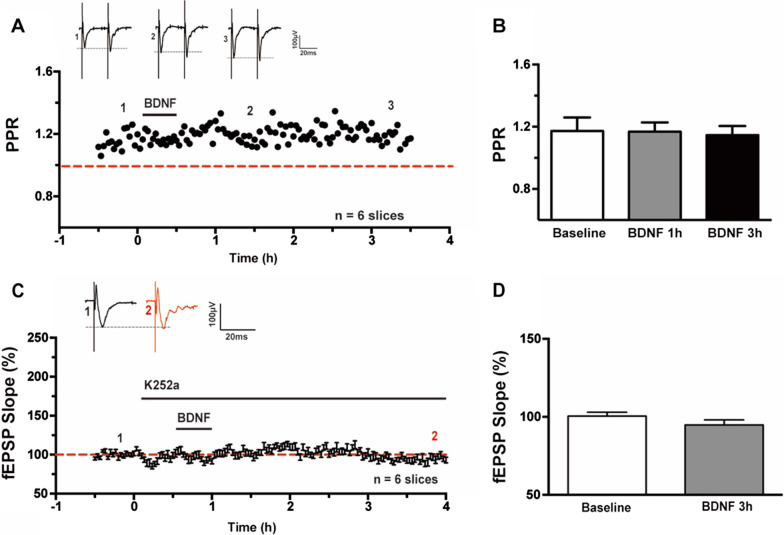
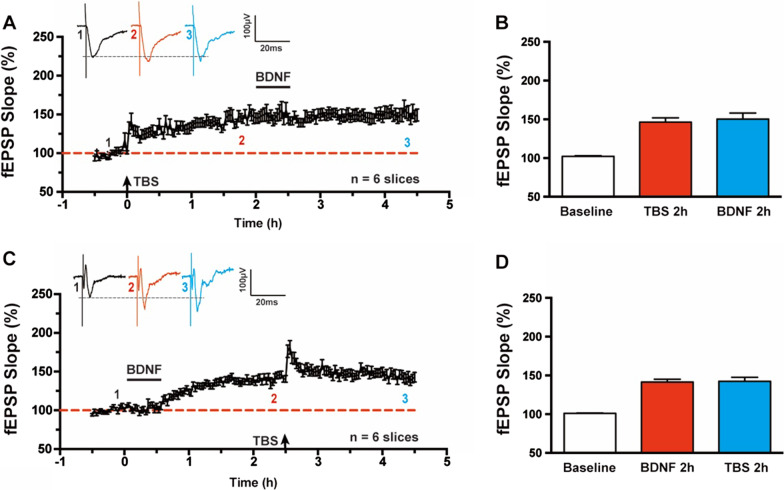
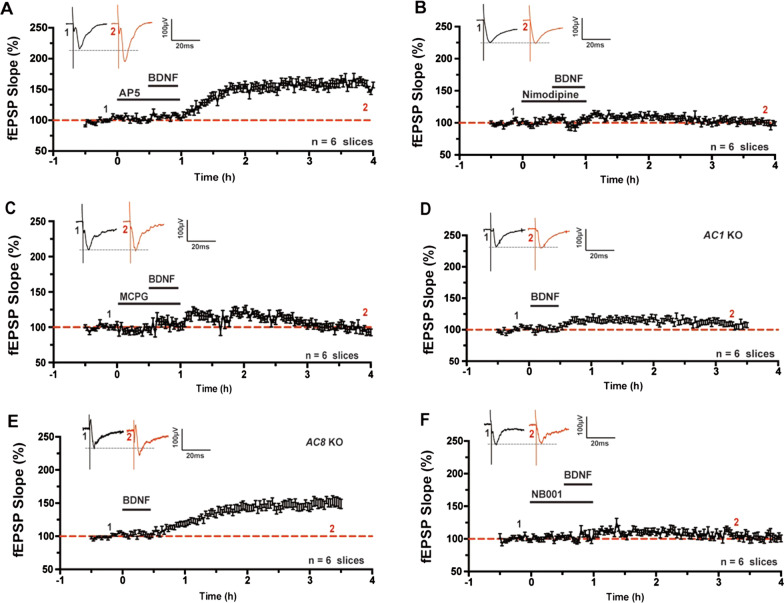
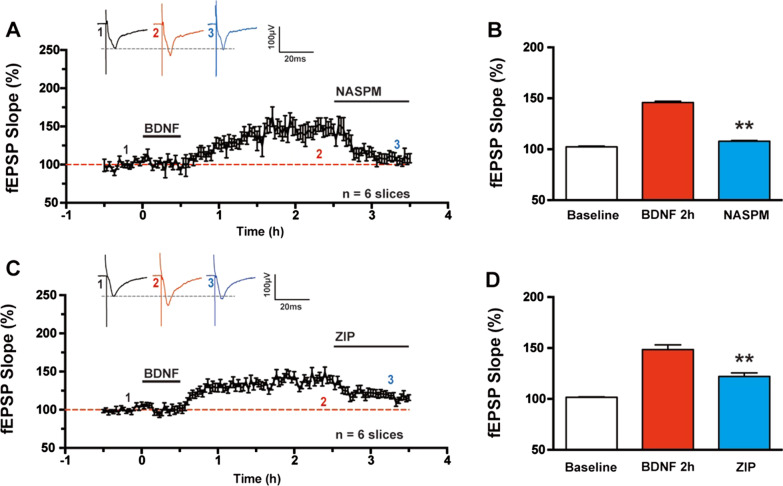
Previous studies have demonstrated that brain-derived neurotrophic factor (BDNF) is one of the diffusible messengers for enhancing synaptic transmission in the hippocampus. Less information is available about the possible roles of BDNF in the anterior cingulate cortex (ACC). In the present study, we used 64-electrode array field recording system to investigate the effect of BDNF on ACC excitatory transmission. We found that BDNF enhanced synaptic responses in a dose-dependent manner in the ACC in C57/BL6 mice. The enhancement was long-lasting, and persisted for at least 3 h. In addition to the enhancement, BDNF also recruited inactive synaptic responses in the ACC. Bath application of the tropomyosin receptor kinase B (TrkB) receptor antagonist K252a blocked BDNF-induced enhancement. L-type voltage-gated calcium channels (L-VGCC), metabotropic glutamate receptors (mGluRs), but not NMDA receptors were required for BDNF-produced enhancement. Moreover, calcium-stimulated adenylyl cyclase subtype 1 (AC1) but not AC8 was essential for the enhancement. A selective AC1 inhibitor NB001 completely blocked the enhancement. Furthermore, BDNF-produced enhancement occluded theta burst stimulation (TBS) induced long-term potentiation (LTP), suggesting that they may share similar signaling mechanisms. Finally, the expression of BDNF-induced enhancement depends on postsynaptic incorporation of calcium-permeable AMPA receptors (CP-AMPARs) and protein kinase Mζ (PKMζ). Our results demonstrate that cortical BDNF may contribute to synaptic potentiation in the ACC.
先前的研究表明,脑源性神经营养因子(BDNF)是增强海马体突触传递的可扩散信使之一。关于 BDNF 在扣带回前部(ACC)中可能发挥的作用,相关信息较少。在本研究中,我们使用 64 电极阵列场记录系统研究了 BDNF 对 ACC 兴奋性传递的影响。我们发现,BDNF 以剂量依赖的方式增强了 C57/BL6 小鼠 ACC 中的突触反应。这种增强是持久的,至少持续 3 小时。除了增强作用,BDNF 还募集了 ACC 中不活跃的突触反应。全脑灌流应用原肌球蛋白受体激酶 B(TrkB)受体拮抗剂 K252a 阻断了 BDNF 诱导的增强。L 型电压门控钙通道(L-VGCC)、代谢型谷氨酸受体(mGluRs),而不是 NMDA 受体,是 BDNF 产生增强所必需的。此外,钙刺激的腺苷酸环化酶亚型 1(AC1),而不是 AC8,对于增强是必要的。选择性 AC1 抑制剂 NB001 完全阻断了增强。此外,BDNF 产生的增强阻断了 theta 爆发刺激(TBS)诱导的长时程增强(LTP),表明它们可能共享类似的信号转导机制。最后,BDNF 诱导的增强的表达取决于突触后钙通透性 AMPA 受体(CP-AMPARs)和蛋白激酶 Mζ(PKMζ)的内化。我们的结果表明,皮质 BDNF 可能有助于 ACC 中的突触增强。