Shah Jignesh, Chandanani Sonia, Reddy Jayanthi, Kirubamani Hepzibah, Boruah Arun Madhab, Jain Anju, Mane Sheela, Biniwale Parag, Mathur Poonam, Ridhorkar Anuradha, Natarajan Suma, Tiwari Brajbala
Department of Obstetrics and Gynecology, Dr. Shah Maternity and Nursing Home, Ahmedabad, India.
Department of Obstetrics and Gynecology, Bombay Maternity and Surgical Hospital, Surat, Gujarat, India.
J Midlife Health. 2021 Apr-Jun;12(2):108-115. doi: 10.4103/jmh.jmh_86_21. Epub 2021 Jul 27.
Hormonal therapy for menopause has been found to be the most efficacious treatment, but it may be associated with adverse effects in some of the women. Rheum rhaponticum root extract ("ERr 731"), which is available worldwide, is a natural, reliable, effective, and well-tolerated remedy for women in perimenopausal women with menopausal symptoms (MSs), but there is no Indian study demonstrating its efficacy, safety, and tolerability till date.
This study aimed to evaluate the efficacy and safety of ERr 731 in alleviating MSs in perimenopausal Indian women.
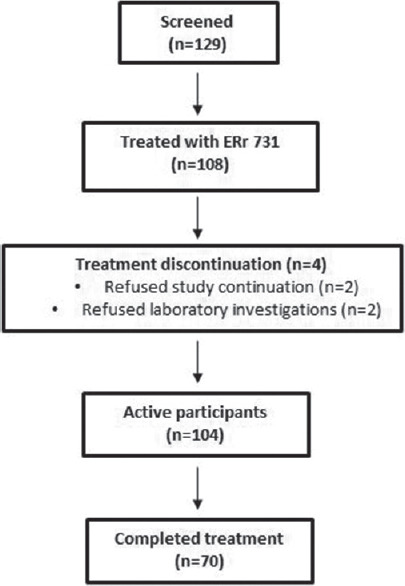
In this open-labeled prospective study, 129 perimenopausal women were treated with tablet containing 4 mg of Rr dried root extract once daily for 12 weeks. The Menopause Rating Scale (MRS) II score, endometrial thickness (ET), blood pressure, glycemic status, lipid profile, and high-sensitivity C-reactive protein (hs-CRP) level were periodically assessed and compared.
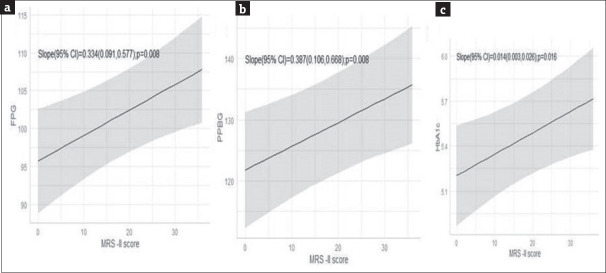
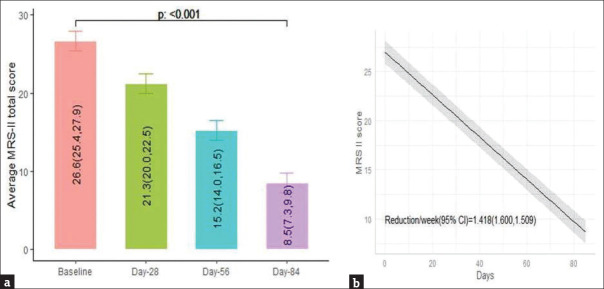
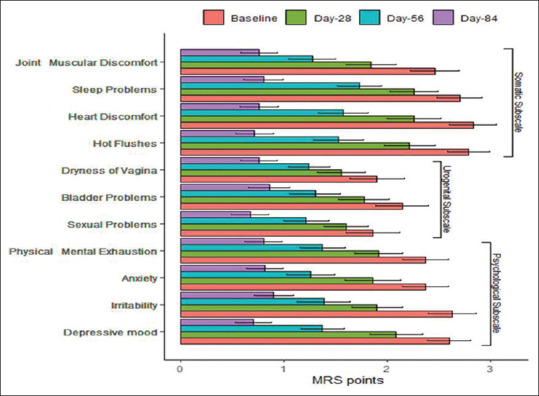
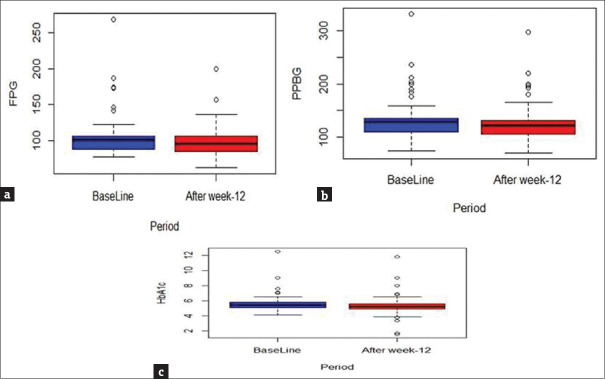
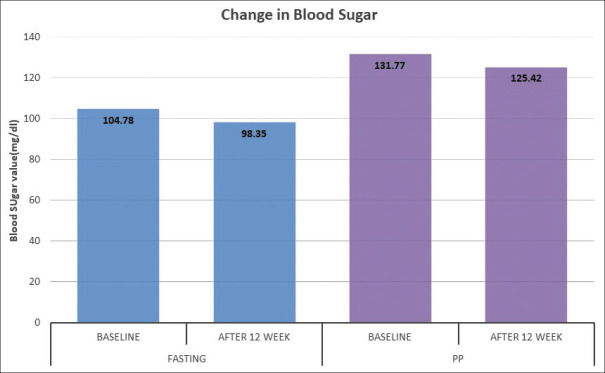
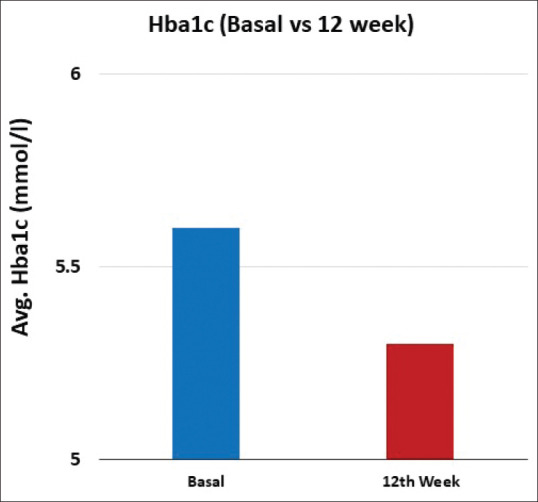
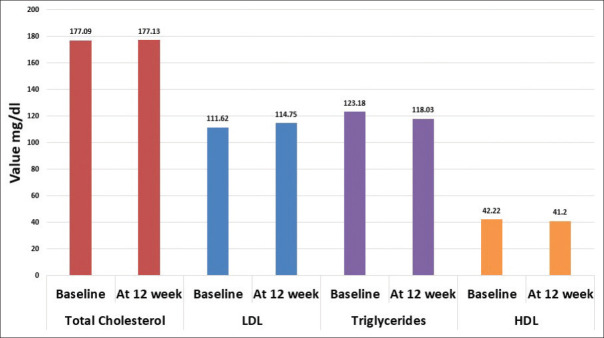
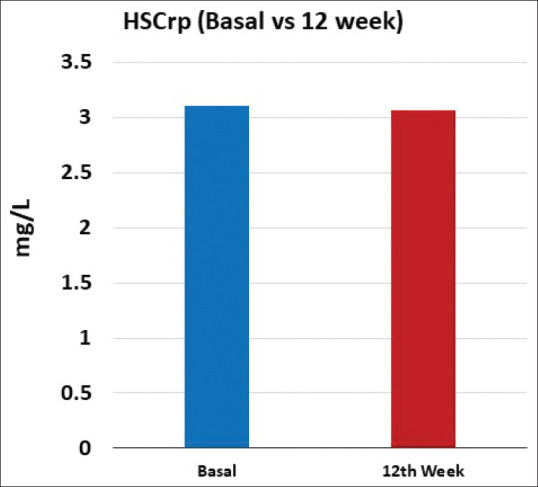
A significant reduction (67% by 12 week) in the mean MRS II score was observed from baseline till the end of 12 weeks (18.1; 95% confidence interval [CI]: 17.0-19.2; < 0.001). A monotonic reduction in the mean total MRS II score over time was found (1.51 units/week; 95% CI: 1.42-1.60 units/week; < 0.001) noticeable. There was a reduction in the mean ET from baseline till the end of 12 weeks, although the change was not significant. There were significant reductions in the mean fasting (6.3 mg/dl; 95% CI: 1.7-11.0 mg/dl; = 0.008) and postprandial (6.3 mg/dl; 95% CI: 1.0-11.7; = 0.021) blood glucose levels and glycated hemoglobin level (0.30%; 95% CI: 0.085-0.520; = 0.007) at 12 weeks. No significant changes were noted in terms of blood pressure, lipid profile, and hs-CRP level. The drug was found to be safe.
ERr 731 was well tolerated and was found to be efficacious and safe in alleviating MSs in Indian perimenopausal women.
已发现更年期激素疗法是最有效的治疗方法,但在某些女性中可能会产生不良反应。大黄根茎提取物(“ERr 731”)在全球范围内都有,是一种天然、可靠、有效且耐受性良好的药物,可用于治疗有更年期症状(MSs)的围绝经期女性,但迄今为止尚无印度的研究证明其有效性、安全性和耐受性。
本研究旨在评估ERr 731在缓解印度围绝经期女性MSs方面的有效性和安全性。
在这项开放标签的前瞻性研究中,129名围绝经期女性接受了每日一次含4毫克大黄干燥根提取物的片剂治疗,为期12周。定期评估并比较更年期评定量表(MRS)II评分、子宫内膜厚度(ET)、血压、血糖状态、血脂谱和高敏C反应蛋白(hs-CRP)水平。
从基线到12周结束时,平均MRS II评分显著降低(12周时降低67%)(18.1;95%置信区间[CI]:17.0 - 19.2;P < 0.001)。发现平均总MRS II评分随时间呈单调降低(1.51单位/周;95% CI:1.42 - 1.60单位/周;P < 0.001),这很明显。从基线到12周结束时,平均ET有所降低,尽管变化不显著。12周时,平均空腹血糖(6.3毫克/分升;95% CI:1.7 - 11.0毫克/分升;P = 0.008)、餐后血糖(6.3毫克/分升;95% CI:1.0 - 11.7;P = 0.021)水平和糖化血红蛋白水平(0.30%;95% CI:0.085 - 0.520;P = 0.007)均显著降低。血压、血脂谱和hs-CRP水平方面未发现显著变化。该药物被发现是安全的。
ERr 731耐受性良好,在缓解印度围绝经期女性的MSs方面被发现是有效且安全的。