Translation medicine/preclinical safety, Novartis Institutes for Biomedical Research, Basel 4058, Switzerland.
Neuroscience/rare diseases, Novartis Institutes for Biomedical Research, Cambridge, MA 02139, USA.
Biol Open. 2021 Oct 15;10(10). doi: 10.1242/bio.058551. Epub 2021 Oct 28.
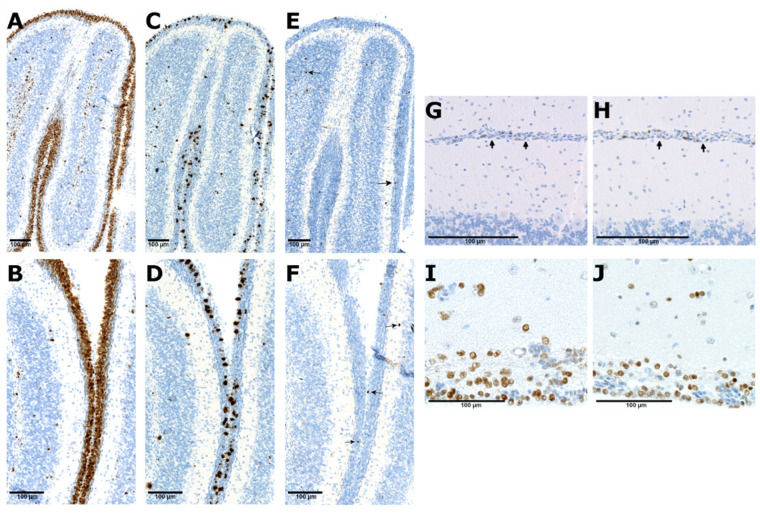
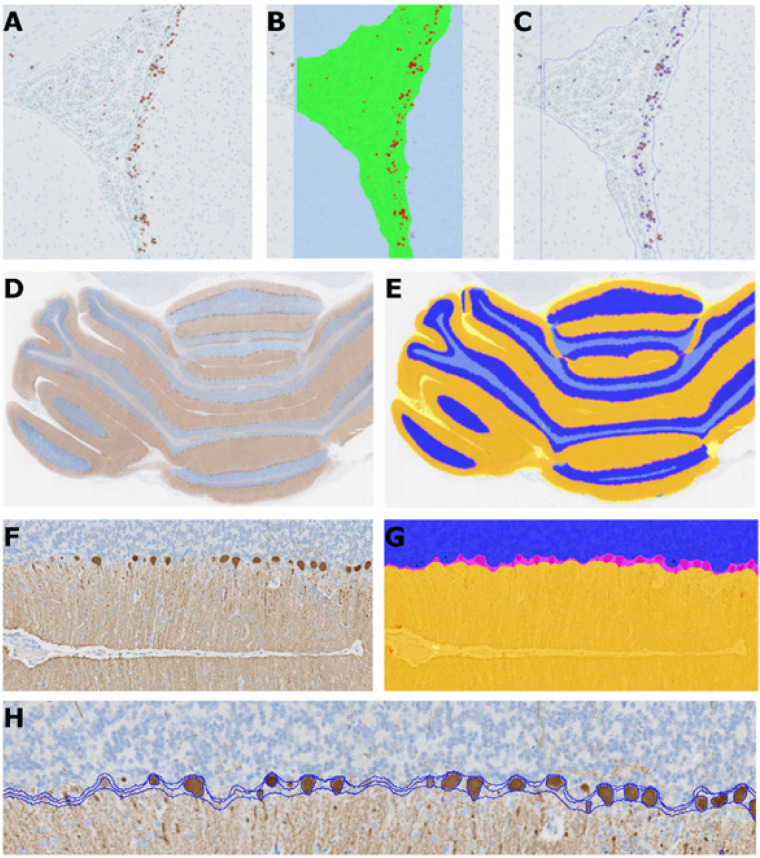
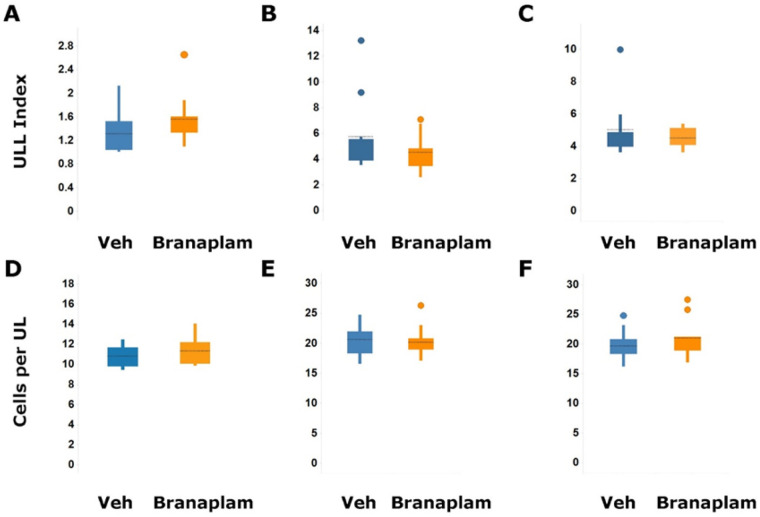
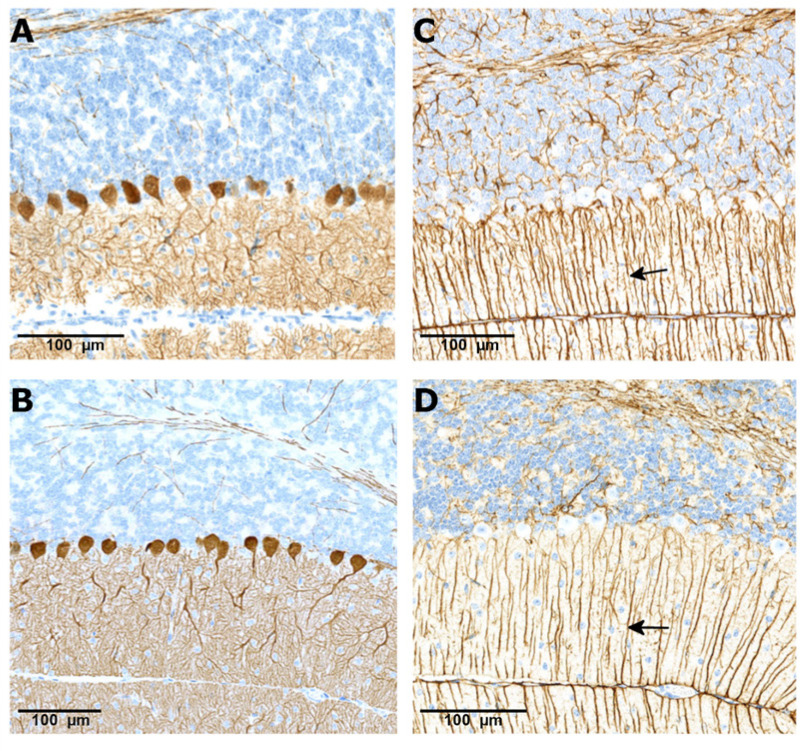
Branaplam is a therapeutic agent currently in clinical development for the treatment of infants with type 1 spinal muscular atrophy (SMA). Since preclinical studies showed that branaplam had cell-cycle arrest effects, we sought to determine whether branaplam may affect postnatal cerebellar development and brain neurogenesis. Here, we describe a novel approach for developmental neurotoxicity testing (DNT) of a central nervous system (CNS) active drug. The effects of orally administered branaplam were evaluated in the SMA neonatal mouse model (SMNΔ7), and in juvenile Wistar Hannover rats and Beagle dogs. Histopathological examination and complementary immunohistochemical studies focused on areas of neurogenesis in the cerebellum (mice, rats, and dogs), and the subventricular zone of the striatum and dentate gyrus (rats and dogs) using antibodies directed against Ki67, phosphorylated histone H3, cleaved caspase-3, and glial fibrillary acidic protein. Additionally, image-analysis based quantification of calbindin-D28k and Ki67 was performed in rats and dogs. The patterns of cell proliferation and apoptosis, and neural migration and innervation in the cerebellum and other brain regions of active adult neurogenesis did not differ between branaplam- and control-treated animals. Quantitative image analysis did not reveal any changes in calbindin-D28k and Ki67 expression in rats and dogs. The data show that orally administered branaplam has no impact on neurogenesis in juvenile animals. Application of selected immunohistochemical stainings in combination with quantitative image analysis on a few critical areas of postnatal CNS development offer a reliable approach to assess DNT of CNS-active drug candidates in juvenile animal toxicity studies.
Branaplam 是一种正在临床开发用于治疗 1 型脊髓性肌萎缩症(SMA)婴儿的治疗剂。由于临床前研究表明 branaplam 具有细胞周期停滞作用,我们试图确定 branaplam 是否会影响产后小脑发育和大脑神经发生。在这里,我们描述了一种用于中枢神经系统(CNS)活性药物发育神经毒性测试(DNT)的新方法。口服给予 branaplam 的效果在 SMA 新生小鼠模型(SMNΔ7)以及幼年 Wistar 汉诺威大鼠和比格犬中进行了评估。组织病理学检查和互补免疫组织化学研究集中在小脑(小鼠、大鼠和犬)的神经发生区域以及纹状体和齿状回的室下区(大鼠和犬),使用针对 Ki67、磷酸化组蛋白 H3、裂解 caspase-3 和神经胶质纤维酸性蛋白的抗体。此外,还在大鼠和犬中进行了基于图像分析的 calbindin-D28k 和 Ki67 定量。小脑和其他具有活跃成年神经发生的脑区的细胞增殖和凋亡以及神经迁移和神经支配模式在 branaplam 和对照处理的动物之间没有差异。定量图像分析未显示大鼠和犬 calbindin-D28k 和 Ki67 表达有任何变化。数据表明,口服给予 branaplam 对幼年动物的神经发生没有影响。在几个关键的新生中枢神经系统发育区域应用选定的免疫组织化学染色并结合定量图像分析为评估 CNS 活性候选药物在幼年动物毒性研究中的 DNT 提供了一种可靠的方法。