Nia Anna M, Allison Randall Z, Sweeney Megan, Briner Rudy P
Department of Neurosurgery, University of Texas Medical Branch, Galveston, USA.
Cureus. 2021 Aug 13;13(8):e17143. doi: 10.7759/cureus.17143. eCollection 2021 Aug.
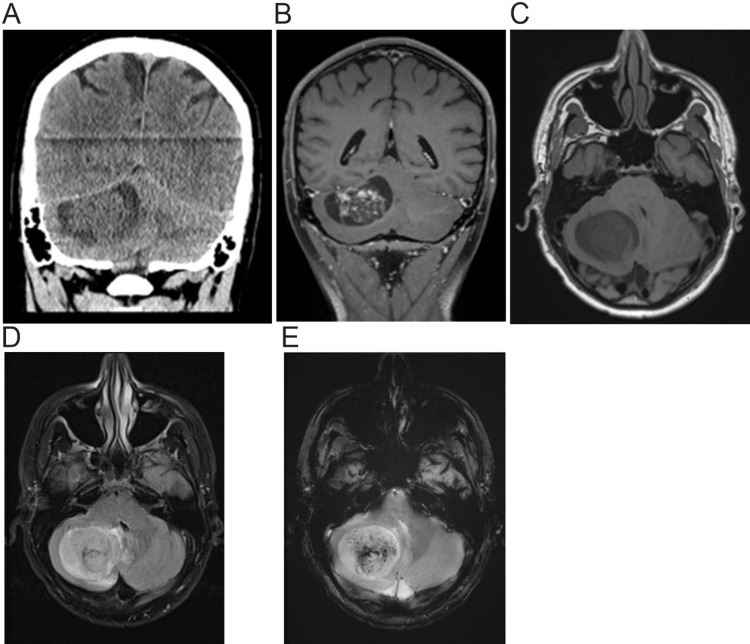
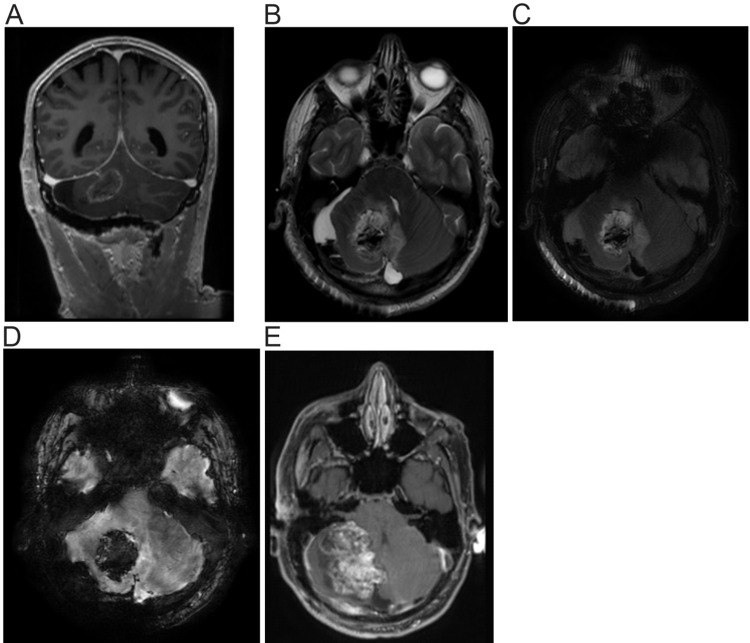
Yolk sac tumor (YST) is the most common prepubertal testicular tumor. It is considered a subtype of non-seminoma germ cell tumor (NSGCT) that is presumed to have an aggressive behavior with high malignant potential, thus requiring multimodality treatment with resection and chemotherapy. Treatment is curative for the majority of patients, even the ones with relapse after a few years. Here, we describe for the first time an atypical case of YST recurrence 17 years after primary treatment of YST. This is a case of YST in a 32-year-old man who presented with a large cerebellar mass consistent with YST recurrence after being in remission for 17 years. He underwent suboccipital craniotomy and complete excision of the tumor, as evident on postoperative MRI with a plan for stereotactic radiosurgery with dose and fractionation determined by MRI at four weeks postoperatively. However, the four-week MRI postoperatively revealed a large mass that was engulfing the prior resection cavity, indicative of unusual rapid tumor recurrence despite evidence of complete resection. The highly aggressive nature of this tumor should prompt clinicians to consider chemotherapy and radiation earlier than four weeks postoperatively.
卵黄囊瘤(YST)是青春期前最常见的睾丸肿瘤。它被认为是非精原细胞瘤性生殖细胞肿瘤(NSGCT)的一种亚型,被推测具有侵袭性行为和高恶性潜能,因此需要手术切除和化疗的多模式治疗。对于大多数患者来说,治疗是可以治愈的,即使是那些几年后复发的患者。在此,我们首次描述了一例卵黄囊瘤初次治疗17年后复发的非典型病例。这是一名32岁男性的卵黄囊瘤病例,他在缓解17年后出现了一个与卵黄囊瘤复发相符的小脑大肿块。他接受了枕下开颅手术并完全切除了肿瘤,术后MRI显示切除完整,并计划在术后四周通过MRI确定剂量和分割方式进行立体定向放射外科治疗。然而,术后四周的MRI显示有一个大肿块正在吞噬先前的切除腔,这表明尽管有完整切除的证据,但肿瘤复发异常迅速。这种肿瘤的高度侵袭性应促使临床医生在术后四周内更早地考虑化疗和放疗。