Pavitrakar Daya V, Atre Nitin M, Tripathy Anuradha S, Shil Pratip
ICMR-National Institute of Virology, 130/1 Sus Road, Pashan, Pune, 411021, India.
Arch Virol. 2021 Nov;166(11):3143-3150. doi: 10.1007/s00705-021-05237-1. Epub 2021 Sep 17.
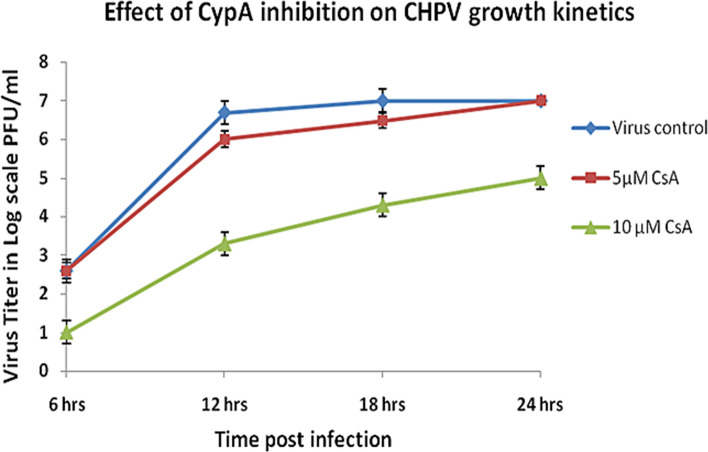
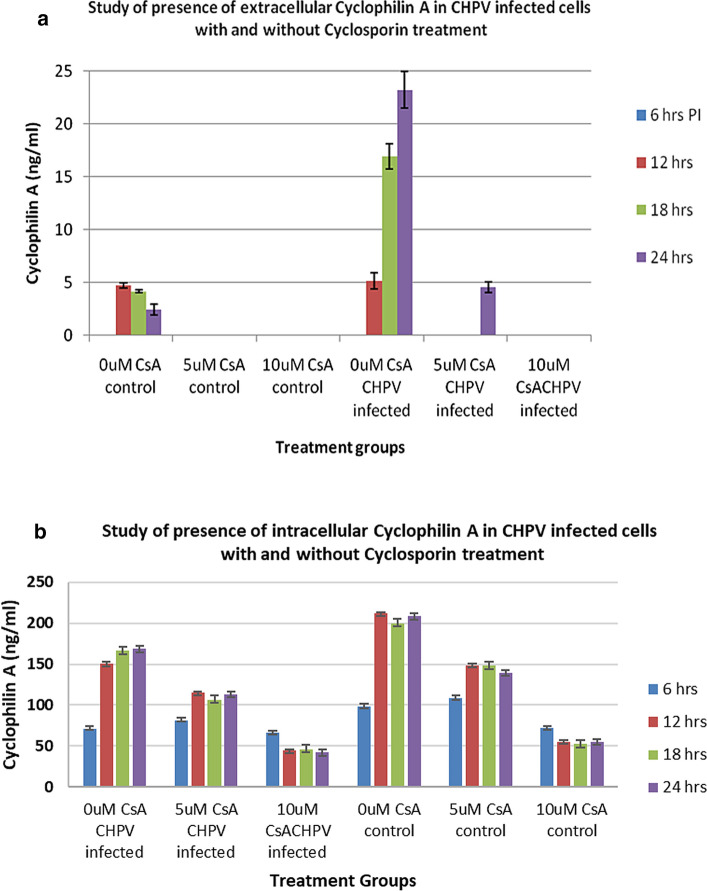
Chandipura virus (CHPV), belonging to the genus Vesiculovirus of the family Rhabdoviridae, has been identified as one of the causes of pediatric encephalitis in India. Currently, neither vaccines nor therapeutic drugs are available against this agent. Considering that the disease progresses very fast with a high mortality rate, working towards the development of potential therapeutics against it will have a public health impact. Although the use of viral inhibitors as antiviral agents is the most common way to curb virus replication, the mutation-prone nature of viruses results in the development of resistance to antiviral agents. The recent development of proteomic platforms for analysis of purified viral agents has allowed certain upregulated host proteins that are involved in the morphogenesis and replication of viruses to be identified. Thus, the alternative approach of inhibition of host proteins involved in the regulation of virus replication could be explored for their therapeutic effectiveness. In the current study, we have evaluated the effect of inhibition of cyclophilin A (CypA), an immunophilin with peptidyl-prolyl cis/trans-isomerase activity, on the replication of CHPV. Treatment with cyclosporin A, used in vitro for the inhibition of CypA, resulted in a 3-log reduction in CHPV titer and an undetectable level of CypA in comparison to an untreated control. An in silico analysis of the interaction of the CHPV nucleoprotein with the human CypA protein showed stable interaction in molecular docking and molecular dynamics simulations. Overall, the results of this study suggest a possible role of CypA in facilitating CHPV replication, thus making it one of the potential host factors to be explored in future antiviral studies.
钱迪普拉病毒(CHPV)属于弹状病毒科水疱病毒属,已被确定为印度小儿脑炎的病因之一。目前,针对该病原体既没有疫苗也没有治疗药物。鉴于该疾病进展非常迅速且死亡率很高,致力于开发针对它的潜在治疗方法将对公共卫生产生影响。虽然使用病毒抑制剂作为抗病毒药物是抑制病毒复制的最常见方法,但病毒易于突变的特性导致对抗病毒药物产生耐药性。最近用于分析纯化病毒制剂的蛋白质组学平台的发展,使得某些参与病毒形态发生和复制的上调宿主蛋白得以鉴定。因此,可以探索抑制参与病毒复制调节的宿主蛋白这种替代方法的治疗效果。在当前的研究中,我们评估了抑制亲环素A(CypA)(一种具有肽基脯氨酰顺/反异构酶活性的亲免素)对CHPV复制的影响。在体外使用环孢素A抑制CypA,与未处理的对照相比,导致CHPV滴度降低3个对数,且CypA水平检测不到。对CHPV核蛋白与人CypA蛋白相互作用的计算机模拟分析表明,在分子对接和分子动力学模拟中存在稳定的相互作用。总体而言,本研究结果表明CypA在促进CHPV复制中可能发挥作用,因此使其成为未来抗病毒研究中有待探索的潜在宿主因子之一。