UK Public Health Rapid Support Team, London School of Hygiene & Tropical Medicine/Public Health England, London, UK
Department of Infectious Disease Epidemiology, Faculty of Epidemiology and Population Health, London School of Hygiene & Tropical Medicine, London, UK.
BMJ Glob Health. 2021 Sep;6(9). doi: 10.1136/bmjgh-2021-006951.
COVID-19 vaccines are now being distributed to low- and middle-income countries (LMICs), with global urgency surrounding national vaccination plans. LMICs have significant experience implementing vaccination campaigns to respond to epidemic threats but are often hindered by chronic health system challenges. We sought to identify transferable lessons for COVID-19 vaccination from the rollout of three vaccines that targeted adult groups in Africa and South America: MenAfriVac (meningitis A); 17D (yellow fever) and rVSV-ZEBOV (Ebola virus disease).
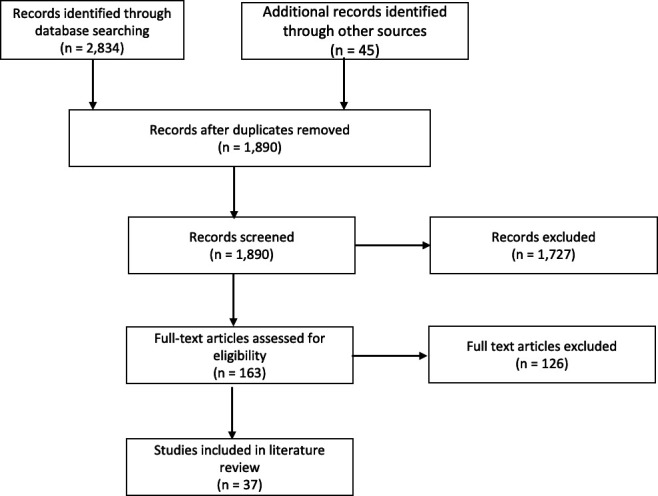
We conducted a rapid literature review and 24 semi-structured interviews with technical experts who had direct implementation experience with the selected vaccines in Africa and South America. We identified barriers, enablers, and key lessons from the literature and from participants' experiences. Interview data were analysed thematically according to seven implementation domains.
Participants highlighted multiple components of vaccination campaigns that are instrumental for achieving high coverage. Community engagement is an essential and effective tool, requiring dedicated time, funding and workforce. Involving local health workers is a key enabler, as is collaborating with community leaders to map social groups and tailor vaccination strategies to their needs. Vaccination team recruitment and training strategies need to be enhanced to support vaccination campaigns. Although recognised as challenging, integrating vaccination campaigns with other routine health services can be highly beneficial if well planned and coordinated across health programmes and with communities.
As supplies of COVID-19 vaccines become available to LMICs, countries need to prepare to efficiently roll out the vaccine, encourage uptake among eligible groups and respond to potential community concerns. Lessons from the implementation of these three vaccines that targeted adults in LMICs can be used to inform best practice for COVID-19 and other epidemic vaccination campaigns.
目前,新冠疫苗正在向中低收入国家(LMICs)分发,各国围绕国家疫苗接种计划的紧迫性与日俱增。LMICs 在应对传染病威胁时实施疫苗接种运动方面拥有丰富的经验,但往往受到长期存在的卫生系统挑战的阻碍。我们试图从在非洲和南美洲推出的三种针对成年人群体的疫苗(脑膜炎 A 疫苗、17D 疫苗和 rVSV-ZEBOV 疫苗)中,为新冠疫苗接种寻找可转移的经验教训。
我们进行了快速文献综述,并对 24 名在非洲和南美洲有直接实施经验的技术专家进行了半结构化访谈。我们从文献和参与者的经验中确定了障碍、推动因素和关键经验。根据七个实施领域对访谈数据进行了主题分析。
参与者强调了疫苗接种运动中多个有助于实现高覆盖率的组成部分。社区参与是一种必不可少且有效的工具,需要投入专门的时间、资金和劳动力。让当地卫生工作者参与进来是一个关键的推动因素,与社区领袖合作,绘制社会群体图,并根据他们的需求调整疫苗接种策略也是如此。需要加强疫苗接种团队的招聘和培训策略,以支持疫苗接种运动。尽管被认为具有挑战性,但如果在卫生规划和社区之间进行了良好的规划和协调,将疫苗接种运动与其他常规卫生服务结合起来可能会非常有益。
随着新冠疫苗供应开始在 LMICs 中提供,各国需要准备好有效地推出疫苗,鼓励符合条件的人群接种,并应对潜在的社区关注。从这些在 LMICs 中针对成年人的三种疫苗的实施中吸取的经验教训可以为新冠疫苗和其他传染病疫苗接种运动提供最佳实践的参考。