Department of Clinical Sciences, Karolinska Institutet, Danderyd University Hospital, 182 88, Stockholm, Sweden.
Department of Clinical Neuroscience, Division of Psychology, Karolinska Institutet, 171 77, Stockholm, Sweden.
BMC Psychiatry. 2021 Sep 18;21(1):459. doi: 10.1186/s12888-021-03454-1.
The adverse health effects of stress induced exhaustion disorder (SED) cause increasing concern in Western societies. This disorder is characterized by severe fatigue, decreased tolerance to further stress, and attention and memory lapses. Despite subjective complaints, individual cognitive deficits are not always detected in a clinical setting, which calls for the validation of more sensitive instruments.
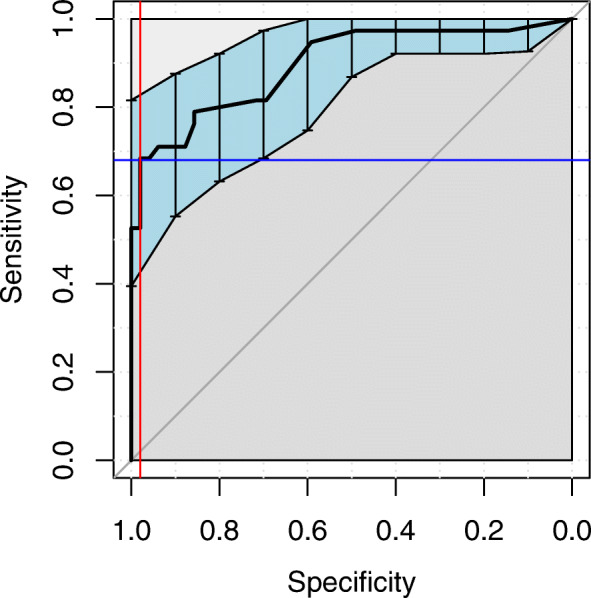
The objective of this study was to investigate if a short, tablet-based serial naming task, MapCog Spectra (MCS) could be used as a marker for cognitive problems in SED.
The study comprised of 39 subjects (35 females, four males) with SED. Their mean age was 46,8 years (SD 10.1; range 30-60 yrs.). All participants were healthcare professionals, with a college or university degree, doctors, registered nurses, and psychologists.
The MCS was used to assess the number of aberrant pauses during serial naming of coloured geometrical shapes. The Coding, Matrix Reasoning, Digit Span, Symbol Search of the WAIS-IV, and RUFF 2&7 tests, were administered together with a short interview.
Mean values were within normal reference limits for all tests, except for the MCS, which showed a significantly higher number of aberrant pauses (p < 0,001) in the SED group, compared to normal reference values. Although subjects performed within normal limits on the RUFF 2&7, a significant difference between individuals was found in the performance strategy of the participants.
Here we report that subjects with SED have performance deficits on the MCS, in terms of aberrant pause times, despite average performance on WAIS-IV tests measuring inductive reasoning, processing speed, working memory, and attention. We also demonstrate that subjects use different strategies to overcome their problems. These findings add to the growing evidence of cognitive deficits in SED and that the MCS might aid neuropsychologists in disentangling cognitive markers, important to substantiate the subjective complaints of affected individuals.
在西方社会,压力诱发衰竭障碍(SED)的不良健康影响引起了越来越多的关注。这种障碍的特征是严重疲劳、对进一步压力的耐受性降低以及注意力和记忆力减退。尽管存在主观抱怨,但在临床环境中并不总能检测到个体认知缺陷,这就需要验证更敏感的工具。
本研究旨在探讨基于平板电脑的简短序列命名任务 MapCog Spectra(MCS)是否可用于作为 SED 认知问题的标志物。
该研究包括 39 名 SED 患者(35 名女性,4 名男性)。他们的平均年龄为 46.8 岁(标准差 10.1;范围 30-60 岁)。所有参与者均为医护人员,拥有大学或大学学历,包括医生、注册护士和心理学家。
使用 MCS 评估彩色几何形状序列命名过程中异常停顿的次数。还进行了 WAIS-IV 的编码、矩阵推理、数字跨度、符号搜索测试以及 RUFF 2&7 测试,并进行了简短的访谈。
除 MCS 外,所有测试的平均值均在正常参考范围内,SED 组的 MCS 异常停顿次数明显更高(p<0.001),与正常参考值相比。尽管 RUFF 2&7 测试中个体的表现均在正常范围内,但个体的表现策略存在显著差异。
尽管个体在 WAIS-IV 测试中的推理、处理速度、工作记忆和注意力等方面的表现均处于正常范围内,但我们报告称 SED 患者在 MCS 上的表现存在缺陷,表现在异常停顿时间上。我们还证明,患者使用不同的策略来克服他们的问题。这些发现增加了 SED 认知缺陷的证据,并表明 MCS 可能有助于神经心理学家区分认知标志物,这对于证实受影响个体的主观抱怨很重要。