Department of Experimental Therapeutics, The University of Texas MD Anderson Cancer Center, Houston, TX 77030, USA.
Laboratory of Biochemistry and Molecular Biology, University of Carthage, Faculty of Sciences of Bizerte, Zarzouna, Bizerte 7021, Tunisia.
Aging (Albany NY). 2021 Sep 20;13(18):21975-21990. doi: 10.18632/aging.203552.
The aim of the study is to determine the anticancer activity of (TS) and its underlying mechanisms using and in animal models.
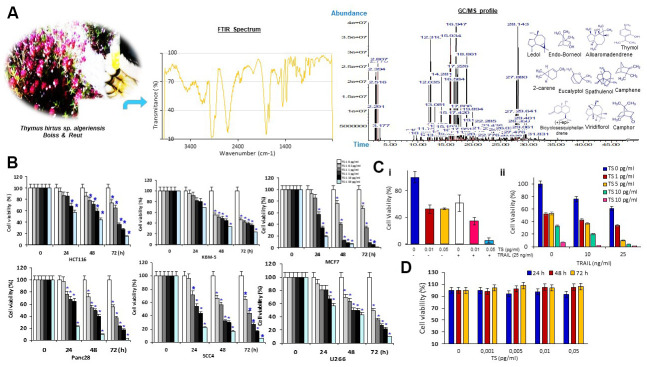
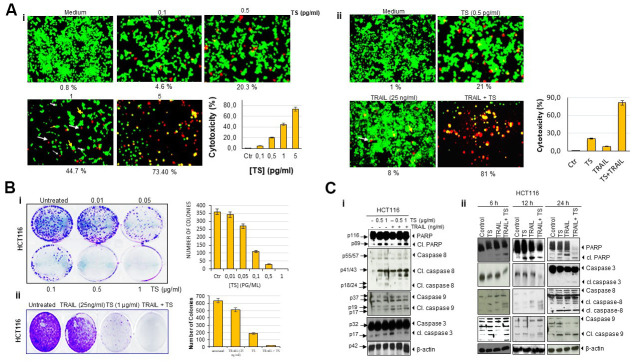
HCT116 cells were treated with TS essential oil alone or with TRAIL, and then its anticancer effect was determined by using MTT assay, live dead assay, caspase activation and PARP cleavage. Further mechanisms of its anticancer effects was determined by analyzing expression of death receptor signaling pathway using Western blotting. A mouse model was also used to assess the antitumor potential of thyme essential oil.
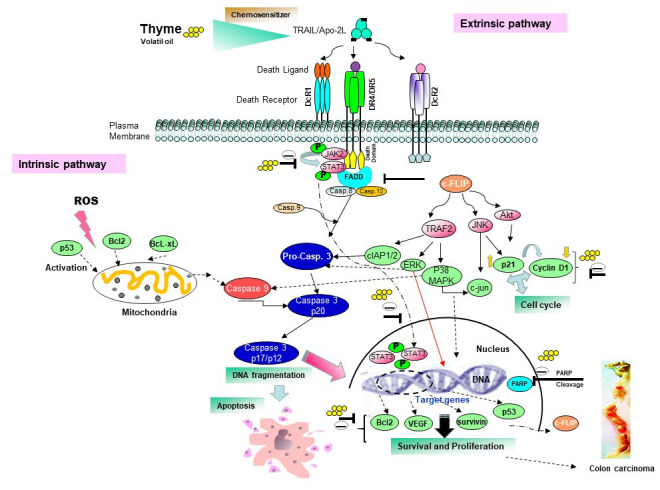
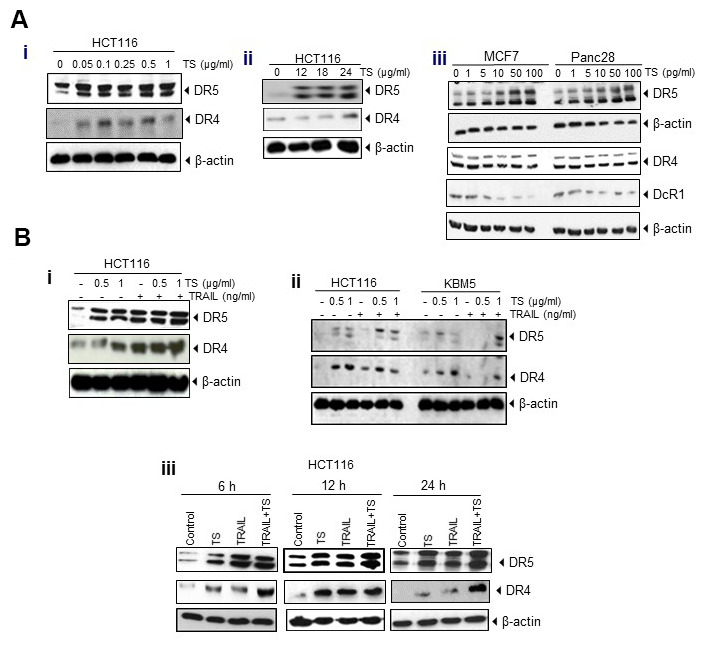
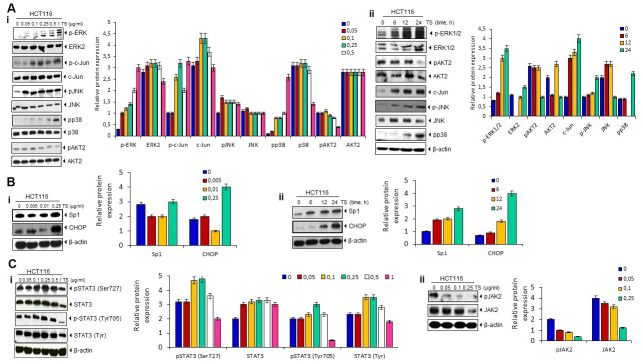
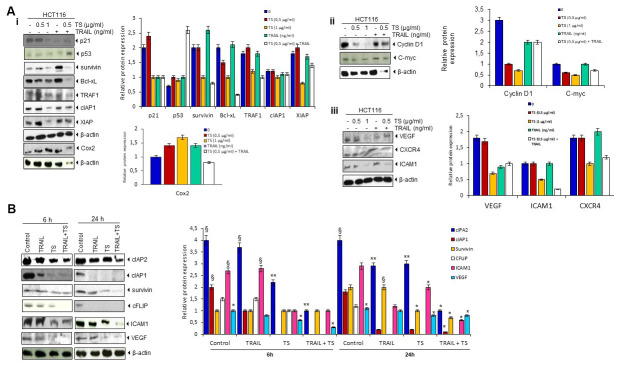
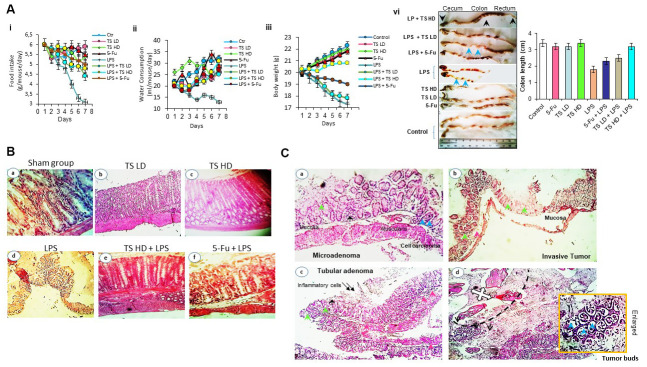
TS oily fraction showed tumor growth inhibitory effect even at lower concentration. TS induces apoptotic cell death as indicated by cleavage of PARP, and activation of the initiator and effector caspases (caspase-3, -8 and -9). Further, results showed that TS increases the expression of death receptors (DRs) and reduces the expression of TRAIL decoy receptors (DcRs). In addition, upregulation of signaling molecules of MAPK pathway (p38 kinase, ERK, JNK), down-regulation of c-FLIP, and overexpression of SP1 and CHOP were observed by TS. Further in animal model, intragastric administration of TS (12.5 mg/ml and 50 mg/ml) prevented colorectal carcinogenesis by blocking multi-steps in carcinoma.
Overall, these results indicate that thymus essential oil promotes apoptosis in HCT116 cells and impedes tumorigenesis in animal model. Moreover, thyme potentiates TRAIL-induced cell death through upregulation of DRs, CHOP and SP1 as well as downregulation of antiapoptotic proteins in HCT116 cells. However, therapeutic potential of TS needs to be further explored.
本研究旨在使用 和 在动物模型中确定 (TS)的抗癌活性及其潜在机制。
用 TS 精油单独或与 TRAIL 处理 HCT116 细胞,然后通过 MTT 测定、死活测定、半胱天冬酶激活和 PARP 切割来确定其抗癌作用。通过 Western blot 分析死亡受体信号通路的表达来进一步确定其抗癌作用的机制。还使用小鼠模型来评估百里香精油的抗肿瘤潜力。
TS 油性部分即使在较低浓度下也显示出肿瘤生长抑制作用。TS 诱导细胞凋亡死亡,表现为 PARP 的切割,以及起始和效应半胱天冬酶(caspase-3、-8 和 -9)的激活。此外,结果表明 TS 增加了死亡受体(DRs)的表达,降低了 TRAIL 诱饵受体(DcRs)的表达。此外,TS 还观察到 MAPK 通路信号分子(p38 激酶、ERK、JNK)的上调、c-FLIP 的下调以及 SP1 和 CHOP 的过表达。此外,在动物模型中,TS(12.5 mg/ml 和 50 mg/ml)的胃内给药通过阻断癌的多个步骤来预防结直肠癌变。
总的来说,这些结果表明百里香精油通过上调 DRs、CHOP 和 SP1 以及下调 HCT116 细胞中的抗凋亡蛋白来促进 HCT116 细胞中的细胞凋亡,并阻碍动物模型中的肿瘤发生。然而,TS 的治疗潜力需要进一步探索。