
天然抗癌剂:现代化学预防和化疗中药用和芳香植物的勘探
Natural anticancer agents: prospection of medicinal and aromatic plants in modern chemoprevention and chemotherapy.
作者信息
Quintero-Rincón Patricia, Caballero-Gallardo Karina, Olivero-Verbel Jesus
机构信息
Research Group Design and Formulation of Medicines, Cosmetics, and Related, Faculty of Pharmaceutical and Food Sciences, Universidad de Antioquia, 050010, Medellín, Colombia.
Functional Toxicology Group. School of Pharmaceutical Sciences, Zaragocilla Campus, Universidad de Cartagena, 130014, Cartagena, Colombia.
出版信息
Nat Prod Bioprospect. 2025 Apr 21;15(1):25. doi: 10.1007/s13659-025-00511-0.
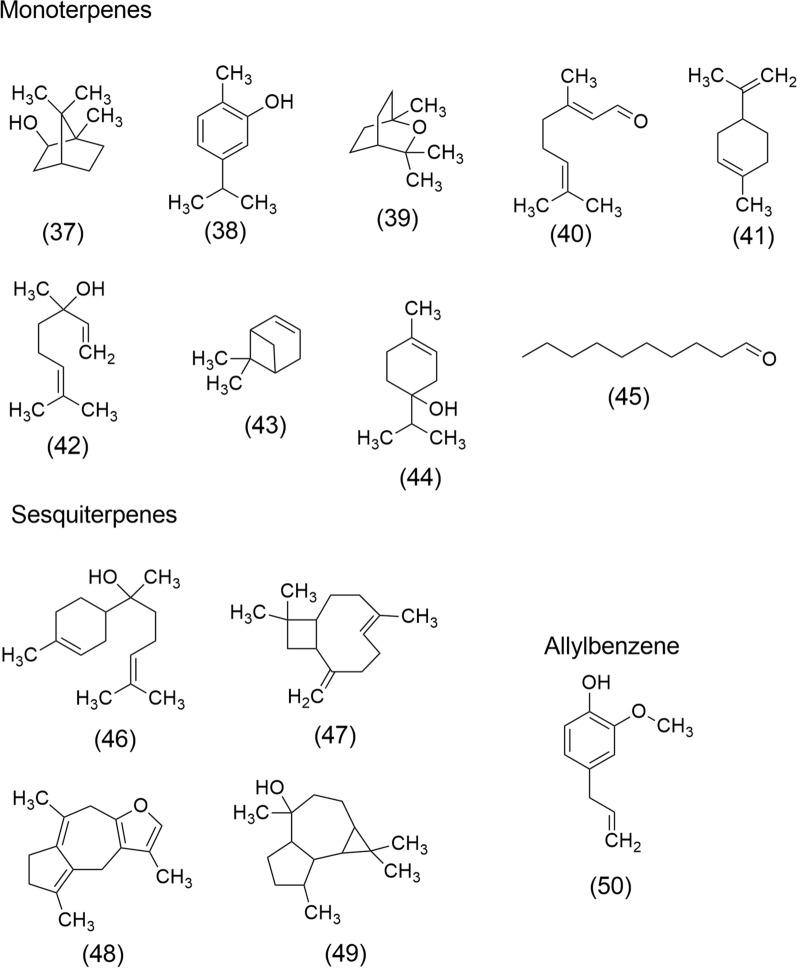
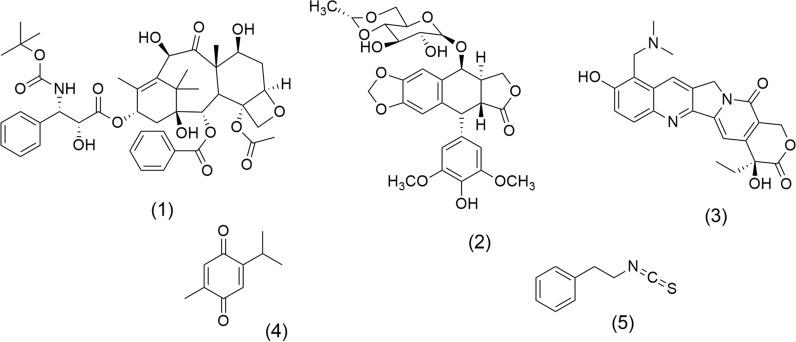
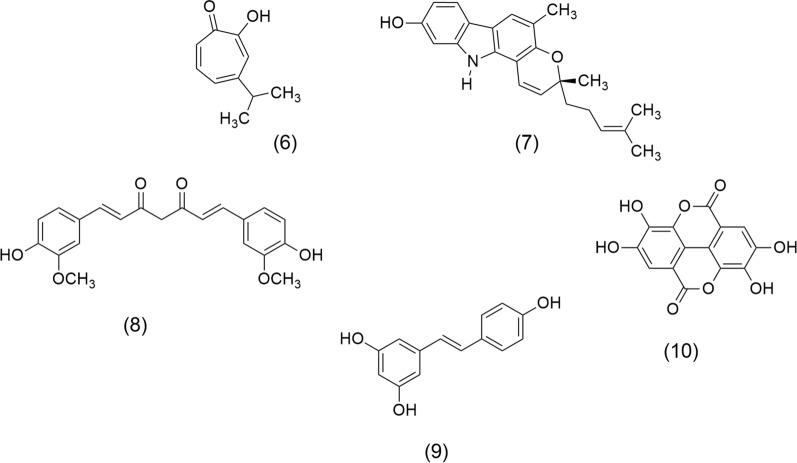
Natural products obtained from medicinal and aromatic plants are increasingly recognized as promising anticancer agents due to their structural richness, including terpene and flavonoid molecules, which induce apoptosis and modulate gene expression. These compounds offer an alternative to conventional treatments, often costly, which face challenges such as multidrug resistance. This review aims to provide a promising alternative approach to effectively control cancer by consolidating significant findings in identifying natural products and anticancer agent development from medicinal and aromatic plants. It synthesizes the findings of a comprehensive search of academic databases, such as PubMed and Springer, prioritizing articles published in recognized peer-reviewed journals that address the bioprospecting of medicinal and aromatic plants as anticancer agents. The review addresses the anticancer activities of plant extracts and essential oils, which were selected for their relevance to chemoprevention and chemotherapy. Compounds successfully used in cancer therapy include Docetaxel (an antimitotic agent), Etoposide VP-16 (an antimitotic agent and topoisomerase II inhibitor), Topotecan (a topoisomerase I inhibitor), Thymoquinone (a Reactive Oxygen Species-ROS inducer), and Phenethyl isothiocyanate (with multiple mechanisms). The review highlights natural products such as Hinokitiol, Mahanine, Hesperetin, Borneol, Carvacrol, Eugenol, Epigallocatechin gallate, and Capsaicin for their demonstrated efficacy against multiple cancer types, including breast, cervical, gastric, colorectal, pancreatic, lung, prostate, and skin cancer. Finally, it highlights the need for continued bioprospecting studies to identify novel natural products that can be successfully used in modern chemoprevention and chemotherapy.
从药用和芳香植物中获得的天然产物因其结构丰富性,包括萜烯和类黄酮分子,越来越被认为是有前景的抗癌剂,这些分子可诱导细胞凋亡并调节基因表达。这些化合物为传统治疗提供了一种替代方案,传统治疗往往成本高昂,且面临多药耐药等挑战。本综述旨在通过整合在鉴定药用和芳香植物中的天然产物及抗癌剂开发方面的重要发现,提供一种有前景的替代方法来有效控制癌症。它综合了对学术数据库(如PubMed和Springer)的全面搜索结果,优先考虑在公认的同行评审期刊上发表的文章,这些文章涉及将药用和芳香植物作为抗癌剂进行生物勘探。该综述探讨了植物提取物和精油的抗癌活性,选择它们是因其与化学预防和化疗的相关性。成功用于癌症治疗的化合物包括多西他赛(一种抗有丝分裂剂)、依托泊苷VP - 16(一种抗有丝分裂剂和拓扑异构酶II抑制剂)、拓扑替康(一种拓扑异构酶I抑制剂)、百里醌(一种活性氧 - ROS诱导剂)和异硫氰酸苯乙酯(具有多种作用机制)。该综述强调了诸如扁柏酚、马汉宁、橙皮素、冰片、香芹酚、丁香酚、表没食子儿茶素没食子酸酯和辣椒素等天然产物,因其对多种癌症类型,包括乳腺癌、宫颈癌、胃癌、结直肠癌、胰腺癌、肺癌、前列腺癌和皮肤癌具有已证实的疗效。最后,它强调了持续进行生物勘探研究以鉴定可成功用于现代化学预防和化疗的新型天然产物的必要性。

 Zotero 插件