Department of Psychology, McGill University, 2001 McGill College Avenue, Montreal, QC, H3A 1G1, Canada.
Department of Anesthesiology and Pain Medicine, Juntendo University Faculty of Medicine, 2-1-1 Hongo, Bunkyo-ku, Tokyo, 113-8421, Japan.
Sci Rep. 2021 Sep 20;11(1):18643. doi: 10.1038/s41598-021-97136-3.
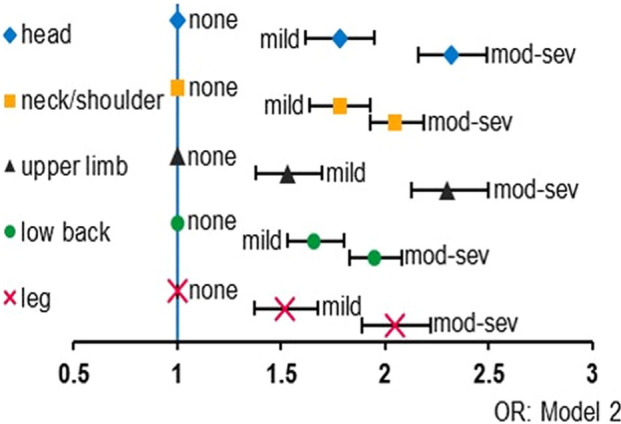
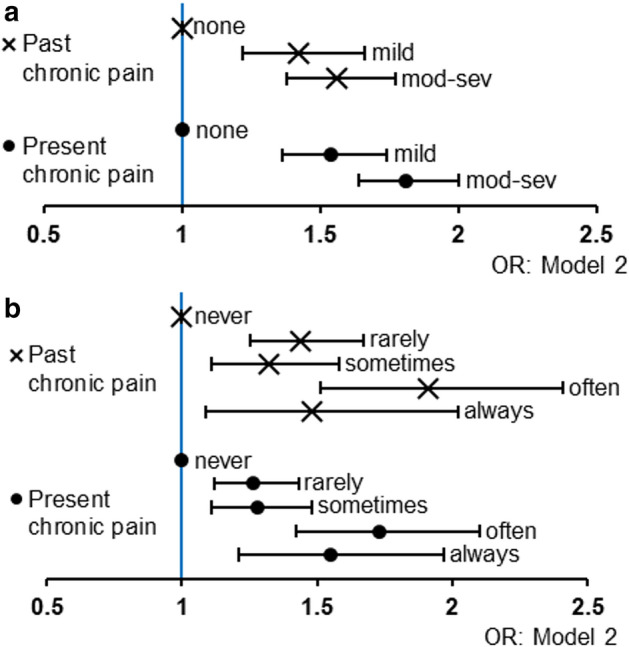
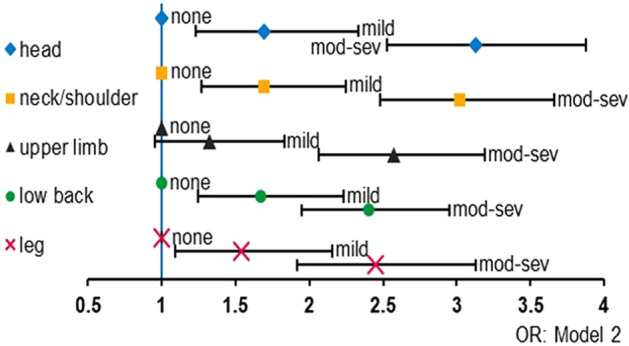
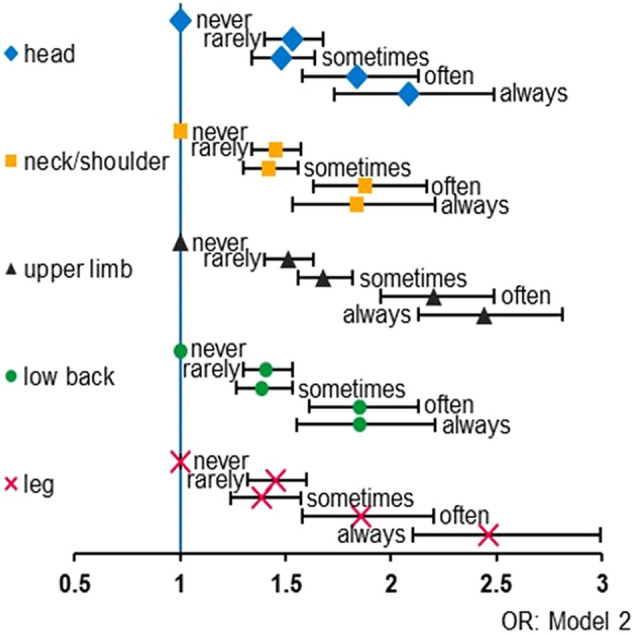
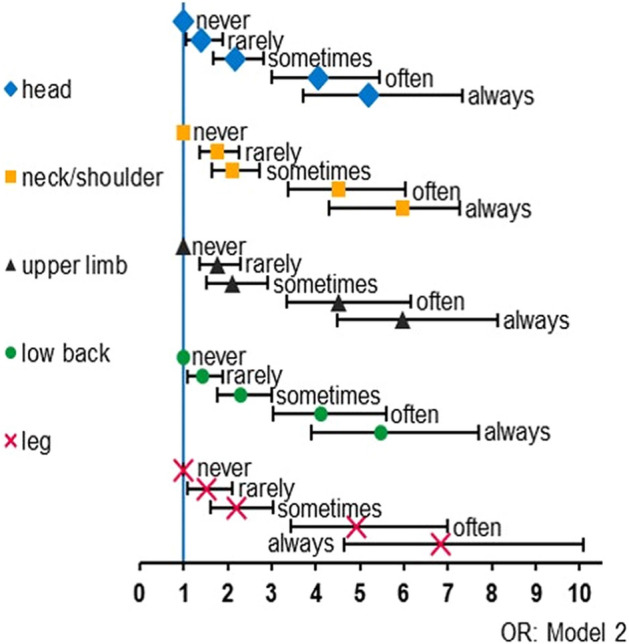
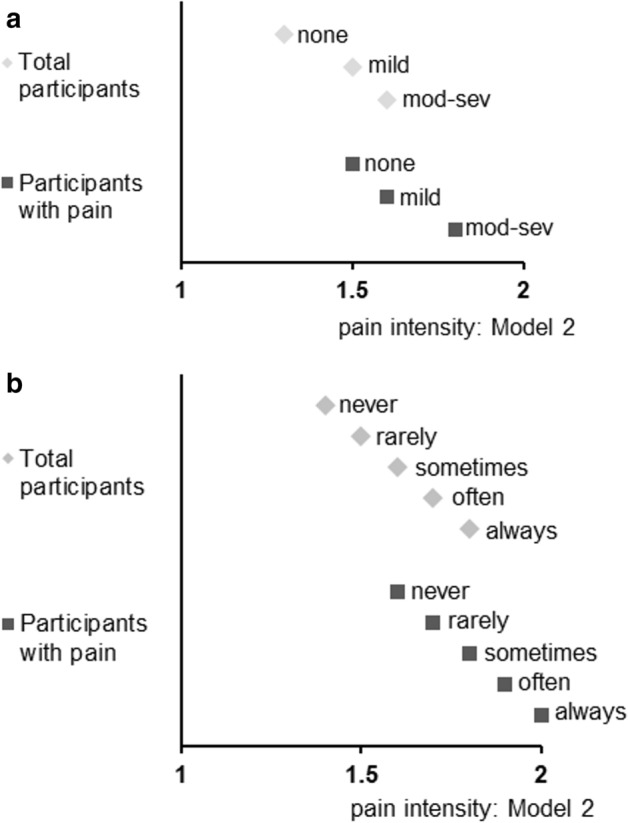
The aim of cross-sectional study was to investigate the association between loneliness, increased social isolation, and pain following the COVID-19 outbreak. A total of 25,482 participants, aged 15-79 years, were assessed using an internet survey; the University of California, Los Angeles Loneliness Scale (Version 3), Short Form 3-item (UCLA-LS3-SF3) was used to assess loneliness, and a modified item of the UCLA-LS3-SF3 was used to measure the perception of increased social isolation during the pandemic. The outcome measures included the prevalence/incidence of pain (i.e., headache, neck or shoulder pain, upper limb pain, low back pain, and leg pain), pain intensity, and the prevalence of past/present chronic pain. Pain intensity was measured by the pain/discomfort item of the 5-level version of the EuroQol 5 Dimension scale. Odds ratios of pain prevalence/incidence and past/present chronic pain prevalence according to the UCLA-LS3-SF3 scoring groups (tertiles) and the frequency of the perceived increase in social isolation (categories 1-5) were calculated using multinomial logistic regression analysis. The mean pain intensity values among different loneliness and social isolation levels were tested using an analysis of covariance. Increased loneliness and the severity of the perceived social isolation were positively associated with the prevalence/incidence of pain, pain intensity, and the prevalence of past/present chronic pain.
本横断面研究旨在调查 COVID-19 爆发后孤独感、社交隔离增加与疼痛之间的关系。共对 25482 名年龄在 15-79 岁的参与者进行了网络调查;使用加利福尼亚大学洛杉矶分校孤独量表(第 3 版)(UCLA-LS3-SF3)评估孤独感,使用 UCLA-LS3-SF3 的一个改良项目评估大流行期间社交隔离的感知增加。结局指标包括疼痛(即头痛、颈肩部疼痛、上肢疼痛、下腰痛和腿痛)的患病率/发病率、疼痛强度和过去/现在慢性疼痛的患病率。疼痛强度通过 5 级欧洲五维健康量表(EQ-5D)的疼痛/不适项目进行测量。使用多项逻辑回归分析计算 UCLA-LS3-SF3 评分组(三分位数)和感知社交隔离增加频率(1-5 类)的疼痛患病率/发病率和过去/现在慢性疼痛患病率的比值比。使用协方差分析检验不同孤独感和社会隔离水平之间的平均疼痛强度值。孤独感增加和感知社交隔离的严重程度与疼痛的患病率/发病率、疼痛强度和过去/现在慢性疼痛的患病率呈正相关。