Department of Biochemistry and Molecular Biology, School of Chemistry, Complutense University of Madrid, Madrid, Spain.
Swiss Institute of Allergy and Asthma Research (SIAF), University of Zürich, Davos, Switzerland.
Mucosal Immunol. 2022 Jan;15(1):96-108. doi: 10.1038/s41385-021-00455-x. Epub 2021 Sep 21.
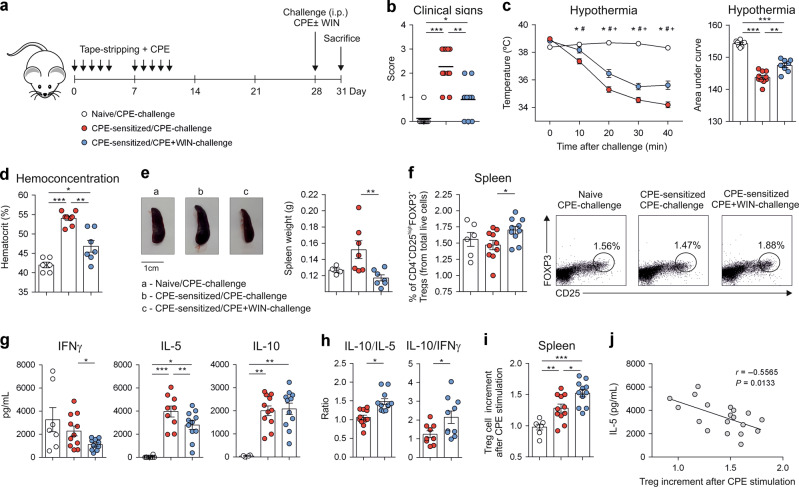
The generation of functional regulatory T cells (Tregs) is essential to keep tissue homeostasis and restore healthy immune responses in many biological and inflammatory contexts. Cannabinoids have been pointed out as potential therapeutic tools for several diseases. Dendritic cells (DCs) express the endocannabinoid system, including the cannabinoid receptors CB1 and CB2. However, how cannabinoids might regulate functional properties of DCs is not completely understood. We uncover that the triggering of cannabinoid receptors promote human tolerogenic DCs that are able to prime functional FOXP3 Tregs in the context of different inflammatory diseases. Mechanistically, cannabinoids imprint tolerogenicity in human DCs by inhibiting NF-κB, MAPK and mTOR signalling pathways while inducing AMPK and functional autophagy flux via CB1- and PPARα-mediated activation, which drives metabolic rewiring towards increased mitochondrial activity and oxidative phosphorylation. Cannabinoids exhibit in vivo protective and anti-inflammatory effects in LPS-induced sepsis and also promote the generation of FOXP3 Tregs. In addition, immediate anaphylactic reactions are decreased in peanut allergic mice and the generation of allergen-specific FOXP3 Tregs are promoted, demonstrating that these immunomodulatory effects take place in both type 1- and type 2-mediated inflammatory diseases. Our findings might open new avenues for novel cannabinoid-based interventions in different inflammatory and immune-mediated diseases.
功能性调节性 T 细胞(Tregs)的产生对于维持组织内稳态和在许多生物学和炎症背景下恢复健康的免疫反应至关重要。大麻素已被指出是多种疾病的潜在治疗工具。树突状细胞(DCs)表达内源性大麻素系统,包括大麻素受体 CB1 和 CB2。然而,大麻素如何调节 DC 的功能特性尚不完全清楚。我们发现,大麻素受体的触发促进了人类耐受性 DC 的产生,这些细胞能够在不同炎症性疾病的背景下诱导功能性 FOXP3 Tregs 的产生。从机制上讲,大麻素通过抑制 NF-κB、MAPK 和 mTOR 信号通路,同时通过 CB1 和 PPARα 介导的激活诱导 AMPK 和功能性自噬流,从而在人 DCs 中诱导耐受性,这导致代谢重编程,增加线粒体活性和氧化磷酸化。大麻素在 LPS 诱导的败血症中表现出体内保护和抗炎作用,并且促进 FOXP3 Tregs 的产生。此外,在花生过敏的小鼠中,立即发生的过敏反应减少,并且促进了过敏原特异性 FOXP3 Tregs 的产生,这表明这些免疫调节作用发生在 1 型和 2 型介导的炎症性疾病中。我们的研究结果可能为不同的炎症和免疫介导性疾病中的新型大麻素干预提供新的途径。