Max Planck Institute for Medical Research, Heidelberg, Germany.
Interdisciplinary Centre for Clinical Research, Aachen, Germany.
Elife. 2021 Sep 23;10:e69861. doi: 10.7554/eLife.69861.
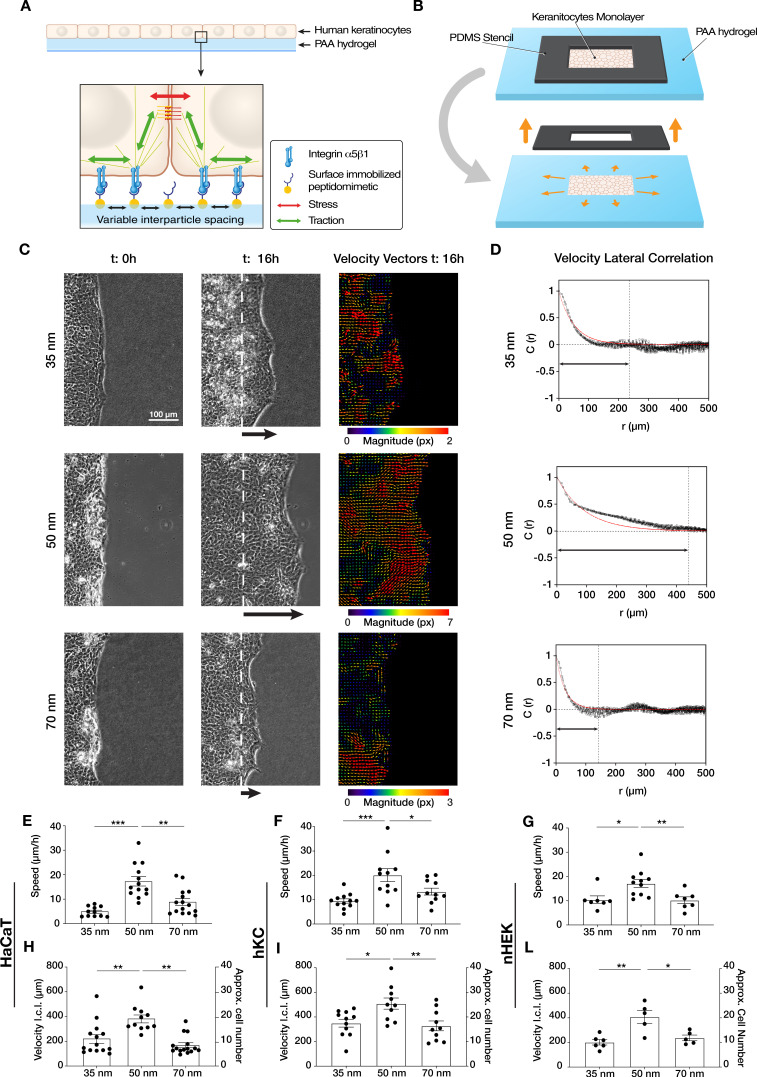
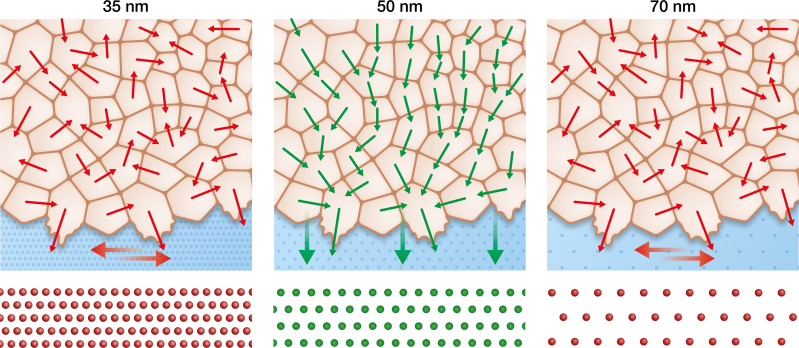
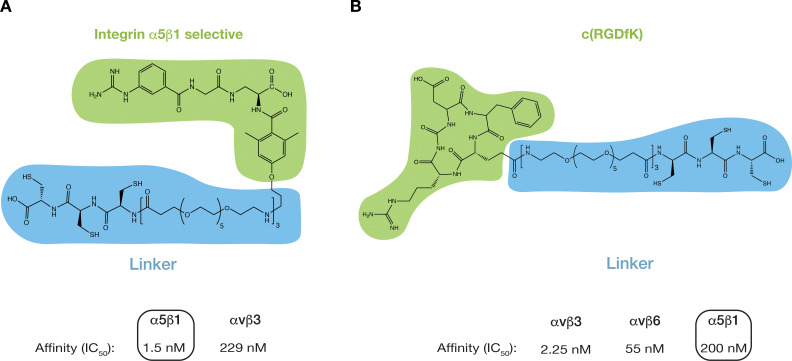
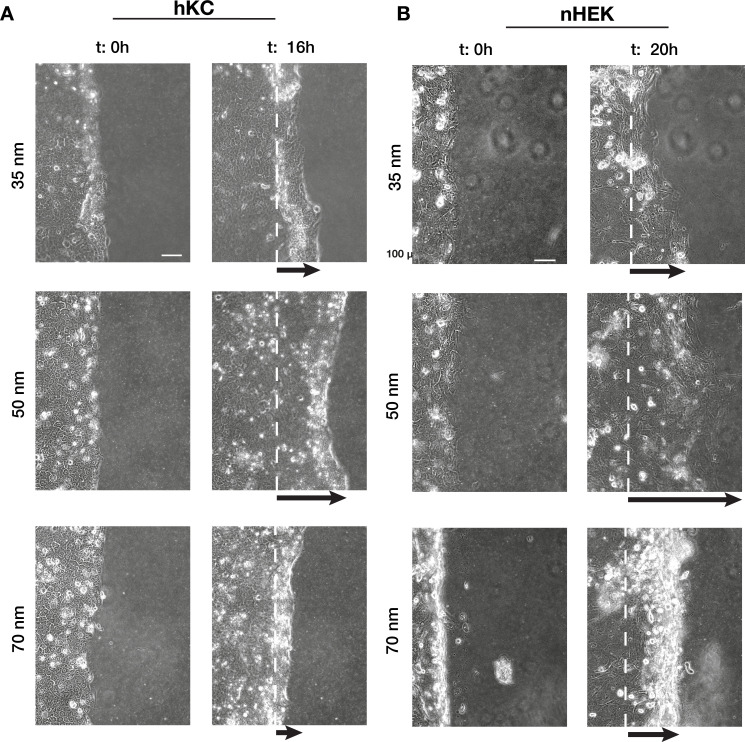
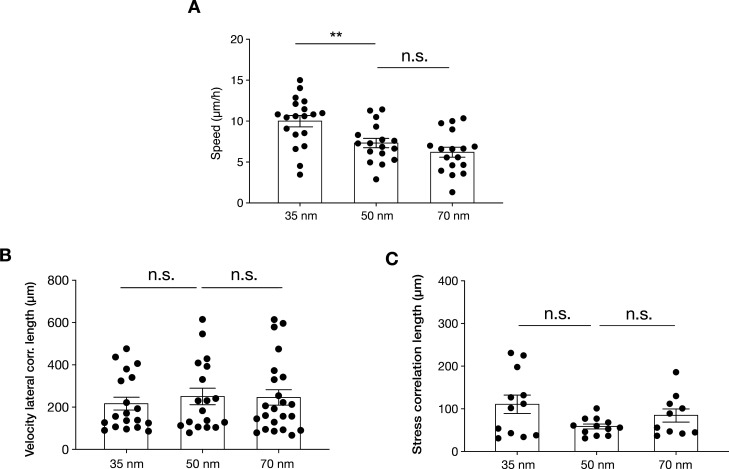
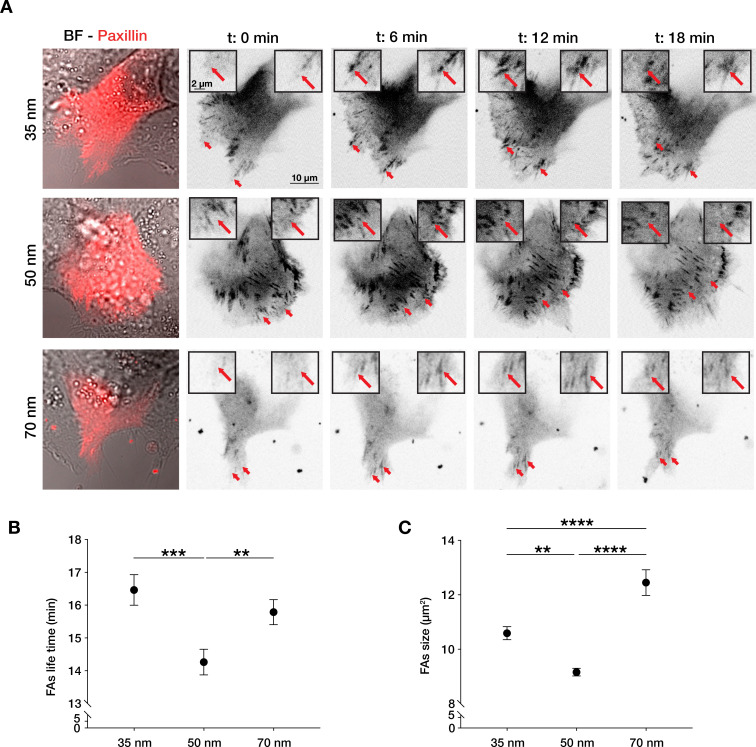
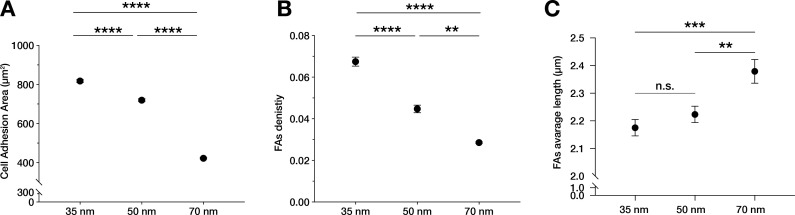
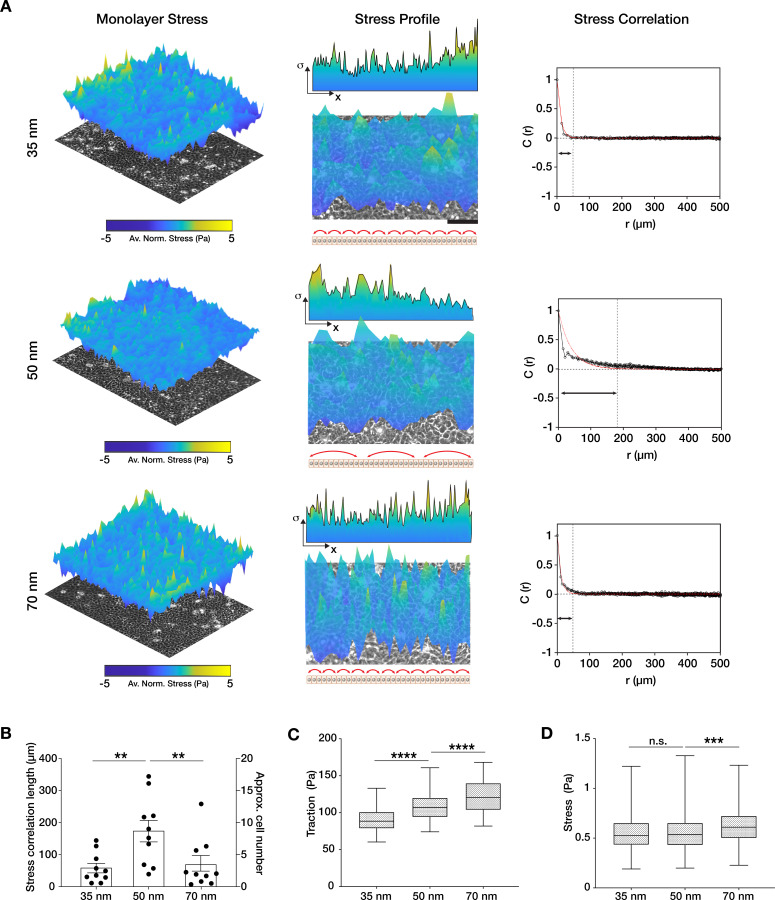
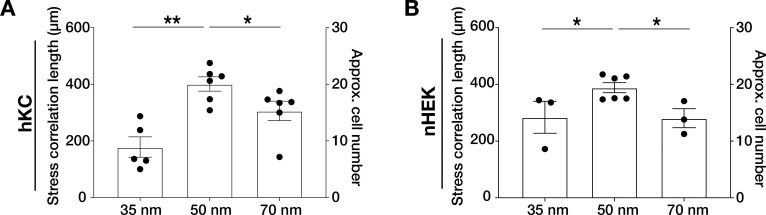
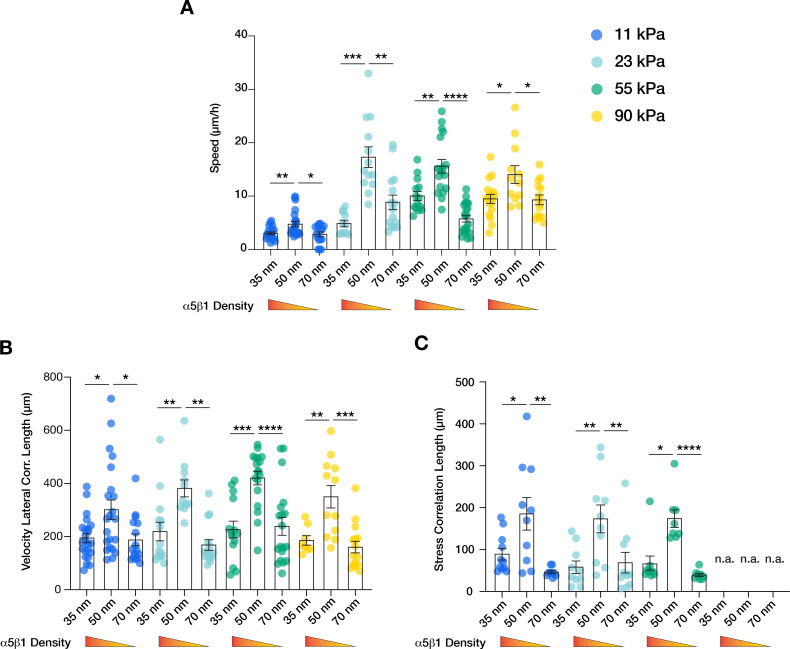
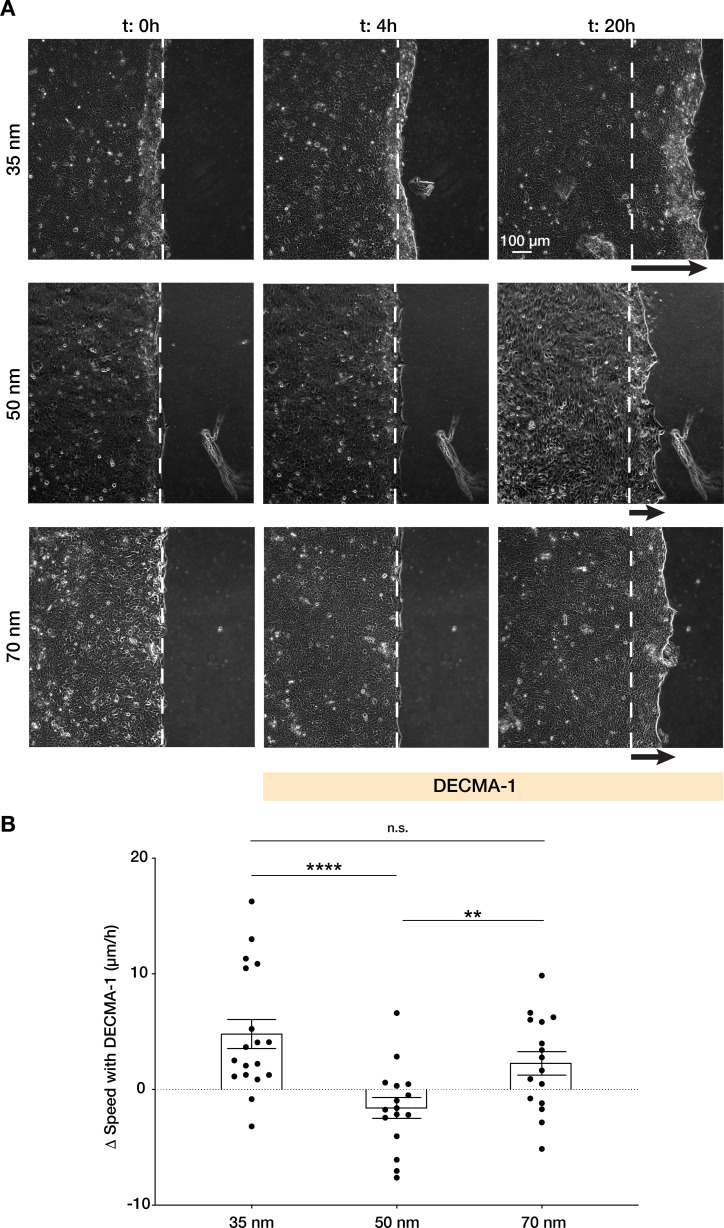
Nanometer-scale properties of the extracellular matrix influence many biological processes, including cell motility. While much information is available for single-cell migration, to date, no knowledge exists on how the nanoscale presentation of extracellular matrix receptors influences collective cell migration. In wound healing, basal keratinocytes collectively migrate on a fibronectin-rich provisional basement membrane to re-epithelialize the injured skin. Among other receptors, the fibronectin receptor integrin α5β1 plays a pivotal role in this process. Using a highly specific integrin α5β1 peptidomimetic combined with nanopatterned hydrogels, we show that keratinocyte sheets regulate their migration ability at an optimal integrin α5β1 nanospacing. This efficiency relies on the effective propagation of stresses within the cell monolayer independent of substrate stiffness. For the first time, this work highlights the importance of extracellular matrix receptor nanoscale organization required for efficient tissue regeneration.
细胞外基质的纳米级特性影响着许多生物学过程,包括细胞迁移。虽然单细胞迁移的信息很多,但迄今为止,还不知道细胞外基质受体的纳米级呈现如何影响细胞的集体迁移。在伤口愈合过程中,基底角质形成细胞集体迁移在富含纤维连接蛋白的临时基底膜上,以重新上皮化受伤的皮肤。在其他受体中,纤维连接蛋白受体整合素α5β1 在这个过程中起着关键作用。我们使用一种高度特异性的整合素α5β1 肽模拟物结合纳米图案化水凝胶,表明角质形成细胞层在最佳整合素α5β1 纳米间距处调节其迁移能力。这种效率依赖于细胞单层内应力的有效传播,而与基质刚度无关。这项工作首次强调了细胞外基质受体纳米级组织对于有效组织再生的重要性。