Bowen Tara J, Hall Andrew R, Lloyd Gavin R, Weber Ralf J M, Wilson Amanda, Pointon Amy, Viant Mark R
School of Biosciences, University of Birmingham, Edgbaston, Birmingham B15 2TT, UK.
Functional and Mechanistic Safety, Clinical Pharmacology and Safety Sciences, R&D, AstraZeneca, Cambridge CB4 0WG, UK.
Metabolites. 2021 Sep 21;11(9):644. doi: 10.3390/metabo11090644.
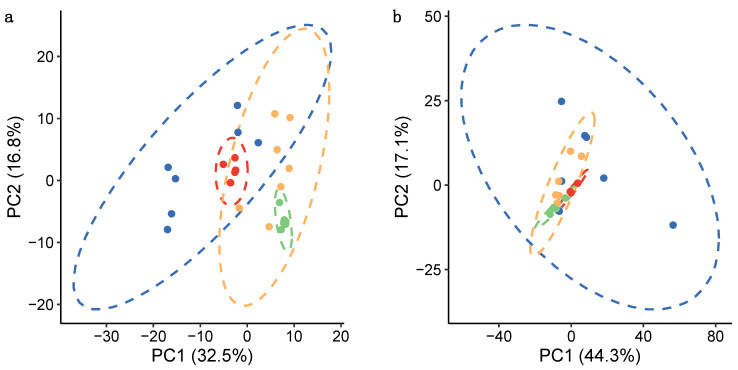
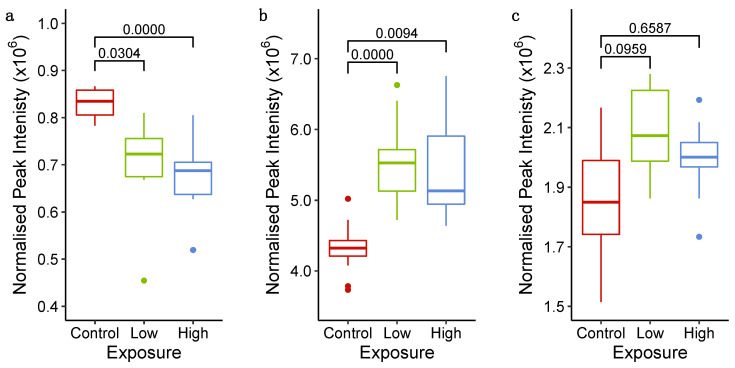
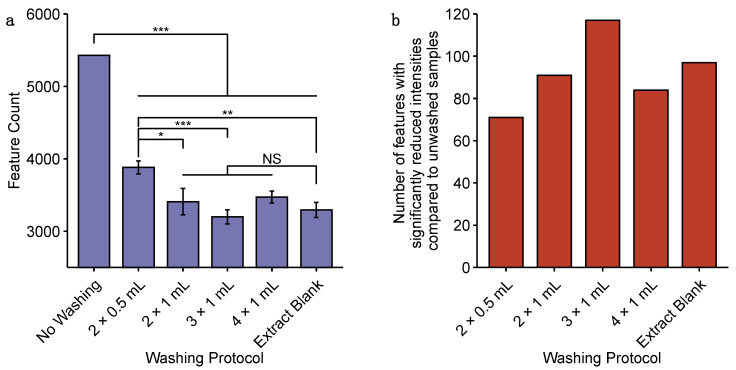
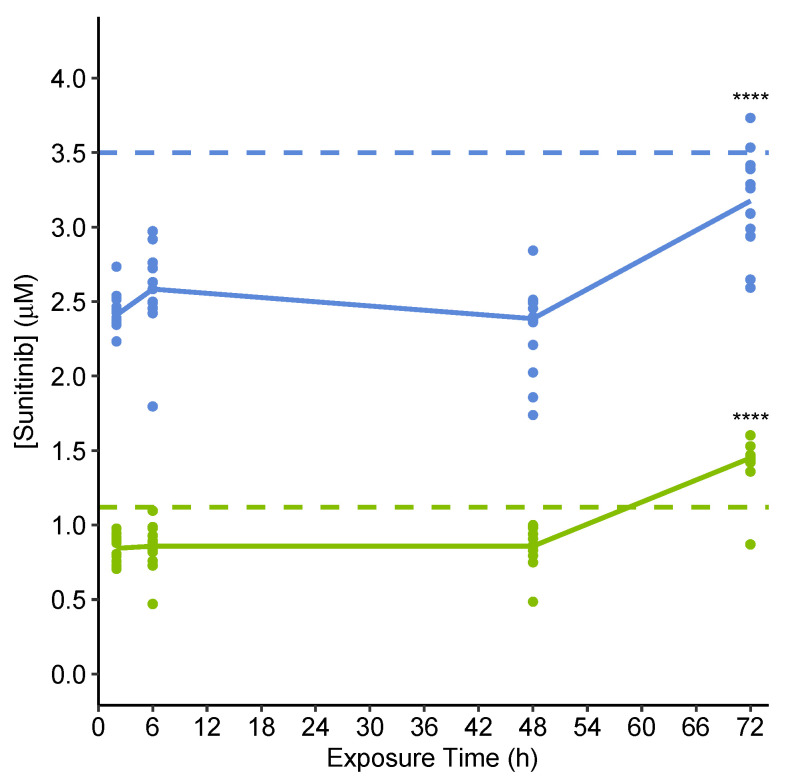
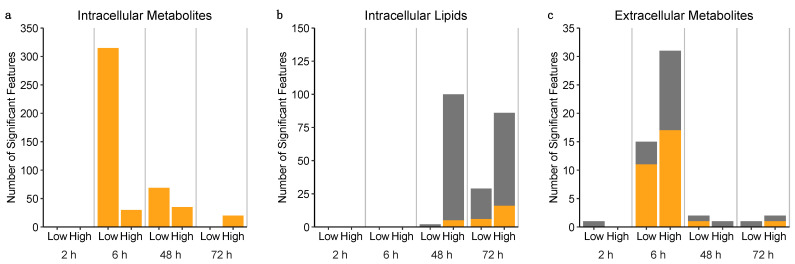
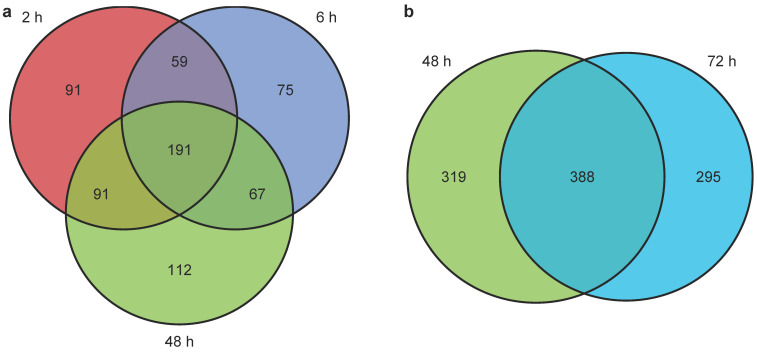
Discovering modes of action and predictive biomarkers of drug-induced structural cardiotoxicity offers the potential to improve cardiac safety assessment of lead compounds and enhance preclinical to clinical translation during drug development. Cardiac microtissues are a promising, physiologically relevant, in vitro model, each composed of ca. 500 cells. While untargeted metabolomics is capable of generating hypotheses on toxicological modes of action and discovering metabolic biomarkers, applying this technology to low-biomass microtissues in suspension is experimentally challenging. Thus, we first evaluated a filtration-based approach for harvesting microtissues and assessed the sensitivity and reproducibility of nanoelectrospray direct infusion mass spectrometry (nESI-DIMS) measurements of intracellular extracts, revealing samples consisting of 28 pooled microtissues, harvested by filtration, are suitable for profiling the intracellular metabolome and lipidome. Subsequently, an extensive workflow combining nESI-DIMS untargeted metabolomics and lipidomics of intracellular extracts with ultra-high performance liquid chromatography-mass spectrometry (UHPLC-MS/MS) analysis of spent culture medium, to profile the metabolic footprint and quantify drug exposure concentrations, was implemented. Using the synthetic drug and model cardiotoxin sunitinib, time-resolved metabolic and lipid perturbations in cardiac microtissues were investigated, providing valuable data for generating hypotheses on toxicological modes of action and identifying putative biomarkers such as disruption of purine metabolism and perturbation of polyunsaturated fatty acid levels.
发现药物诱导的心脏结构毒性的作用模式和预测性生物标志物,有望改善先导化合物的心脏安全性评估,并在药物开发过程中加强临床前到临床的转化。心脏微组织是一种很有前景的、与生理相关的体外模型,每个微组织由约500个细胞组成。虽然非靶向代谢组学能够生成关于毒理学作用模式的假设并发现代谢生物标志物,但将该技术应用于悬浮状态下的低生物量微组织在实验上具有挑战性。因此,我们首先评估了一种基于过滤的方法来收获微组织,并评估了纳米电喷雾直接进样质谱(nESI-DIMS)对细胞内提取物测量的灵敏度和重现性,结果表明由28个合并的通过过滤收获的微组织组成的样本适合用于分析细胞内代谢组和脂质组。随后,实施了一个广泛的工作流程,将nESI-DIMS对细胞内提取物的非靶向代谢组学和脂质组学与对用过的培养基进行的超高效液相色谱-质谱联用(UHPLC-MS/MS)分析相结合,以分析代谢足迹并量化药物暴露浓度。使用合成药物和模型心脏毒素舒尼替尼,研究了心脏微组织中随时间变化的代谢和脂质扰动,为生成关于毒理学作用模式的假设和识别推定生物标志物(如嘌呤代谢的破坏和多不饱和脂肪酸水平的扰动)提供了有价值的数据。