de Oliveira Nathalia Barth, Irioda Ana Carolina, Stricker Priscila Elias Ferreira, Mogharbel Bassam Felipe, da Rosa Nádia Nascimento, Dziedzic Dilcele Silva Moreira, de Carvalho Katherine Athayde Teixeira
Advanced Therapy and Cellular Biotechnology in Regenerative Medicine Department, Pelé Pequeno Príncipe Institute, Child and Adolescent Health Research and Pequeno Príncipe Faculties, Curitiba 80240-020, Paraná, Brazil.
Membranes (Basel). 2021 Sep 5;11(9):687. doi: 10.3390/membranes11090687.
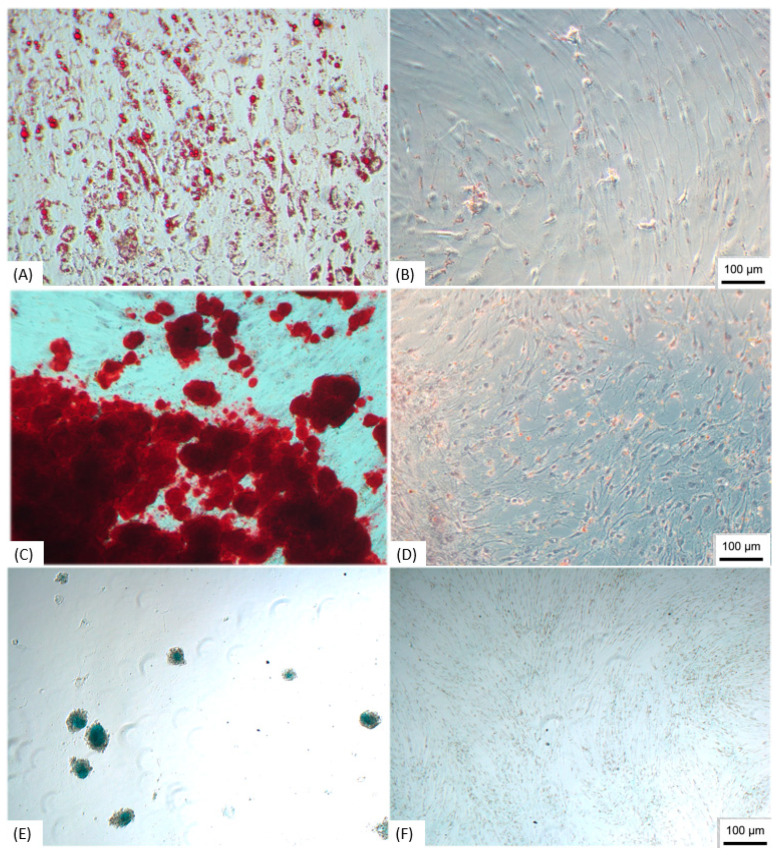
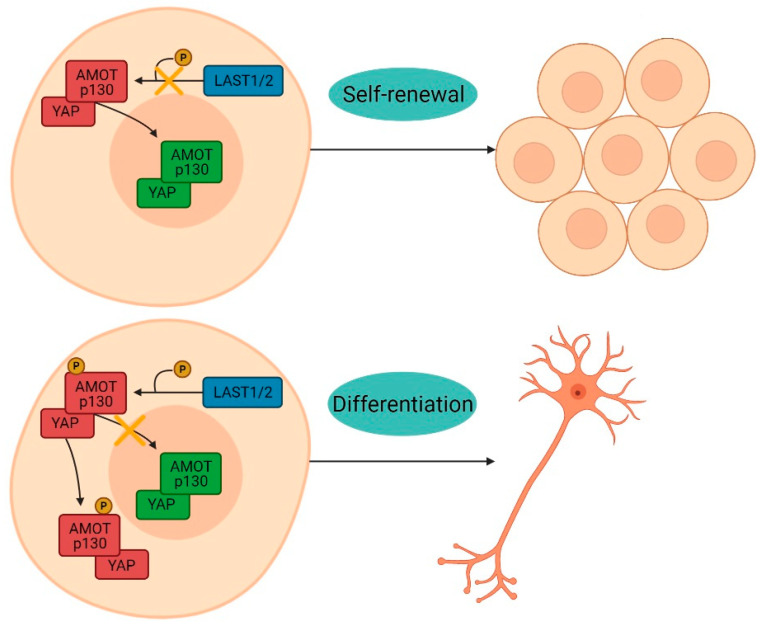
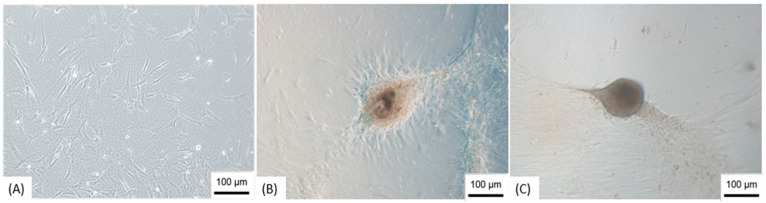
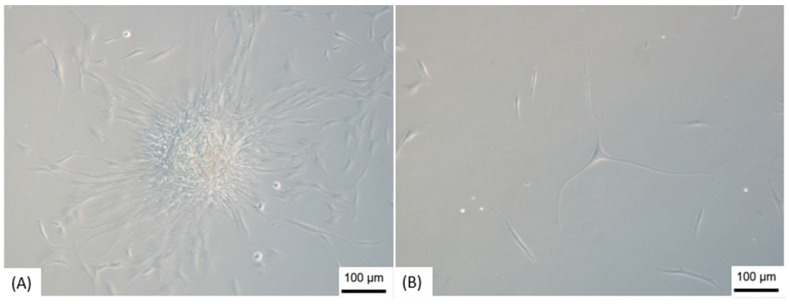
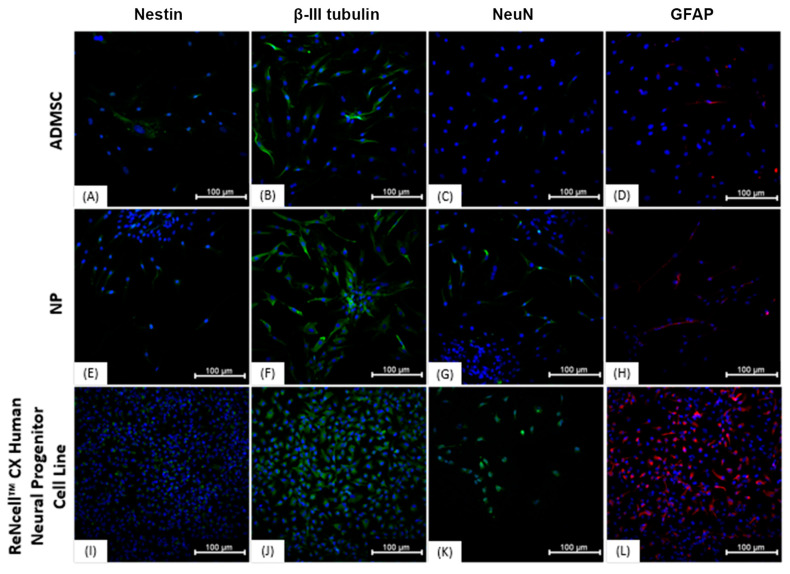
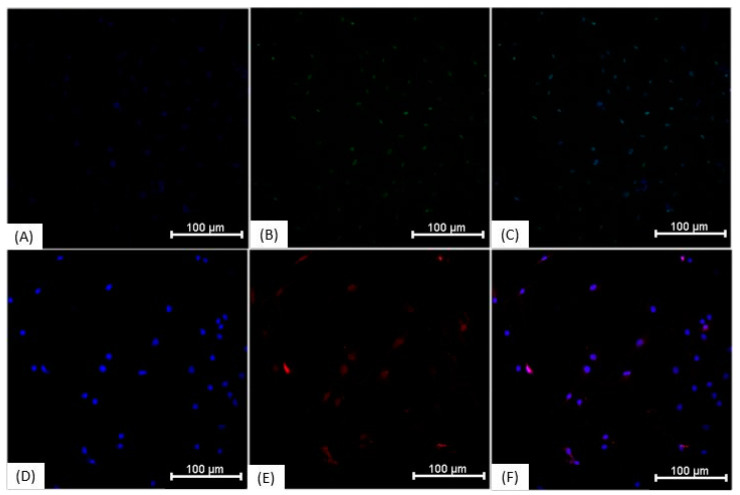
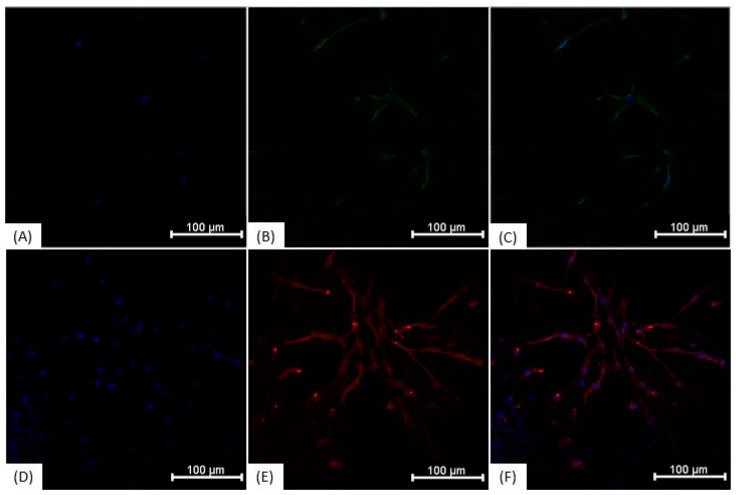
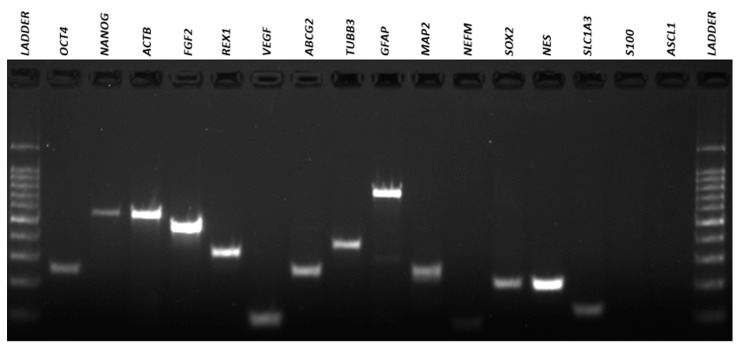
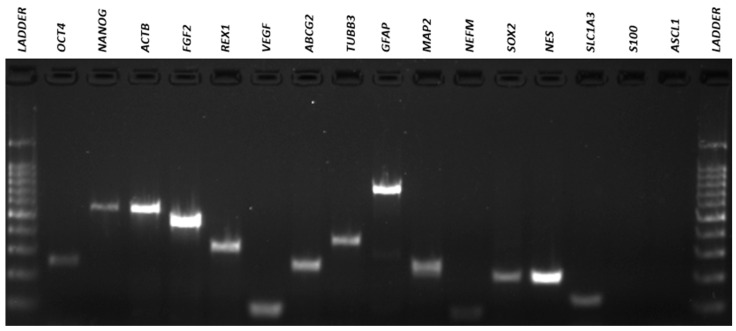
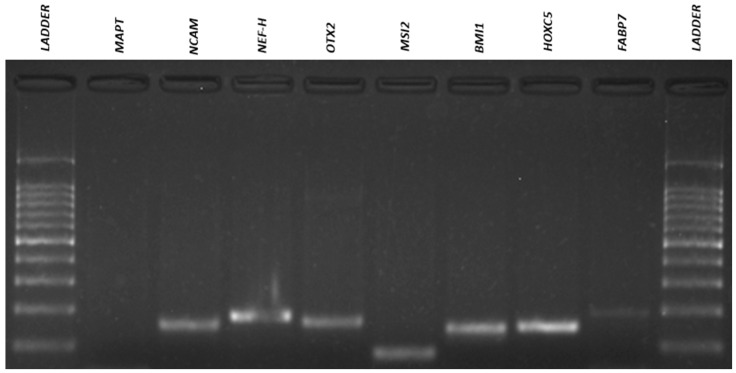
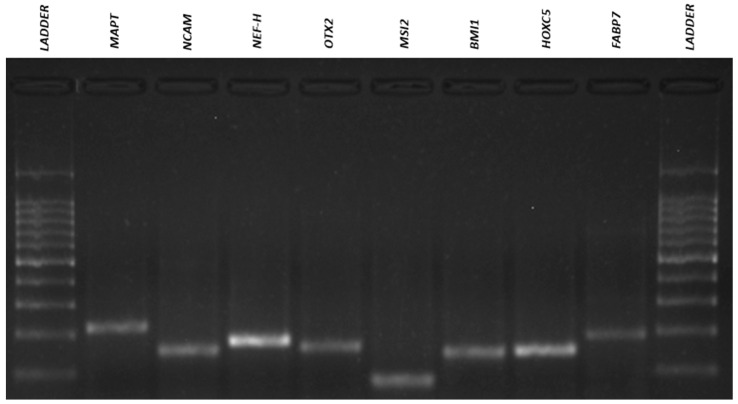
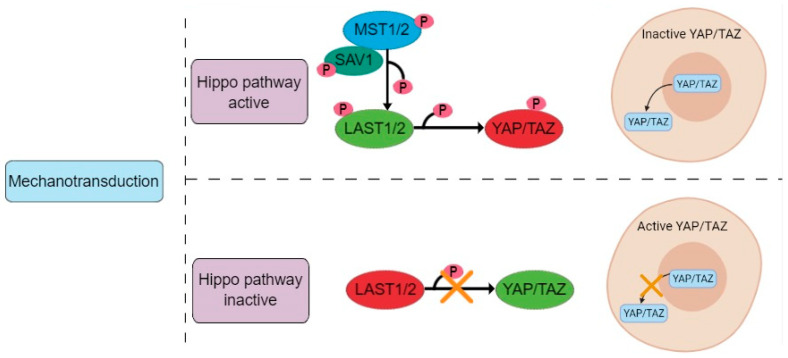
Adipose tissue-derived mesenchymal stem cells (ADMSCs) are promising candidates for regenerative medicine, as they have good cell yield and can differentiate into several cell lines. When induced to the neuronal differentiation, they form neurospheres composed of neural precursors (NPs) that can be an alternative in treating neurodegenerative diseases. This study aimed to characterize NPs from neurospheres obtained after seeding ADMSCs on a natural polyisoprene-based membrane. The ADMSCs were isolated from adipose tissue by enzymatic dissociation, were subjected to trilineage differentiation, and were characterized by flow cytometry for specific ADMSC surface markers. For neuronal differentiation, the cells were seeded on polystyrene flasks coated with the membrane and were characterized by immunocytochemistry and RT-PCR. The results demonstrated that the isolated cells showed characteristics of ADMSCs. At 15 to 25 days, ADMSCs seeded on the natural membrane developed neurospheres. Then, after dissociation, the cells demonstrated characteristic neuronal markers expressed on NPs: nestin, ß-III tubulin, GFAP, NeuN, and the YAP1/AMOT in the cytoplasm. In conclusion, it was demonstrated that this membrane differentiates the ADMSCs to NPs without any induction factors, and suggests that their differentiation mechanisms are related to mechanotransduction regulated by the YAP and AMOT proteins.
脂肪组织来源的间充质干细胞(ADMSCs)是再生医学中很有前景的候选细胞,因为它们具有良好的细胞产量,并且能够分化为多种细胞系。当被诱导进行神经元分化时,它们会形成由神经前体细胞(NPs)组成的神经球,这可能是治疗神经退行性疾病的一种替代方法。本研究旨在对将ADMSCs接种在基于天然聚异戊二烯的膜上后获得的神经球中的NPs进行表征。通过酶解从脂肪组织中分离出ADMSCs,使其经历三系分化,并通过流式细胞术对特定的ADMSC表面标志物进行表征。对于神经元分化,将细胞接种在涂有该膜的聚苯乙烯培养瓶上,并通过免疫细胞化学和逆转录-聚合酶链反应进行表征。结果表明,分离出的细胞表现出ADMSCs的特征。在15至25天时,接种在天然膜上的ADMSCs形成了神经球。然后,在解离后,细胞表现出在NPs上表达的特征性神经元标志物:巢蛋白、β-III微管蛋白、胶质纤维酸性蛋白、神经元核抗原,以及细胞质中的Yes相关蛋白1/血管生成素样蛋白(YAP1/AMOT)。总之,证明了这种膜在没有任何诱导因子的情况下将ADMSCs分化为NPs,并表明它们的分化机制与由YAP和AMOT蛋白调节的机械转导有关。