Sakalauskas Andrius, Ziaunys Mantas, Snieckute Ruta, Smirnovas Vytautas
Life Sciences Center, Institute of Biotechnology, Vilnius University, LT-10257 Vilnius, Lithuania.
Antioxidants (Basel). 2021 Sep 7;10(9):1428. doi: 10.3390/antiox10091428.
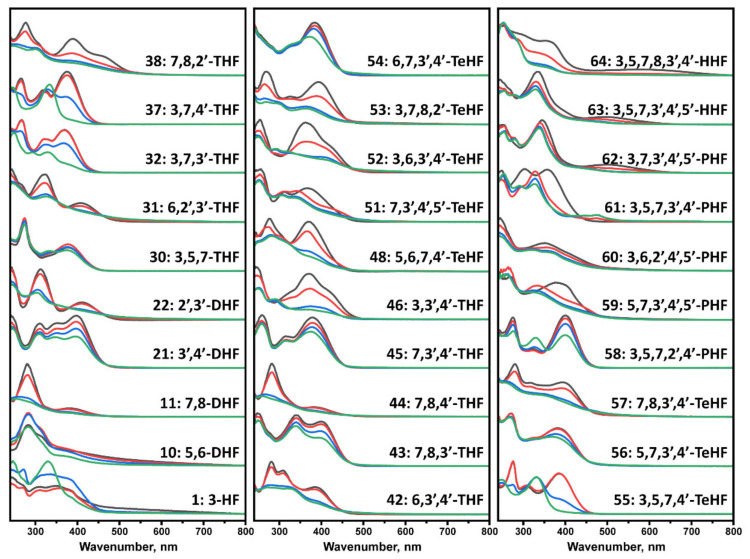
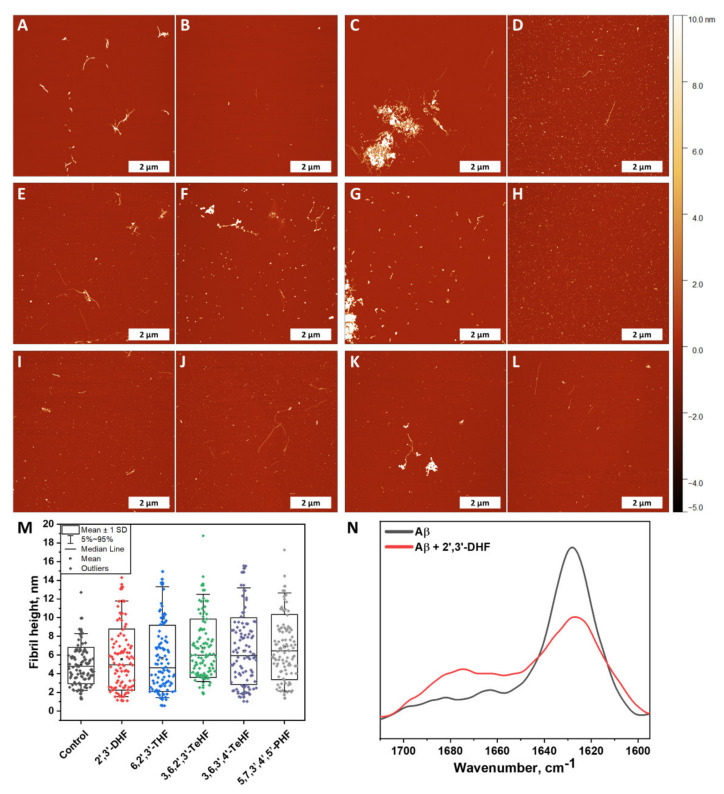
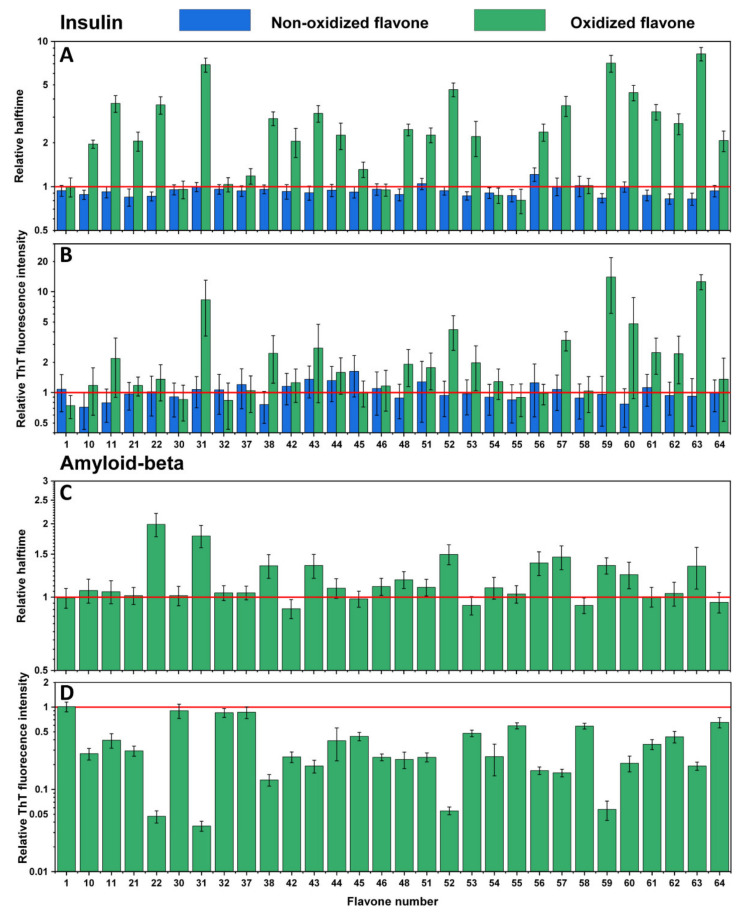
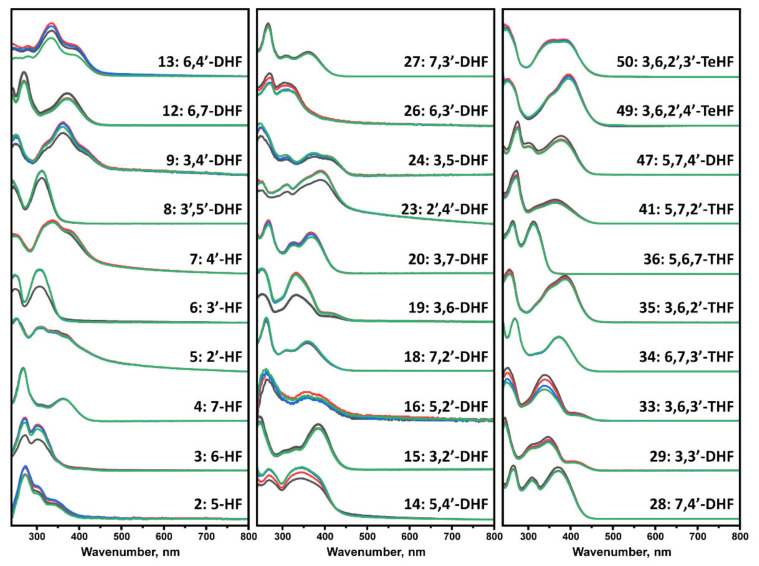
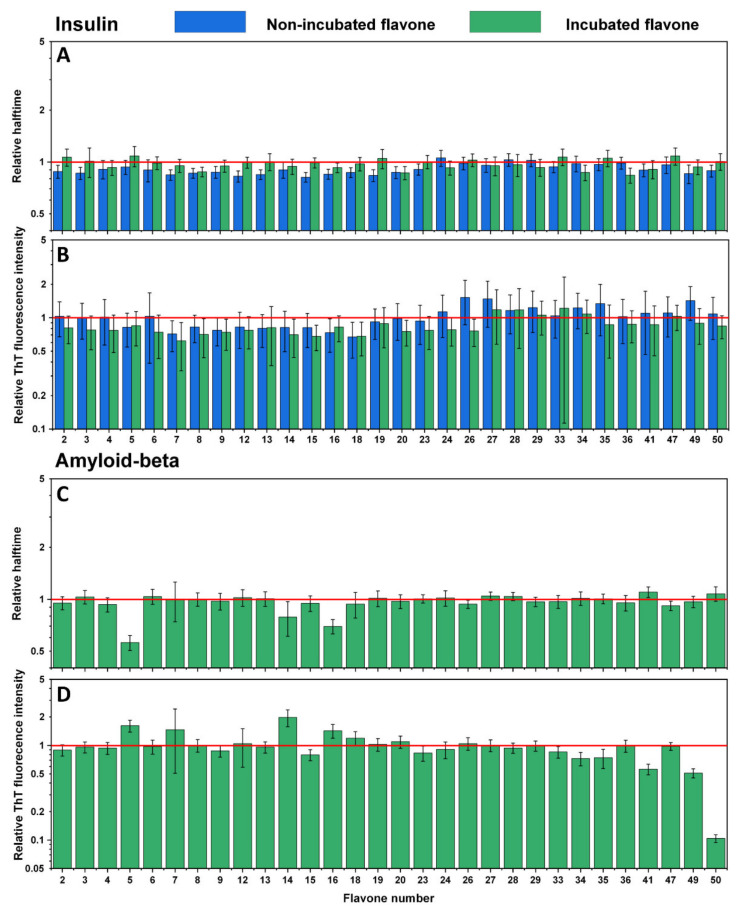
The increasing prevalence of amyloid-related disorders, such as Alzheimer's or Parkinson's disease, raises the need for effective anti-amyloid drugs. It has been shown on numerous occasions that flavones, a group of naturally occurring anti-oxidants, can impact the aggregation process of several amyloidogenic proteins and peptides, including amyloid-beta. Due to flavone autoxidation at neutral pH, it is uncertain if the effective inhibitor is the initial molecule or a product of this reaction, as many anti-amyloid assays attempt to mimic physiological conditions. In this work, we examine the aggregation-inhibiting properties of flavones before and after they are oxidized. The oxidation of flavones was monitored by measuring the UV-vis absorbance spectrum change over time. The protein aggregation kinetics were followed by measuring the amyloidophilic dye thioflavin-T (ThT) fluorescence intensity change. Atomic force microscopy was employed to image the aggregates formed with the most prominent inhibitors. We demonstrate that flavones, which undergo autoxidation, have a far greater potency at inhibiting the aggregation of both the disease-related amyloid-beta, as well as a model amyloidogenic protein-insulin. Oxidized 6,2',3'-trihydroxyflavone was the most potent inhibitor affecting both insulin (7-fold inhibition) and amyloid-beta (2-fold inhibition). We also show that this tendency to autoxidize is related to the positions of the flavone hydroxyl groups.
淀粉样蛋白相关疾病(如阿尔茨海默病或帕金森病)的患病率不断上升,这就需要有效的抗淀粉样蛋白药物。多次研究表明,黄酮类化合物(一类天然存在的抗氧化剂)可以影响几种淀粉样蛋白生成蛋白和肽(包括β-淀粉样蛋白)的聚集过程。由于黄酮类化合物在中性pH下会自动氧化,因此不确定有效抑制剂是初始分子还是该反应的产物,因为许多抗淀粉样蛋白检测试图模拟生理条件。在这项工作中,我们研究了黄酮类化合物氧化前后的聚集抑制特性。通过测量紫外-可见吸收光谱随时间的变化来监测黄酮类化合物的氧化。通过测量嗜淀粉样染料硫黄素-T(ThT)的荧光强度变化来跟踪蛋白质聚集动力学。采用原子力显微镜对由最突出的抑制剂形成的聚集体进行成像。我们证明,会自动氧化的黄酮类化合物在抑制与疾病相关的β-淀粉样蛋白以及模型淀粉样蛋白生成蛋白胰岛素的聚集方面具有更强的效力。氧化后的6,2',3'-三羟基黄酮是影响胰岛素(7倍抑制)和β-淀粉样蛋白(2倍抑制)的最有效抑制剂。我们还表明,这种自动氧化的趋势与黄酮类化合物羟基的位置有关。