Kotta Sabna, Aldawsari Hibah Mubarak, Badr-Eldin Shaimaa M, Binmahfouz Lenah S, Bakhaidar Rana Bakur, Sreeharsha Nagaraja, Nair Anroop B, Ramnarayanan Chandramouli
Department of Pharmaceutics, Faculty of Pharmacy, King Abdulaziz University, Jeddah 21589, Saudi Arabia.
Center of Excellence for Drug Research and Pharmaceutical Industries, King Abdulaziz University, Jeddah 21589, Saudi Arabia.
Pharmaceutics. 2021 Aug 27;13(9):1347. doi: 10.3390/pharmaceutics13091347.
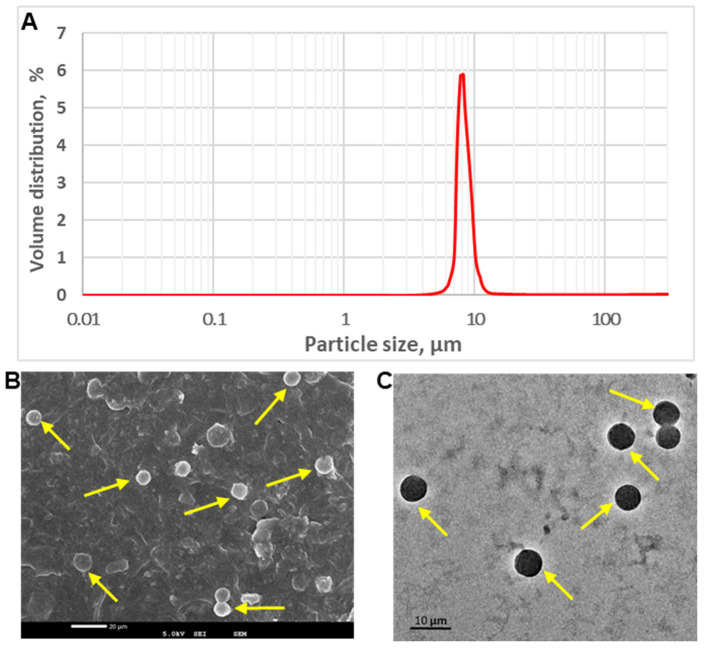
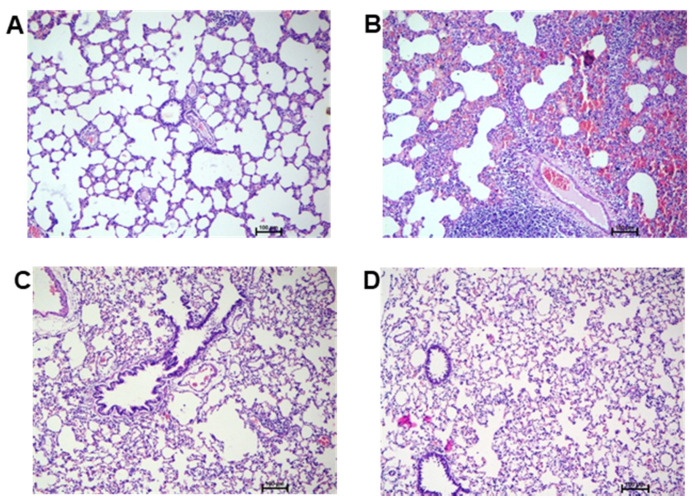
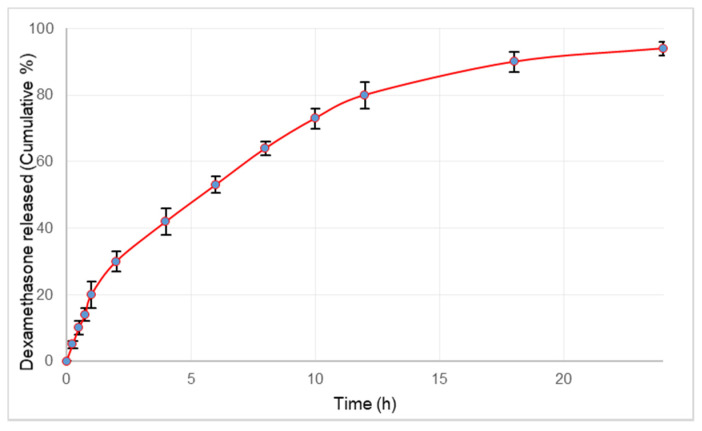
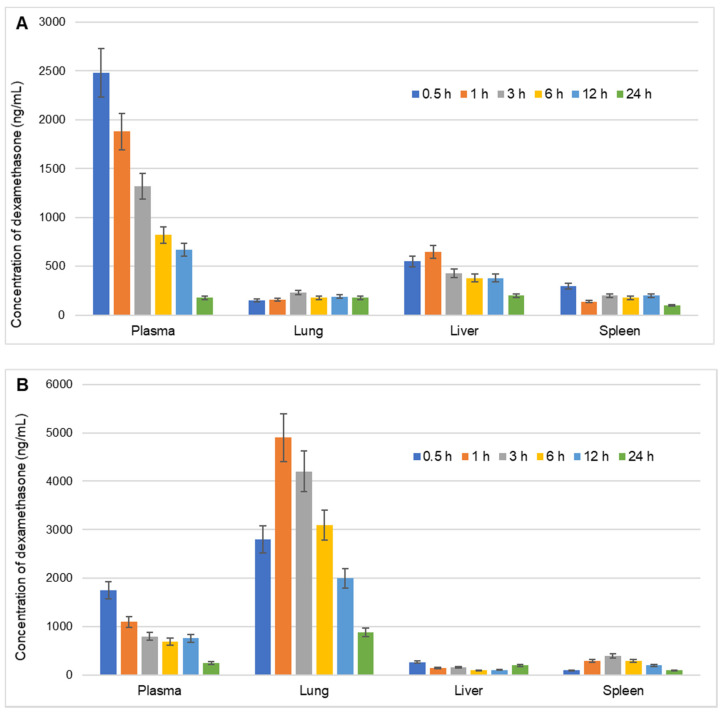
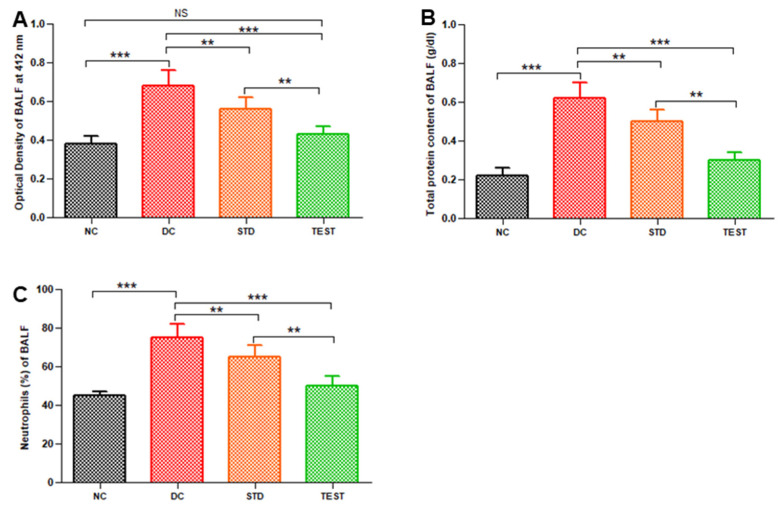
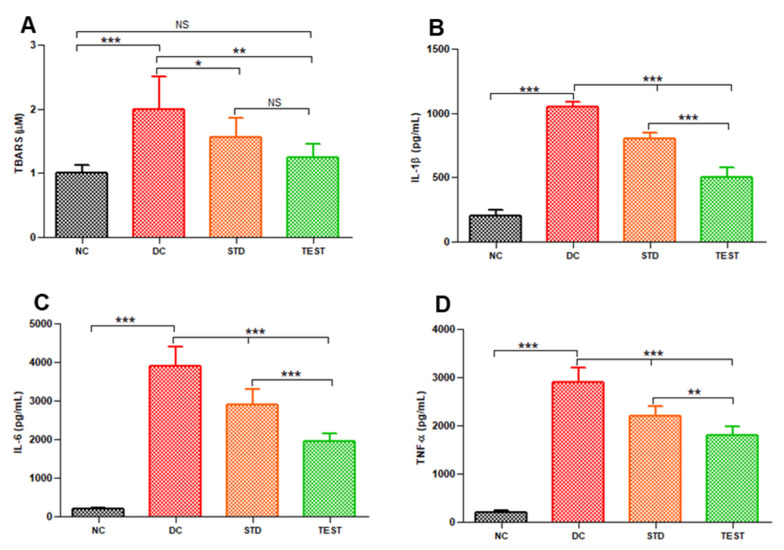
Acute respiratory distress syndrome (ARDS), a catastrophic illness of multifactorial etiology, involves a rapid upsurge in inflammatory cytokines that leads to hypoxemic respiratory failure. Dexamethasone, a synthetic corticosteroid, mitigates the glucocorticoid-receptor-mediated inflammation and accelerates tissue homeostasis towards disease resolution. To minimize non-target organ side effects arising from frequent and chronic use of dexamethasone, we designed biodegradable, lung-targeted microspheres with sustained release profiles. Dexamethasone-loaded lipopolymeric microspheres of PLGA (Poly Lactic-co-Glycolic Acid) and DPPC (Dipalmitoylphosphatidylcholine) stabilized with vitamin E TPGS (D-α-tocopheryl polyethylene glycol succinate) were prepared by a single emulsion technique that had a mean diameter of 8.83 ± 0.32 μm and were spherical in shape as revealed from electron microscopy imaging. Pharmacokinetic and biodistribution patterns studied in the lungs, liver, and spleen of Wistar rats showed high selectivity and targeting efficiency for the lung tissue ( 13.98). As a proof-of-concept, in vivo efficacy of the microspheres was tested in the lipopolysaccharide-induced ARDS model in rats. Inflammation markers such as IL-1β, IL-6, and TNF-α, quantified in the bronchoalveolar lavage fluid indicated major improvement in rats treated with dexamethasone microspheres by intravenous route. Additionally, the microspheres substantially inhibited the protein infiltration, neutrophil accumulation and lipid peroxidation in the lungs of ARDS bearing rats, suggesting a reduction in oxidative stress. Histopathology showed decreased damage to the pulmonary tissue upon treatment with the dexamethasone-loaded microspheres. The multipronged formulation technology approach can thus serve as a potential treatment modality for reducing lung inflammation in ARDS. An improved therapeutic profile would help to reduce the dose, dosing frequency and, eventually, the toxicity.
急性呼吸窘迫综合征(ARDS)是一种病因多因素的灾难性疾病,涉及炎症细胞因子迅速激增,导致低氧性呼吸衰竭。地塞米松是一种合成皮质类固醇,可减轻糖皮质激素受体介导的炎症,并加速组织稳态以促进疾病缓解。为了尽量减少频繁和长期使用地塞米松引起的非靶器官副作用,我们设计了具有持续释放特性的可生物降解的肺靶向微球。通过单乳液技术制备了用维生素E TPGS(D-α-生育酚聚乙二醇琥珀酸酯)稳定的PLGA(聚乳酸-乙醇酸共聚物)和DPPC(二棕榈酰磷脂酰胆碱)负载地塞米松的脂质聚合物微球,其平均直径为8.83±0.32μm,电子显微镜成像显示其呈球形。在Wistar大鼠的肺、肝和脾中研究的药代动力学和生物分布模式显示对肺组织具有高选择性和靶向效率(13.98)。作为概念验证,在脂多糖诱导的大鼠ARDS模型中测试了微球的体内疗效。在支气管肺泡灌洗液中定量的炎症标志物如IL-1β、IL-6和TNF-α表明,经静脉途径用地塞米松微球治疗的大鼠有显著改善。此外,微球显著抑制了ARDS大鼠肺中的蛋白质浸润、中性粒细胞积聚和脂质过氧化,表明氧化应激降低。组织病理学显示,用地塞米松负载微球治疗后肺组织损伤减轻。因此,这种多管齐下的制剂技术方法可作为减少ARDS肺部炎症的潜在治疗方式。改善的治疗效果将有助于减少剂量、给药频率,并最终降低毒性。